


Name & International Aliases
Syrah is the official international name for this noble red wine grape. It is known as 西拉 in Chinese-speaking wine markets. In Australia and most New World wine regions, the identical variety is widely labeled as Shiraz, representing the same grape but typically crafted in a riper, fruit-forward style.
1. Introduction
Syrah is a powerful, structured full-bodied red wine grape and the flagship variety of France’s Northern Rhône Valley. Renowned for its unique combination of concentrated dark fruit, bold black pepper spice, and distinctive savory, meaty undertones, it stands apart from other bold red varieties with its signature rustic complexity and aromatic intensity. Highly versatile across Old World and New World terroirs, Syrah produces vastly different stylistic expressions: restrained, earthy, structured French Syrah vs. lush, jammy, ripe Australian Shiraz. Boasting firm tannins, vibrant acidity, and exceptional aging potential, it ranks among the world’s most important and terroir-responsive noble red grapes.
2. Origin & History
Genetic research confirms Syrah originated in southeastern France, born from a natural cross between Dureza and Mondeuse Blanche, two native Alpine varieties. Its ancient roots are centered in the Northern Rhône, where it has been cultivated for over 2,000 years, shaping the region’s legendary fine wine identity.
For centuries, Syrah remained the exclusive dominant red grape of the Northern Rhône, defining iconic appellations including Hermitage and Côte-Rôtie. In the 19th century, the grape was transported to Australia, where it thrived in warm dry climates and was renamed Shiraz, evolving a distinct national style. Over time, it spread globally to South Africa, California, and South America. Today, Syrah holds dual identity: the structured, savory Old World benchmark of the Rhône and the rich, fruit-forward New World workhorse known as Shiraz.
3. Viticulture Characteristics
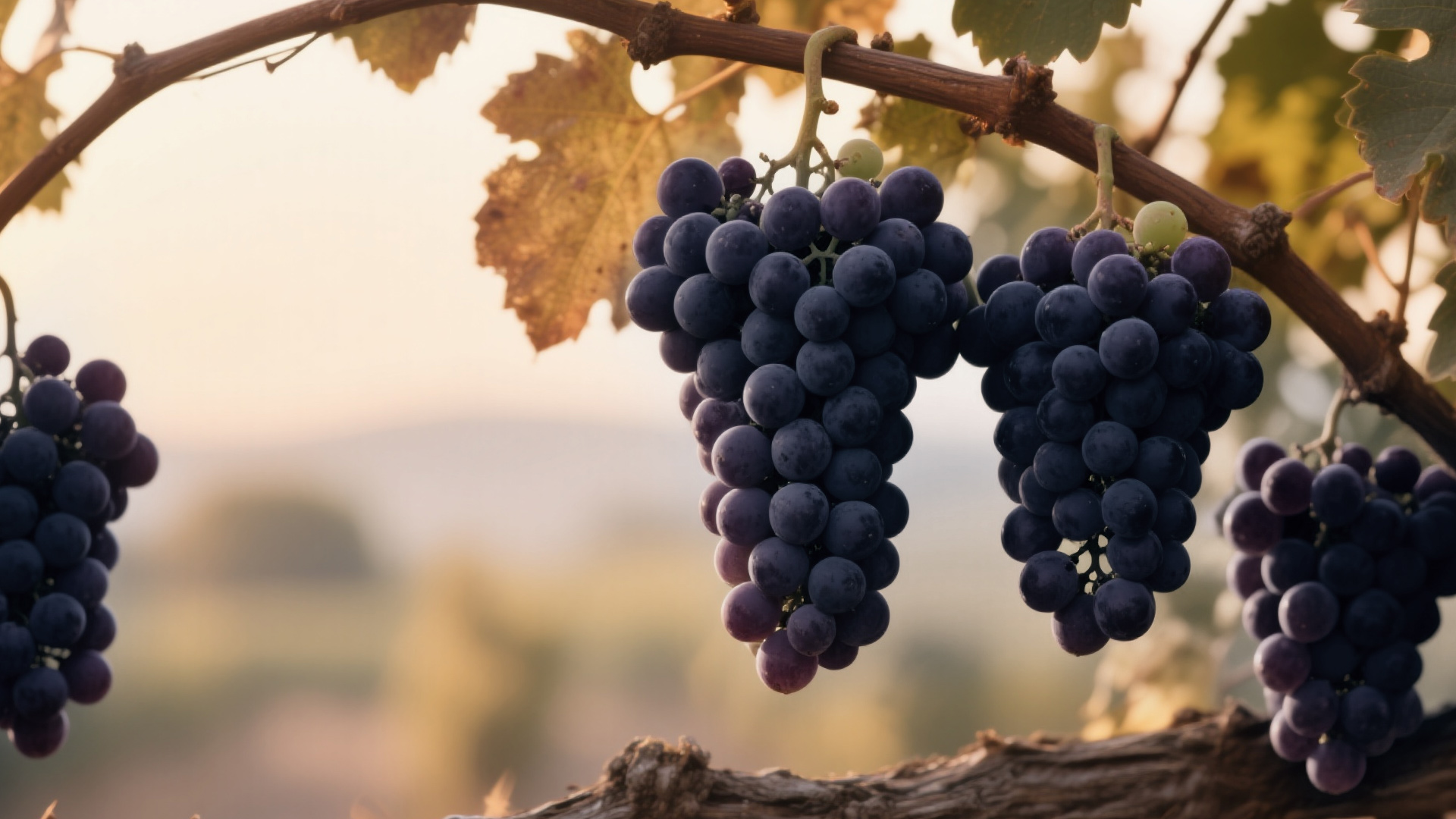
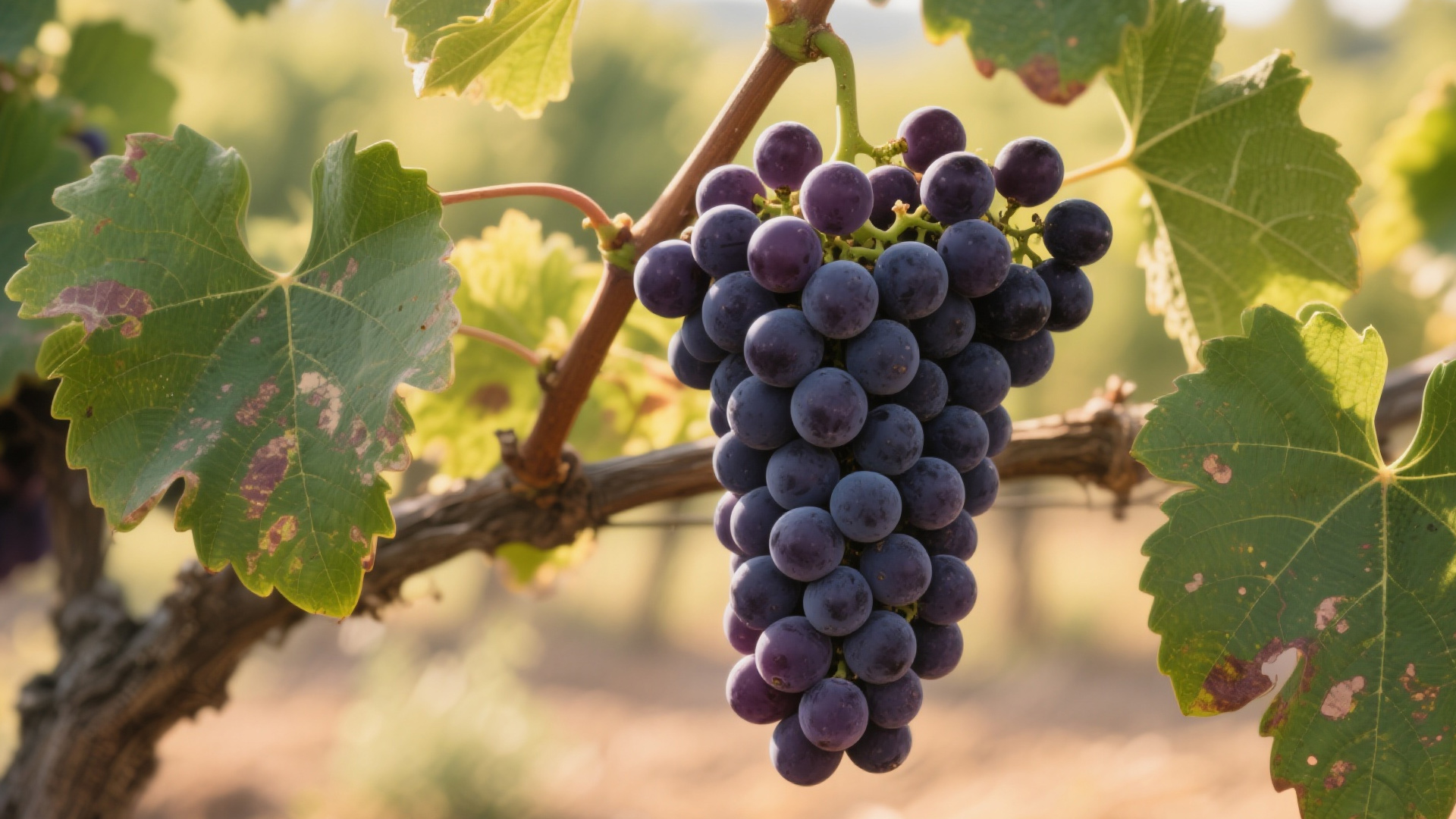
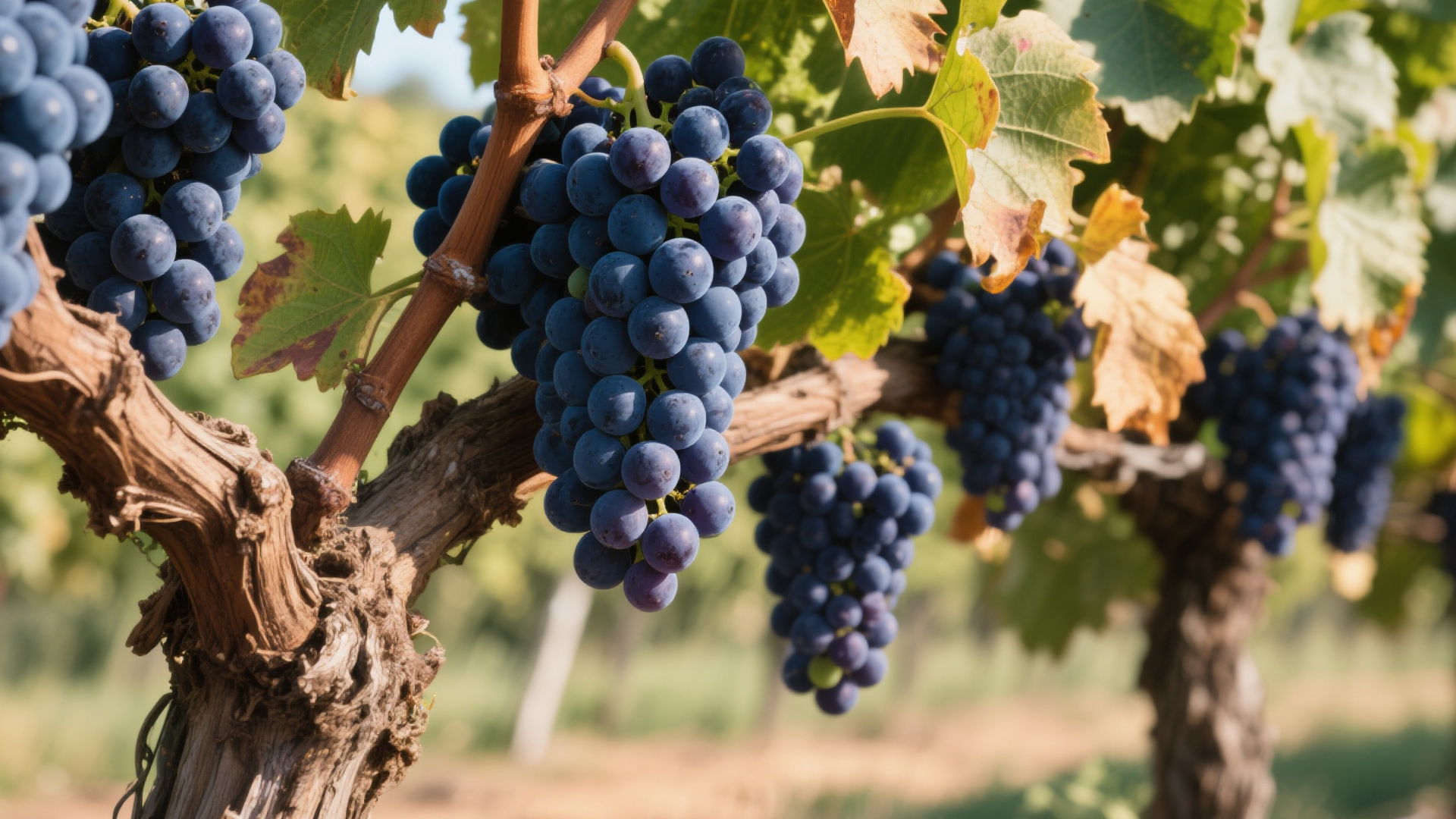
Syrah is a mid-ripening, moderately vigorous red grape variety with hardy, reliable growing traits. It produces small, compact clusters with thick, dark skins packed with tannins, color pigments, and aromatic compounds, laying the foundation for its deep color and structured profile.
The variety thrives best on steep, sun-exposed, well-drained granite and schist slopes, the signature terroir of the Northern Rhône. These low-fertility mineral soils restrict vigor, concentrate flavors, and amplify Syrah’s signature peppery and savory character. Syrah is drought-tolerant and suits warm, dry growing seasons, but requires cool nighttime temperatures to preserve acidity and spice complexity. In overly fertile flat soils, it produces excessive yields, resulting in diluted fruit, muted spice, and less structural definition. Low-yield, balanced vine growth is critical for premium quality Syrah production.
4. Flavor & Aroma Profile
Syrah features a powerful, multi-layered flavor spectrum split distinctly between Old World and New World styles. Traditional Northern Rhône Syrah delivers primary notes of blackberry, black plum, and dark cherry, paired with iconic crushed black pepper, smoky bacon, cured meat, and olive tapenade savory undertones.
New World Shiraz offers riper, jammy dark fruit including blackberry jam, blueberry, and ripe mulberry, with warmer baking spice and chocolate notes and minimal savory meaty character. On the palate, Syrah presents full body, firm grippy tannins, vibrant structured acidity, and a long concentrated finish. With oak aging, it develops vanilla, smoke, leather, and dark chocolate complexity. Aged premium Syrah evolves sophisticated tertiary notes of truffle, dried dark fruit, earth, and graphite, gaining remarkable depth and refinement over time.
5. Winemaking Style
Syrah winemaking focuses on two core stylistic directions. Old World Northern Rhône production prioritizes structured, savory, terroir-driven wines, utilizing moderate maceration and French oak aging to highlight mineral tension, peppery spice, and meaty complexity.
New World Shiraz winemaking emphasizes ripe, bold fruit, often using American oak to amplify chocolate, vanilla, and sweet spice notes, creating approachable, opulent early-drinking wines. Syrah is also the backbone of classic Southern Rhône blends, adding structure and longevity to Grenache-dominant cuvées. Basic entry-level Syrah/Shiraz is drinkable within 2–4 years, while premium single-vineyard Northern Rhône and old-vine Australian Shiraz can age gracefully for 10–20 years, developing elegant tertiary complexity.
6. Top Growing Regions
Northern Rhône, France (Old World Benchmark): Appellations including Hermitage, Côte-Rôtie, and Cornas produce the world’s most structured, savory, age-worthy Syrah. Granite schist terroirs deliver bold spice, mineral tension, and distinctive meaty complexity that define Old World Syrah excellence.
Barossa Valley, Australia (New World Core): Australia’s Barossa Valley is the global benchmark for Shiraz, famous for old-vine, full-bodied, jammy, chocolatey expressions with rich dark fruit and warm sweet spice.
Other Key Regions: California’s Central Coast, South Africa’s Stellenbosch, and Spain’s Mediterranean zones produce balanced, versatile Syrah styles bridging Old World structure and New World ripeness.
7. Food Pairing
Thanks to its full body, firm tannins, bold spice, and savory depth, Syrah pairs perfectly with hearty, smoky, and fatty savory dishes. Classic pairings include grilled and roasted red meats, braised beef, lamb shank, smoked brisket, and spicy sausages, with its tannins cutting through rich fat and its spice complementing savory charred flavors.
Old World savory Syrah excels with game meats, mushroom stews, and aged hard cheeses. Ripe New World Shiraz pairs beautifully with barbecue, spicy chili, and seasoned roasted vegetables. Its bold profile overwhelms light seafood and delicate salads, making hearty savory cuisine its ideal culinary match.
8. Similar Variety Comparison
Syrah vs. Cabernet Sauvignon: Cabernet Sauvignon features blackcurrant, cedar, mint, and strong graphite minerality with rigid, structured tannins. Syrah offers meaty, peppery, smoky savory complexity, juicier dark fruit, and slightly softer tannins, with a warmer, spicier, more rustic personality.
Syrah vs. Zinfandel: Zinfandel is defined by bright jammy berry, bold black pepper, and juicy fruit-forward sweetness with soft tannins. Syrah has deeper darker fruit, prominent savory meaty notes, firmer structure, higher acidity, and far superior aging potential, offering more serious layered complexity.
9. Summary
Syrah (also known as Shiraz) is an iconic full-bodied noble red grape celebrated for its extraordinary stylistic range, bold dark fruit, signature peppery spice, and unique savory meaty complexity. As the king of the Northern Rhône and Australia’s flagship variety, it produces both terroir-focused age-worthy fine wines and rich approachable everyday reds. Balancing powerful structure, vibrant acidity, and evolving tertiary depth, Syrah remains one of the most versatile, flavorful, and cellar-worthy red wine grapes in global viticulture.
© Copyright Notice
All articles are copyrighted by the authors; no reproduction without permission.
THE END


No comments yet