


Name & International Aliases
Zinfandel is the widely recognized international market name for this historic red grape variety. It is known as 仙粉黛 in Chinese-speaking wine regions. In its native European origin zones, the grape is formally identified as Crljenak Kaštelanski in Croatia and Primitivo in southern Italy. These regional aliases reflect the grape’s transatlantic migration history and long-standing global cultivation footprint.
1. Introduction
Zinfandel is a charismatic, high-energy red wine grape most famously celebrated as California’s signature heritage variety. Long believed to be a uniquely American cultivar, genetic research confirmed its Eastern European roots, yet it has evolved a distinct identity in New World terroirs. Valued for its incredible fruit intensity, flexible ripening traits, and versatile winemaking potential, Zinfandel produces styles ranging from light, fruity blush wines to powerful, full-bodied, age-worthy reds. It stands out for its bright jammy fruit, spicy pepper undertones, and naturally high sugar levels, delivering unapologetically bold and approachable flavor profiles beloved by casual drinkers and collectors alike.
2. Origin & History
Zinfandel’s true origin traces back to coastal Croatia, where the native variety Crljenak Kaštelanski has grown for centuries. The grape migrated to southern Italy, where it became known as Primitivo, named for its early ripening habit. In the 19th century, European immigrants brought cuttings to the United States, where the grape was mislabeled and eventually popularized under the name Zinfandel.
Through the 1900s, Zinfandel became the most widely planted red grape in California, thriving across diverse inland and coastal vineyards. It survived phylloxera epidemics and Prohibition, cementing its status as America’s “heritage grape”. DNA profiling in the 1990s officially confirmed Zinfandel, Primitivo, and Crljenak Kaštelanski as genetically identical, resolving decades of origin mystery. Today, California remains the global heart of Zinfandel production, defining the variety’s modern international reputation.
3. Viticulture Characteristics
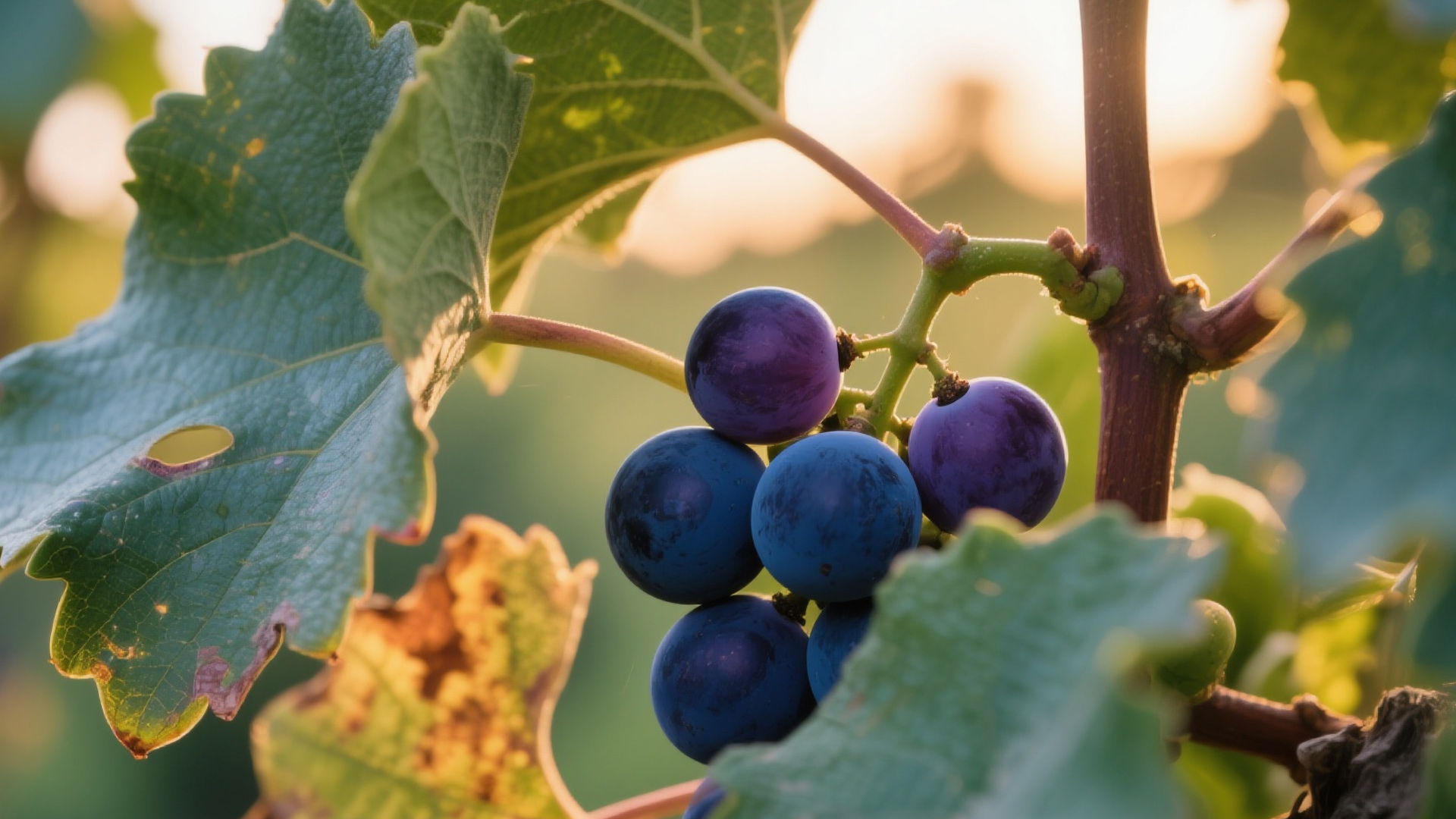
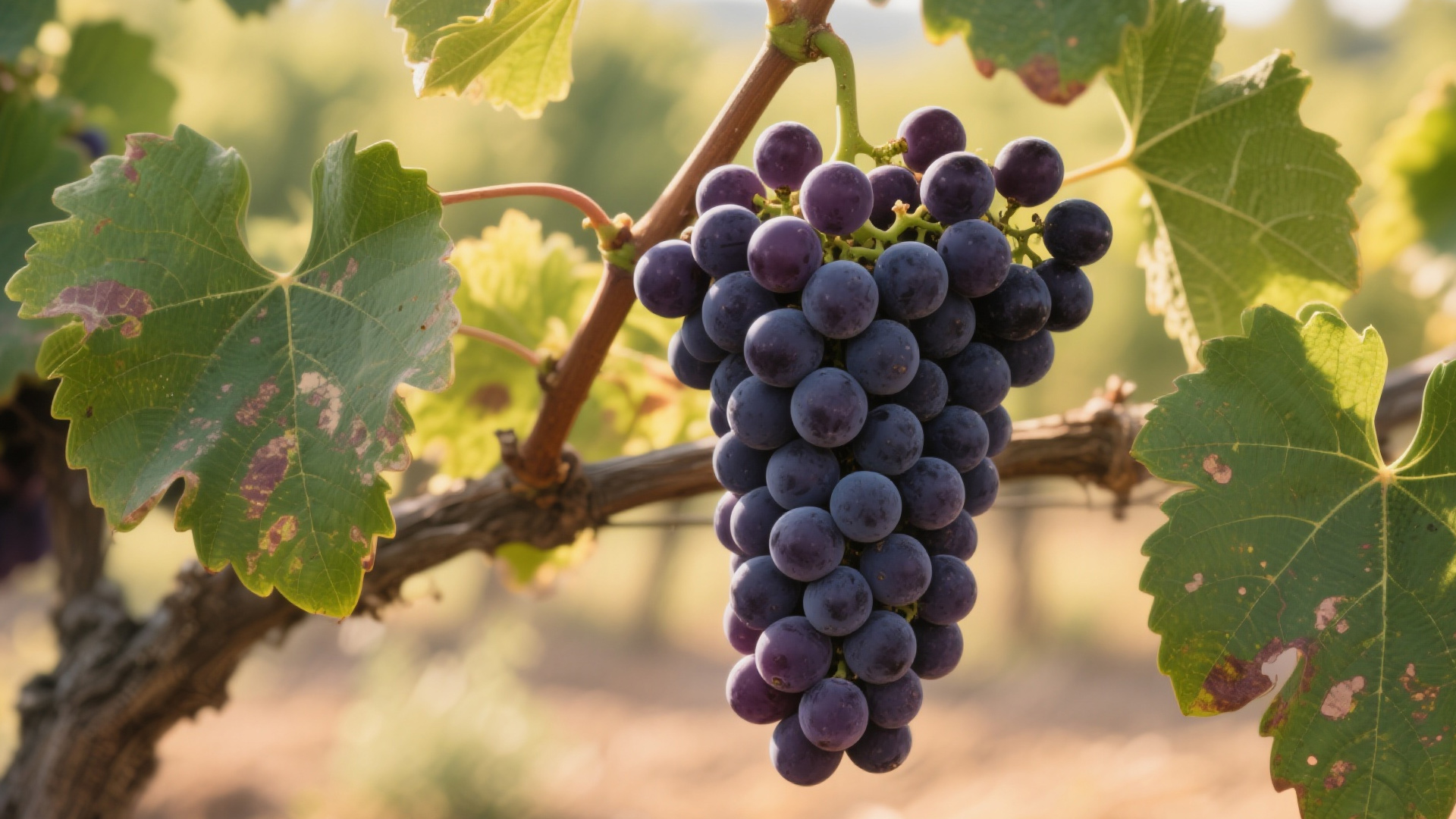
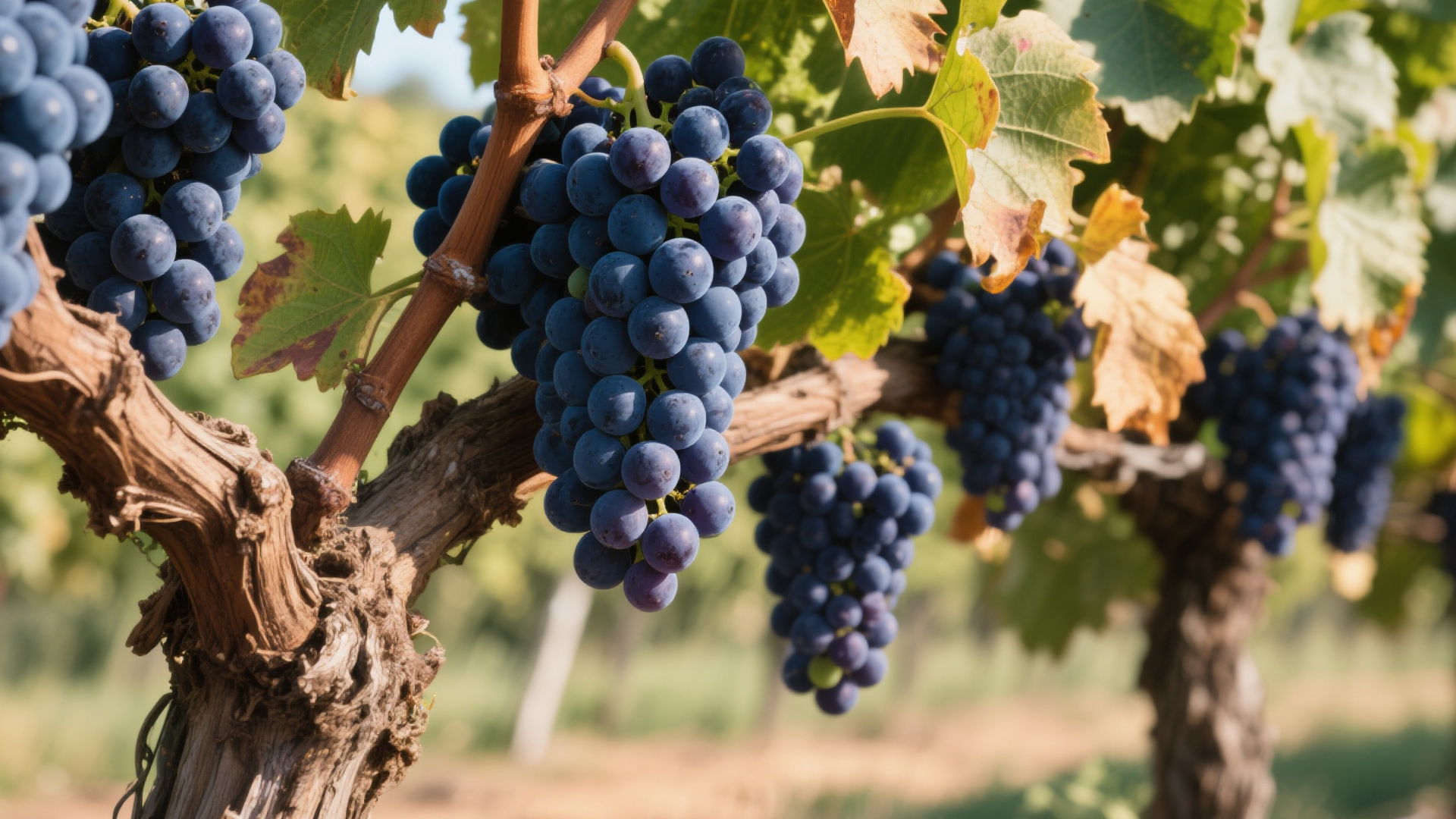
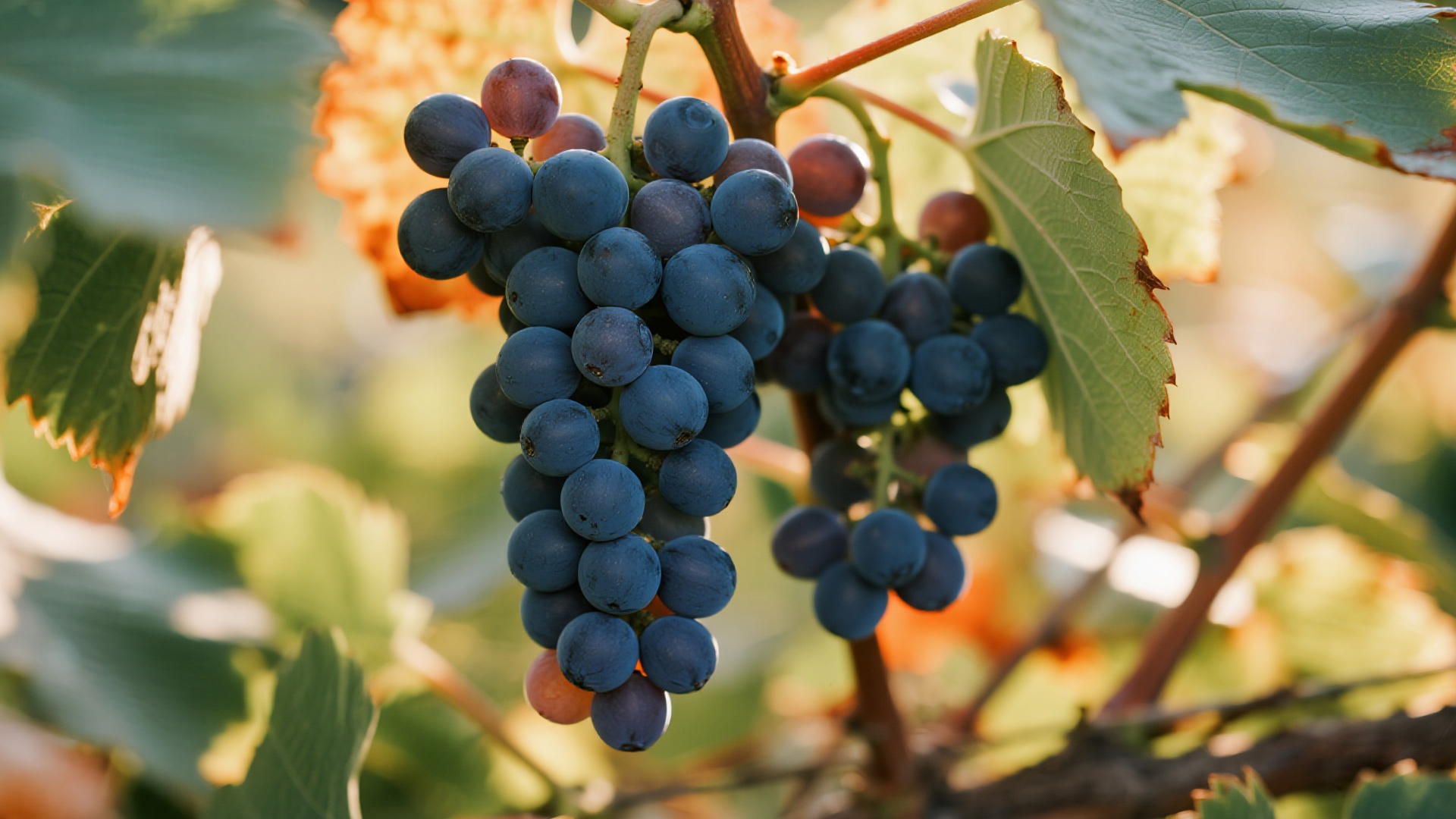
Zinfandel is a vigorous, early-ripening red grape variety with highly adaptable growing traits. It produces medium-sized, loose clusters with thin-to-medium thick skins and uneven berry ripening—a signature viticultural feature. A single cluster often contains fully ripe, underripe, and raisined berries simultaneously, creating unique flavor complexity but requiring careful harvest timing.
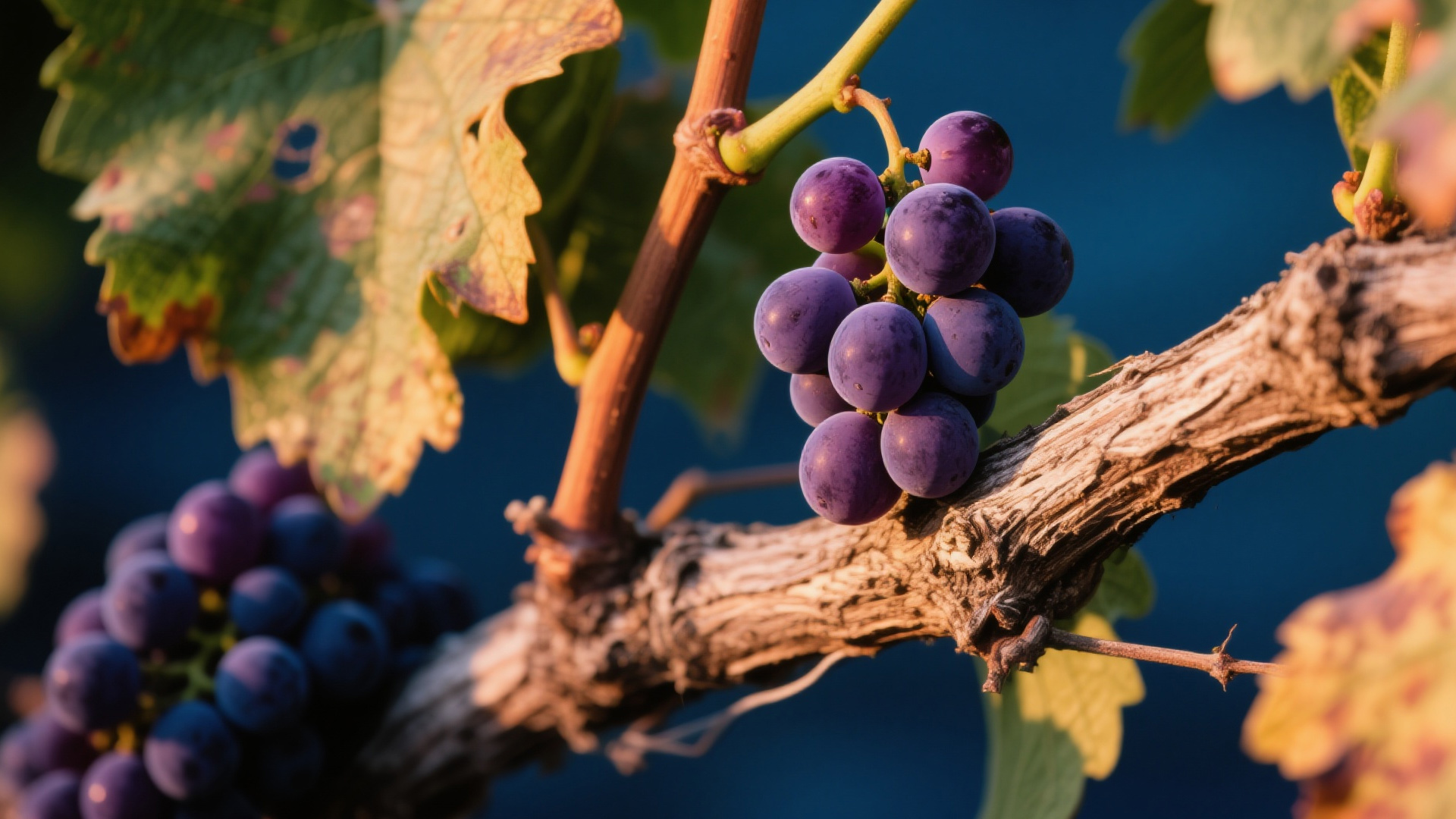
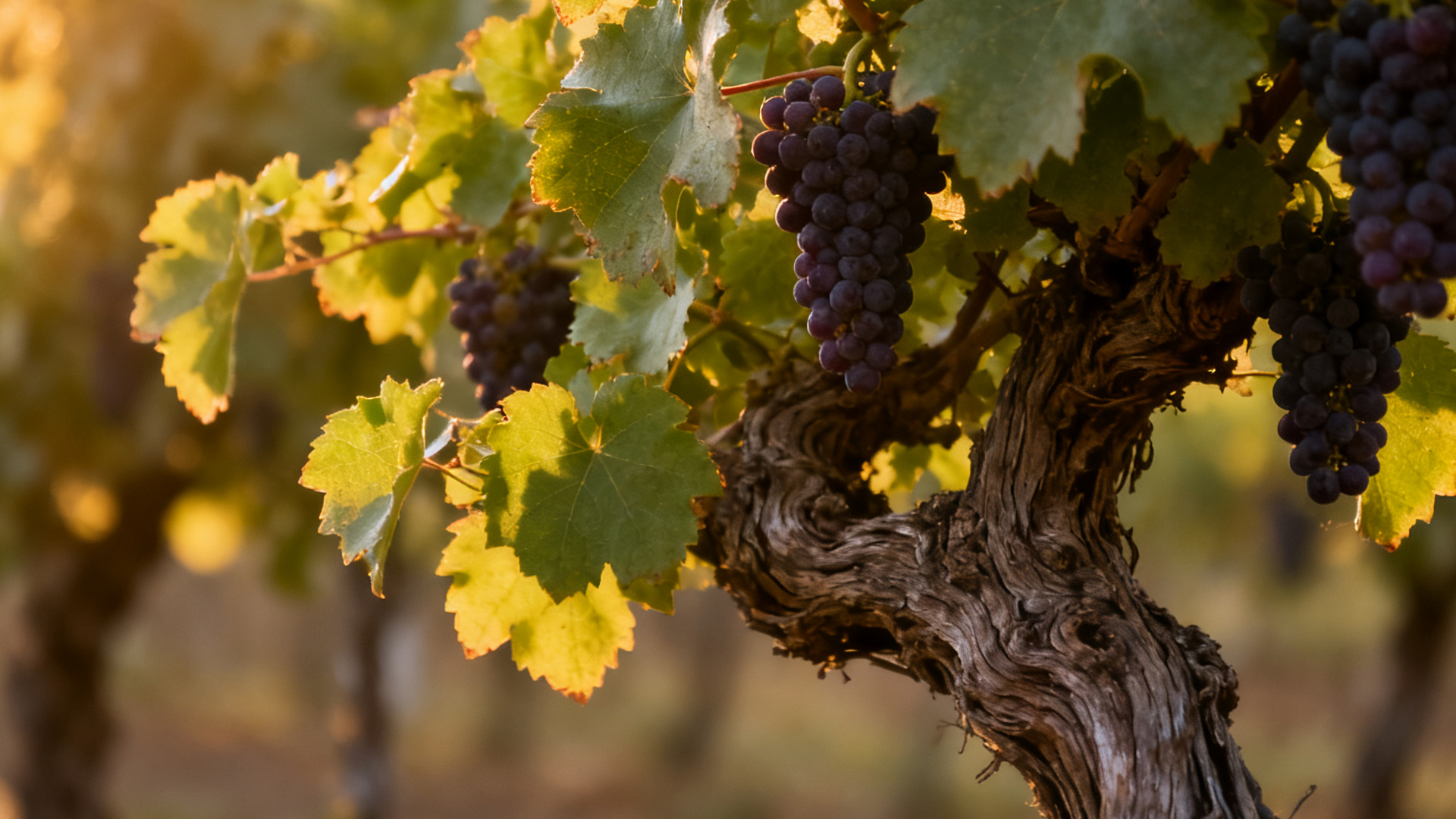
This variety thrives in warm, sunny, dry climates with well-drained soils, including rocky, loam, and volcanic terrains. It demonstrates strong drought tolerance and excellent resilience in hot New World growing conditions. Zinfandel’s uneven ripening creates dual flavors of fresh bright fruit and concentrated dried berry jam. Strict yield control and canopy management are critical to avoiding over-ripeness, excessive alcohol, and diluted structure. Old-vine Zinfandel plantings produce low yields with exceptional depth and concentration, representing the variety’s highest-quality expression.
4. Flavor & Aroma Profile
Zinfandel delivers a rich, bold, and fruit-forward flavor profile defined by ripe jammy red and dark berry notes. Youthful red Zinfandel features dominant aromas of blackberry, raspberry, black cherry, and blueberry jam, paired with prominent warm black pepper, cinnamon, and clove spice undertones. Subtle floral and herbal hints add layers to its vibrant primary fruit character.
With oak aging, the wine develops secondary notes of vanilla, mocha, dark chocolate, and toasted spice. On the palate, Zinfandel offers medium to full body, naturally high alcohol, soft ripe tannins, and moderately bright acidity. The most recognizable trait is its juicy, jammy fruit sweetness without residual sugar. Aged premium Zinfandel evolves earthy, leather, and dried fruit tertiary complexity, softening its youthful boldness into smooth, layered richness.
5. Winemaking Style
Zinfandel is one of the most versatile wine grapes in the world, crafted into multiple distinct styles. In California, it is famously made into dry full-bodied red wines, semi-sweet White Zinfandel blush wines, and late-harvest fortified-style expressions. Red Zinfandel winemaking focuses on capturing bold fruit concentration and spicy complexity through controlled maceration and warm fermentation.
Most premium red Zinfandel ages in American oak barrels, which amplify sweet vanilla, coconut, and baking spice tones that complement its jammy fruit core. Old-vine bottlings often utilize extended maceration and moderate oak aging to enhance depth and structure. White Zinfandel is made via short skin contact and cold fermentation, preserving pale color and fresh fruity sweetness. Zinfandel has solid aging potential; entry-level wines are drinkable within 2–4 years, while old-vine, single-vineyard cuvées can age beautifully for 8–12 years, developing sophisticated tertiary flavors.
6. Top Growing Regions
California, USA (Global Benchmark): California is the undisputed home of premium Zinfandel, with iconic regions including Napa Valley, Sonoma County, Lodi, and Paso Robles. Lodi’s old-vine Zinfandel represents the most classic and concentrated style, offering bold jammy fruit, spicy complexity, and remarkable depth. Coastal and inland California terroirs produce diverse styles ranging from elegant and balanced to powerful and rich.
Southern Italy (Primitivo): Apulia in southern Italy grows the genetically identical Primitivo grape, producing structured, earthy, and spice-forward wines with tighter tannins and less jammy sweetness than California Zinfandel.
Minor Global Plantings: Small commercial plantings exist in Australia, South Africa, and Chile. These New World expressions typically offer ripe fruit profiles and soft textures, similar to California’s approachable style but with less regional definition.
7. Food Pairing
Thanks to its juicy fruit richness, soft tannins, warm spice, and high alcohol, Zinfandel pairs excellently with bold, smoky, and slightly sweet savory dishes. Classic pairings include grilled barbecue meats, smoked brisket, pork ribs, spicy sausage, and roasted lamb. Its fruity sweetness balances smoky and mildly spicy flavors perfectly, making it a top choice for American-style barbecue cuisine.
Zinfandel also complements aged medium-bodied cheeses, mushroom dishes, hearty tomato-based pastas, and seasoned stews. Light seafood and delicate desserts are not ideal matches, as the wine’s bold fruit and spice can overpower subtle flavors. White Zinfandel pairs well with light salads, fresh fruits, and mild appetizers for casual, light drinking occasions.
8. Similar Variety Comparison
Zinfandel vs. Syrah: Both are bold, spicy, full-bodied red grapes with warm-climate adaptability. Syrah features prominent black olive, smoky, and meaty savory notes with firmer tannins. Zinfandel leans heavily into jammy red and dark berry fruit with bright peppery spice and softer, juicier texture, offering a more approachable, fruit-forward profile.
Zinfandel vs. Cabernet Sauvignon: Cabernet Sauvignon delivers structured tannins, herbal cedar notes, and restrained fruit with strong aging potential. Zinfandel is far fruitier, juicier, spicier, and less tannic, prioritizing immediate drinkability and bold upfront flavors rather than long-term cellaring complexity.
9. Summary
Zinfandel is a uniquely versatile, bold, and fruit-driven red wine grape that defines American New World wine culture. Rooted in Eastern European heritage yet perfected in California’s sun-rich terroirs, it is celebrated for its jammy berry intensity, distinctive black pepper spice, soft tannins, and multiple winemaking styles. From popular blush wines to age-worthy old-vine reds, Zinfandel offers accessible pleasure and unexpected depth. It is the ideal choice for wine lovers seeking bold, juicy, spicy, and uncomplicated full-bodied red wines with unique regional character.
© Copyright Notice
All articles are copyrighted by the authors; no reproduction without permission.
THE END


No comments yet