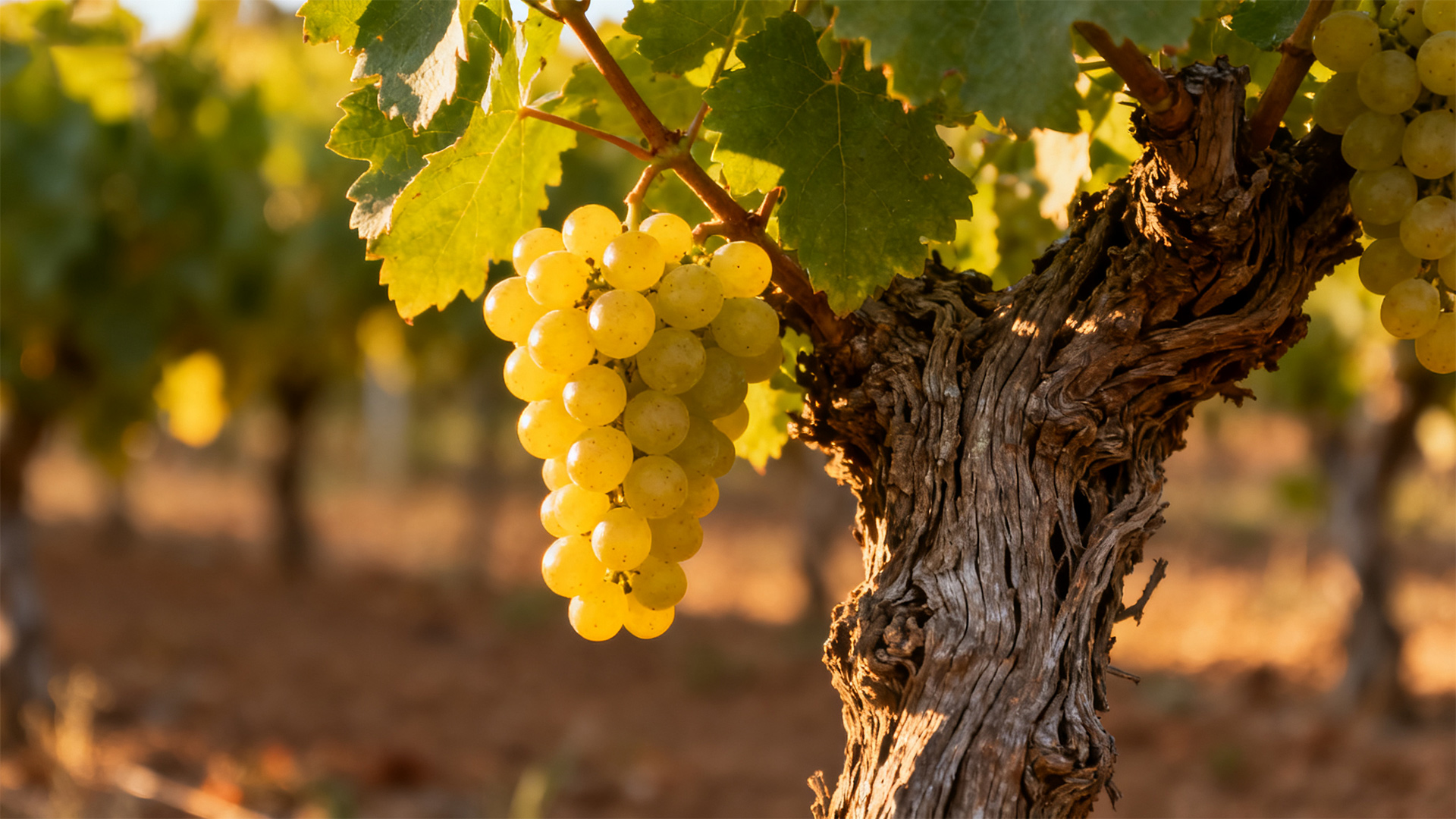



Name & International Aliases
Chardonnay is the globally recognized official name of this prestigious noble white wine grape. It is known as 霞多丽 in Chinese-speaking wine markets. The variety takes its name from the small village of Chardonnay in Burgundy, France, with no major universal synonyms, maintaining consistent naming standards across all international wine regions.
1. Introduction
Chardonnay is the most widely planted and internationally celebrated noble white wine grape, originating from France’s Burgundy region. Renowned for its extreme versatility and terroir sensitivity, it produces vastly distinct wine styles ranging from crisp, mineral-driven unoaked cuvées to rich, buttery, oak-aged luxury wines. Unlike aromatic white grapes defined by fixed fruity or floral traits, Chardonnay acts as a pure reflection of soil, climate, and winemaking technique, offering incredible stylistic diversity. Accessible for everyday drinking yet capable of decades of aging in premium forms, it remains the benchmark for fine white wine quality across the globe.
2. Origin & History
Chardonnay originates from the Burgundy region in eastern France, with documented cultivation dating back over a millennium. As a core member of Burgundy’s noble grape lineup, it quickly became the region’s dominant white variety, shaping the reputation of world-famous appellations including Chablis, Côte de Beaune, and Champagne.
Historically exclusive to French terroirs for centuries, Chardonnay expanded globally in the late 20th century, becoming a staple in every major wine-producing country. Its unmatched adaptability allowed it to thrive in cool, moderate, and warm climates alike, spawning New World styles that contrasted sharply with traditional Burgundian expressions. Beyond still table wines, Chardonnay serves as the primary white grape in classic Champagne blends, solidifying its status as the most commercially and critically important white grape in modern viticulture.
3. Viticulture Characteristics
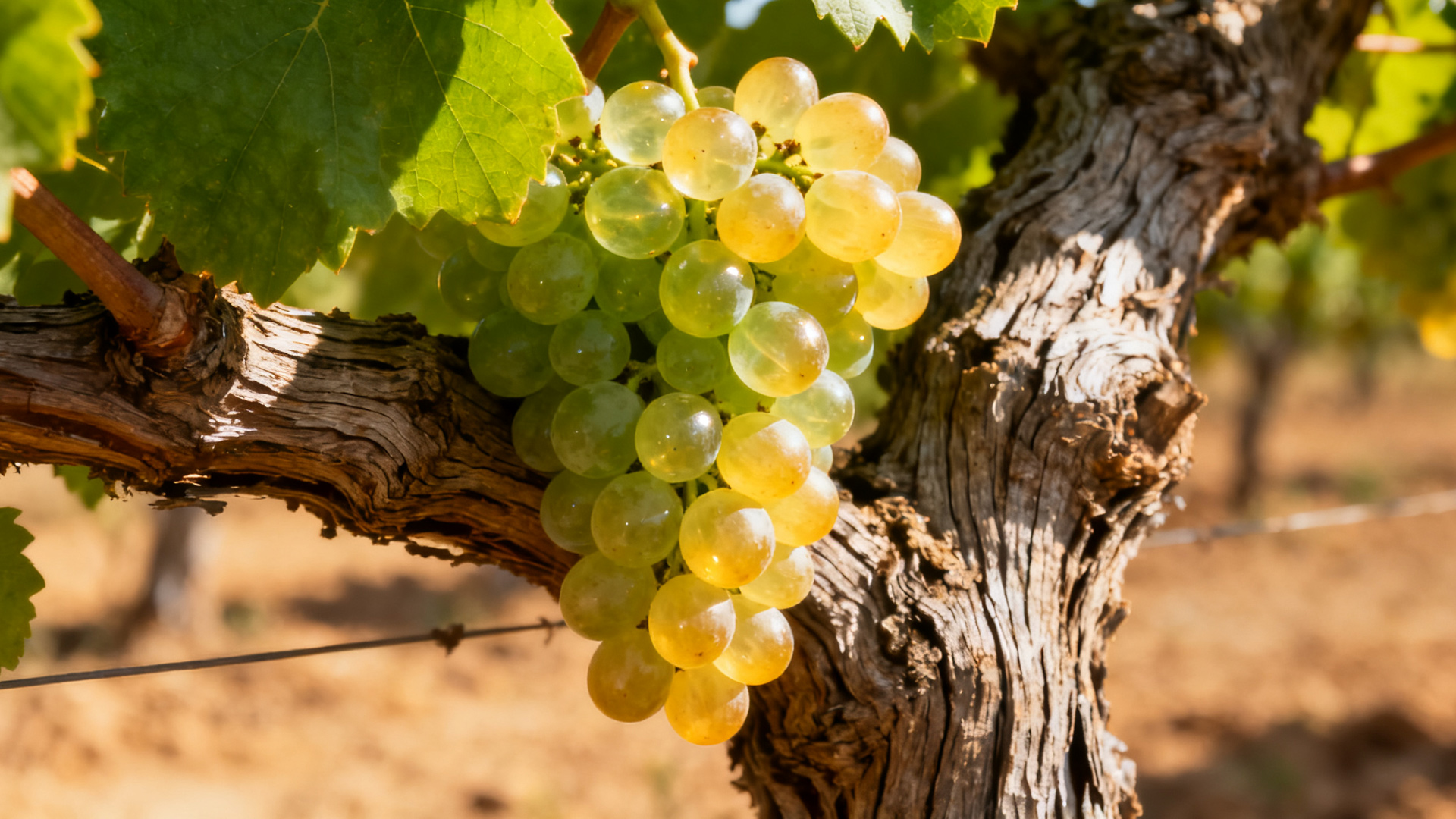
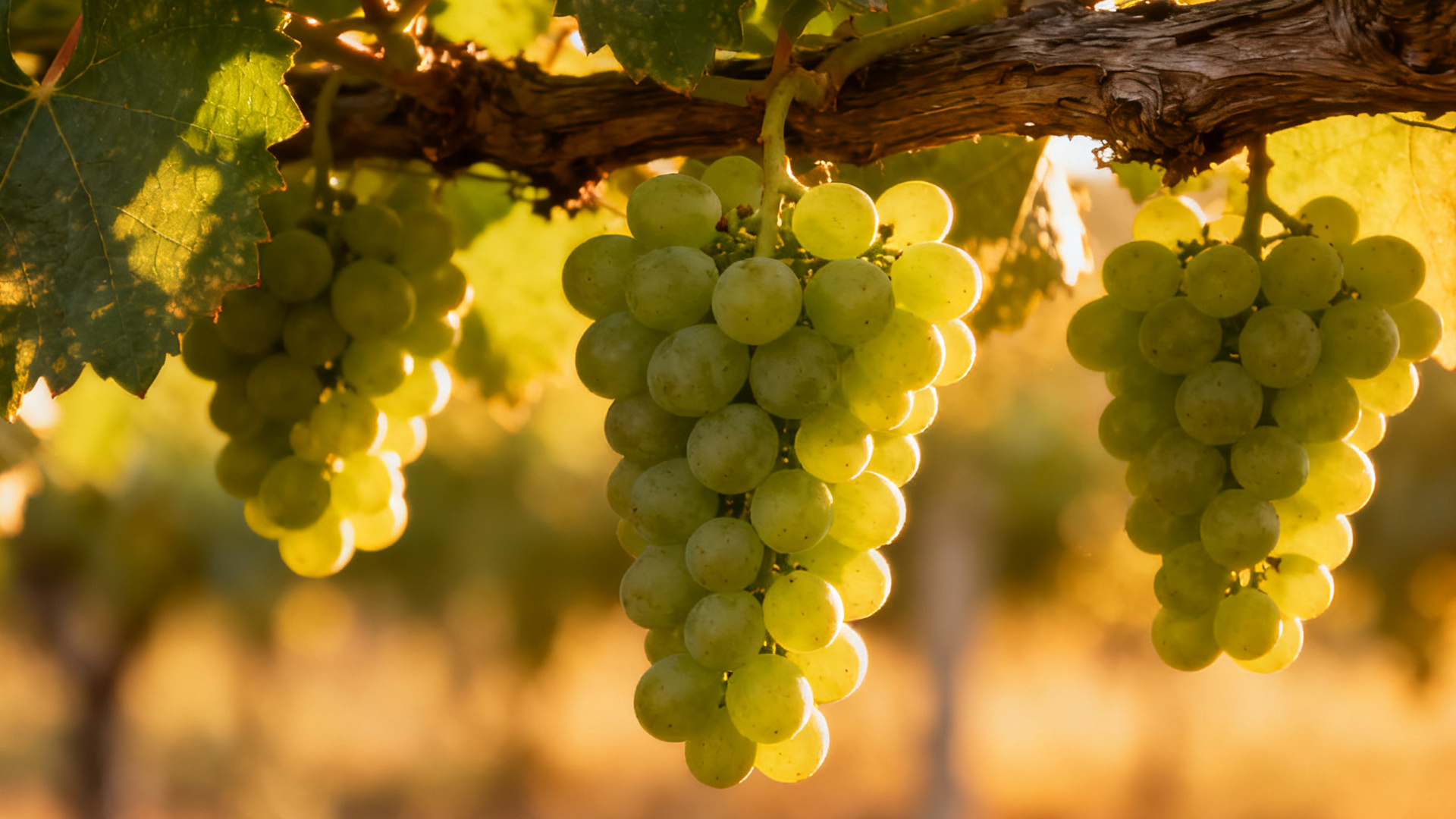
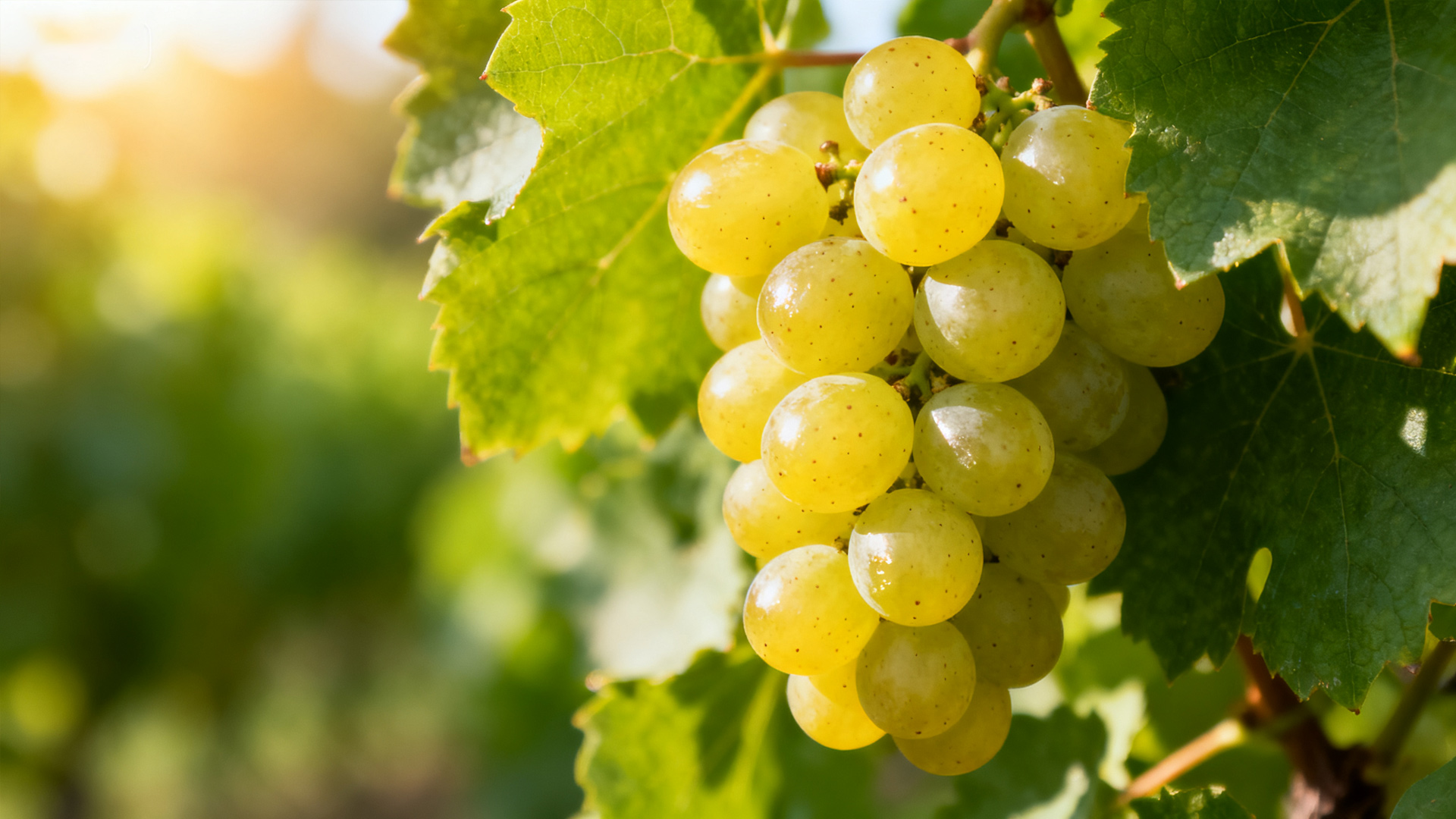
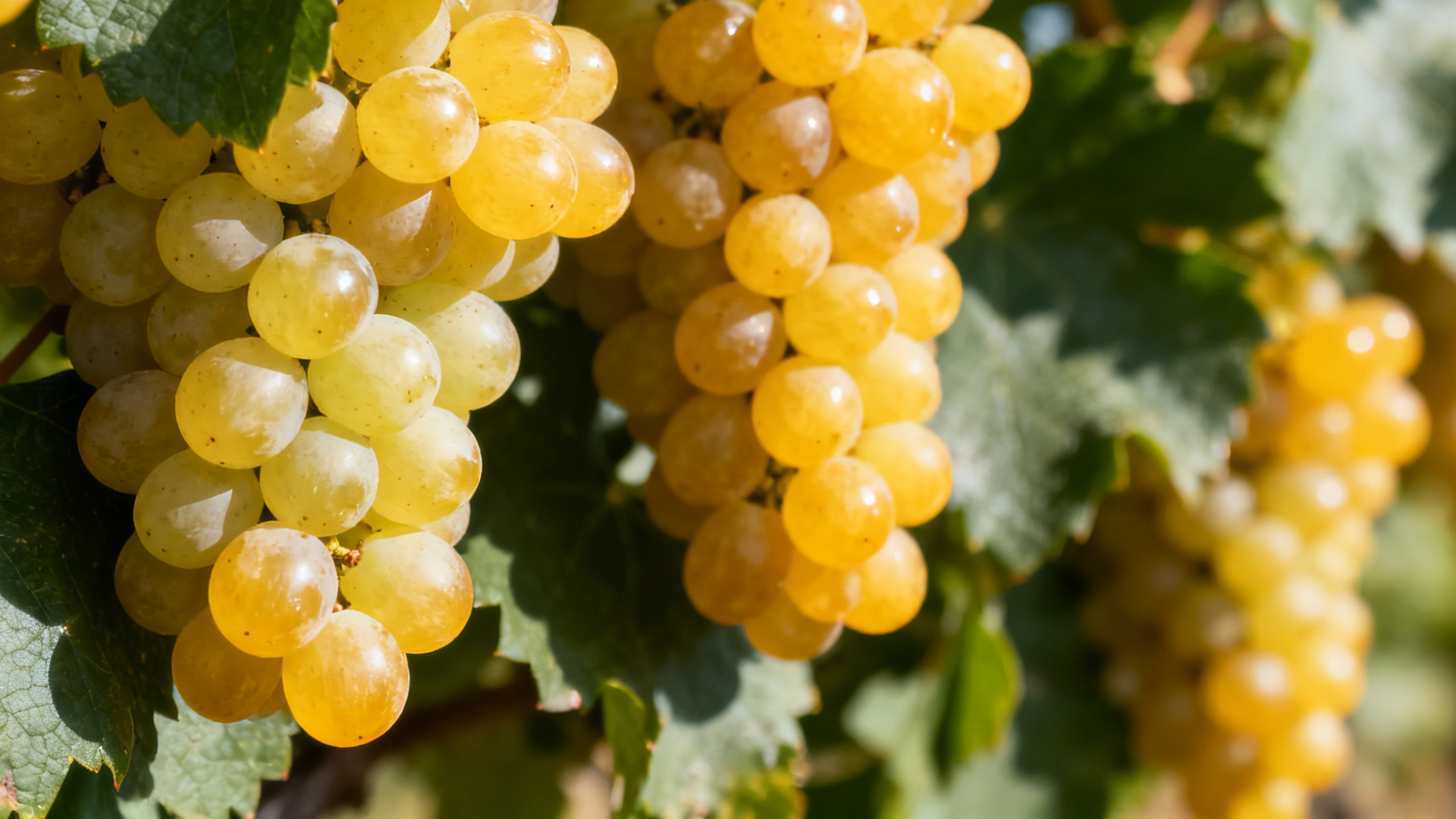
Chardonnay is an early-ripening, vigorous, and highly resilient white grape variety with strong environmental adaptability. It produces medium-sized, compact clusters with thin, delicate skins and demonstrates excellent cold resistance, allowing it to thrive in cool marginal climates where other premium white grapes fail to ripen reliably.
The variety’s flavor profile is overwhelmingly shaped by terroir and harvest conditions. In cool climates, it retains bright, razor-sharp acidity and subtle green fruit characteristics. In warmer regions, it accumulates ripe stone and tropical fruit richness with softer acidity. Chardonnay performs exceptionally well on limestone, chalk, and clay soils, which amplify mineral tension and structural balance. It is a low-aromatic, neutral variety by nature, meaning vineyard management and winemaking choices directly define its final flavor complexity and textural style.
4. Flavor & Aroma Profile
Chardonnay’s flavor spectrum varies drastically based on climate and aging method, with two core stylistic identities. Cool-climate, unoaked Chardonnay features bright primary notes of green apple, citrus zest, pear, and subtle flinty minerality, paired with vibrant, refreshing acidity and clean, pure fruit character.
Warm-climate and oak-aged Chardonnay develops rich ripe stone fruit, pineapple, and melon notes, layered with signature secondary flavors of vanilla, baked butter, caramel, and toasted spice from oak fermentation and aging. On the palate, unoaked styles offer light-medium body, crisp acidity, and a clean mineral finish. Oaked premium expressions deliver medium-full body, creamy texture, and a smooth, lush palate. With bottle aging, fine Burgundian Chardonnay evolves tertiary notes of hazelnut, honey, wax, and earthy minerality, gaining remarkable layered complexity.
5. Winemaking Style
Chardonnay’s global popularity stems from its unparalleled stylistic flexibility, split into two dominant winemaking categories. Unoaked, stainless steel-fermented Chardonnay prioritizes pure fruit brightness, crisp acidity, and terroir-driven minerality, crafted for early, refreshing consumption.
Traditional premium winemaking utilizes French oak fermentation and aging, often with malolactic fermentation and lees stirring to build creaminess, depth, and buttery complexity. This method creates structured, rich wines with outstanding aging potential. Chardonnay is also the backbone of traditional Champagne sparkling wine production, valued for its bright acidity and elegant structure. Basic entry-level Chardonnay drinks well within 1–3 years, while premium single-vineyard Burgundy and cool-climate reserve bottlings can age gracefully for 10–20 years, developing sophisticated tertiary nuances.
6. Top Growing Regions
Burgundy, France (Old World Benchmark): Burgundy delivers the world’s most terroir-expressive Chardonnay. Cool limestone-driven terroirs produce mineral-rich, structured, age-worthy wines, with Chablis specializing in ultra-crisp, flinty expressions and Côte de Beaune offering creamy, complex oak-aged fine wines.
California & Oregon, USA (New World Icons): California’s Napa and Sonoma craft rich, buttery, full-bodied oaked Chardonnay with ripe tropical fruit notes, while Oregon produces cooler, balanced, mineral-forward styles bridging Old and New World characteristics.
Other Key Global Regions: Australia, New Zealand, and Chile produce approachable, fruit-forward Chardonnay for everyday drinking, while South Africa offers balanced, citrus-driven cool-climate expressions with subtle mineral tension.
7. Food Pairing
Chardonnay’s dual stylistic identities deliver versatile food-pairing capabilities. Crisp, unoaked Chardonnay pairs perfectly with fresh oysters, shellfish, steamed white fish, green salads, and light vegetable dishes, with its bright acidity complementing briny and fresh flavors.
Rich, oaked, buttery Chardonnay excels with roasted chicken, grilled seafood, lobster, creamy pasta sauces, risotto, and soft creamy cheeses. Its lush texture and subtle vanilla-butter notes harmonize beautifully with rich, savory, and buttery culinary profiles. Heavy spicy dishes and intensely sweet desserts are not ideal, as they overpower or clash with the wine’s balanced, refined character.
8. Similar Variety Comparison
Chardonnay vs. Sauvignon Blanc: Sauvignon Blanc is intensely aromatic, featuring grassy, citrus, and tropical notes with sharp, zesty acidity and light lean texture. Chardonnay is neutral-fruited, texturally versatile, and far less herbaceous, offering richer body, creamier texture, and superior aging potential with greater terroir and winemaking flexibility.
Chardonnay vs. Pinot Gris: Pinot Gris focuses on upfront stone fruit, soft spice, and creamy sweetness with moderate acidity. Chardonnay offers brighter structural acidity, purer mineral definition, and wider stylistic range, ranging from lean and crisp to luxuriously rich, with more elegant aging complexity.
9. Summary
Chardonnay is the world’s most versatile and influential noble white wine grape, celebrated for its extraordinary adaptability, terroir expressiveness, and dual stylistic personality. Capable of producing crisp, mineral-driven everyday wines and luxurious, age-worthy oak-aged fine wines, it dominates both Old World and New World wine markets. Balancing approachable fruit purity, textural depth, and sophisticated aging potential, Chardonnay caters to casual wine drinkers and fine wine collectors alike, solidifying its timeless status as a global white wine benchmark.
© Copyright Notice
All articles are copyrighted by the authors; no reproduction without permission.
THE END


No comments yet