


Name & International Aliases
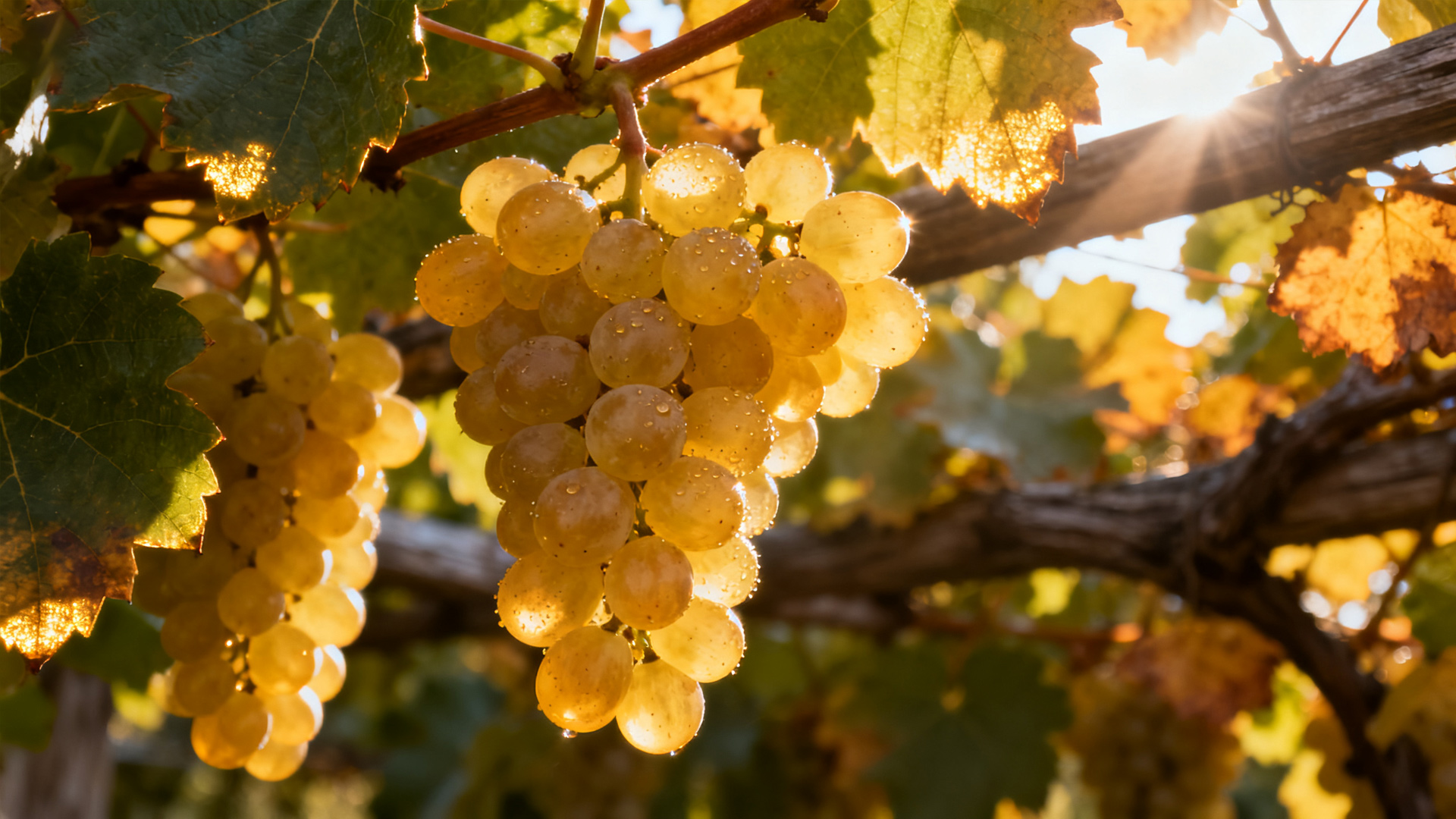
Muscat is the universal international umbrella name for one of the largest and oldest grape families in viticulture. It is known as 麝香葡萄 in Chinese-speaking wine markets. Regional variations carry specific aliases, including Muscat Blanc à Petits Grains, Muscat of Alexandria, and Moscato in Italian-speaking regions, all belonging to the broader Muscat genetic group.
1. Introduction
Muscat refers to a diverse family of ancient, highly aromatic white and red wine grape varieties cultivated across the globe. Unlike neutral or herbaceous wine grapes, Muscat is famous for its unmistakable fresh “grape candy” aroma and floral sweetness, offering the most direct and fruity expression of any wine variety. Produced in dry, off-dry, sparkling, and luscious dessert styles, Muscat wines are universally recognizable for their bright perfume, low tannins, and approachable character. As one of humanity’s oldest domesticated wine grapes, it bridges ancient winemaking traditions and modern casual wine culture, beloved for its inviting, uncomplicated aromatic charm.
2. Origin & History
Muscat is widely regarded as one of the oldest known wine grape families, with origins tracing back over 2,000 years to the Eastern Mediterranean, spanning ancient Greece, Rome, and Mesopotamia. Historical winemaking records confirm Muscat was a staple fruit and wine source in ancient civilizations, valued for its naturally sweet, aromatic berries.
Over centuries, Muscat spread throughout the Mediterranean, Europe, and beyond, evolving into numerous regional clones and sub-varieties. Muscat Blanc à Petits Grains is considered the finest and oldest clone, while Muscat of Alexandria is a higher-yielding, widely planted commercial variant. In modern times, Italian Moscato d’Asti and French Muscat de Beaumes-de-Venise have propelled Muscat to global popularity, making it one of the most consumed aromatic wine styles worldwide.
3. Viticulture Characteristics
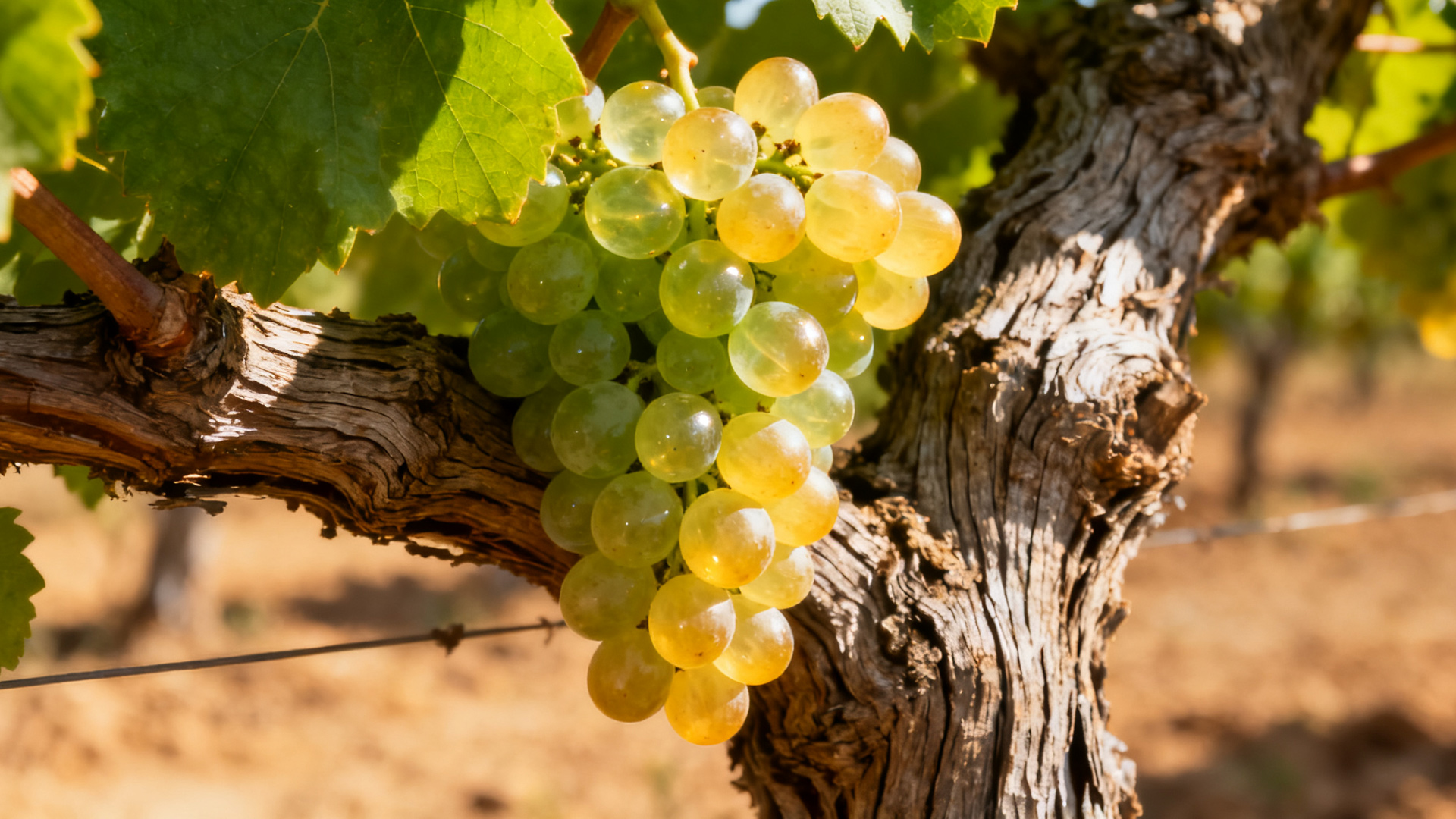
Muscat vines demonstrate strong adaptability and vigorous growth, thriving in warm, sunny Mediterranean climates with low humidity. Different Muscat clones feature varying berry sizes, with premium small-berried Muscat Blanc offering concentrated flavors, while larger-berried variants deliver lighter, more diluted fruit profiles.
The variety is early to mid-ripening, requiring ample sunlight to fully develop its signature floral and fruity aromatic compounds. It performs best on well-drained limestone, sandy, and alluvial soils that prevent excess water retention and concentrate fruit character. Muscat is highly susceptible to over-ripening, which can diminish bright floral notes and create heavy, jammy flavors. Careful harvest timing is critical to preserving its delicate perfume, bright freshness, and balanced sweetness.
4. Flavor & Aroma Profile
Muscat’s defining feature is its pure, vivid fresh grape aroma—unique among all wine grapes. Youthful Muscat wines offer explosive primary notes of fresh table grape, pear, ripe citrus, and white stone fruit, layered with jasmine, orange blossom, and sweet floral perfume.
Premium expressions display subtle tropical hints and delicate herbal undertones, while botrytized Muscat develops rich honey, dried apricot, and candied citrus complexity. On the palate, Muscat typically presents light to medium body, bright refreshing acidity, little to no tannin, and a clean, aromatic finish. Dry Muscat styles showcase crisp fruit purity, while sweet and sparkling versions highlight lush, fruity sweetness without heavy cloyingness. Aged Muscat develops nutty and tertiary dried fruit layers, retaining its signature aromatic charm.
5. Winemaking Style
Muscat is extremely versatile, crafted into a wide spectrum of wine styles tailored to regional traditions. In Italy, it is famously made into lightly sparkling, low-alcohol Moscato d’Asti, focused on bright floral fruitiness and easy drinkability. In Southern France, Muscat produces rich fortified and late-harvest sweet wines with concentrated honeyed depth.
Most entry-level Muscat wines use cold fermentation in stainless steel tanks to lock in fresh floral and fruity aromas, avoiding oak aging that can mask its delicate perfume. Premium still and sweet Muscat may see subtle neutral oak or lees stirring to add gentle texture. The variety has limited aging potential for basic styles, best enjoyed within 1–2 years, while high-quality fortified and botrytized Muscat can age gracefully for 5–10 years, developing sophisticated tertiary complexity.
6. Top Growing Regions
Piedmont, Italy (Moscato Benchmark): Piedmont’s Asti appellation produces the world’s most famous sparkling Muscat wines. Cool alpine-influenced climates create low-alcohol, intensely floral, fresh Moscato d’Asti that defines the global Muscat style standard.
Southern Rhône, France: Regions like Beaumes-de-Venise specialize in rich, aromatic fortified Muscat dessert wines, showcasing concentrated honey and stone fruit complexity with excellent aging potential.
Mediterranean & New World Regions: Spain, Greece, Australia, and California grow abundant Muscat, producing approachable dry, off-dry, and sweet styles focused on fresh, fruity, everyday drinkability.
7. Food Pairing
Thanks to its bright floral aromas, refreshing acidity, and flexible sweetness levels, Muscat offers diverse food pairing options. Light sparkling Moscato pairs beautifully with fresh fruit desserts, macarons, vanilla pastries, and light creamy desserts, balancing sweetness with vibrant acidity.
Dry Muscat complements light seafood, fresh salads, soft cheeses, and herbal vegetable dishes. Sweet fortified Muscat pairs excellently with blue cheese, foie gras, dried fruits, and nutty desserts. Notably, Muscat is one of the few white wines that pairs well with mildly spicy Asian cuisine, as its subtle sweetness offsets heat and enhances aromatic balance.
8. Similar Variety Comparison
Muscat vs. Riesling: Both are highly aromatic, high-acid, multi-style white grapes. Riesling features lime, stone fruit, and signature petrol notes with prominent mineral tension. Muscat prioritizes pure fresh grape and floral perfume, with softer mineral definition and more upfront fruity sweetness, lacking Riesling’s structured aging complexity.
Muscat vs. Viognier: Viognier delivers opulent tropical fruit, powerful perfume, and low acidity with a rich, lush texture. Muscat has brighter acidity, lighter body, cleaner floral-fruity precision, and less heaviness, offering a fresher, more approachable aromatic profile.
9. Summary
Muscat is an iconic ancient aromatic grape family celebrated for its one-of-a-kind fresh grape and floral character, unmatched by any other wine variety. Capable of producing crisp dry still wines, delicate sparkling cuvées, and luxurious sweet dessert wines, it boasts extraordinary stylistic versatility. Loved for its inviting aroma, bright acidity, and approachable sweetness, Muscat suits casual everyday drinking and classic dessert wine occasions alike. It remains an essential, timeless variety in global viticulture for wine lovers seeking intensely aromatic, fruity, and refreshing white wines.
© Copyright Notice
All articles are copyrighted by the authors; no reproduction without permission.
THE END


No comments yet