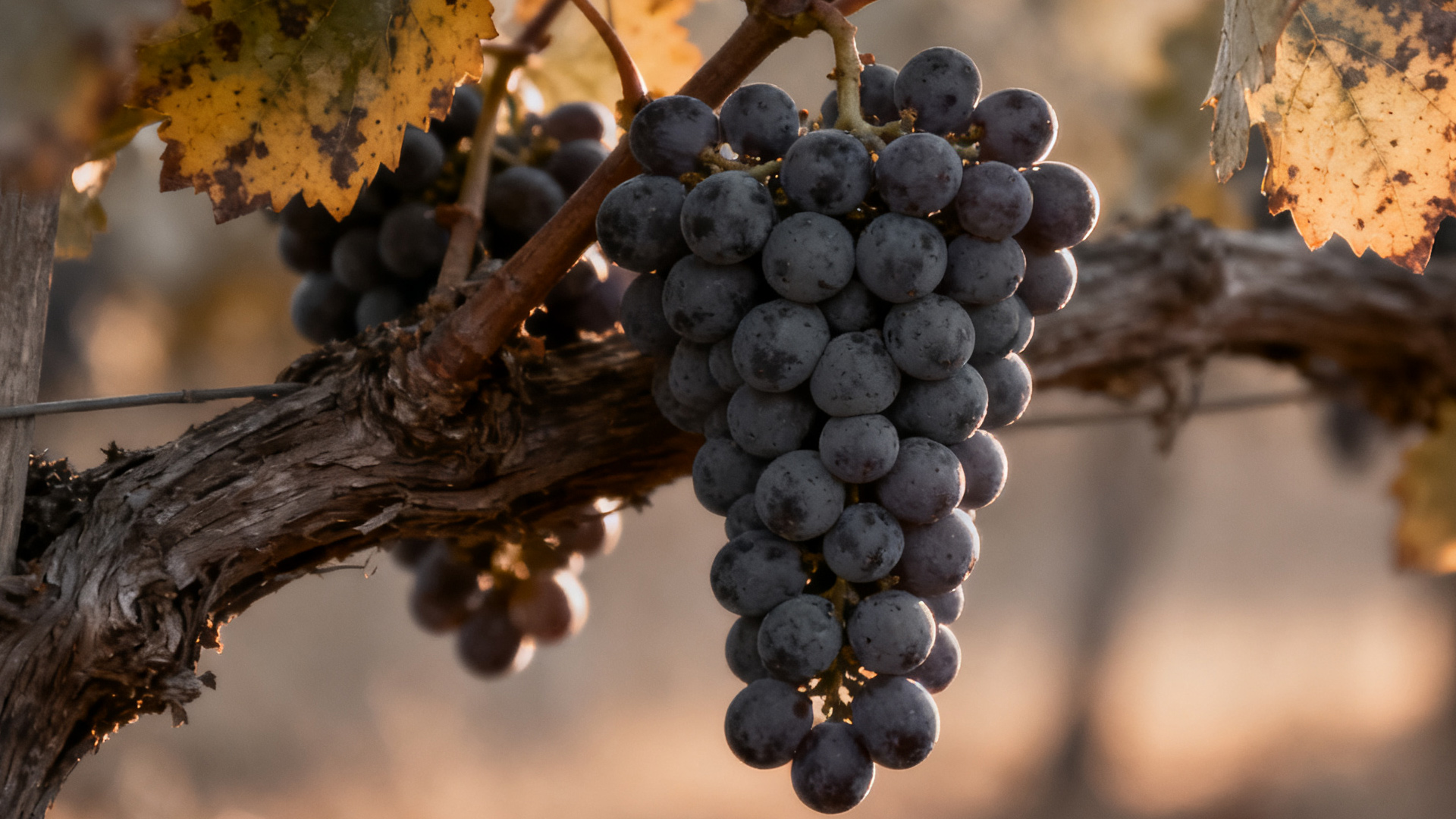



Name & International Aliases
Grenache is the standard international name for this classic Mediterranean red wine grape. It is known as 歌海娜 in Chinese-speaking wine markets. The variety carries numerous regional synonyms, including Garnacha in Spain, where it is the country’s most iconic red grape. Other minor aliases include Cannonau in Sardinia, reflecting its widespread cultivation across the Mediterranean basin.
1. Introduction
Grenache (Garnacha) is a vigorous, warm-climate red wine grape that serves as the backbone of Southern Rhône and Spanish Mediterranean winemaking. Famous for its bright juicy red fruit, ultra-soft silky tannins, high alcohol tolerance, and low phenolic intensity, Grenache delivers approachable, generous wines with charming upfront fruit character. Though often used as a blending grape to add richness and warmth to Rhône-style cuvées, low-yield old-vine Grenache produces profoundly complex, age-worthy single-varietal fine wines. Thriving in hot, dry, sun-baked terroirs where other premium red grapes struggle, it stands as one of the most resilient and widely cultivated noble red varieties globally.
2. Origin & History
Grenache is believed to have originated in the northeastern Spanish region of Aragon, with a viticultural history spanning over 800 years. It spread rapidly across the Iberian Peninsula, establishing itself as Spain’s dominant red grape under the local name Garnacha.
By the Middle Ages, the variety traveled eastward into Southern France, where it adapted perfectly to the Rhône Valley’s dry, sunny climate and became the foundational grape of Châteauneuf-du-Pape and Gigondas. It later spread to Sardinia, Southern Italy, and Southern Australia. Unlike terroir-restricted varieties, Grenache thrives across the entire Mediterranean belt. Today, it defines the identity of warm-climate Old World red blends, balancing structured grapes like Syrah and Mourvèdre with pure fruit richness and silky texture.
3. Viticulture Characteristics
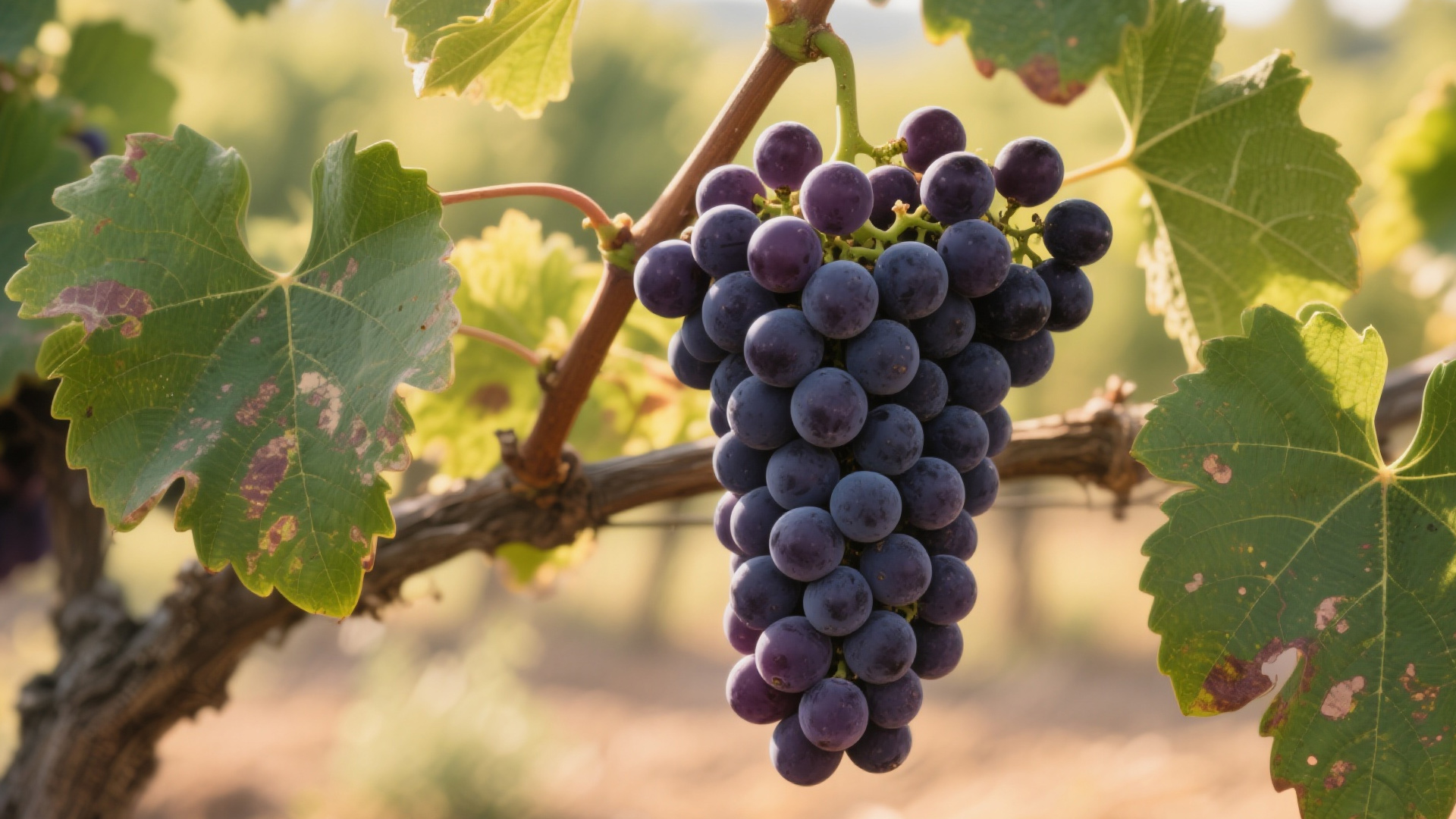
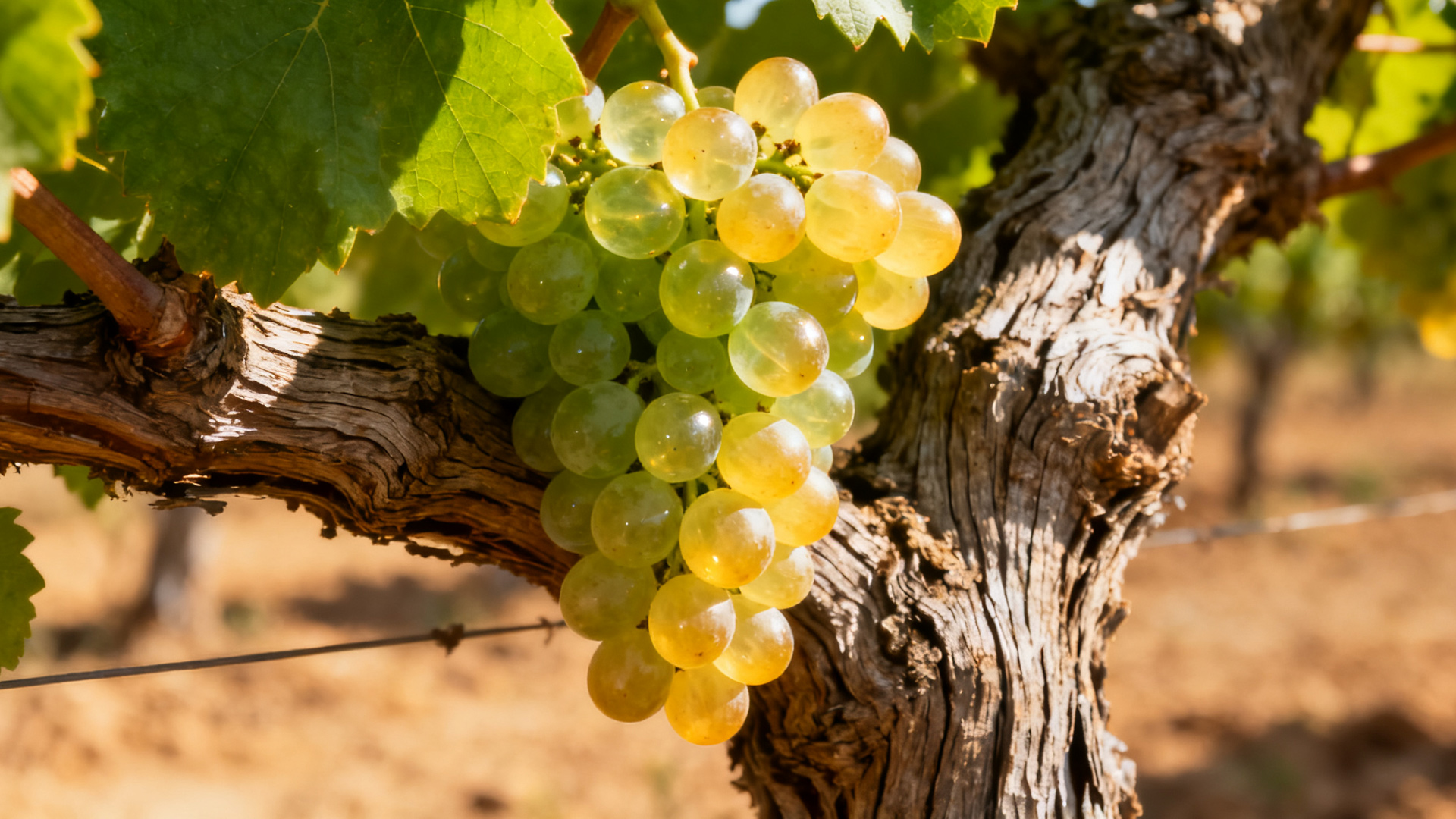
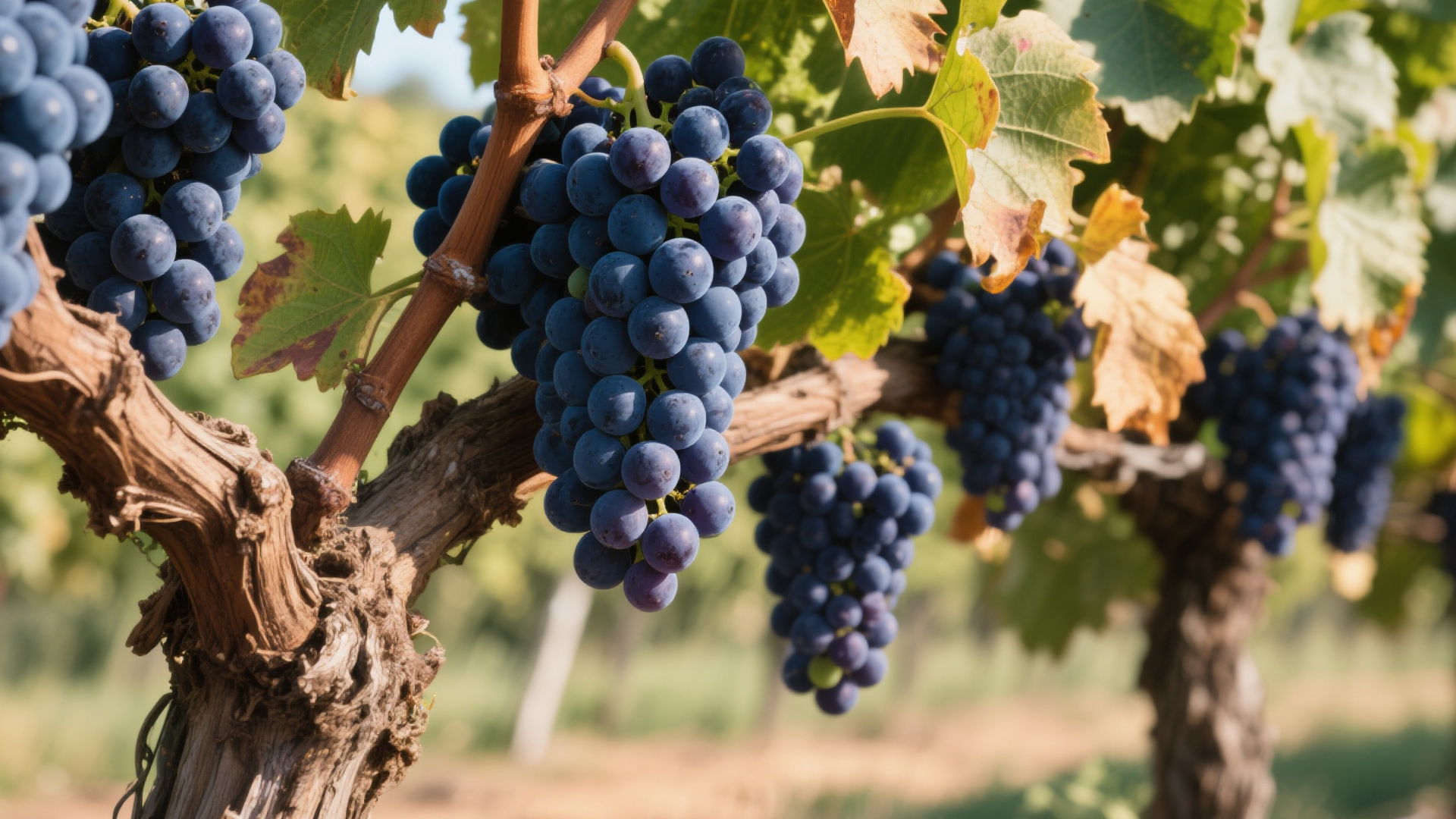
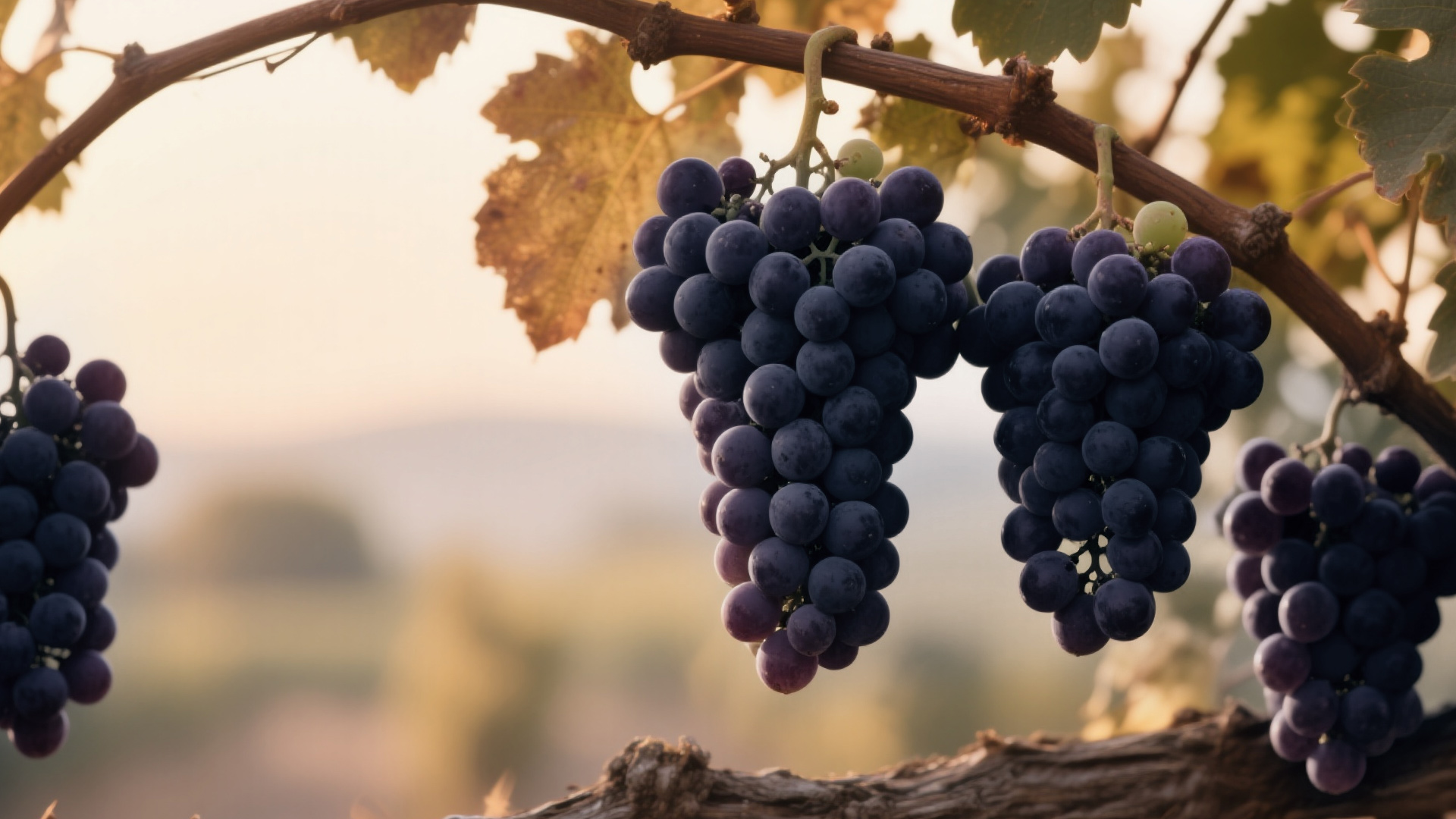
Grenache is a late-ripening, highly drought-tolerant red grape variety perfectly adapted to hot, arid growing conditions. It produces large, loose clusters with thin skins, resulting in low tannin and low color extraction compared to thick-skinned red grapes like Syrah and Cabernet Sauvignon.
The variety requires full sun and warm temperatures to ripen fully, developing rich red fruit sweetness while retaining subtle natural acidity. It performs exceptionally well on stony, gravelly, and sandy soils with excellent drainage, which limit water access and prevent excessive vigor. High-yield vines produce diluted, simple fruit-forward wines, while ancient low-yield bush vines deliver incredible concentration, spice complexity, and layered depth. Grenache’s thin skins and loose cluster structure also make it susceptible to bird damage and sunburn in extreme heat, requiring careful vineyard management in warm vintages.
4. Flavor & Aroma Profile
Grenache features a bright, generous red-fruit dominant profile with warm herbal and spicy undertones. Youthful wines showcase vibrant primary notes of ripe strawberry, red cherry, red raspberry, and red currant, accented by distinct dried herbal, garrigue, and subtle citrus peel nuances.
With ripeness and oak influence, premium Grenache develops secondary notes of warm cinnamon, white pepper, dried rose, and ripe stone fruit. Old-vine expressions offer richer jammy red fruit, subtle dark chocolate, and mineral undertones. On the palate, Grenache presents medium-full body, exceptionally soft silky tannins, moderate acidity, and a smooth, round finish. Aged premium bottlings evolve tertiary complexity of dried red fruit, leather, tobacco, and earthy spice, gaining refinement without losing its signature fruity generosity.
5. Winemaking Style
Grenache is most famously crafted as the dominant grape in traditional Southern Rhône blends, paired with Syrah and Mourvèdre to balance fruit richness, structure, and savory complexity. It adds warmth, juiciness, and approachability to offset the firm tannins and meaty spice of Syrah.
Single-varietal Grenache is popular in Spain’s Priorat and Calatayud appellations, as well as Southern Australia’s old-vine regions. Winemakers often utilize gentle maceration and restrained oak to preserve bright red fruit purity, while premium old-vine wines see extended aging for added depth. Most entry-level Grenache wines are best enjoyed within 2–4 years for fresh fruit vibrancy, while high-quality single-vineyard and Châteauneuf-du-Pape cuvées can age gracefully for 10–15 years, developing sophisticated earthy and spicy tertiary layers.
6. Top Growing Regions
Southern Rhône, France (Blend Benchmark): Châteauneuf-du-Pape, Gigondas, and Vacqueyras are the world’s most iconic Grenache-driven appellations. Stony galet soils and hot Mediterranean climates produce rich, balanced, age-worthy blends with classic red fruit and garrigue complexity.
Spain (Garnacha Core): Aragon, Priorat, and Calatayud produce structured, concentrated single-varietal Garnacha wines, showcasing old-vine depth and mineral-driven terroir expression unique to Spanish terroirs.
South Australia & Sardinia: Australian old-vine Grenache delivers ripe, juicy, spice-forward expressions, while Sardinian Cannonau offers structured, savory, medium-bodied wines with distinct Mediterranean herbal character.
7. Food Pairing
Thanks to its soft tannins, bright red fruit, warm spice, and herbal undertones, Grenache is exceptionally food-friendly. It pairs beautifully with roasted lamb, herb-crusted pork, grilled sausages, and cured charcuterie, with its juicy fruit balancing savory and salty flavors perfectly.
Grenache also complements tomato-based pastas, ratatouille, roasted vegetable medleys, mushroom dishes, and medium-bodied soft cheeses. Its low tannin profile makes it far more versatile with lighter savory dishes than bold structured reds. It pairs poorly with extremely spicy cuisine, which can amplify alcohol warmth and overpower its delicate red fruit and herbal complexity.
8. Similar Variety Comparison
Grenache vs. Syrah: Syrah features bold dark fruit, peppery spice, meaty savory notes, and firm structured tannins. Grenache prioritizes bright red berry fruit, herbal warmth, and silky soft tannins, offering a juicier, more approachable, less aggressively structured drinking experience.
Grenache vs. Pinot Noir: Pinot Noir delivers earthy, floral, bright red cherry flavors with high acidity and delicate fine-grained tannins. Grenache is fuller-bodied, higher in alcohol, spicier, and fruitier, with warmer herbal complexity and less acidic brightness.
9. Summary
Grenache (Garnacha) is an indispensable warm-climate red grape, serving as the fruity backbone of legendary Southern Rhône and Spanish Mediterranean wines. Celebrated for its juicy red berry vibrancy, ultra-silky tannins, warm herbal spice, and incredible drought resilience, it produces both approachable everyday blends and profound age-worthy old-vine fine wines. Balancing generous fruit richness with subtle terroir complexity, Grenache stands as one of the most versatile, food-friendly, and enduring noble red grape varieties in global viticulture.
© Copyright Notice
All articles are copyrighted by the authors; no reproduction without permission.
THE END


No comments yet