


Name & International Aliases
Gewurztraminer is the standard international name for this iconic aromatic white wine grape. It is known as 琼瑶浆 in Chinese-speaking wine markets. The German-derived name translates to “spicy traminer”, referencing its signature spicy aromatic intensity and its ancestral link to the ancient Traminer grape. In Italian regions, it is occasionally labeled as Traminer Aromatico.
1. Introduction
Gewurztraminer is a bold, intensely aromatic cool-climate white wine grape best known as the flagship variety of France’s Alsace region. Recognizable by its explosive exotic perfume and distinctive flavor profile, it stands apart from subtle, neutral white grapes with powerful notes of lychee, rose petal, tropical fruit, and warm spice. Though highly aromatic, the variety offers surprising structural balance, ranging from bone-dry mineral-driven expressions to luscious off-dry and noble rot dessert wines. Loved for its unique fragrant personality and exceptional food-pairing versatility with spicy cuisine, Gewurztraminer is one of the most distinctive and unforgettable white wine varieties in the world.
2. Origin & History
Gewurztraminer traces its genetic roots to the ancient Traminer grape, originating in the Tramin region of South Tyrol, Italy. The spicy, highly aromatic mutated clone evolved over centuries and became prominently established in the Alsace region of northeastern France, which now defines its global benchmark style.
During the Middle Ages, Alsace vineyards widely cultivated this enhanced spicy Traminer variant, formally naming it Gewurztraminer to distinguish its bold aromatic traits. The variety flourished in Alsace’s cool continental climate and mineral-rich soils, becoming one of the region’s four noble white grapes. In modern viticulture, it has spread to cool-climate regions worldwide, including Germany, Austria, New Zealand, and North America, yet Alsace remains the undisputed reference point for premium, terroir-driven Gewurztraminer.
3. Viticulture Characteristics
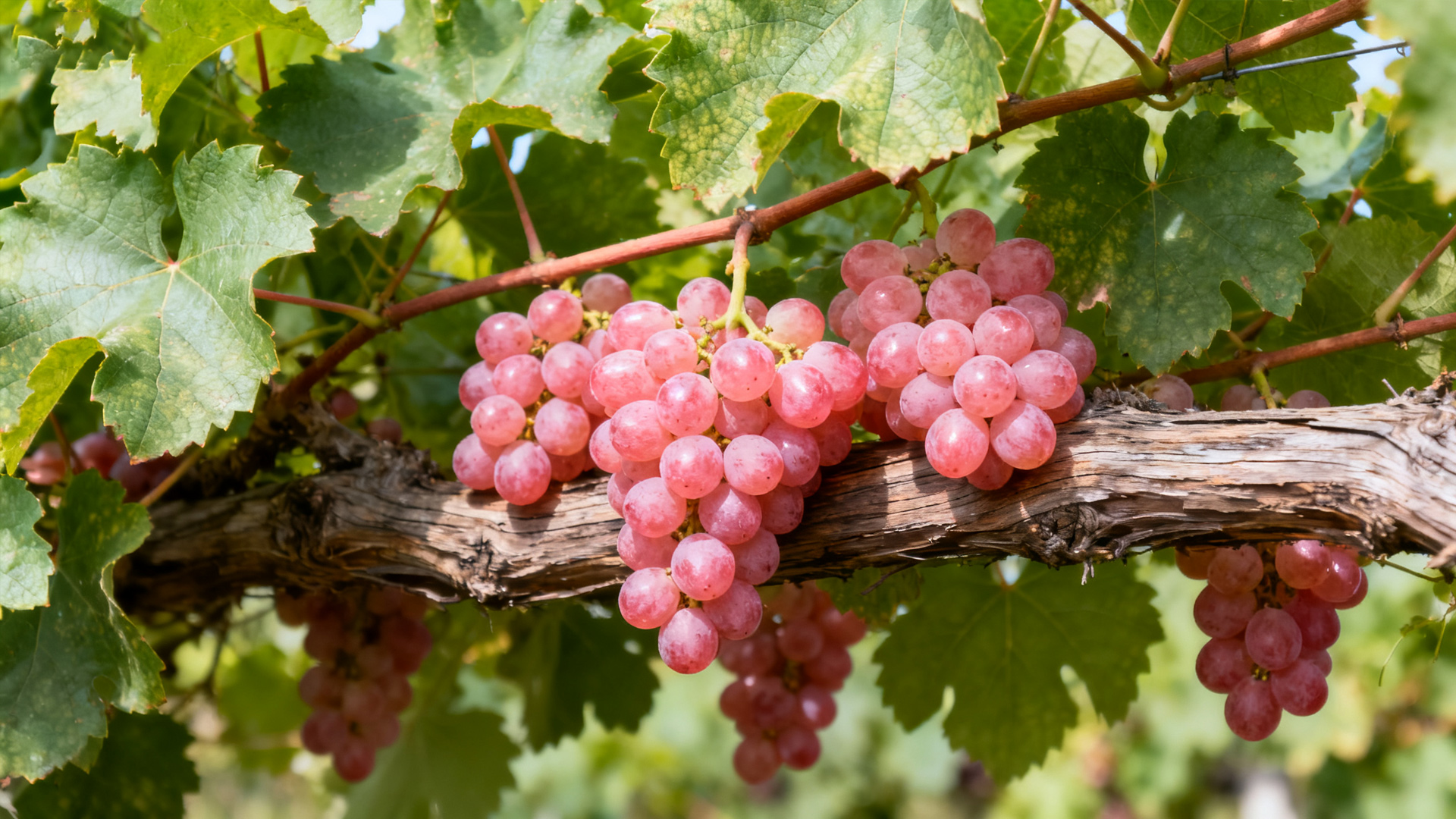
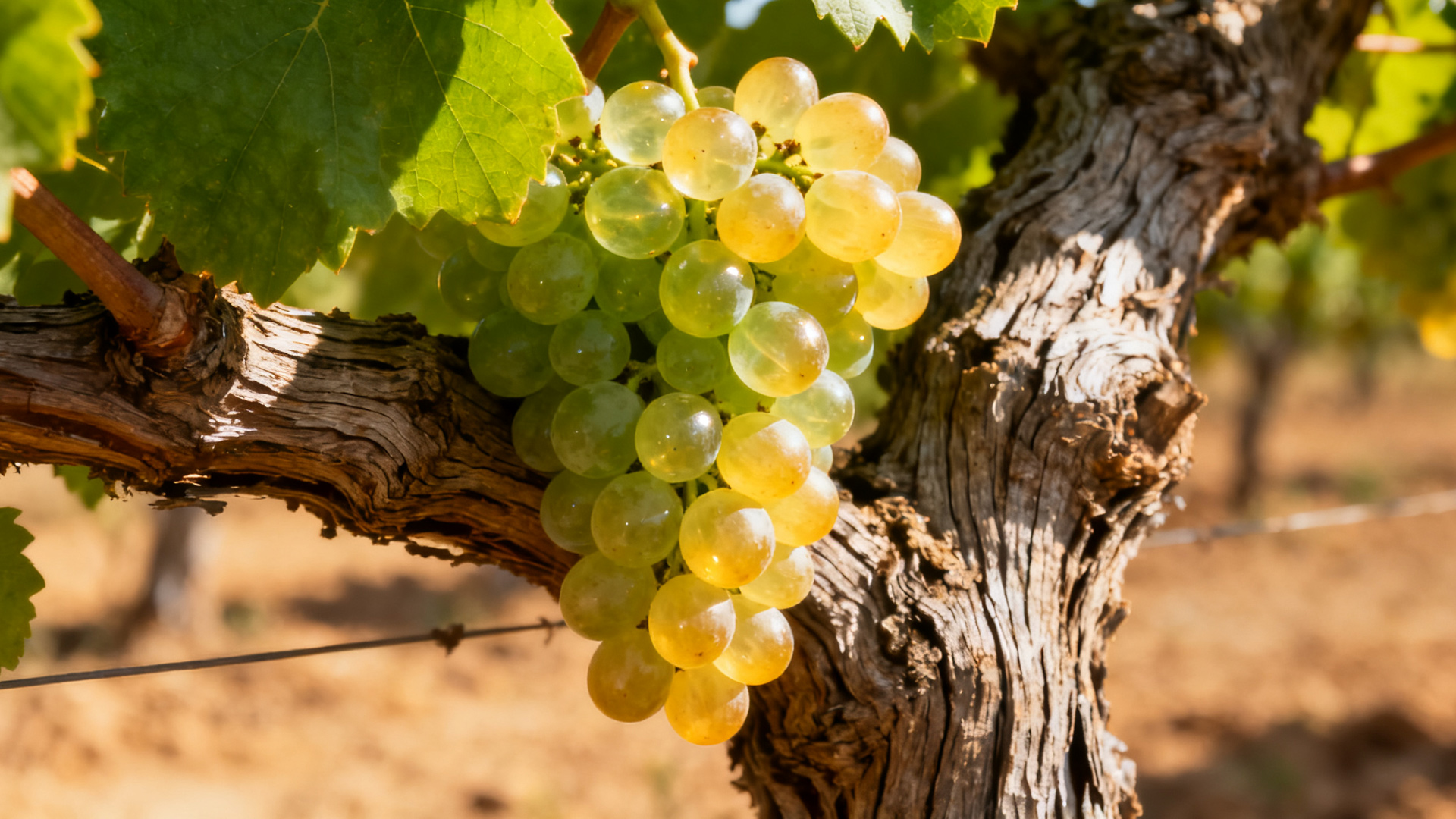
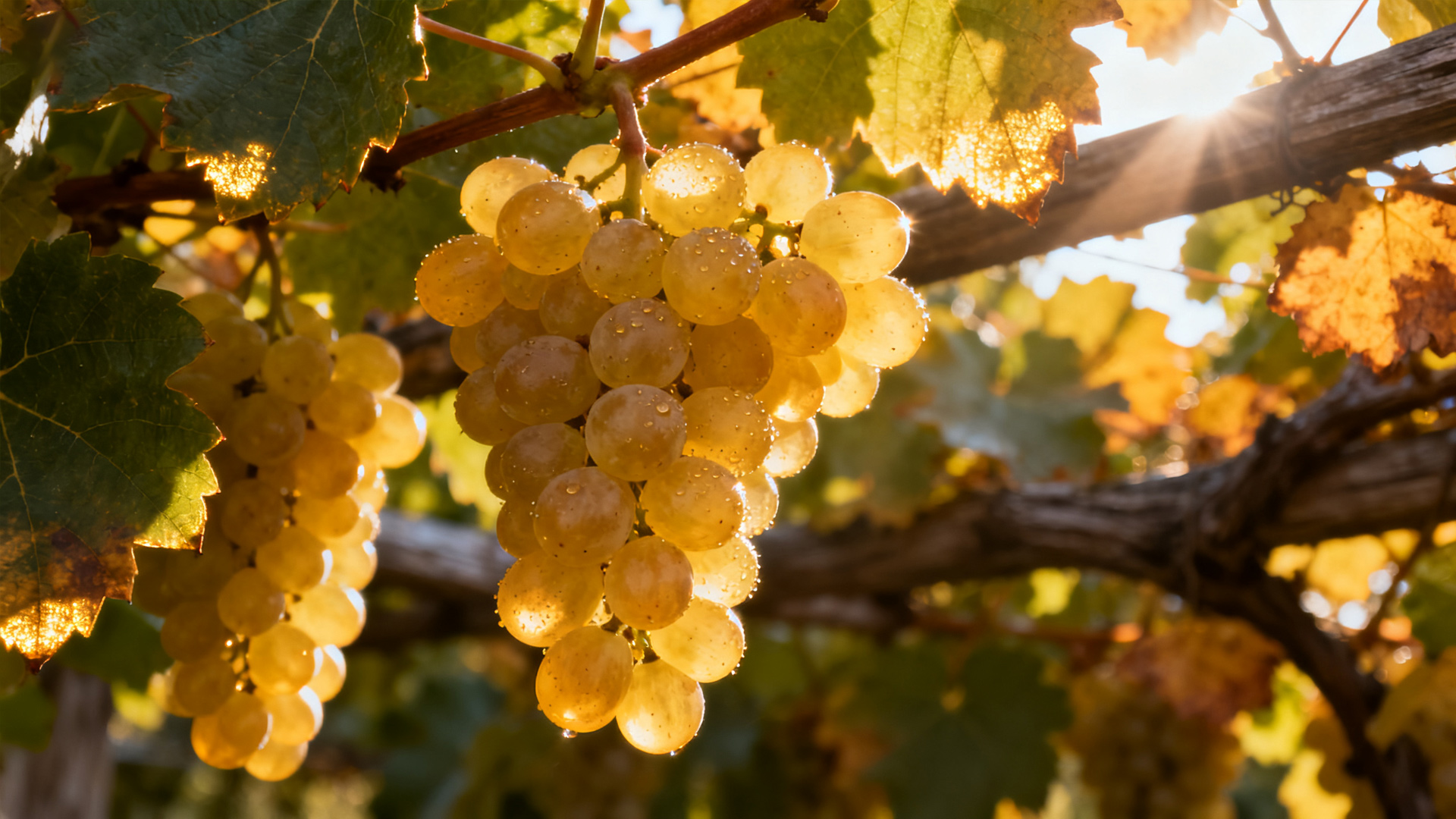
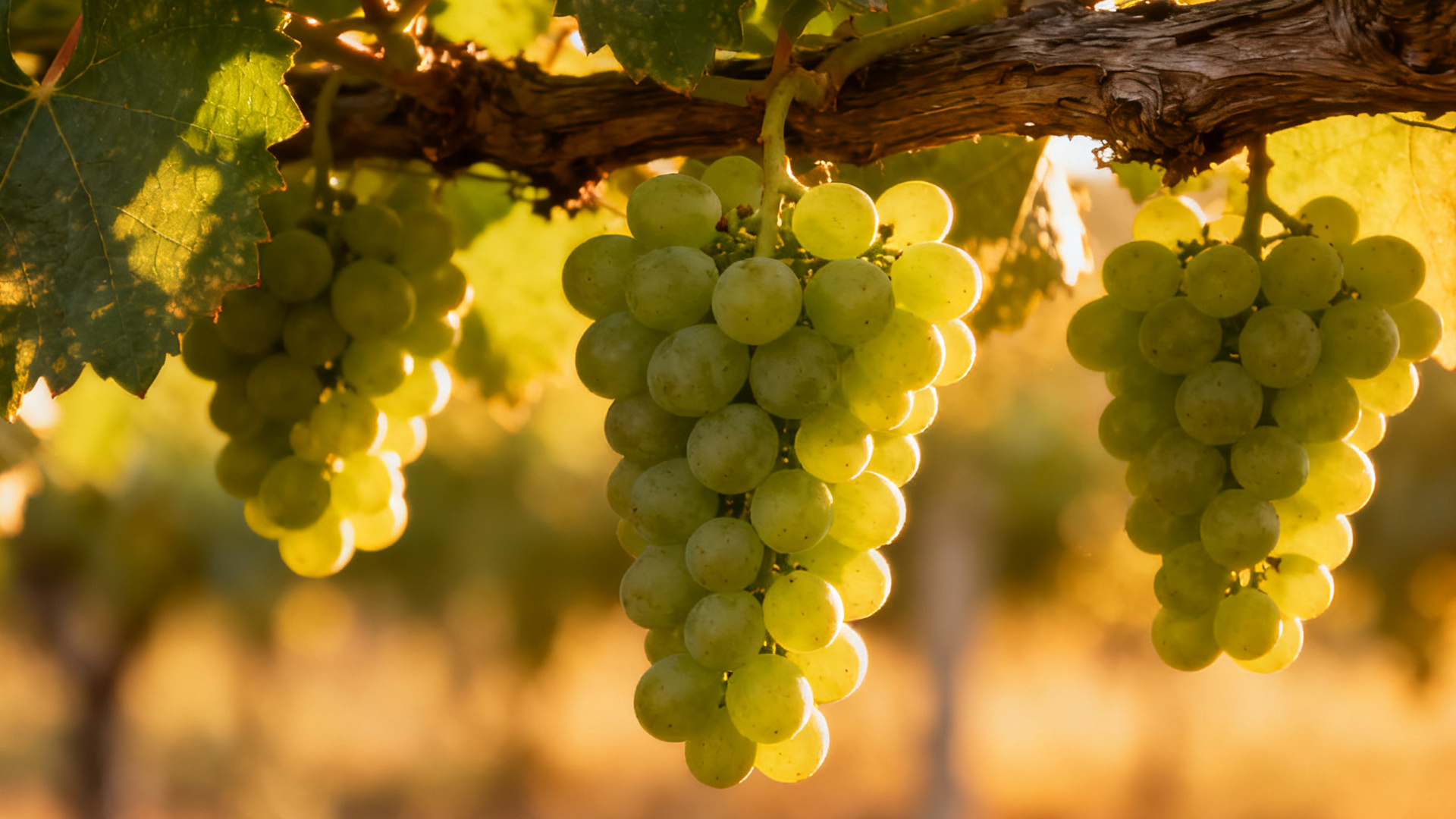
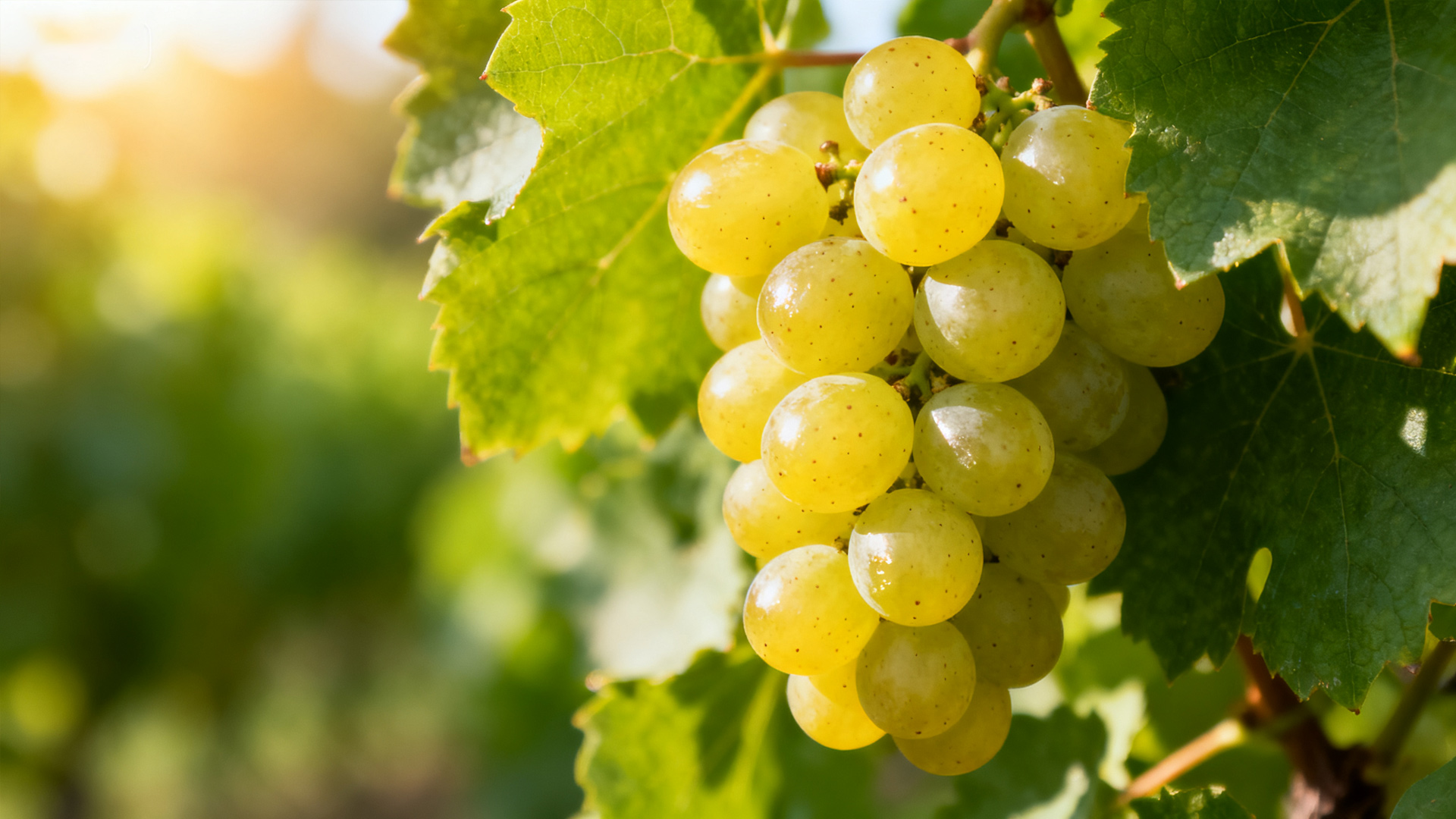
Gewurztraminer is a mid-ripening, moderately vigorous white grape variety with unique botanical traits. It produces small, compact clusters with thick, pinkish-skinned berries that develop rich aromatic compounds upon full ripeness. The vine adapts well to cool continental climates and demonstrates strong cold resistance, thriving in marginal growing zones where other aromatic grapes struggle to ripen evenly.
This variety requires sufficient sunlight and a long growing season to fully develop its signature lychee and spice aromas without excessive vegetal tones. It performs exceptionally well on sloped, well-drained granite and volcanic soils, which enhance mineral tension and concentrate aromatic complexity. A key viticultural trait is its naturally low acidity compared to other cool-climate white grapes, requiring careful canopy management and harvest timing to preserve brightness and avoid overly heavy, flabby textures in warm vintages.
4. Flavor & Aroma Profile
Gewurztraminer possesses one of the most powerful, distinctive aromatic profiles of any fine wine grape. Youthful wines deliver explosive primary aromas of fresh lychee, ripe mango, tropical stone fruit, and fragrant rose petal, layered with warm ginger, cinnamon, and white pepper spice notes that define its identity.
Dry-style Gewurztraminer features clean tropical fruit and floral brightness with subtle mineral undertones. Off-dry and late-harvest expressions amplify honeyed apricot, candied citrus, and ripe tropical richness. On the palate, it offers medium body, lush texture, mild acidity, and a long, aromatic finish. Unlike tart high-acid whites, it prioritizes fragrant richness and spice complexity. With aging, premium bottlings develop subtle nutty, smoky, and earthy tertiary layers, softening upfront tropical intensity for deeper complexity.
5. Winemaking Style
Gewurztraminer supports diverse winemaking styles centered on preserving its delicate, powerful aromatic compounds. Most commercial and entry-level wines utilize cold stainless steel fermentation to lock in bright tropical, floral, and spicy notes, avoiding heavy oak that can mask its signature perfume.
Premium Alsace Grand Cru Gewurztraminer may employ subtle neutral oak aging and gentle lees stirring to add textural depth without overpowering fruit purity. Winemakers carefully balance residual sugar levels, crafting crisp dry styles for everyday drinking and concentrated off-dry or botrytized sweet styles for fine-wine cellaring. Basic expressions are best consumed within 2–3 years to retain vibrant freshness, while high-quality single-vineyard and late-harvest bottlings can age beautifully for 8–15 years, developing sophisticated layered complexity.
6. Top Growing Regions
Alsace, France (Global Benchmark): Alsace is the undisputed home of premium Gewurztraminer. The region’s cool continental climate, steep sun-exposed slopes, and mineral-rich granite soils produce balanced, terroir-expressive wines with perfect harmony of tropical fruit, floral perfume, warm spice, and subtle minerality.
Central Europe: Germany and Austria produce elegant, slightly restrained Gewurztraminer with brighter acidity and more subtle spice, tailored for crisp, dry cool-climate drinking styles.
New World Cool Climates: New Zealand, Oregon, and Canada craft fruit-forward, intensely aromatic expressions with ripe tropical notes, prioritizing immediate drinkability and bold upfront fragrance.
7. Food Pairing
Gewurztraminer’s low acidity, rich texture, fragrant sweetness, and spicy undertones make it uniquely suited for bold and spicy cuisine—a rare strength among white wines. It pairs exceptionally well with spicy Thai, Chinese, and Indian dishes, using subtle residual sugar and tropical fruit to balance heat and savory complexity.
Dry styles complement roasted poultry, cured meats, soft aromatic cheeses, and herbal vegetable dishes. Off-dry and sweet expressions pair beautifully with fruit desserts, nutty pastries, and blue cheese. It is less ideal for extremely delicate seafood, as its powerful aromatic intensity can overpower subtle briny and light flavors.
8. Similar Variety Comparison
Gewurztraminer vs. Riesling: Both are iconic Alsace aromatic whites with multi-style versatility. Riesling features razor-sharp acidity, prominent mineral tension, lime and petrol notes with strict structural precision. Gewurztraminer offers lower acidity, richer texture, bold lychee and floral spice, and a more opulent, fragrant profile with softer structural rigidity.
Gewurztraminer vs. Viognier: Viognier delivers ripe stone fruit, jasmine, and low-acid lushness with minimal spice. Gewurztraminer is far more aromatic and distinctive, with dominant tropical lychee and peppery spice character, offering greater flavor complexity and better food-pairing flexibility.
9. Summary
Gewurztraminer is a uniquely charismatic, powerfully aromatic white grape synonymous with Alsace fine wine. Celebrated for its one-of-a-kind lychee, rose, and exotic spice profile, lush texture, and stylistic versatility, it produces balanced dry, off-dry, and age-worthy sweet wines. Its rare ability to complement spicy cuisine sets it apart from most cool-climate white varieties. For wine lovers seeking intensely fragrant, full-flavored, and uniquely expressive white wines with distinctive personality, Gewurztraminer stands as an unparalleled classic option.
© Copyright Notice
All articles are copyrighted by the authors; no reproduction without permission.
THE END


No comments yet