


Name & International Aliases
Semillon is the official international name of this traditional French white wine grape. It is known as 赛美蓉 in Chinese-speaking wine markets and retains consistent naming standards across global wine regions. Few widely recognized synonyms exist, making Semillon the universal commercial label for this noble Bordeaux variety.
1. Introduction
Semillon is a classic, structured white wine grape originating from Bordeaux, France, celebrated for its remarkable versatility in crafting both age-worthy dry blended whites and world-famous noble rot dessert wines. Unlike overtly aromatic white varieties, Semillon features a subtle, restrained primary profile defined by waxy texture, soft stone fruit, and gentle herbal notes, offering exceptional depth and complexity with bottle aging. Often blended with Sauvignon Blanc to add body, richness, and longevity, it serves as the structural backbone of iconic Bordeaux white wines. Capable of decades of cellaring in premium forms, Semillon stands out as an underrated fine-wine grape with extraordinary aging resilience and terroir expressiveness.
2. Origin & History
Semillon is a native Bordeaux variety with centuries of documented viticultural history, originating in the Gironde region of southwestern France. It has long been one of the two principal white grapes permitted in Bordeaux AOC white blends, paired with Sauvignon Blanc to balance aroma, body, and aging structure.
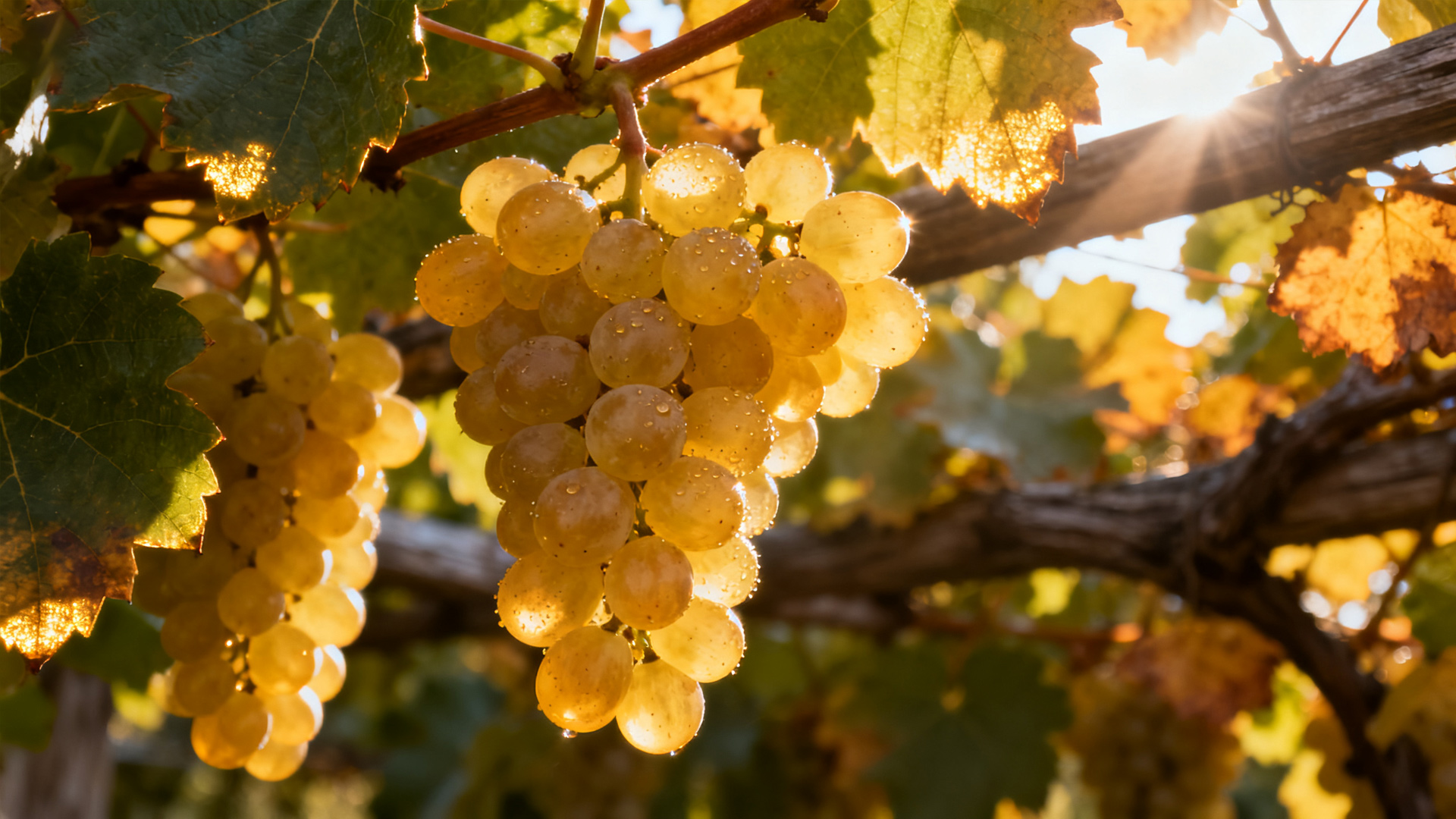
Historically, Semillon was the most widely planted white grape in Bordeaux, favored for its reliable yields and strong affinity for noble rot development in the region’s misty morning terroirs. The unique microclimate of Sauternes, with morning humidity and afternoon sunlight, creates perfect conditions for botrytis cinerea, transforming Semillon into the world’s most luxurious dessert wine base. In the 19th and 20th centuries, the grape was exported to Australia, where it flourished and evolved into a signature New World style. Today, Semillon maintains dual importance as a core Old World blending grape and a standalone premium variety in Australia.
3. Viticulture Characteristics
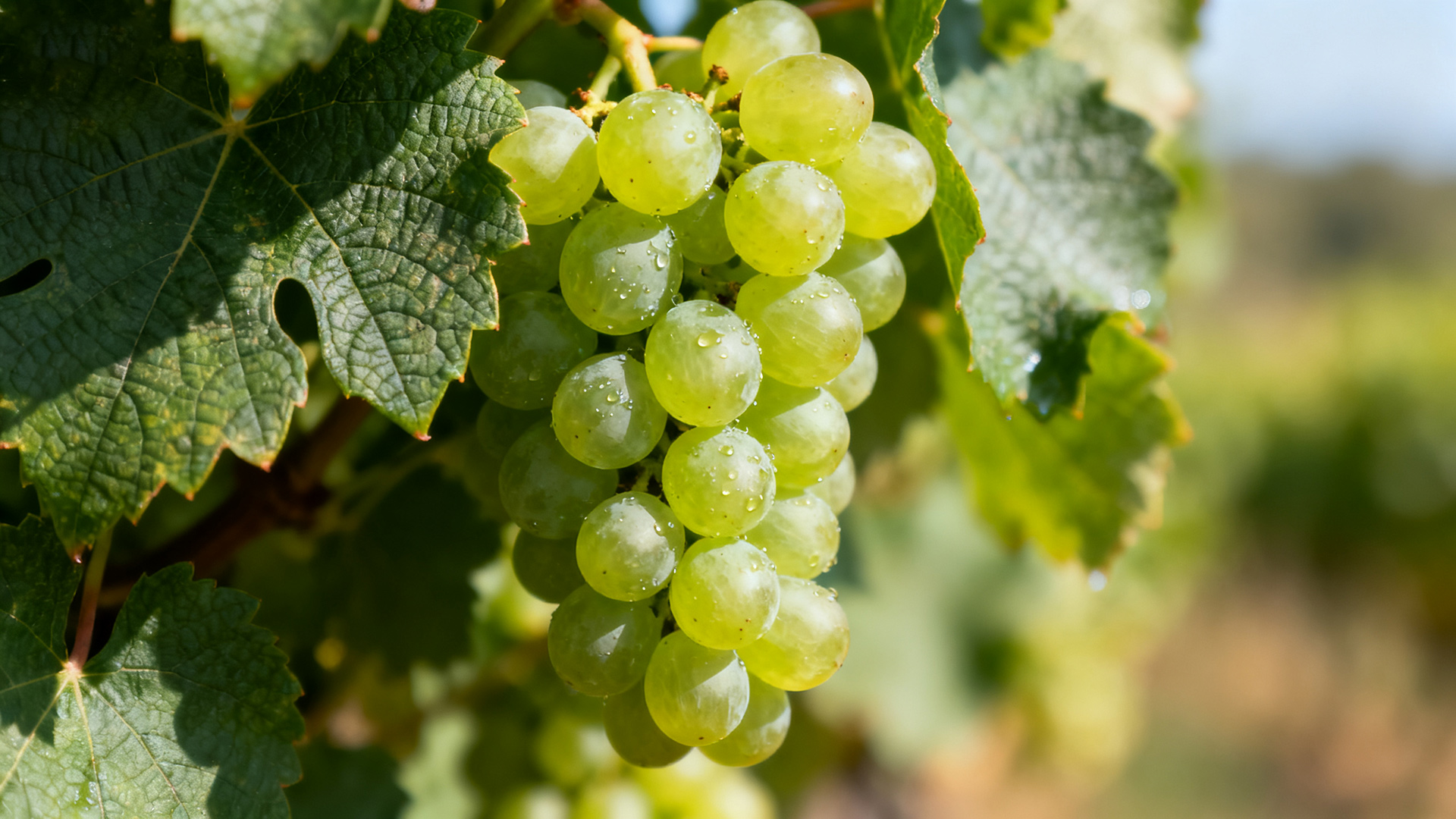
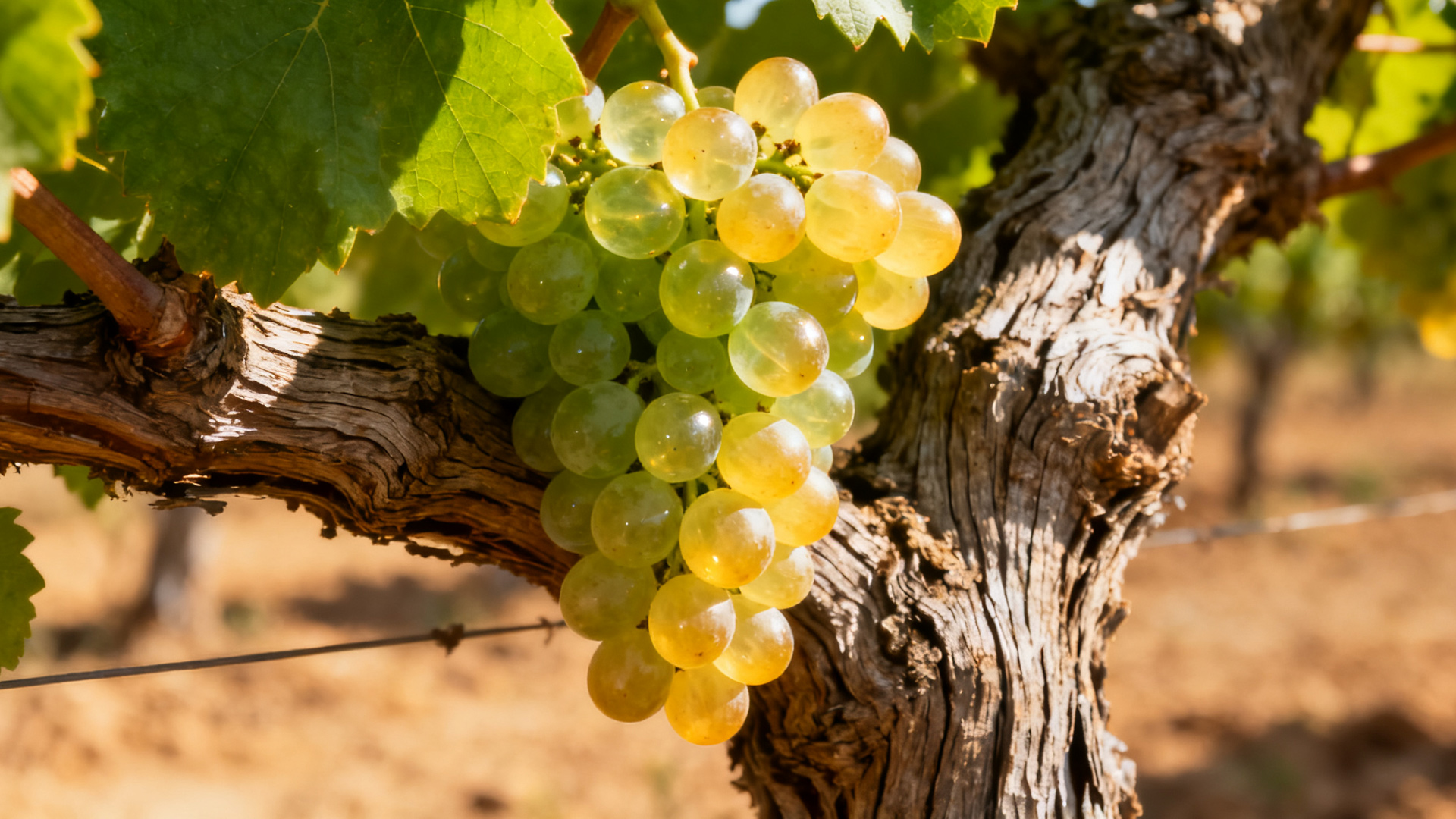
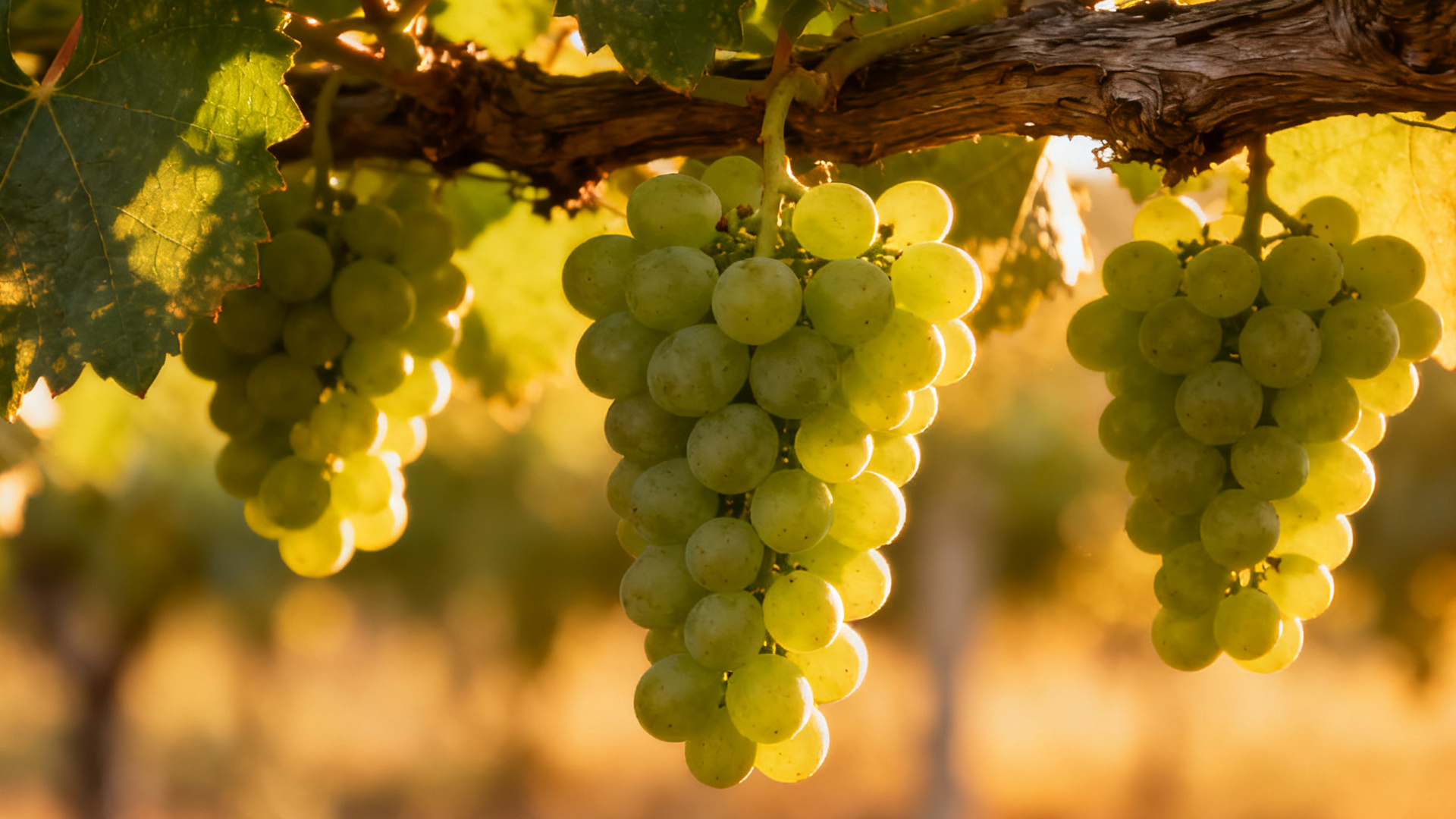
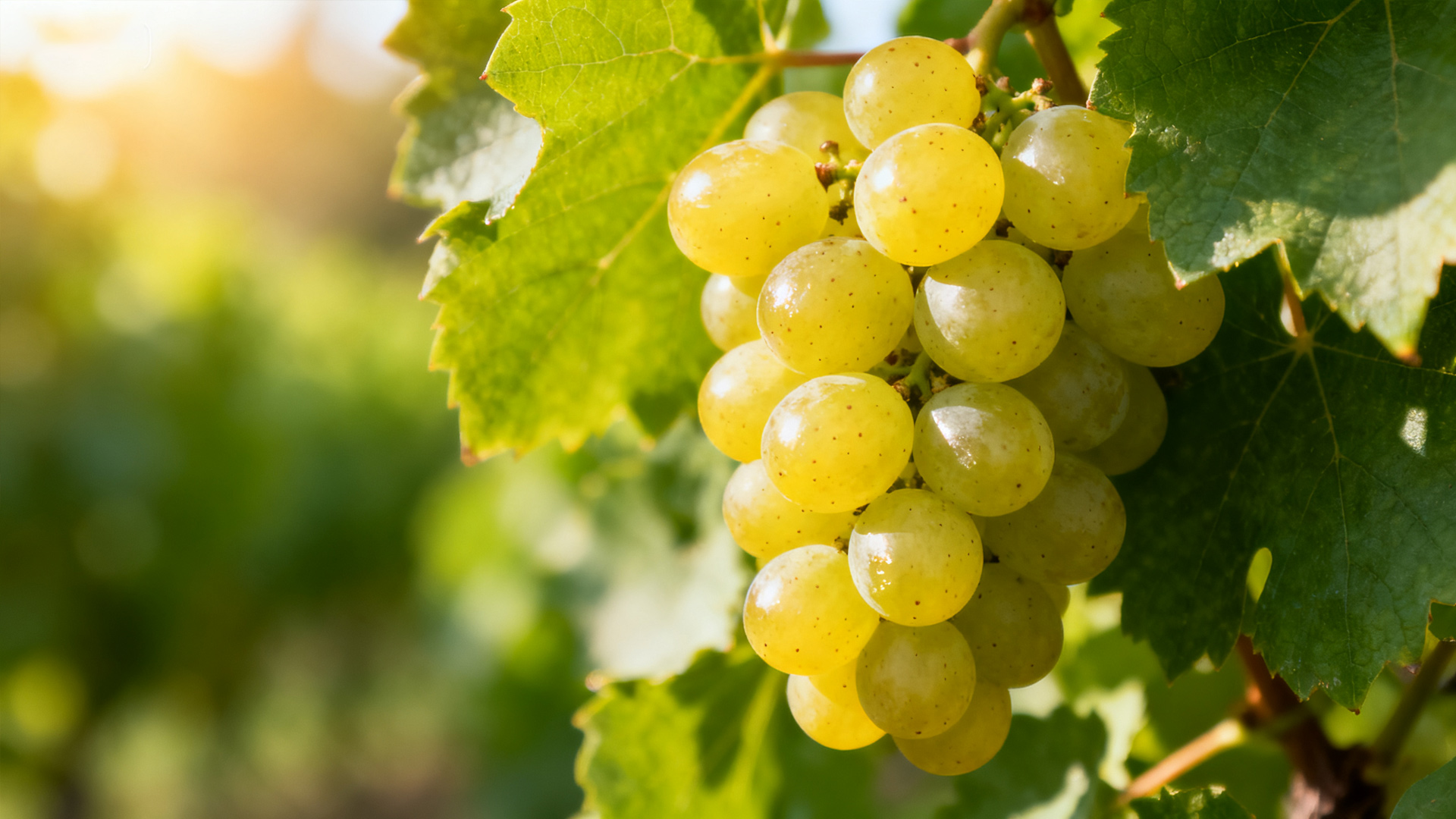
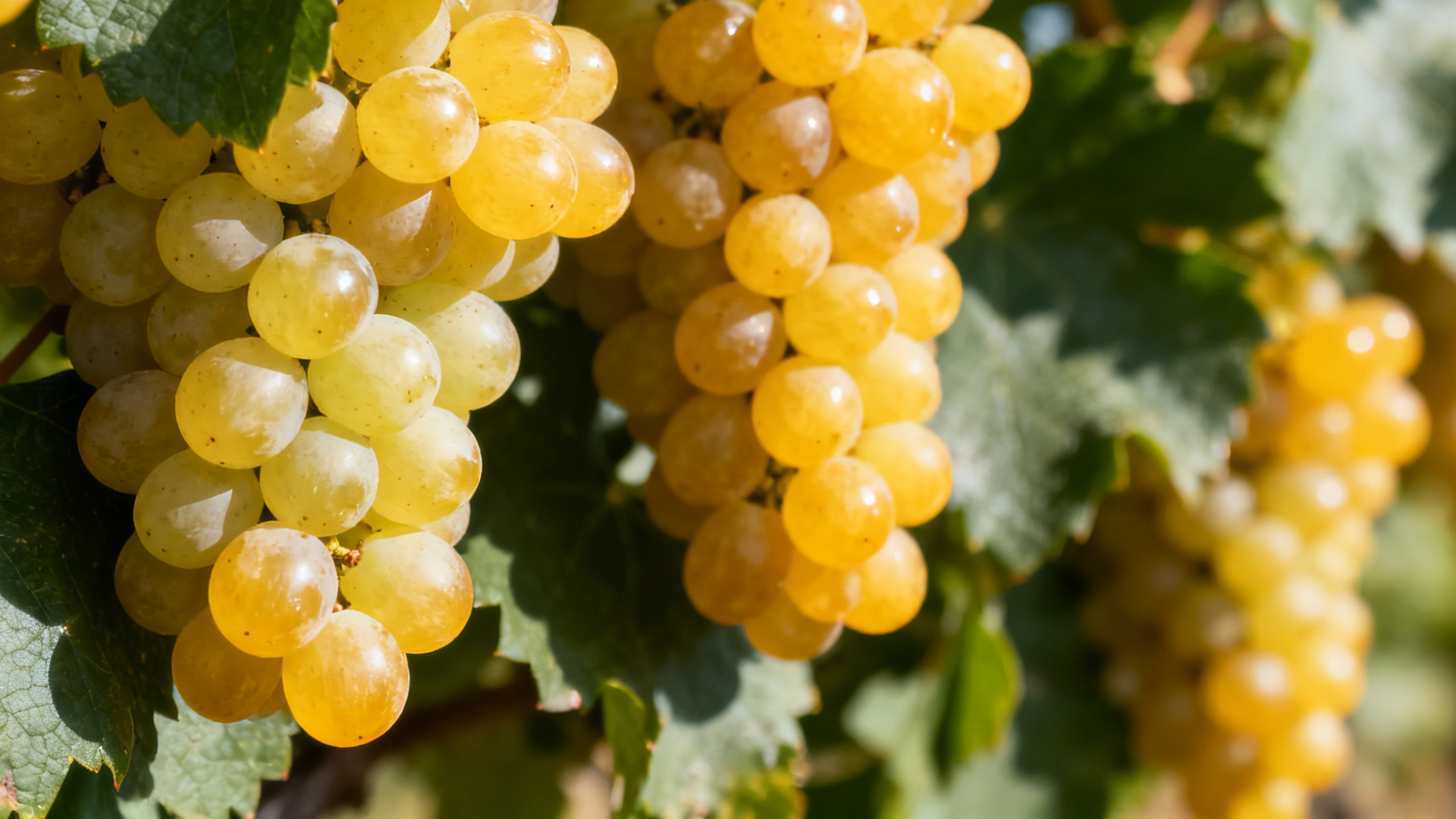
Semillon is a vigorous, early-ripening white grape variety with hardy, reliable growing traits. It produces medium-sized, thin-skinned berries clustered in loose bunches, a key physical feature that promotes airflow and reduces fungal disease pressure while encouraging uniform noble rot development in humid conditions.
The variety thrives on well-drained gravel, clay, and limestone soils, excelling in Bordeaux’s temperate maritime climate. Its thin skins and loose cluster structure make it uniquely susceptible to botrytis cinerea in suitable misty terroirs, the defining trait of Sauternes production. In warm, dry vintages, Semillon develops rich stone fruit and waxy complexity, while cooler seasons preserve bright acidity and subtle herbal tension. Vigorous vine growth requires careful canopy management and yield control to avoid diluted flavors and ensure concentrated, balanced fruit expression.
4. Flavor & Aroma Profile
Young Semillon wines present subtle, understated primary flavors and aromas, far less fragrant than most white wine varieties. Youthful dry Semillon features delicate notes of green pear, white peach, citrus zest, and faint grassy herbal undertones, with minimal upfront aromatic intensity.
The variety’s true character emerges with maturation and oak aging, developing signature waxy, lanolin, honey, toasted nut, and vanilla complexity. Botrytized Semillon delivers concentrated dried apricot, candied citrus, golden honey, and caramelized stone fruit richness. On the palate, Semillon offers medium-full body, smooth texture, moderate balanced acidity, and a long, elegant finish. Aged dry Semillon evolves striking tertiary notes of wax, leather, and mineral depth, while sweet Sauternes-style expressions develop luxurious nutty and honeyed layers over decades.
5. Winemaking Style
Semillon is primarily crafted in two iconic styles: structured dry blended whites and opulent noble rot dessert wines. In traditional Bordeaux winemaking, it is blended with Sauvignon Blanc to add weight, texture, and aging potential, balancing the latter’s bright aromatic intensity with rich, waxy depth.
Premium dry Semillon blends often undergo French oak fermentation and aging, enhancing texture and secondary complexity. Australian single-varietal Semillon is typically fermented in stainless steel for early-drinking freshness or aged neutrally for long-term cellaring. For dessert wine production, selective late harvesting captures botrytized, concentrated berries with elevated sugar and phenolic richness. Basic dry Semillon wines are drinkable within 3–5 years, while premium dry blends and Sauternes-style sweet wines boast extraordinary aging potential, cellaring gracefully for 20–50 years.
6. Top Growing Regions
Bordeaux, France (Old World Benchmark): Bordeaux’s Left Bank appellations, including Sauternes and Barsac, produce the world’s most famous Semillon-based wines. Sauternes’ unique mist-and-sun terroir creates unparalleled botrytized sweet wines, while dry Bordeaux blends deliver structured, age-worthy white fine wines.
Hunter Valley, Australia (New World Core): Australia’s Hunter Valley is the global benchmark for single-varietal dry Semillon. The region’s unique humid growing conditions produce low-alcohol, high-acid Semillon with incredible aging potential, evolving from citrusy youth to waxy, toasty complexity with years of bottle age.
Other Minor Regions: Small commercial plantings exist in South Africa, Chile, and California, producing approachable, fruit-forward Semillon blends focused on immediate drinkability.
7. Food Pairing
Dry Semillon’s balanced acidity, rich texture, and subtle herbal-mineral character pair excellently with rich seafood and savory dishes. It complements grilled lobster, baked scallops, buttery white fish, and creamy shellfish sauces, with its smooth texture harmonizing perfectly with seafood richness.
Aged dry Semillon pairs beautifully with roasted poultry, mushroom risottos, soft nutty cheeses, and light herbal savory dishes. Botrytized sweet Semillon and Sauternes pairs classically with foie gras, blue cheese, dried fruits, apricot desserts, and vanilla custards. Its bright acidity prevents sweet styles from feeling cloying, delivering balanced, luxurious pairing experiences.
8. Similar Variety Comparison
Semillon vs. Sauvignon Blanc: The two core Bordeaux white grapes are frequently blended together. Sauvignon Blanc offers bright, zesty citrus, grassy aromas, and high upfront acidity with immediate appeal. Semillon is lower in aromatic intensity, richer in body, waxier in texture, and far longer-lived, providing structural depth and aging backbone to blends.
Semillon vs. Chardonnay: Oaked Chardonnay features prominent vanilla, butter, and tropical fruit notes with bold upfront flavor. Semillon has subtler primary fruit, unique waxy-lanolin character, and tighter mineral tension, aging more gracefully and developing more layered tertiary complexity than most Chardonnay expressions.
9. Summary
Semillon is a timeless, structured noble white grape famous for crafting Bordeaux’s finest dry blended whites and legendary botrytized dessert wines. Distinguished by its subtle primary fruit, signature waxy lanolin texture, remarkable structural balance, and unparalleled aging resilience, it serves as the quiet backbone of premium Bordeaux white wine culture. Thriving in both Old World terroirs and specialized New World regions like the Hunter Valley, it delivers exceptional versatility from approachable dry cuvées to ultra-luxury age-worthy sweet wines. Semillon is ideal for wine lovers seeking textured, balanced, and long-evolving white wines with sophisticated layered complexity.
© Copyright Notice
All articles are copyrighted by the authors; no reproduction without permission.
THE END


No comments yet