


Name & International Aliases
Cabernet Franc is the official international name of this classic noble red wine grape. It is known as 品丽珠 in Chinese-speaking wine markets. As one of the foundational Bordeaux varieties, it carries few official synonyms and maintains standardized naming globally, distinguishing itself clearly from Cabernet Sauvignon through its softer, more aromatic profile.
1. Introduction
Cabernet Franc is an elegant, medium-bodied noble red wine grape originating from France, best known as the parent variety of both Cabernet Sauvignon and Merlot. Often overshadowed by its more famous offspring, Cabernet Franc offers a uniquely refined, aromatic, and approachable character defined by bright red berry, fresh herbal, and floral violet notes. Lighter in tannin and more perfumed than Cabernet Sauvignon, it serves as a critical blending pillar in traditional Bordeaux blends while also producing exceptional single-varietal fine wines. Celebrated for its graceful structure, vibrant acidity, and outstanding drinkability, Cabernet Franc balances early accessibility with impressive aging complexity.
2. Origin & History
Cabernet Franc is believed to have originated in the Basque region of southwest France, with viticultural records dating back centuries. Genetic studies confirm it is one of the oldest foundational Bordeaux grapes, crossing with Sauvignon Blanc to create Cabernet Sauvignon and pairing with Magdeleine Noire des Charentes to produce Merlot.
For hundreds of years, Cabernet Franc played a quiet but essential role in Bordeaux winemaking, adding aromatic lift, acidity, and herbal complexity to Left Bank and Right Bank blends. It rose to standalone fame through the Loire Valley’s iconic Chinon and Bourgueil appellations, which established Cabernet Franc as a premium single-varietal wine. In modern times, the variety has spread globally, thriving in cooler climate zones where Cabernet Sauvignon struggles to ripen fully. Today, it is highly valued for its reliability, aromatic elegance, and unique terroir expression across both Old and New World regions.
3. Viticulture Characteristics
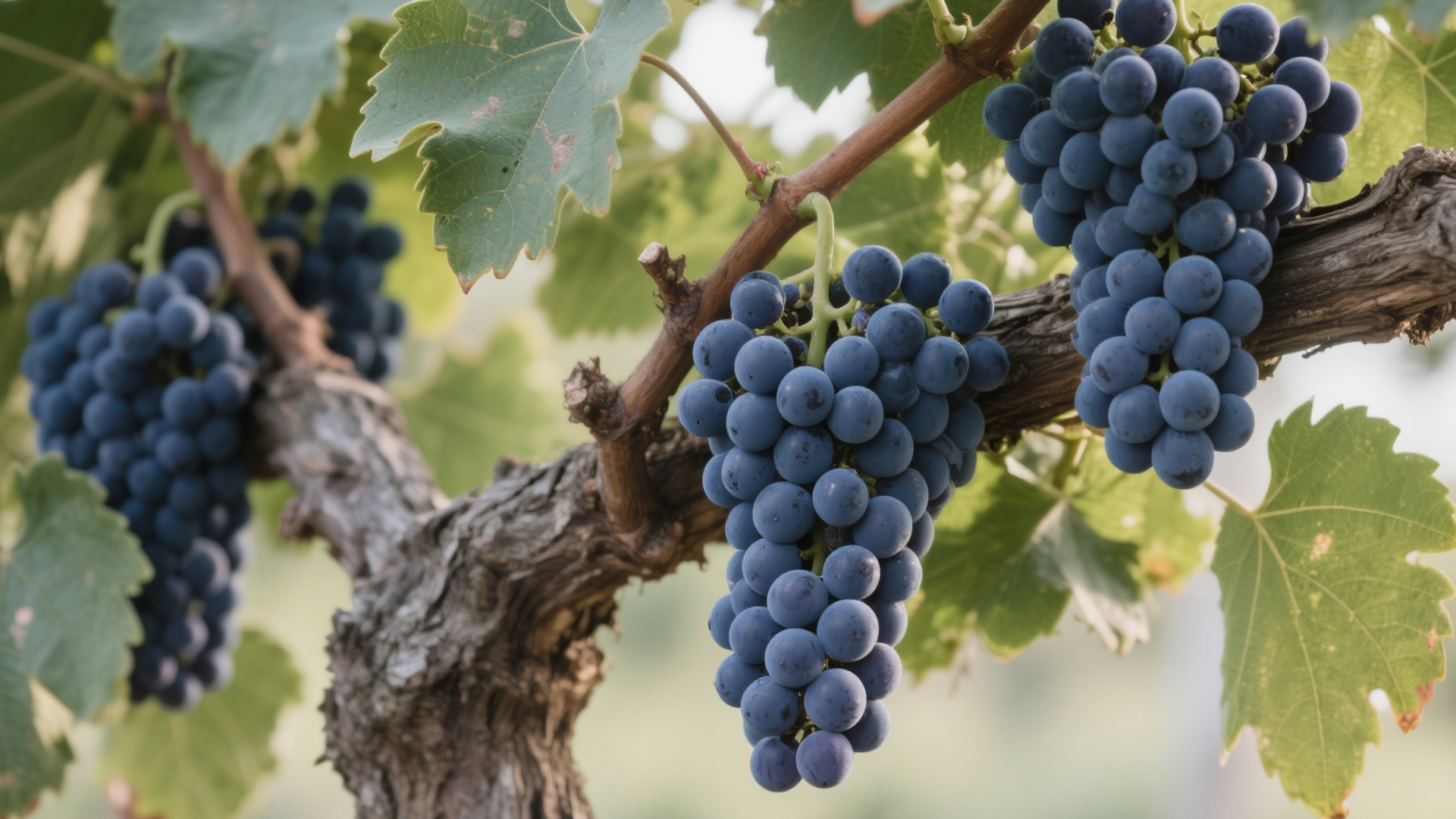
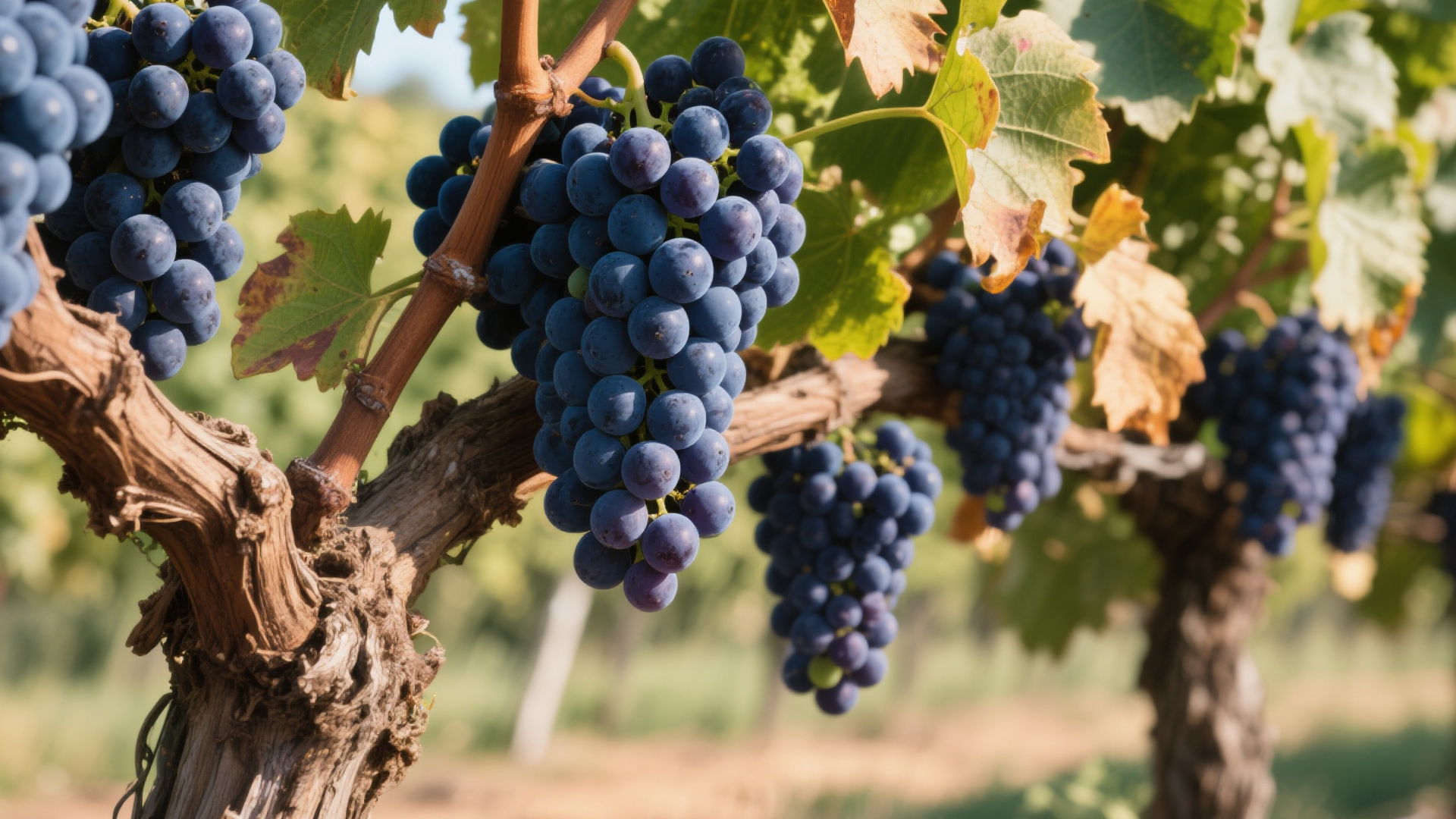
Cabernet Franc is an early-ripening, vigorous red grape variety with excellent cold resistance and climate adaptability. It produces loose, medium-sized clusters with thin-to-medium thick skins, contributing softer tannins and brighter fruit expression compared to Cabernet Sauvignon.
The variety’s early ripening nature allows it to thrive in cooler, marginal viticulture zones, making it ideal for the Loire Valley, northern Italy, and cooler New World regions. It performs best on well-drained limestone, gravel, and clay soils that promote balanced water retention and fruit concentration. Cabernet Franc retains vibrant natural acidity even at full ripeness, preserving its signature freshness and herbal brightness. Careful canopy management is required to avoid excessive vegetal tones, while low-yield vines produce concentrated, layered fruit with prominent floral and red berry complexity.
4. Flavor & Aroma Profile
Cabernet Franc features a distinctive elegant aromatic profile dominated by bright red fruit and fresh herbal notes. Youthful wines showcase vibrant primary flavors of red cherry, raspberry, red currant, and fresh plum, accented by signature green bell pepper, fresh leafy herb, and prominent violet floral perfume.
With oak aging, Cabernet Franc develops secondary notes of vanilla, tobacco, cedar, and subtle earthy spice. On the palate, it offers medium body, lively bright acidity, soft silky tannins, and a clean, aromatic finish. Unlike the bold dark fruit and firm structure of Cabernet Sauvignon, it prioritizes red fruit brightness and herbal elegance. Aged premium Cabernet Franc evolves tertiary layers of dried red fruit, leather, truffle, and subtle mineral complexity, gaining depth without losing its refreshing vibrancy.
5. Winemaking Style
Cabernet Franc serves two primary winemaking roles: a key blending component in Bordeaux-style red blends and a premium single-varietal fine wine grape. In traditional Bordeaux blends, it brings aromatic lift, bright acidity, herbal complexity, and early drinkability to balance heavier, tannic Cabernet Sauvignon and plush Merlot.
Single-varietal Cabernet Franc is crafted to highlight its natural perfume and red fruit purity. Most premium expressions utilize restrained oak aging to preserve floral and herbal brightness, while extended maceration adds subtle structure and depth. Loire Valley Cabernet Franc favors elegant, fresh, medium-bodied styles for earlier drinking, while New World versions offer riper red fruit and softer herbal tones. Basic Cabernet Franc wines are enjoyable within 2–4 years, while high-quality single-vineyard and Right Bank Bordeaux blends can age beautifully for 10–15 years, developing sophisticated tertiary complexity.
6. Top Growing Regions
Loire Valley, France (Global Benchmark): The Loire Valley’s Chinon, Bourgueil, and Saint-Nicolas-de-Bourgueil appellations produce the world’s most elegant, terroir-driven Cabernet Franc. Cool climates and limestone soils yield bright, aromatic, structured wines with classic red berry and herbal definition.
Bordeaux, France (Traditional Blending Core): On Bordeaux’s Right Bank, Cabernet Franc plays a leading role in iconic Merlot-dominant blends, adding perfume, acidity, and complexity to top Saint-Émilion and Pomerol wines.
New World Cool Climates: New York’s Finger Lakes, Canada’s Niagara, and coastal California produce ripe, approachable Cabernet Franc with softer herbal notes, juicier red fruit, and balanced structure for modern early-drinking styles.
7. Food Pairing
Thanks to its bright acidity, soft tannins, fresh herbal character, and vibrant red fruit, Cabernet Franc offers exceptional food versatility. It pairs beautifully with roasted poultry, grilled pork, herb-crusted lamb, and cured charcuterie, with its fresh herbal notes harmonizing perfectly with savory, aromatic dishes.
Cabernet Franc also complements tomato-based pastas, mushroom risottos, roasted vegetable medleys, and medium-bodied aged cheeses. Its refreshing acidity cuts through moderate fat and salt without overwhelming delicate flavors. It is far more flexible with lighter cuisine than heavier Cabernet Sauvignon, though it pairs poorly with extremely spicy dishes that clash with its subtle herbal brightness.
8. Similar Variety Comparison
Cabernet Franc vs. Cabernet Sauvignon: Cabernet Sauvignon delivers bold dark berry, blackcurrant, cedar, and firm grippy tannins with powerful structure. Cabernet Franc features brighter red fruit, prominent violet perfume, fresh herbal notes, softer tannins, and lighter body, offering greater elegance and earlier drinkability with less aggressive structure.
Cabernet Franc vs. Merlot: Merlot presents plush, juicy black fruit, round soft tannins, and a smooth approachable palate with minimal herbal intensity. Cabernet Franc is more aromatic, higher in acidity, more structured, and brighter in flavor, with distinctive herbal and floral complexity that Merlot lacks.
9. Summary
Cabernet Franc is an elegant, aromatic noble red grape with profound historical significance as a parent of modern Bordeaux’s most famous varieties. Revered for its bright red berry fruit, signature herbal vibrancy, violet perfume, soft tannins, and balanced acidity, it delivers a unique combination of early drinkability and aging potential. Essential to classic Bordeaux blends and capable of standalone fine-wine excellence, Cabernet Franc stands as one of the most versatile, food-friendly, and sophisticated cool-climate red grapes in global viticulture.
© Copyright Notice
All articles are copyrighted by the authors; no reproduction without permission.
THE END


No comments yet