


Name & International Aliases
Pinot Gris is the official international name of this classic aromatic white wine grape. It is known as 灰皮诺 in Chinese-speaking wine markets. As a mutation of Pinot Noir, it shares the Pinot family lineage and carries regional aliases, most famously Pinot Grigio in Italy, where the same grape produces a distinct lighter, crisper wine style.
1. Introduction
Pinot Gris is a versatile, cool-climate white grape belonging to the prestigious Pinot family, celebrated for its textured palate, aromatic complexity, and stylistic diversity. Genetically identical to Italy’s Pinot Grigio, this variety produces vastly different wine expressions based on terroir and winemaking choices, ranging from light, crisp, dry Italian-style wines to rich, lush, off-dry aromatic cuvées. Unlike neutral white grapes, Pinot Gris delivers vibrant stone fruit, subtle tropical notes, and gentle spice with a signature creamy texture and balanced acidity. Approachable yet sophisticated, it ranks among the most popular food-friendly white wines worldwide, suitable for casual sipping and refined wine pairings alike.
2. Origin & History
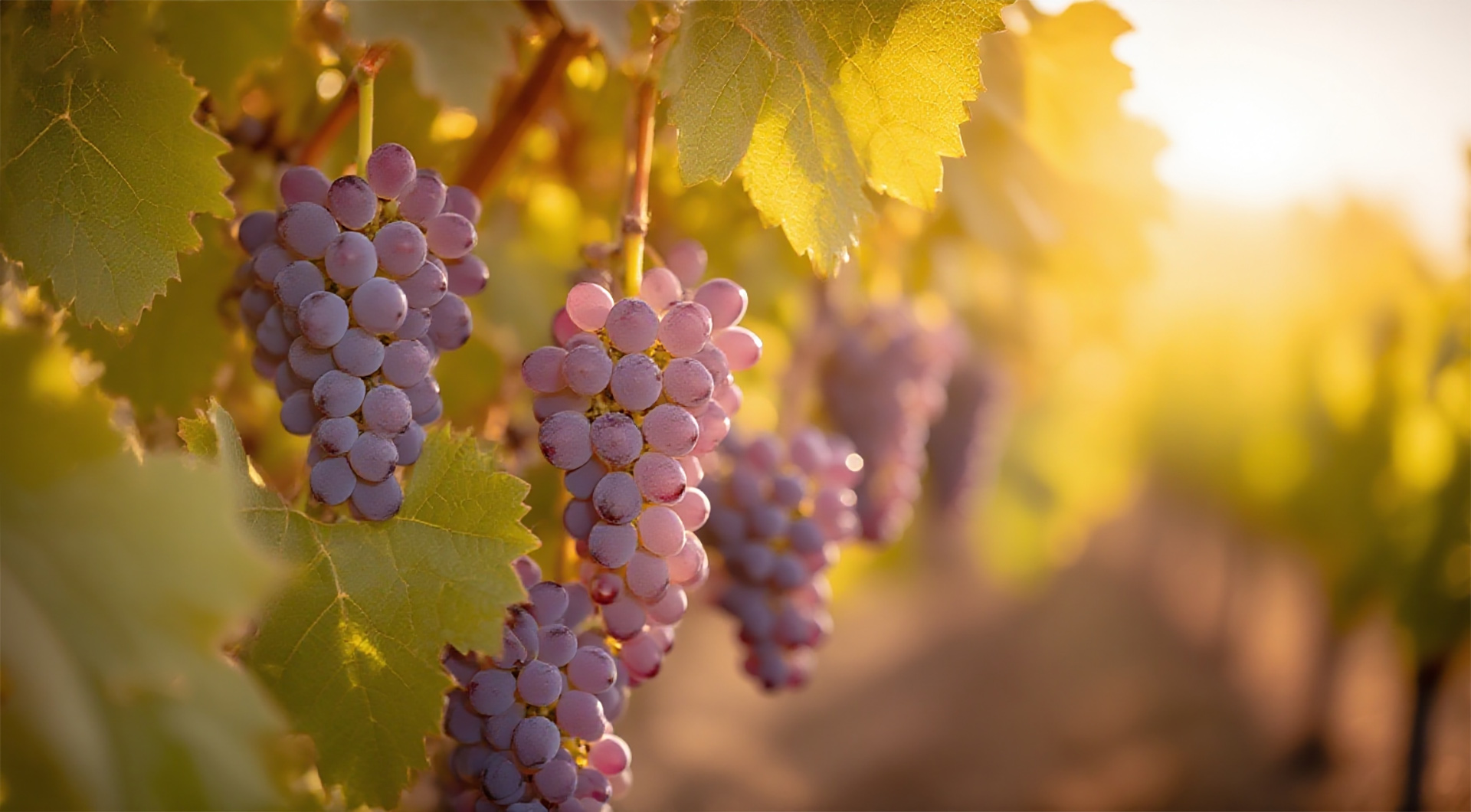
Pinot Gris originated in the Burgundy region of France, evolving as a natural berry-color mutation of Pinot Noir. As a member of the ancient Pinot grape family, it shares centuries of viticultural heritage with Pinot Noir and Pinot Blanc, first documented in medieval French vineyards. Its name derives from its characteristic greyish-pink berry skin hue at full ripeness.
The grape spread gradually across Europe, establishing distinct regional identities in different countries. In Italy, it became known as Pinot Grigio, cultivated for early ripening and crisp, dry, neutral styles suited for mass production. In France’s Alsace region, it developed into a rich, aromatic, structured noble variety capable of powerful late-harvest sweet wines. In modern times, New World regions including Oregon and New Zealand adopted the French “Pinot Gris” naming, prioritizing riper, textured, fruit-forward expressions. Today, it is globally recognized for its unique ability to adapt to diverse terroirs and winemaking philosophies.
3. Viticulture Characteristics
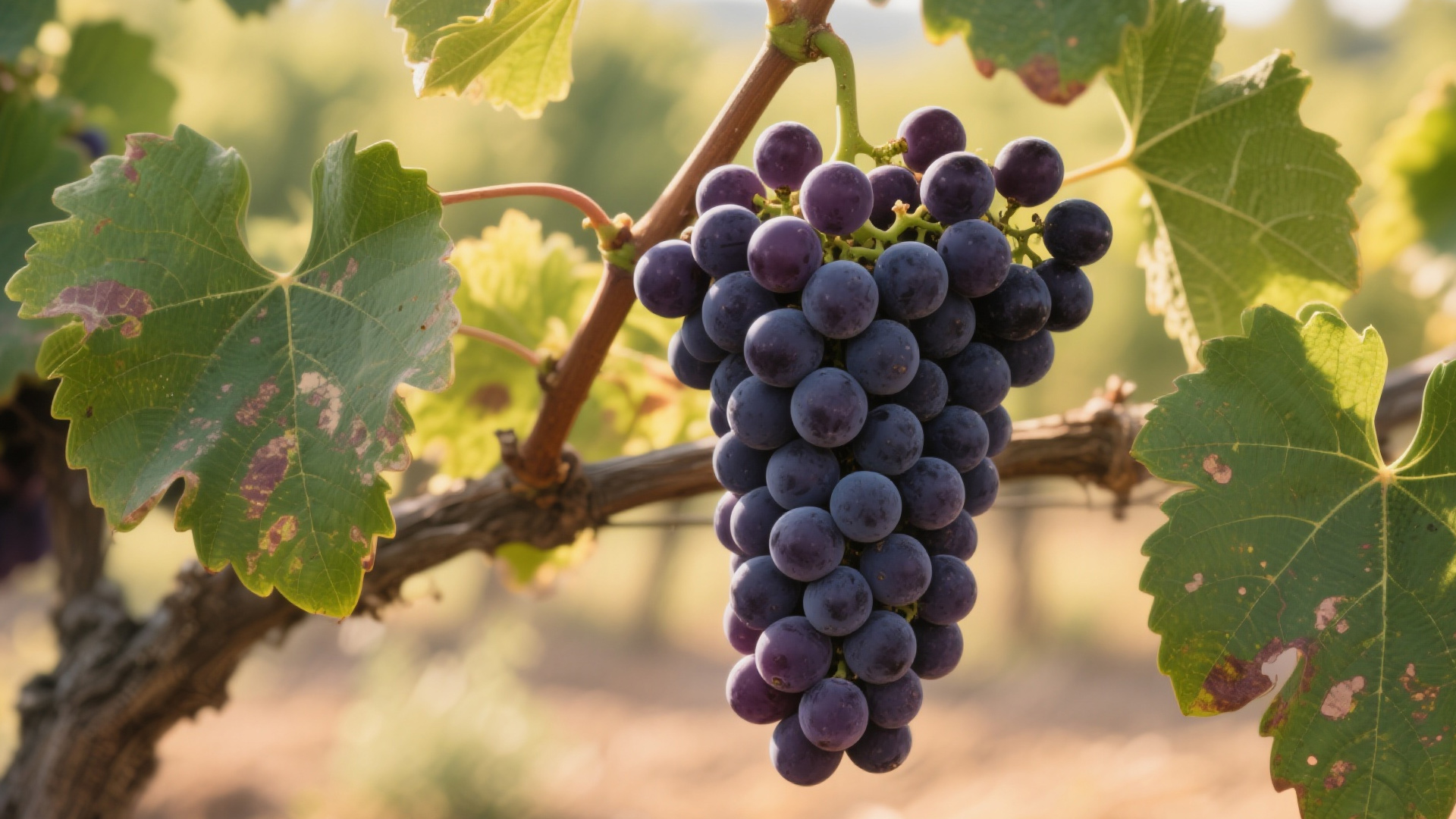
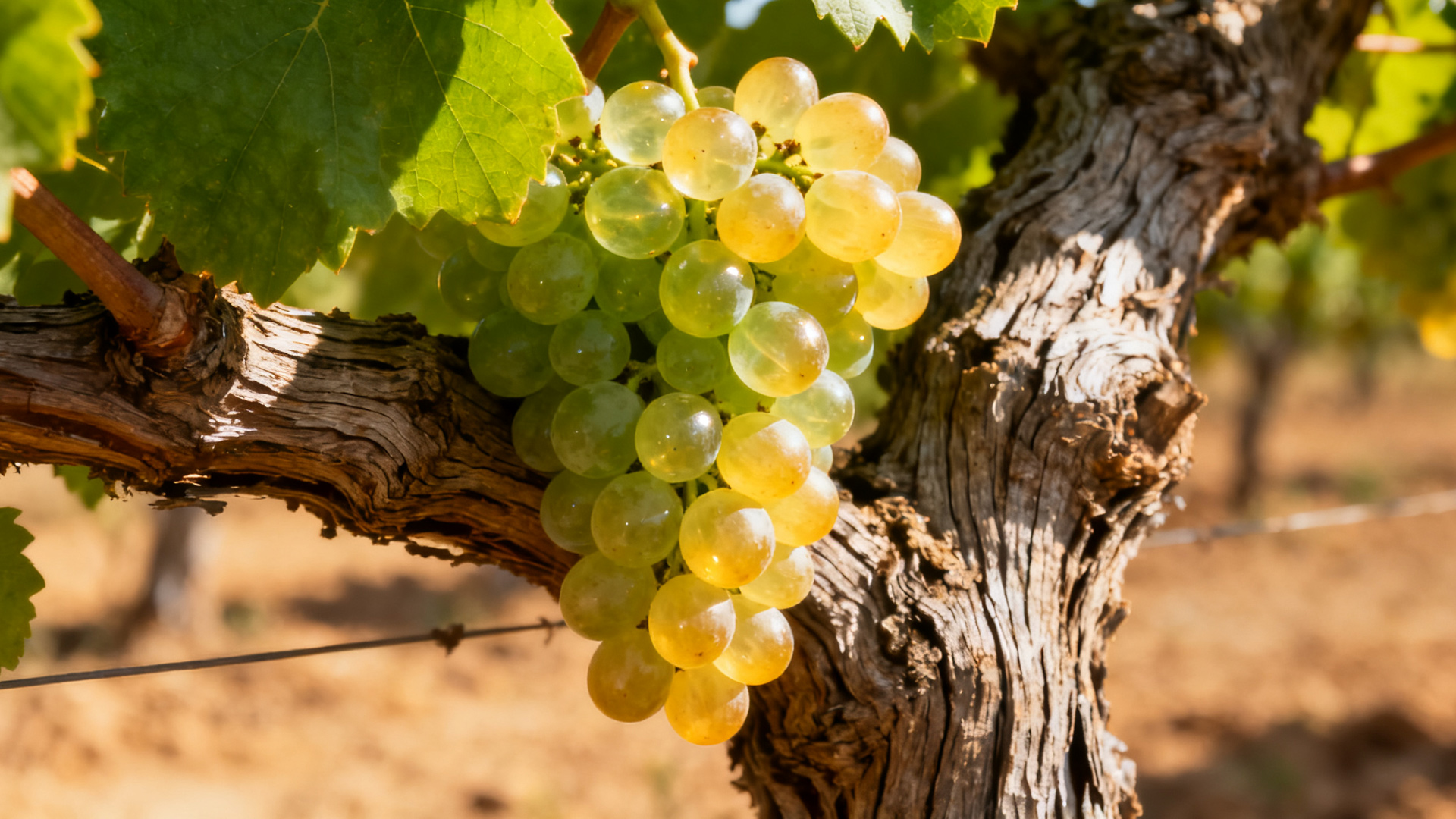
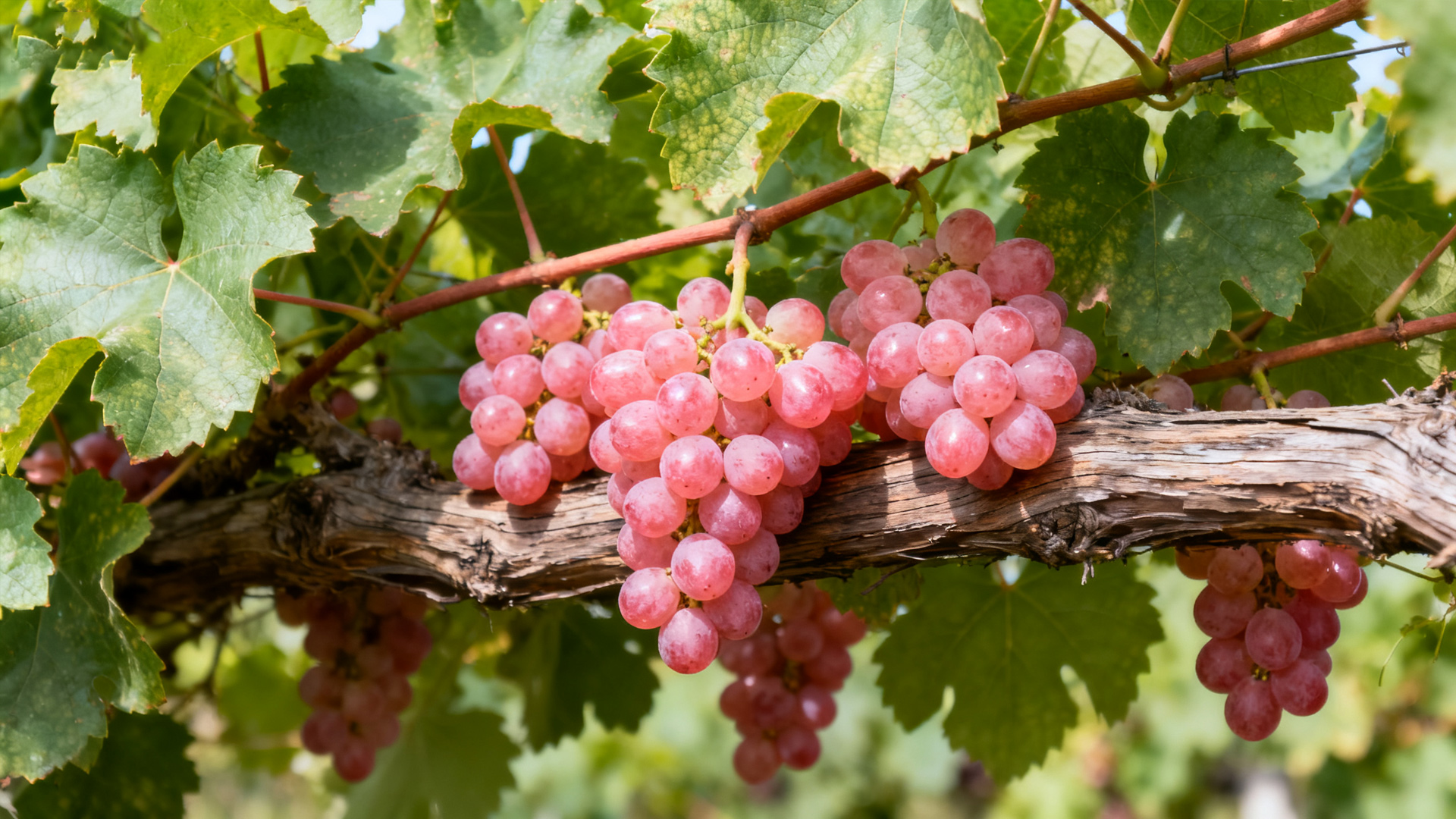
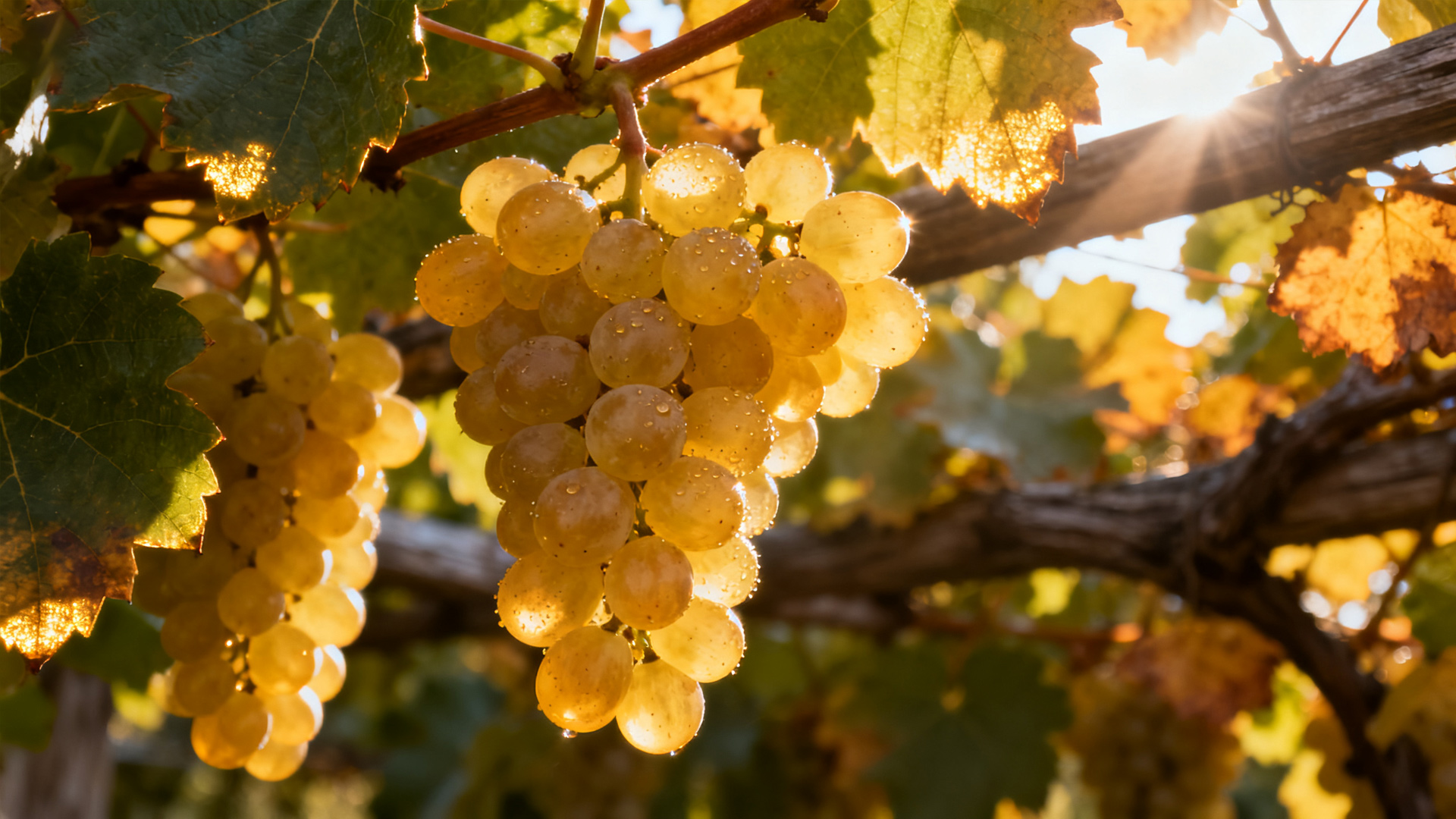
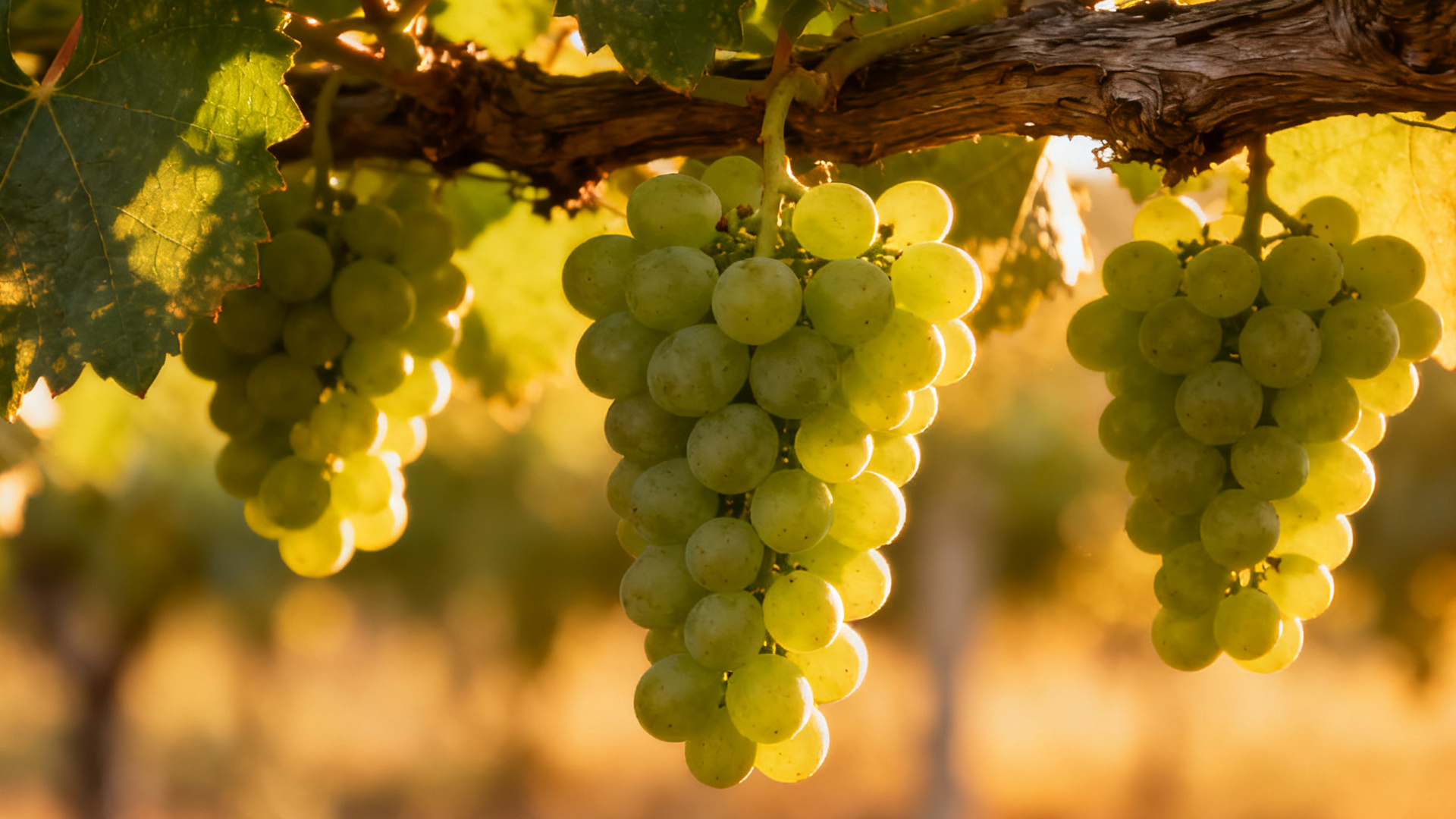
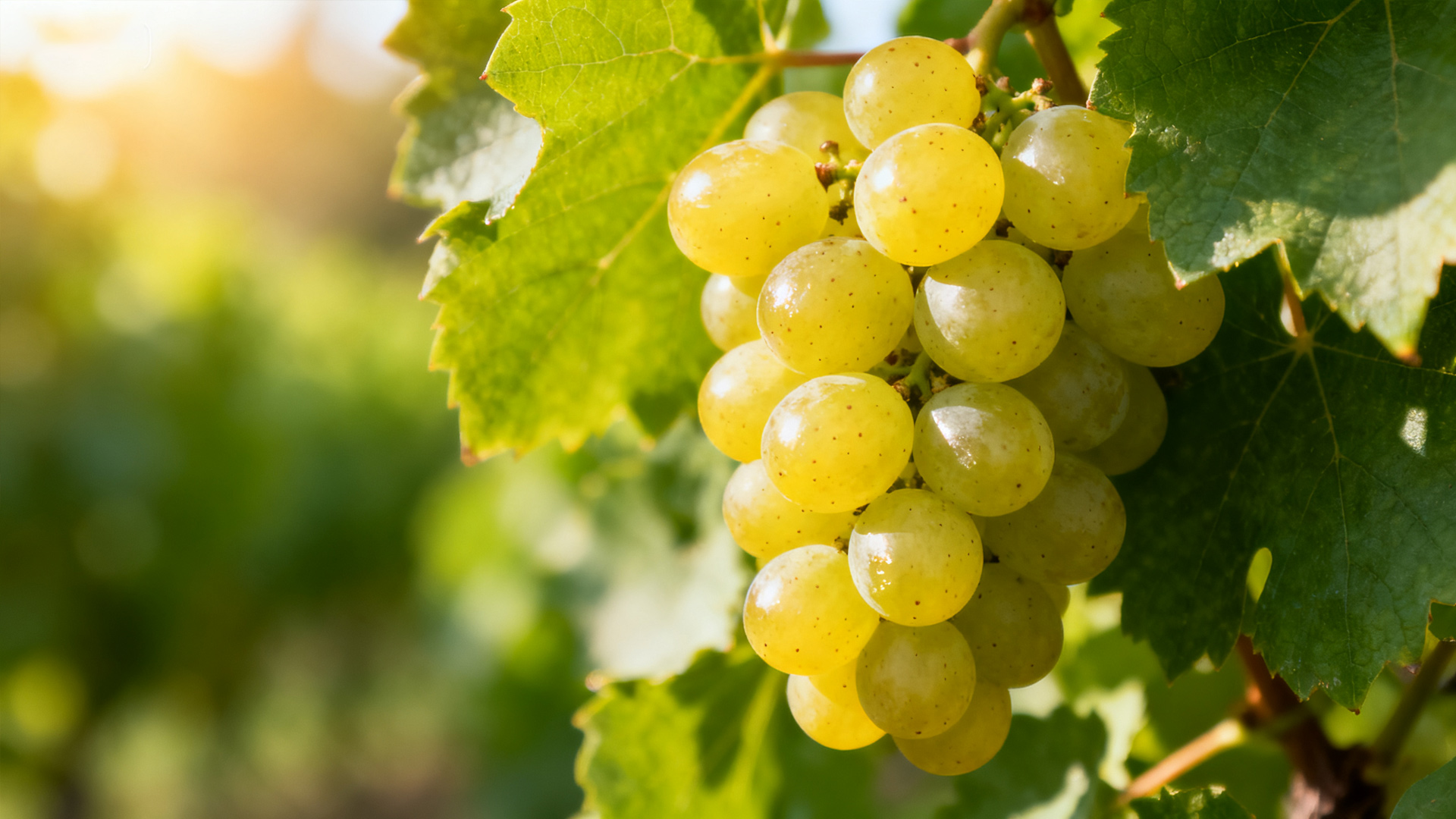
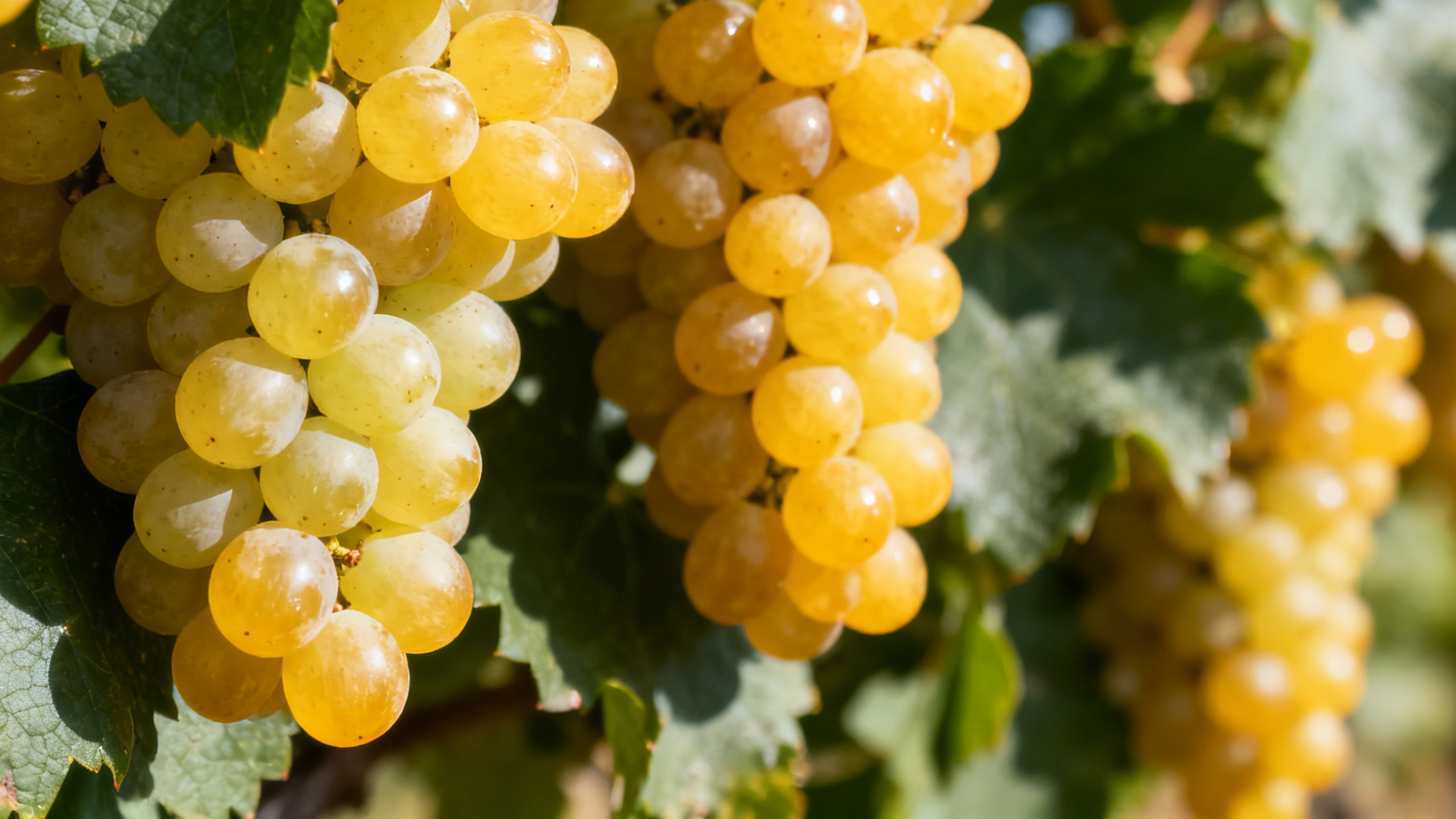
Pinot Gris is a mid-ripening, moderately vigorous white grape variety with distinctive pinkish-gold berry skins, a hallmark of the Pinot color mutation. It produces medium-sized, compact clusters and demonstrates strong adaptability to cool continental and maritime climates, thriving in regions with mild summers and slow, gradual ripening periods.
This variety is highly sensitive to terroir and harvest timing. Picked early in cool conditions, it retains bright acidity and subtle citrus flavors for crisp Pinot Grigio styles. When allowed to fully ripen on the vine, it develops rich stone fruit, honey, and spice complexity with lower acidity and richer texture. It performs best on well-drained loam, volcanic, and limestone soils that enhance mineral tension and fruit concentration. Excessive yields dilute flavor intensity, while low-yield, balanced vines produce the most layered, aromatic Pinot Gris expressions.
4. Flavor & Aroma Profile
Pinot Gris features a generous, aromatic flavor spectrum dominated by ripe stone fruit and soft spice. Rich Old World and New World expressions showcase prominent notes of pear, white peach, apricot, and ripe citrus, layered with delicate ginger, white pepper, and floral honeysuckle undertones.
Italian Pinot Grigio offers a leaner, crisper profile with subtle green apple, lemon zest, and faint mineral notes, with minimal spice and fruit intensity. In contrast, fully ripe Pinot Gris develops lush tropical hints, honeyed sweetness, and gentle nutty complexity. On the palate, quality Pinot Gris delivers a medium-full, creamy texture, moderate balanced acidity, and a smooth, rounded finish. Premium late-harvest and botrytized styles amplify honey and dried fruit richness, retaining enough acidity to avoid cloying sweetness.
5. Winemaking Style
Pinot Gris is defined by two dominant winemaking styles that shape its global reputation. The Italian Pinot Grigio style focuses on early harvesting, cold stainless steel fermentation, and minimal skin contact to produce light, crisp, dry, high-acid wines optimized for immediate drinkability.
The French Alsatian and New World Pinot Gris style prioritizes full ripeness, longer hang time, and restrained oak or lees stirring to build texture, spice, and honeyed complexity. These richer styles range from dry and structured to off-dry and luscious, with premium Alsatian Grand Cru bottlings supporting significant aging potential. Basic entry-level Pinot Grigio and light Pinot Gris wines are best consumed within 1–3 years, while high-quality single-vineyard and late-harvest expressions can age gracefully for 5–8 years, developing subtle tertiary mineral and nutty layers.
6. Top Growing Regions
Alsace, France (Premium Benchmark): Alsace produces the world’s most structured, complex Pinot Gris. The region’s cool continental climate and mineral-rich slopes yield textured, spicy, balanced wines available in dry, off-dry, and late-harvest sweet styles, defining the variety’s premium standard.
Northeast Italy (Classic Pinot Grigio Hub): Veneto and Friuli-Venezia Giulia specialize in light, crisp, dry Pinot Grigio, the most widely exported style globally, characterized by bright acidity and clean citrus fruit purity.
New World Cool Climates: Oregon, New Zealand’s Marlborough, and Tasmania craft ripe, fruity, creamy Pinot Gris with prominent stone fruit and soft spice, striking a balance between Italian crispness and Alsatian richness.
7. Food Pairing
Pinot Gris’s versatile flavor profile and balanced texture make it extremely food-friendly across all styles. Crisp Italian Pinot Grigio pairs perfectly with light seafood, oysters, green salads, fresh vegetable dishes, and mild soft cheeses, with its bright acidity cutting through subtle brininess and freshness.
Rich, off-dry Pinot Gris excels with mildly spicy Asian cuisine, roasted pork, cured meats, creamy pasta sauces, and aromatic herb-forward dishes. Late-harvest sweet styles complement stone fruit desserts, nutty pastries, and mild blue cheese. Its gentle spice and rounded palate fill the perfect middle ground between crisp acidic whites and bold aromatic varieties, suiting a wide range of everyday and elevated culinary pairings.
8. Similar Variety Comparison
Pinot Gris vs. Sauvignon Blanc: Sauvignon Blanc offers bright, zesty citrus, grassy intensity, and sharp upfront acidity with a light, lean texture. Pinot Gris is softer, creamier, spicier, and richer in stone fruit flavor, with less aggressive acidity and greater textural depth, delivering a more rounded, approachable drinking experience.
Pinot Gris vs. Gewurztraminer: Both are aromatic Alsatian white grapes with spicy undertones. Gewurztraminer features powerful lychee, rose, and intense tropical spice with lower acidity. Pinot Gris presents more restrained, elegant aromas, brighter balanced acidity, and versatile dry and off-dry styles, lacking Gewurztraminer’s overpowering exotic perfume.
9. Summary
Pinot Gris is a highly adaptable, food-centric cool-climate white grape renowned for its remarkable stylistic range, from crisp dry Pinot Grigio to rich, spicy, honeyed Alsatian cuvées. Defined by lush stone fruit flavors, subtle warm spice, creamy texture, and balanced acidity, it stands as one of the most versatile and crowd-pleasing white wine varieties globally. Suitable for casual everyday drinking, spicy food pairings, and refined fine-wine occasions, Pinot Gris offers accessible elegance and reliable quality for all types of wine enthusiasts.
© Copyright Notice
All articles are copyrighted by the authors; no reproduction without permission.
THE END


No comments yet