


Name & International Aliases
Petit Verdot is the official international name of this classic Bordeaux red wine grape variety. It is known as 小维多 in Chinese-speaking wine markets and retains consistent phonetic naming conventions across European wine regions. The name “Petit Verdot” translates to “small green”, referencing the variety’s common tendency to ripen late and retain green undertones in cooler vintages.
1. Introduction
Petit Verdot is a classic, bold red wine grape variety originating from the Bordeaux region of France, best known as a key blending component in traditional Left Bank Bordeaux red blends. Though often overshadowed by Cabernet Sauvignon and Merlot, Petit Verdot plays an irreplaceable role in boosting wine color, intensity, spice, and structure. This late-ripening noble grape delivers concentrated dark fruit flavors, deep purple pigment, firm tannins, and vibrant spicy notes, adding complexity and aging backbone to blended red wines. In modern winemaking, it is also crafted into powerful, full-bodied single-variety wines, showcasing intense fruit richness and distinctive aromatic depth.
2. Origin & History
Petit Verdot is a traditional ancient grape variety native to the Bordeaux region in southwestern France, with a viticultural history spanning hundreds of years. It is one of the five classic authorized red blending grapes of Bordeaux, alongside Cabernet Sauvignon, Merlot, Cabernet Franc, and Malbec. Its name originates from its small berry size and frequent under-ripening behavior in cool Bordeaux growing seasons.
Traditionally a minor blending ingredient in Old World winemaking, Petit Verdot was rarely bottled as a standalone varietal due to its unpredictable ripeness in marginal climates. However, it gained massive popularity in New World wine regions during the late 20th century. Regions with warmer, sunnier growing conditions perfectly resolve its late-ripening flaw, allowing the grape to fully mature and display its powerful concentrated character. Today, it is widely cultivated in Australia, California, Chile, and Argentina, celebrated for producing bold, rich, and deeply colored premium red wines.
3. Viticulture Characteristics
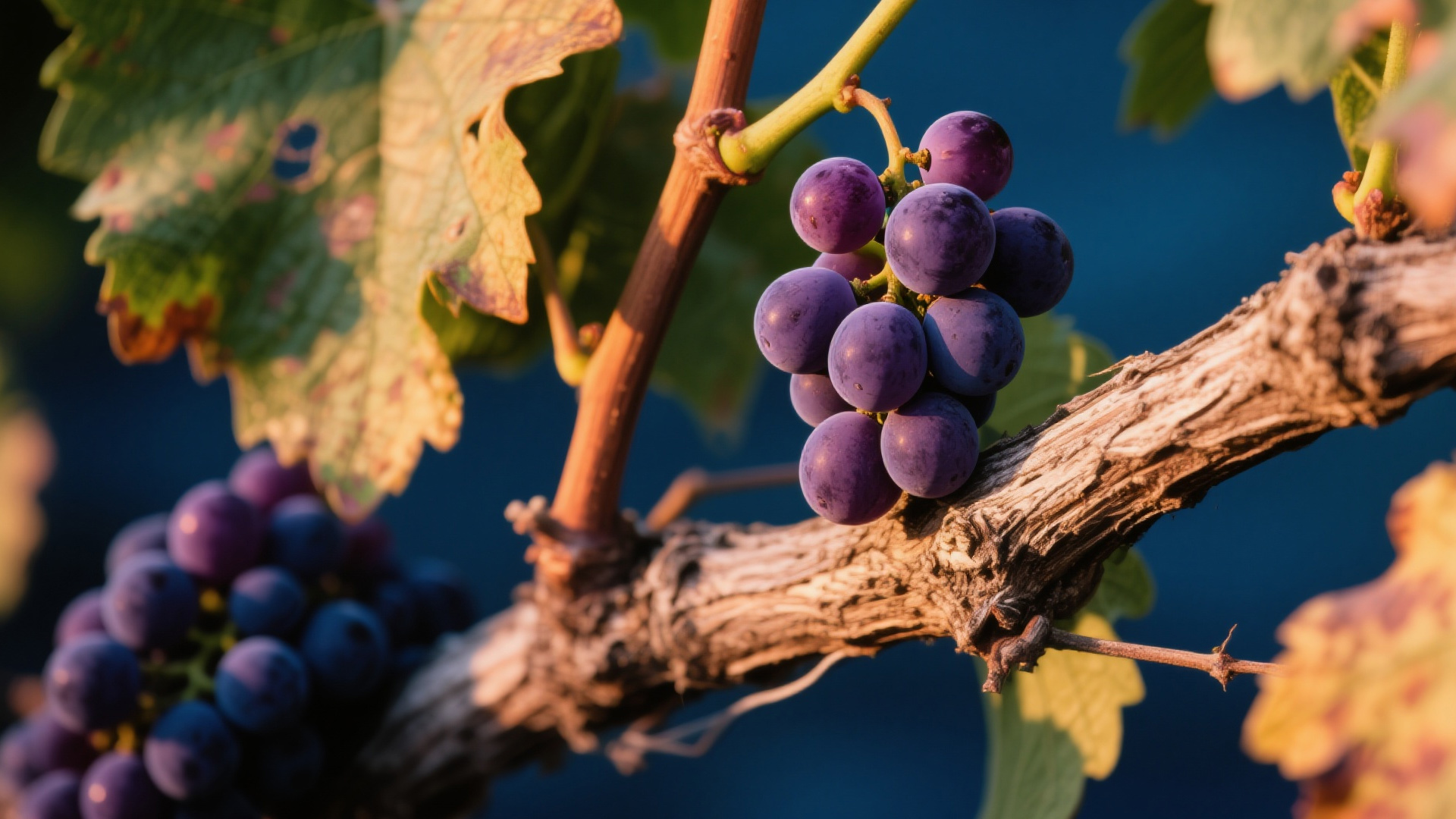
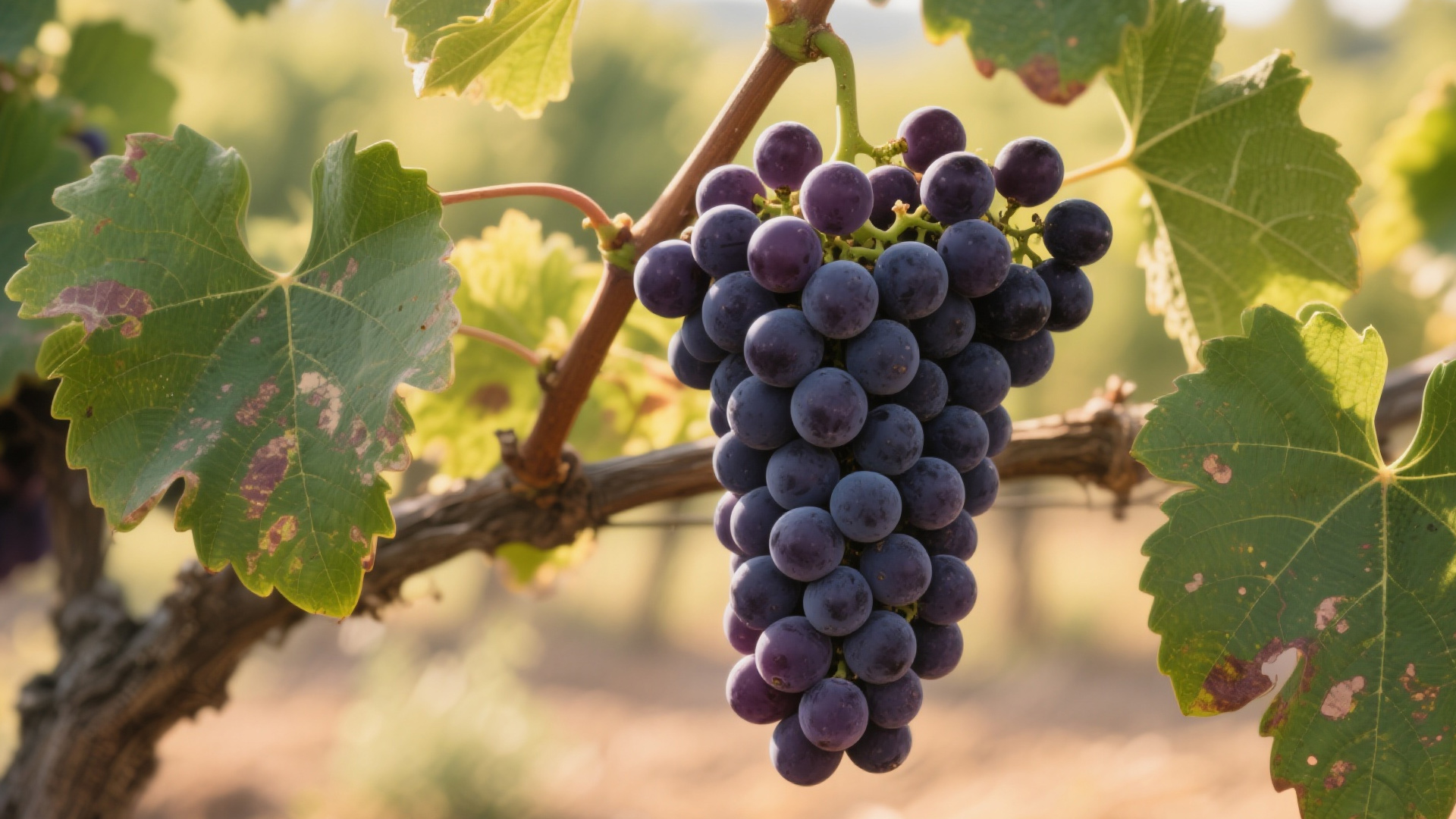
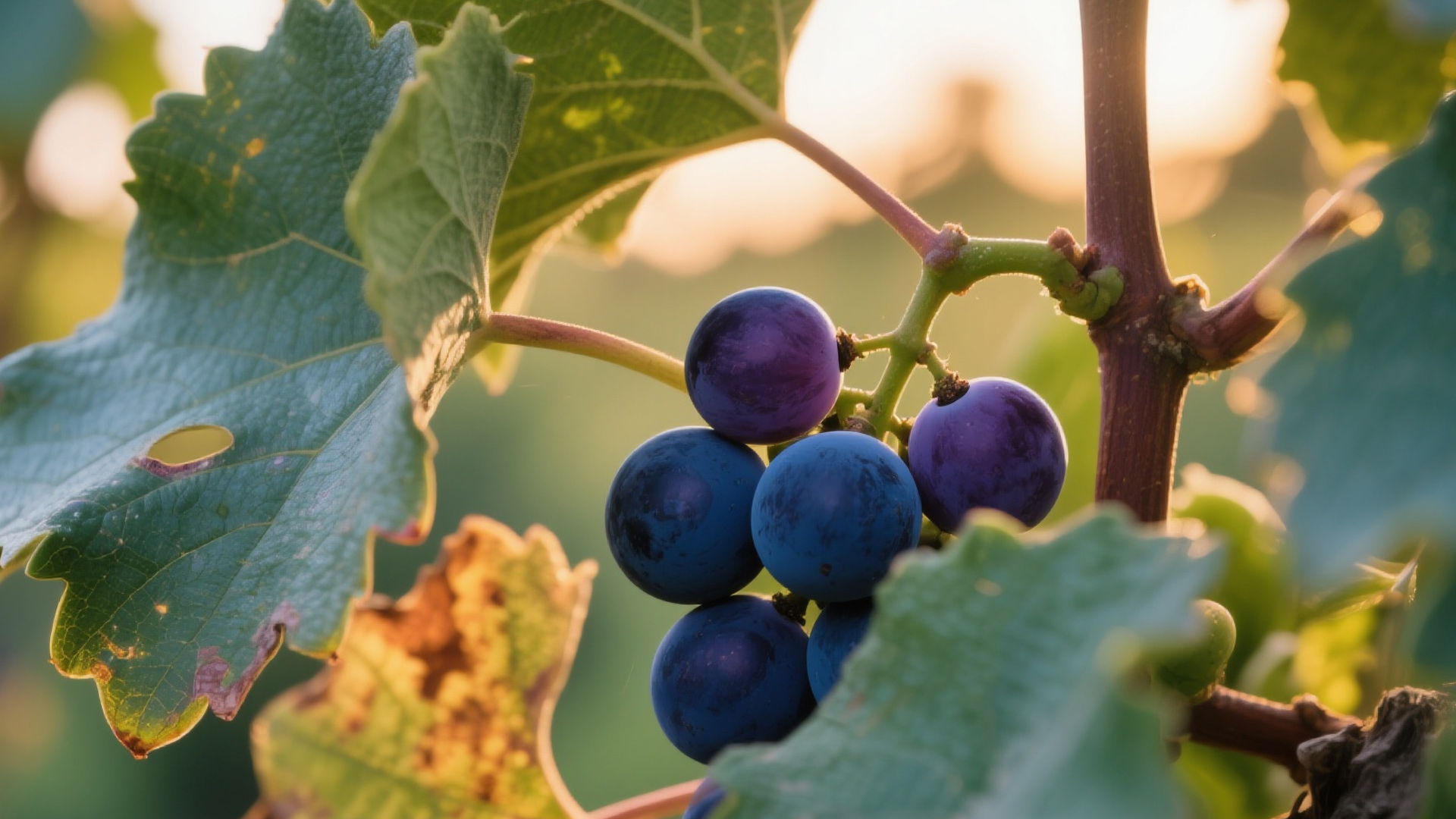
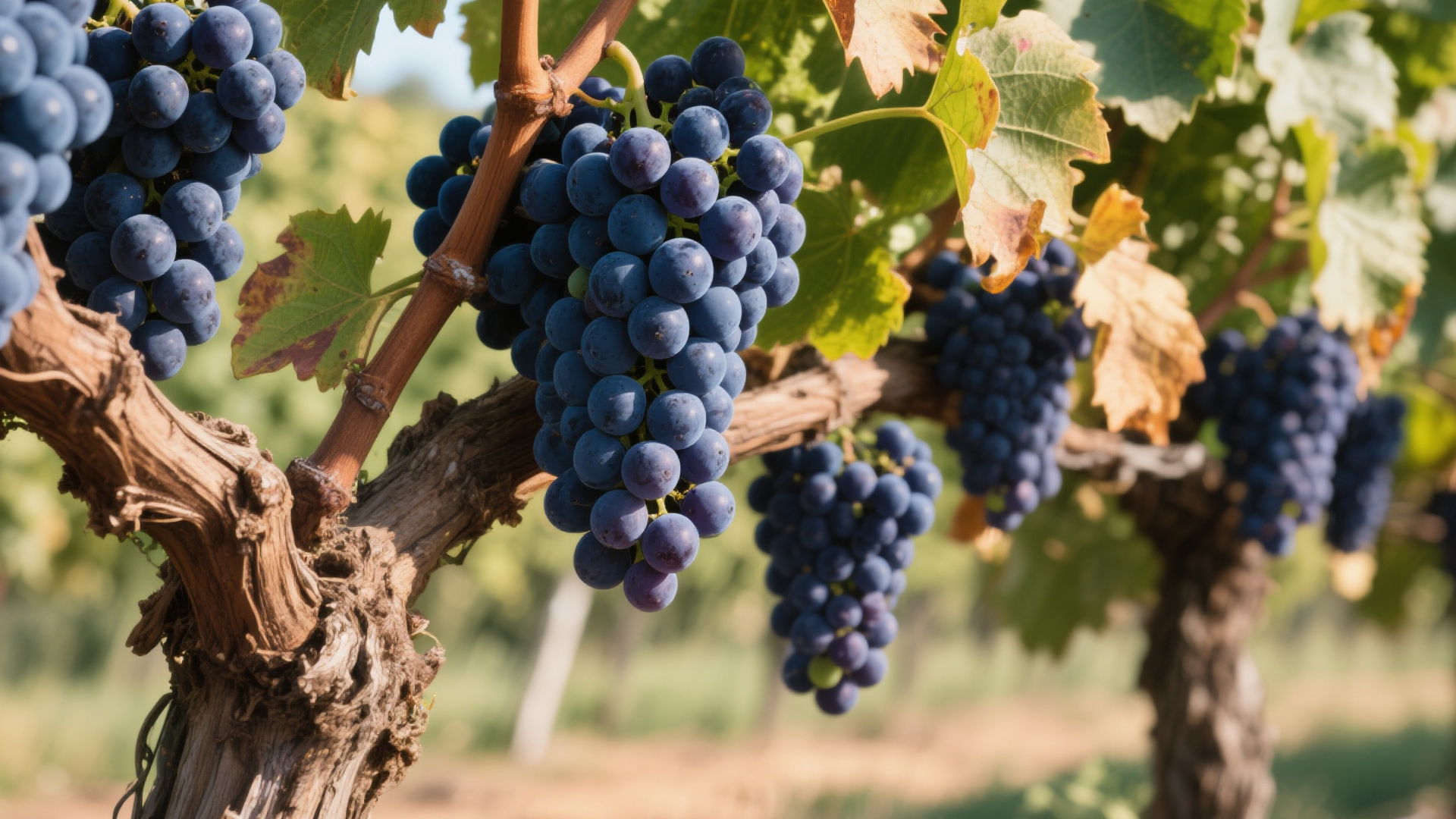
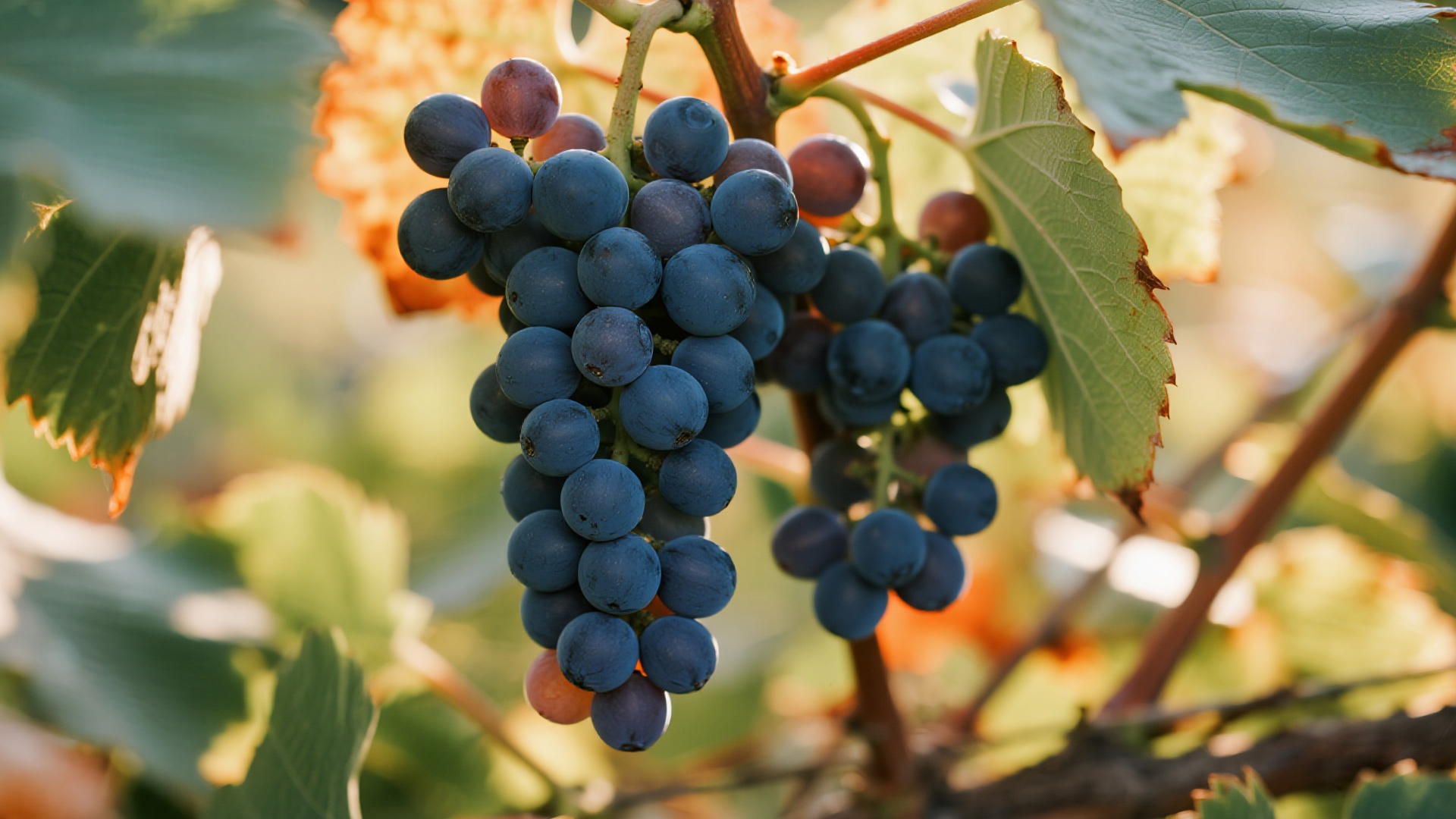
Petit Verdot features highly recognizable viticultural traits, including small, compact, thick-skinned berries and tiny cluster sizes. The thick skin contributes extremely deep color, abundant phenolic compounds, and robust tannin structure, distinguishing it from other Bordeaux varietals. The vine grows vigorously with upright canopies and strong disease resistance.
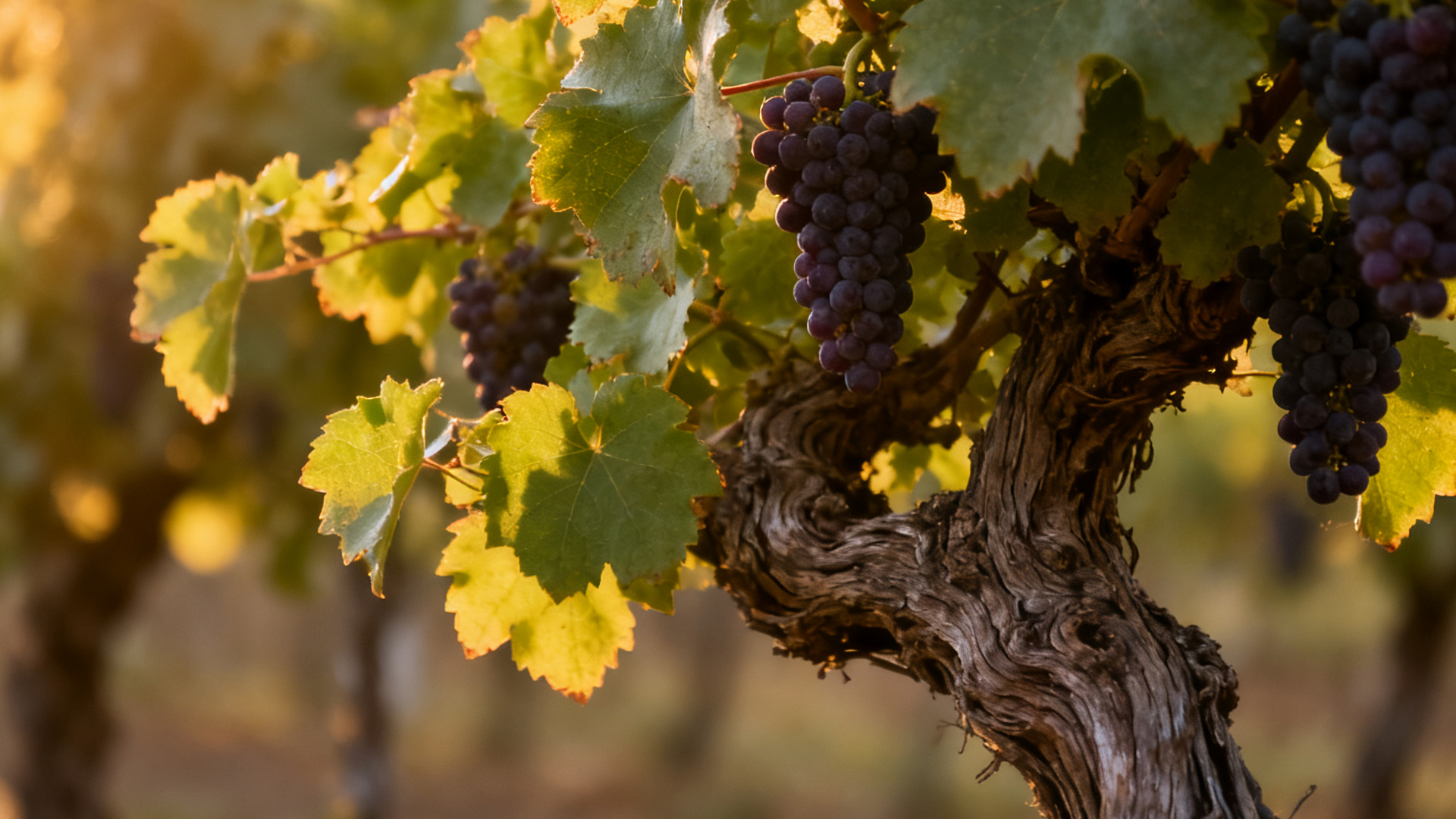
The variety’s most defining characteristic is its extremely late ripening cycle. It requires the longest growing season and maximum sunlight exposure among all Bordeaux red grapes to achieve full phenolic ripeness. In cool, rainy vintages, Petit Verdot struggles to ripen fully, retaining harsh green vegetal flavors and unbalanced acidity. It thrives best in warm, dry, well-drained gravel or loam soils that accelerate ripening and concentrate fruit flavors. Strict yield control is essential to produce high-quality Petit Verdot, as excessive crops result in diluted flavors and weak structure.
4. Flavor & Aroma Profile
Petit Verdot offers an intense, powerful, and concentrated flavor profile dominated by ripe dark fruit and bold spicy notes. Youthful wines present explosive aromas of blackberry, black plum, black cherry, and dark jam, accompanied by prominent violet floral hints, mocha, and warm baking spice tones. Unlike other Bordeaux grapes, it features almost no red fruit characteristics, focusing entirely on deep dark fruit intensity.
After oak aging, Petit Verdot develops rich secondary aromas of vanilla, dark chocolate, tobacco, smoked spice, and caramel. On the palate, it displays a full-bodied texture, high alcohol content, firm grippy tannins, and vibrant acidity with a very long persistent finish. Fully ripe Petit Verdot is remarkably lush and concentrated, while underripe expressions show green herbal and stemmy undertones. With bottle aging, its harsh tannins soften, evolving complex earthy, leather, and truffle tertiary layers.
5. Winemaking Style
Petit Verdot serves two primary winemaking roles: a critical blending agent and a premium single-variety wine grape. In traditional Bordeaux winemaking, it is added in small proportions to boost color intensity, spice complexity, tannin structure, and aging potential for Cabernet-dominant blends.
For single-varietal winemaking, winemakers utilize extended maceration to extract maximum color, tannins, and phenolic complexity from the thick skins. Oak aging is standard for premium Petit Verdot wines; both French and American oak enhance its spicy, chocolate, and vanilla layers, complementing its bold dark fruit core. This variety possesses excellent aging potential. Entry-level wines can be enjoyed within 3–5 years, while high-quality single-vineyard Petit Verdot can age gracefully for 10–15 years, developing sophisticated layered complexity over time.
6. Top Growing Regions
Bordeaux, France (Traditional Origin): As its native terroir, Bordeaux uses Petit Verdot exclusively as a minor blending component. Cooler maritime climates limit full ripening, resulting in restrained, structured, spice-accented contributions to classic Bordeaux blends.
South Australia & California, USA (New World Benchmarks): Warm, sun-drenched New World regions produce the world’s finest single-variety Petit Verdot wines. Australian and Californian Petit Verdot delivers fully ripe, ultra-concentrated dark fruit flavors, bold spice, and plush textures, showcasing the grape’s maximum potential.
Other Key Regions: Chile, Argentina, and Spain also produce high-quality Petit Verdot. These warm-climate regions yield rich, approachable, full-bodied expressions with balanced ripeness and bold aromatic intensity.
7. Food Pairing
Thanks to its full body, firm tannins, high concentration, and bold spicy profile, Petit Verdot pairs perfectly with hearty, fatty, and intensely flavored dishes. Ideal pairings include grilled ribeye steak, braised beef, roasted lamb chops, smoked meats, and rich game dishes. Its powerful tannins effectively cut through heavy fats and balance savory, robust flavors.
Additionally, Petit Verdot complements aged hard cheeses, mushroom risottos, truffle-based dishes, and bold seasoned stews. Heavily spicy cuisines and delicate light seafood are not recommended, as they either clash with the grape’s natural spice or get overwhelmed by its intense concentration.
8. Similar Variety Comparison
Petit Verdot vs. Cabernet Sauvignon: Both are full-bodied, structured Bordeaux grapes with strong aging potential. Cabernet Sauvignon features prominent blackcurrant, cedar, and herbal notes with tighter, more elegant tannins. Petit Verdot offers riper, darker jammy fruit, stronger spice intensity, deeper color, and a more powerful, upfront palate with less herbal restraint.
Petit Verdot vs. Malbec: Malbec presents juicy blackberry, plum, and violet notes with softer, rounder tannins and approachable fruit-forward character. Petit Verdot is far more concentrated, spicier, more structured, and less fruity-sweet, with bolder tannins and superior aging capacity.
9. Summary
Petit Verdot is a powerful, concentrated noble red grape with deep Bordeaux heritage and outstanding New World expression. Renowned for its impenetrable dark color, intense dark fruit richness, bold spicy complexity, and firm structured tannins, it serves as both a vital blending backbone and a premium standalone varietal. Thriving in warm climates where other grapes struggle to ripen fully, Petit Verdot delivers bold, luxurious, and age-worthy red wines. It is an excellent choice for wine lovers who prefer full-bodied, intense, and highly structured red wines with prominent spice and depth.
© Copyright Notice
All articles are copyrighted by the authors; no reproduction without permission.
THE END


No comments yet