


Name & International Aliases
Gamay is the globally recognized official name of this classic French red wine grape. It is known as 佳美 in Chinese-speaking wine markets and retains consistent phonetic naming across European wine regions. Officially named Gamay Noir à Jus Blanc in botanical records, it refers to the red-fleshed, clear-juice clone that dominates commercial winemaking.
1. Introduction
Gamay is a lightweight, fruit-forward red wine grape originating from eastern France, famously known as the sole grape behind Beaujolais wines. Unlike structured, tannic noble red varieties, Gamay specializes in producing fresh, juicy, highly drinkable red wines defined by bright red fruit, vibrant acidity, and extremely soft tannins. It is best known for its signature youthful, bursting fruit character and approachable style, making it one of the most beginner-friendly red wines in the world. Thanks to its unique carbonic maceration winemaking style, Gamay delivers a vibrant, aromatic profile that stands distinctly apart from traditional oak-aged red wines.
2. Origin & History
Gamay’s history dates back over 700 years, originating in the village of Gamay near Beaujeu in the Beaujolais region of France. Historical records show it was widely planted in Burgundy during the Middle Ages. Due to its high yield and easy-growing nature, it once overshadowed Pinot Noir, leading to a historic ban on Gamay planting in core Burgundy terroirs, confining the variety primarily to the Beaujolais area.
For centuries, Gamay remained a regional specialty of Beaujolais. It rose to global popularity in the 20th century with the launch of Beaujolais Nouveau, a fast-fermented, early-release seasonal wine that became a worldwide cultural phenomenon. Today, Gamay remains deeply tied to its French heritage, with the vast majority of global plantings concentrated in Beaujolais, while small plantings exist in Switzerland, Canada, and New Zealand for cool-climate expressions.
3. Viticulture Characteristics
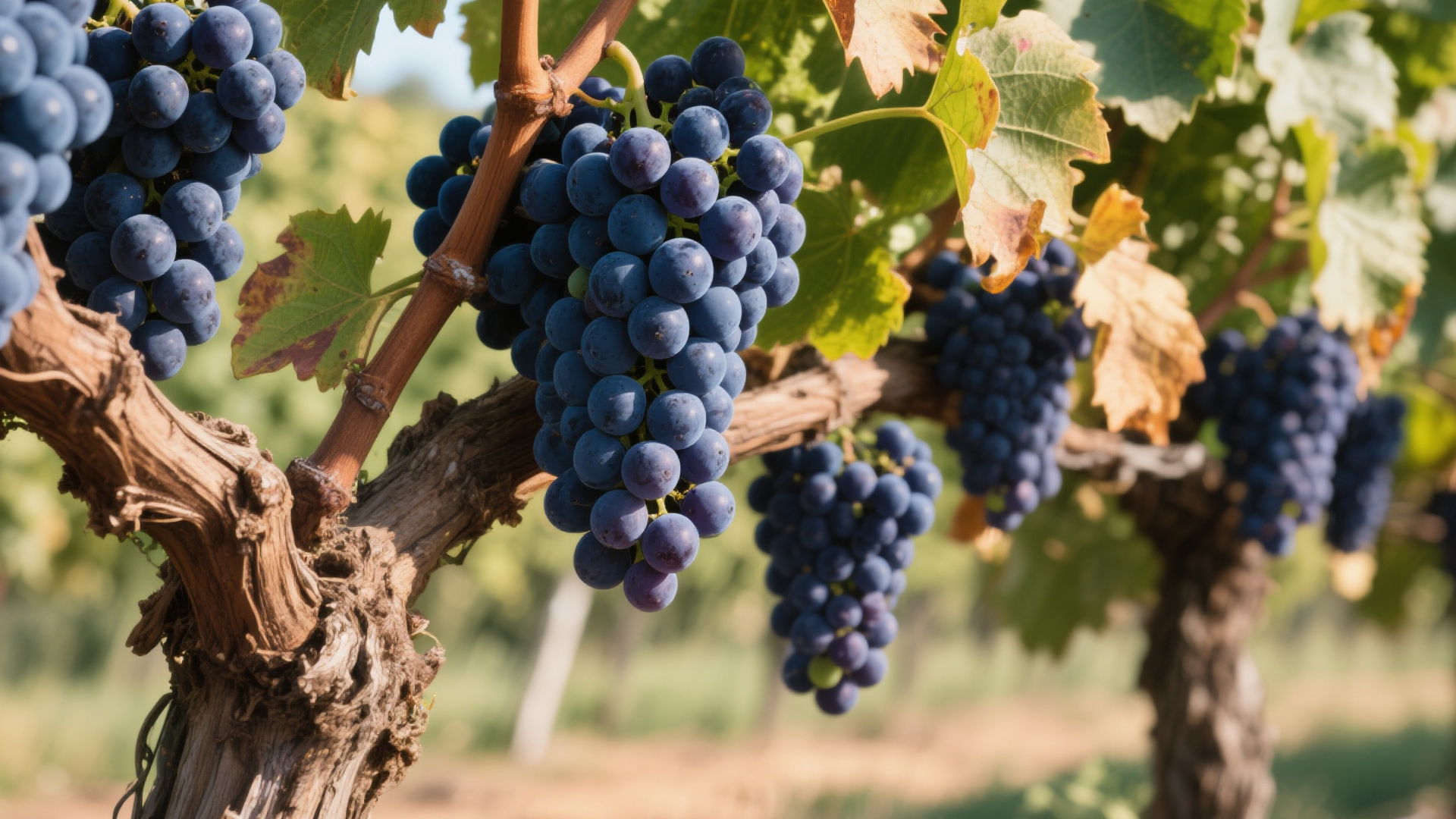
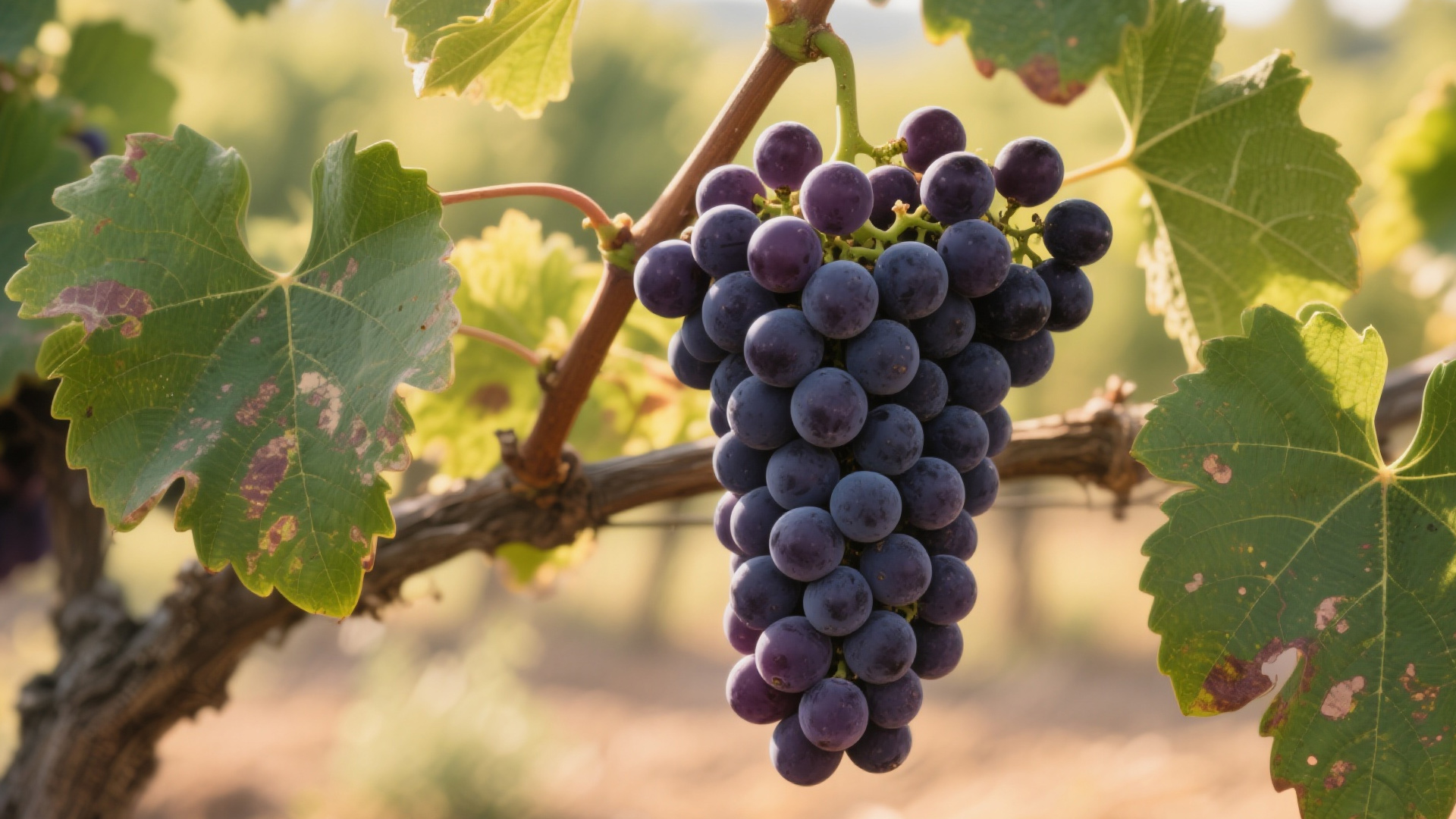
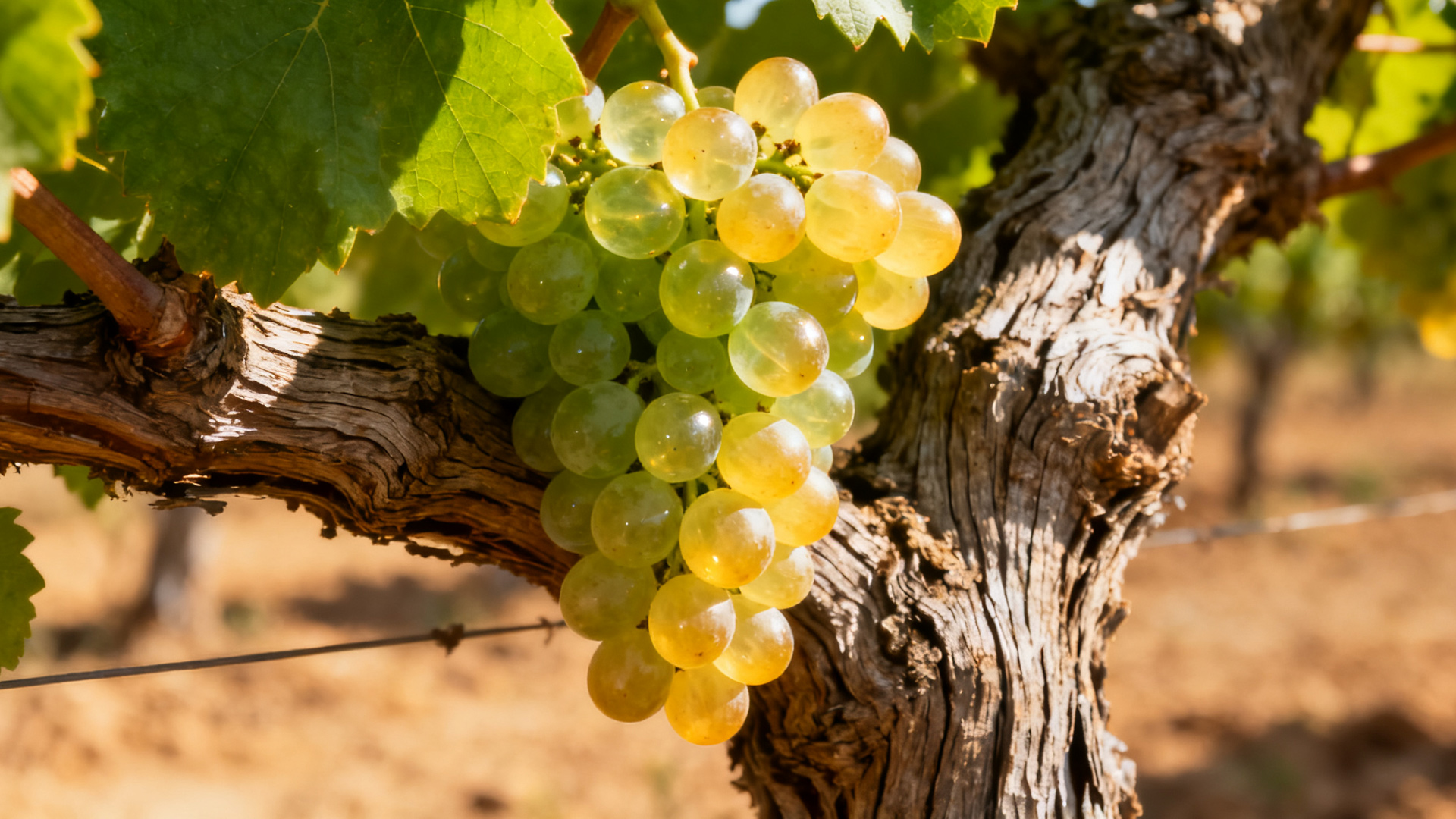
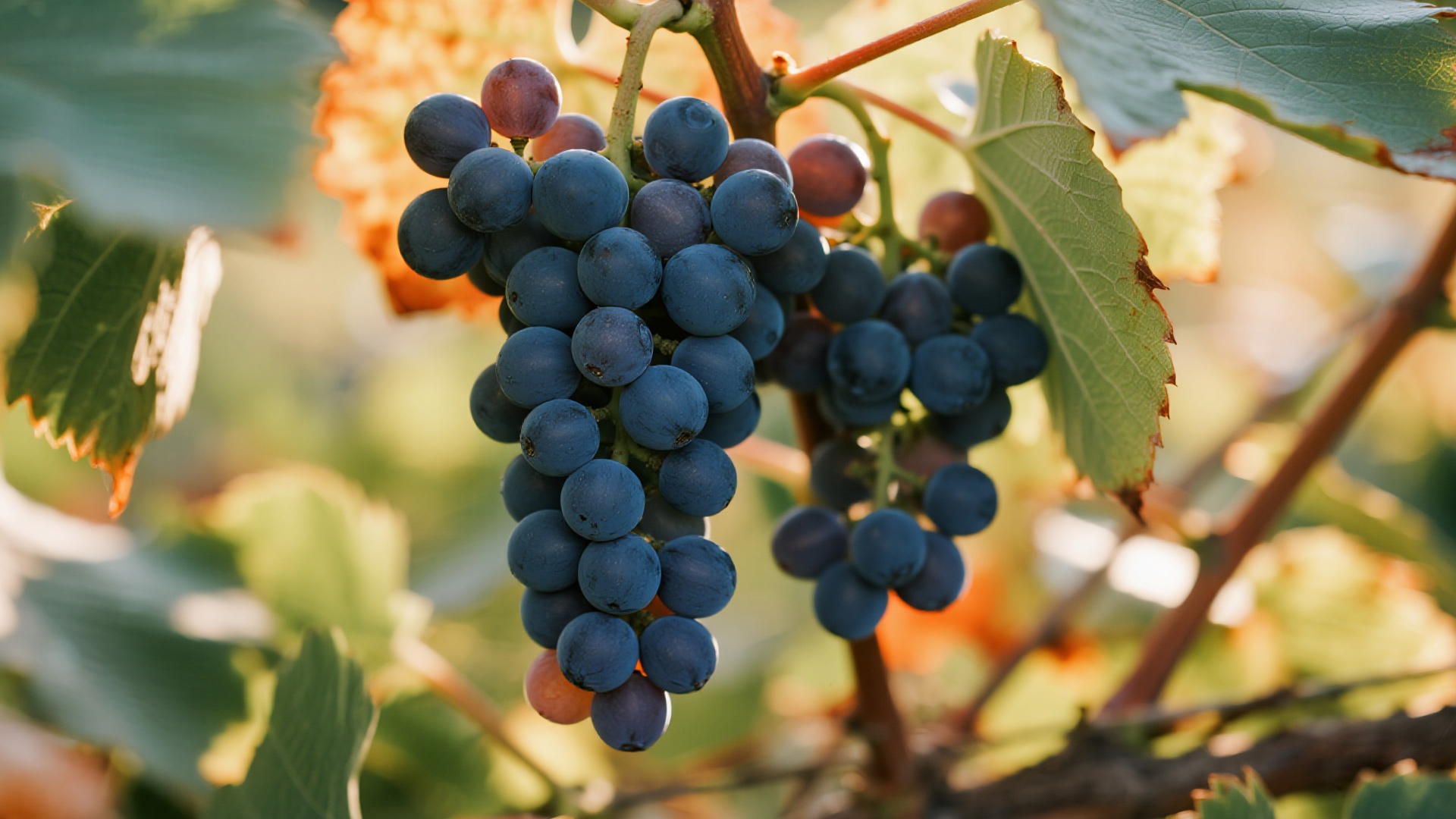
Gamay is a vigorous, early-ripening red grape variety with high productivity and strong cold resistance, perfectly adapted to cool continental climates. It produces medium-sized, compact clusters with thin skins and low phenolic concentration, which naturally results in low tannin, light-colored wines.
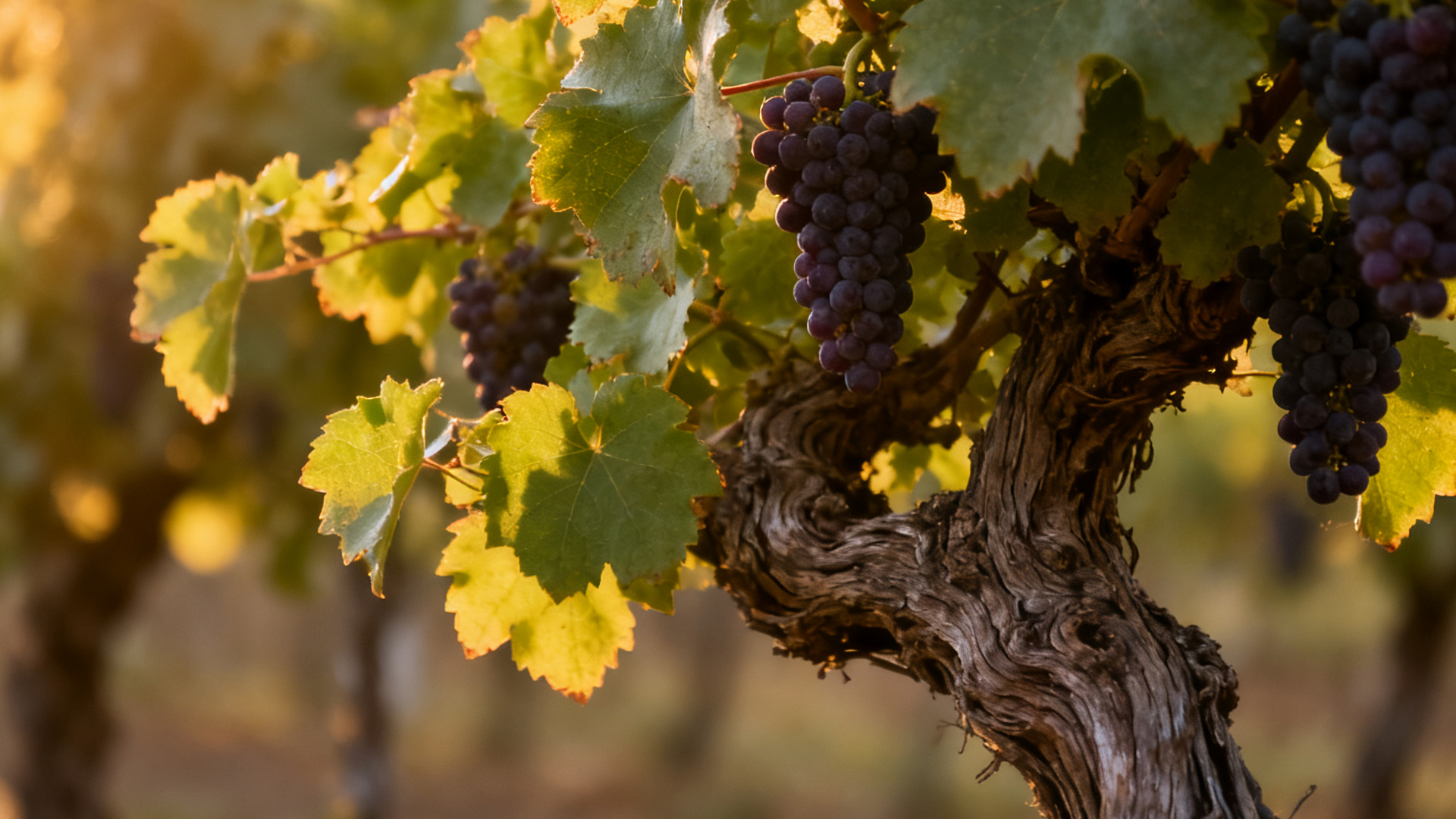
The variety thrives best on granite-based soils, the signature terroir of northern Beaujolais. Granite soils provide excellent drainage, low fertility, and mineral tension, lifting Gamay’s bright fruit and adding subtle earthy complexity. In fertile flatland soils, Gamay tends to produce excessive yields, resulting in diluted, watery flavors with less aromatic intensity. It requires moderate sunlight and cool growing conditions to preserve its signature crisp acidity and fresh red fruit character, while avoiding over-ripeness that dulls its vibrant personality.
4. Flavor & Aroma Profile
Gamay features one of the brightest, most aromatic, and fruit-forward profiles among all classic red grapes. Youthful Gamay wines display explosive primary aromas of fresh red cherry, strawberry, red currant, and ripe banana, paired with iconic bubblegum and violet floral notes—traits strongly amplified by carbonic maceration winemaking.
Terroir-driven premium Gamay from Cru Beaujolais offers deeper layered complexity, adding subtle earthy, mineral, and spicy undertones. On the palate, Gamay has a light to medium body, vibrant lively acidity, almost non-existent harsh tannins, and a clean, juicy finish. Basic entry-level Gamay focuses on pure fruity sweetness, while aged Cru Beaujolais develops subtle truffle, dried red fruit, and herbal complexity with graceful bottle evolution.
5. Winemaking Style
Gamay winemaking is defined by its iconic carbonic maceration technique, which differentiates it from all other red wines. Whole clusters are sealed in carbon dioxide-rich tanks for anaerobic fermentation, extracting bright fruit aromas while minimizing harsh tannin extraction. This method creates the wine’s signature banana, bubblegum, and vivid red fruit flavors.
Most affordable Gamay and Beaujolais Nouveau are fermented in stainless steel and released within weeks of harvest for immediate youthful enjoyment. Premium Cru Beaujolais from top granite terroirs may utilize traditional open fermentation and subtle neutral oak aging to build structure and depth. Gamay has dual drinking styles: Nouveau-style wines are best consumed within 1 year, while high-level single-vineyard Cru Beaujolais can age gracefully for 5–10 years, developing elegant tertiary earthy and savory characteristics.
6. Top Growing Regions
Beaujolais, France (Global Benchmark & Core Origin): The Beaujolais region in southern Burgundy is the undisputed home of Gamay. Northern Beaujolais’ granite terroirs produce structured, mineral-driven Cru Beaujolais with excellent aging potential, while southern limestone soils deliver softer, fruitier, approachable regional bottlings. This region defines 90% of the world’s premium Gamay production.
Switzerland & Savoie, France: These neighboring cool-climate regions produce small quantities of elegant, fresh Gamay wines with bright acidity and pure red fruit expression, showcasing restrained, terroir-focused styles.
New World Cool Climates: Limited plantings in Oregon, New Zealand, and Canada produce bright, fresh Gamay wines with ripe red berry flavors and soft texture, tailored for early drinking and casual wine consumption.
7. Food Pairing
Thanks to its light body, low tannins, bright acidity, and juicy red fruit character, Gamay is one of the most food-versatile red wines available. It pairs beautifully with charcuterie, cured meats, ham, and mild sausages, with its vibrant acidity cutting through salt and fat perfectly.
Gamay also complements light poultry dishes, roasted vegetables, fresh salads, mushroom-based pastas, and soft creamy cheeses. Uniquely for red wine, it works well with lightly seasoned Asian cuisine and mild spicy dishes. It pairs poorly with heavy braised red meats and overly rich sauces, which can overpower its delicate, bright fruit personality.
8. Similar Variety Comparison
Gamay vs. Pinot Noir: Both are light-bodied, high-acid, cool-climate French red grapes with red fruit dominance. Pinot Noir offers more earth, forest floor, floral complexity, and finer structured tannins with stronger aging potential. Gamay is brighter, juicier, more fruit-forward, and more aromatic, with far softer tannins and earlier drinkability.
Gamay vs. Sangiovese: Sangiovese features sour cherry, herbal, and rustic earthy notes with noticeable firm tannins and high acidity. Gamay is sweeter, fruitier, more aromatic, and less structured, delivering a smoother, more approachable drinking experience with no harsh tannic bite.
9. Summary
Gamay is a uniquely fresh, juicy, and aromatic cool-climate red grape that defines the Beaujolais wine region’s identity. Celebrated for its vibrant red berry flavors, signature candy-like aromatic traits, bright acidity, and ultra-soft tannin structure, it produces some of the most drinkable and food-friendly red wines in the industry. Balancing easy-drinking charm with serious terroir complexity in its premium expressions, Gamay suits both casual everyday consumption and refined fine-wine occasions. It is the perfect choice for wine lovers seeking light, fresh, fruity, and low-tannin red wines.
© Copyright Notice
All articles are copyrighted by the authors; no reproduction without permission.
THE END


No comments yet