


Name & International Aliases
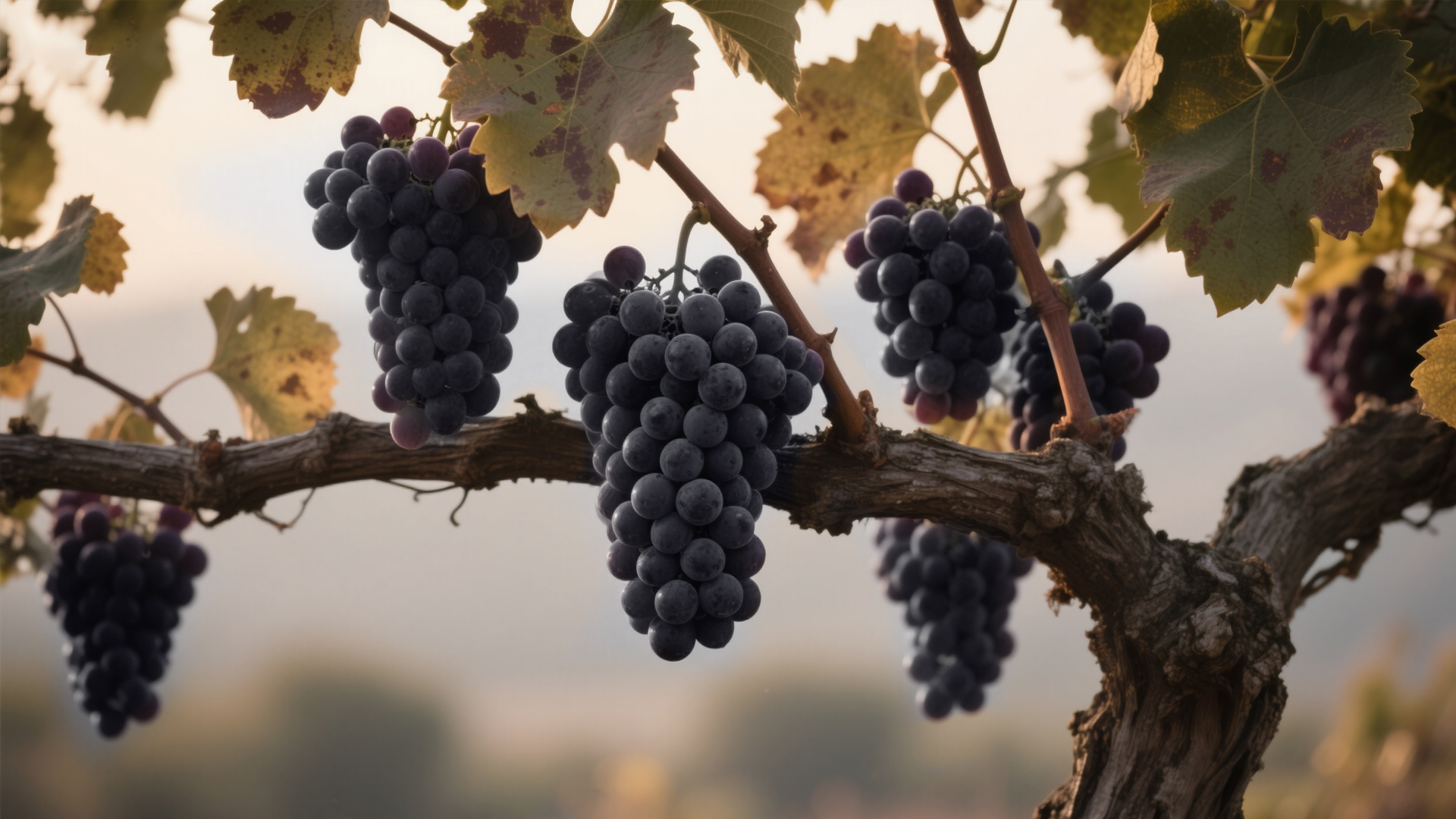
Pinot Noir is the official international name of this prestigious noble red wine grape. It is known as 黑皮诺 in Chinese-speaking wine markets. The name translates to “black pine” in French, referencing its tight, pinecone-shaped berry clusters. It has no major commercial synonyms, maintaining a unified global identity as one of the world’s most revered fine wine varieties.
1. Introduction
Pinot Noir is a delicate, elegant light-bodied noble red grape originating from France’s Burgundy region, widely regarded as the most sophisticated and terroir-expressive wine variety in existence. Famous for its transparent flavor profile, intricate aromatic complexity, and fragile growing nature, Pinot Noir produces wines of remarkable finesse, unlike bold, powerful red grapes. Defined by bright red berry fruit, silky fine-grained tannins, vibrant acidity, and distinctive earthy-floral layers, it balances graceful early drinkability with extraordinary aging potential in premium vintages. As the sole red grape of Burgundy’s grand cru vineyards and a core sparkling wine component, Pinot Noir holds unparalleled status in fine wine culture.
2. Origin & History
Pinot Noir is one of the oldest domesticated wine grapes in history, with uninterrupted cultivation in Burgundy for over 2,000 years. Believed to descend from ancient wild Vitis vinifera vines, it evolved naturally in Burgundy’s cool continental climate, becoming the region’s flagship noble red variety by the medieval era.
For centuries, Pinot Noir remained exclusive to Burgundy, where monks and winemakers refined its cultivation and winemaking techniques, establishing the world’s most rigorous terroir classification system centered entirely on this single grape. Unlike adaptable mass-production varieties, Pinot Noir refuses to compromise quality in warm climates, limiting its global spread. In modern times, it found ideal secondary homes in Champagne for sparkling wine structure, Oregon, New Zealand’s Marlborough, and California’s Sonoma Coast. Today, it remains the benchmark for elegant, terroir-driven light-bodied red wines worldwide.
3. Viticulture Characteristics
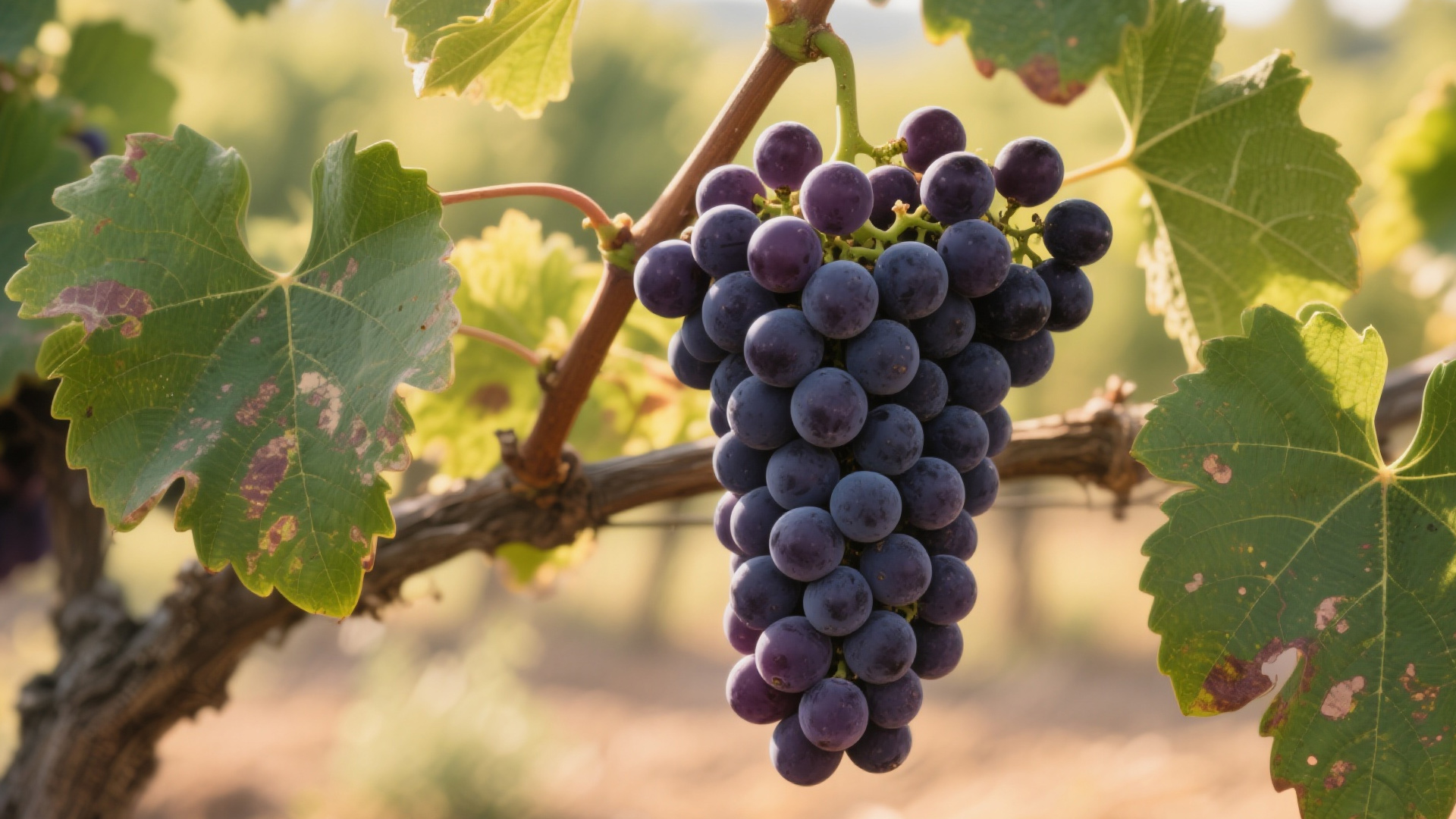
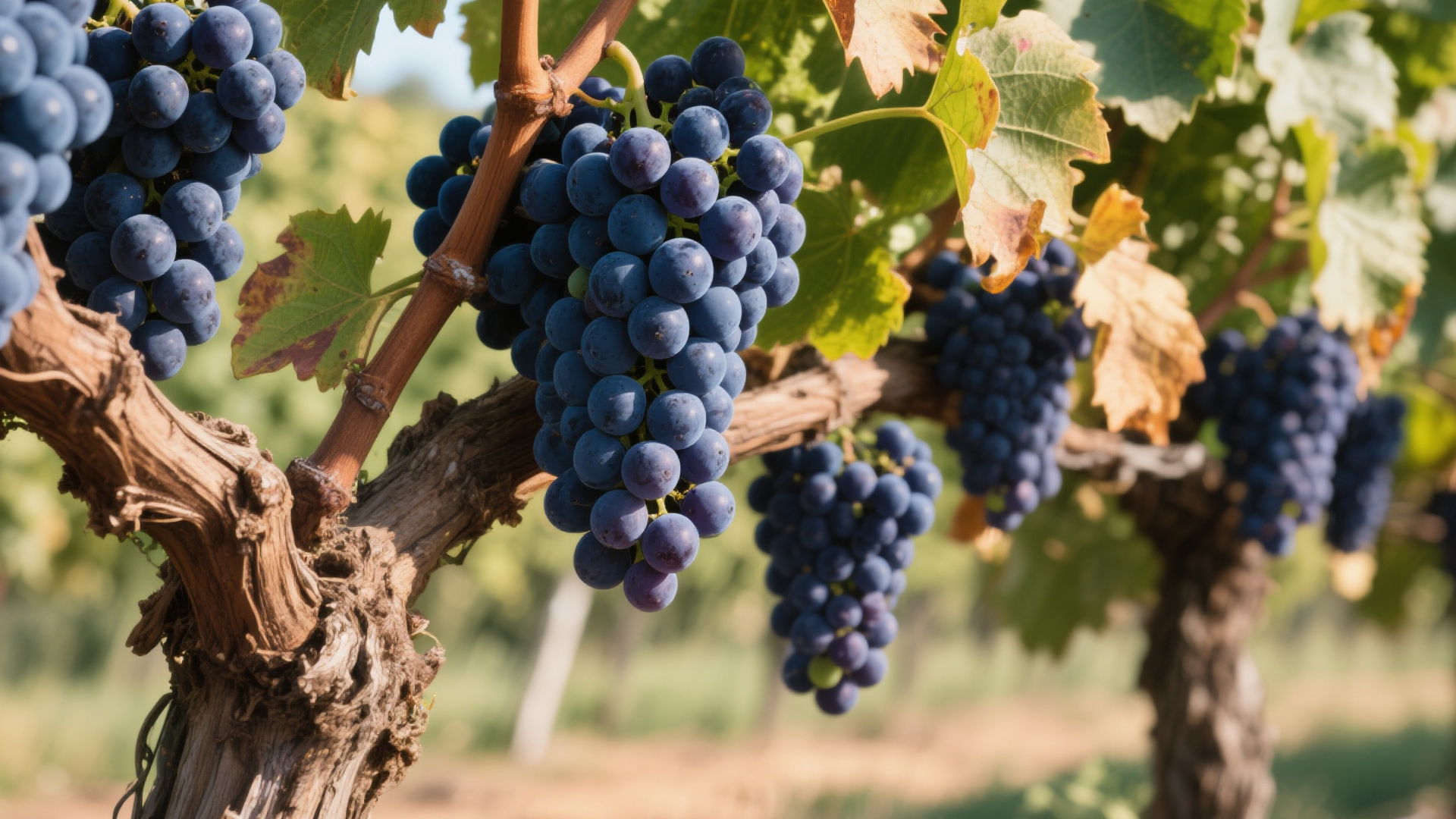
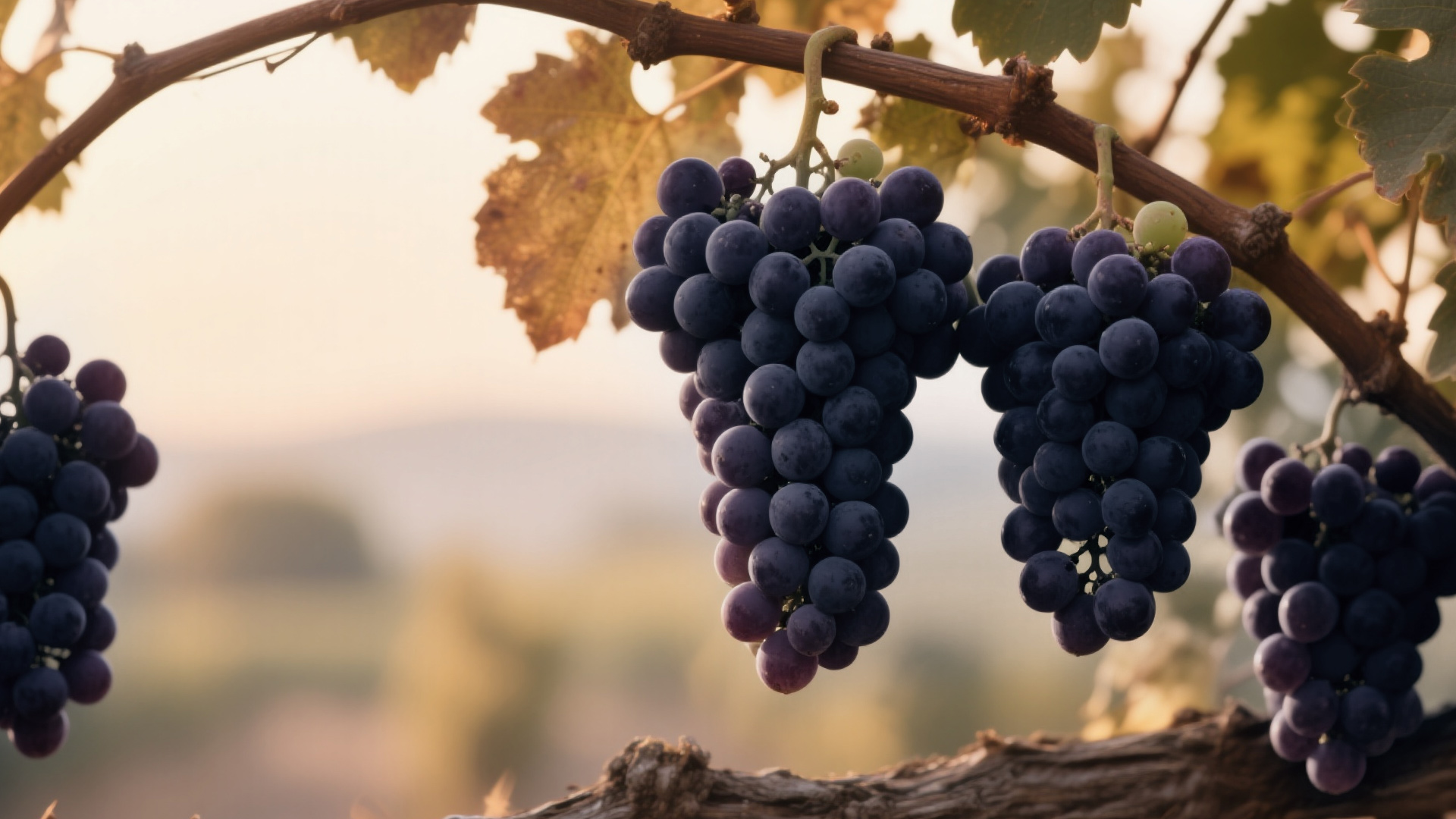
Pinot Noir is a thin-skinned, early-ripening, highly finicky red grape variety with extremely specific growing requirements. It produces small, compact, tight clusters with delicate skins, resulting in low color pigment, low tannin extraction, and transparent terroir expression.
The variety thrives exclusively in cool, marginal climate zones with moderate sunlight, cool nights, and long gradual ripening seasons. It performs best on well-drained limestone, clay-limestone, and loamy soils that offer low fertility and mineral tension, suppressing excessive vigor and concentrating delicate flavors. Pinot Noir is highly susceptible to vintage variation, botrytis, and poor fruit set in wet flowering seasons. Excessive heat and over-ripeness strip its signature earthy brightness, turning wines jammy and flat. Precision vineyard management, low yields, and perfect harvest timing are essential for premium-quality Pinot Noir.
4. Flavor & Aroma Profile
Pinot Noir features an intricate, refined flavor spectrum defined by bright red fruit and layered earthy complexity. Youthful cool-climate Pinot Noir showcases primary notes of wild red cherry, ripe raspberry, red currant, and fresh cranberry, accented by fragrant rose petal, violet, and subtle forest floor floral tones.
With oak aging, premium Pinot Noir develops secondary notes of vanilla, clove, damp earth, mushroom, and subtle spicy undertones. New World expressions offer riper red berry and stone fruit brightness, while Old World Burgundy emphasizes mineral and earthy depth. On the palate, Pinot Noir delivers light to medium body, vibrant lively acidity, ultra-fine silky tannins, and a clean, lingering finish. With bottle aging, fine Burgundian Pinot Noir evolves luxurious tertiary notes of truffle, dried rose, leather, underbrush, and game, gaining profound sophistication and aromatic depth over decades.
5. Winemaking Style
Pinot Noir winemaking prioritizes delicacy, purity, and terroir preservation. Most premium producers utilize whole-cluster fermentation to enhance aromatic complexity and add subtle spicy, earthy layers. Gentle maceration preserves fine tannins and bright fruit, avoiding harsh extraction that ruins the variety’s signature elegance.
Traditional Burgundian winemaking uses small French oak barrels for subtle texture and spice integration, without overwhelming the grape’s fragile fruit character. Beyond still red wines, Pinot Noir is a key blending component in Champagne and sparkling wines, contributing structure, acidity, and red-fruit depth. Basic entry-level Pinot Noir is best enjoyed within 2–4 years for fresh fruit vibrancy, while premier cru and grand cru Burgundy can age gracefully for 15–30 years, developing legendary tertiary complexity.
6. Top Growing Regions
Burgundy, France (Global Benchmark): Burgundy’s Côte de Nuits is the undisputed home of premium Pinot Noir. Limestone terroirs and cool continental climate produce structured, earthy, mineral-driven wines with unmatched finesse and aging potential, defining the global fine wine standard.
Willamette Valley, Oregon, USA: Oregon’s cool maritime climate produces classic-style Pinot Noir balancing bright red fruit, floral perfume, and subtle earthy minerality, widely recognized as the best New World benchmark for the variety.
Marlborough & Central Otago, New Zealand: New Zealand delivers bright, fruit-forward Pinot Noir with intense ripe red berry, floral lift, and clean acidity, offering approachable yet high-quality modern expressions.
7. Food Pairing
Pinot Noir’s light body, bright acidity, silky tannins, and earthy complexity make it one of the most food-versatile fine red wines. It pairs classically with roasted duck, herb-crusted chicken, grilled salmon, and delicate game meats, with its bright acidity cutting through subtle richness without overpowering subtle flavors.
It also complements mushroom risottos, truffle pasta, charcuterie boards, roasted vegetable dishes, and soft earthy cheeses. Unlike bold red wines, Pinot Noir works beautifully with lighter savory cuisine and even fatty seafood. Heavy braised red meats and intensely spicy dishes are not ideal, as they overpower the wine’s delicate, refined personality.
8. Similar Variety Comparison
Pinot Noir vs. Gamay: Both are light-bodied, high-acid, food-friendly Burgundian reds. Gamay is brighter, juicier, more fruit-forward, and simpler with prominent bubblegum and banana aromas from carbonic maceration. Pinot Noir offers greater earthy complexity, finer tannins, superior structure, and far stronger aging potential with refined terroir expression.
Pinot Noir vs. Cabernet Franc: Cabernet Franc features distinct herbal, peppery, and violet notes with brighter herbal intensity. Pinot Noir prioritizes red cherry, earth, and truffle complexity with softer herbal tones, finer tannins, and a more elegant, transparent terroir-driven profile.
9. Summary
Pinot Noir is the world’s most elegant, terroir-sensitive noble red grape, celebrated for its delicate red berry brightness, intricate earthy-floral complexity, silky fine tannins, and vibrant structural acidity. As the crown jewel of Burgundy and a global benchmark for refined light-bodied red wine, it produces wines of unmatched finesse and aging sophistication. Though famously difficult to grow, its ability to transparently reflect soil, climate, and vintage makes it the most sought-after fine wine variety for collectors and enthusiasts. Pinot Noir remains the ultimate choice for wine lovers seeking elegant, complex, and food-friendly premium red wines.
© Copyright Notice
All articles are copyrighted by the authors; no reproduction without permission.
THE END


No comments yet