


Name & International Aliases
Chenin Blanc is the globally recognized official name of this classic French white wine grape. It is known as 白诗南 in Chinese-speaking wine markets and features consistent phonetic naming across European wine regions. Historically, it has carried regional synonyms including Pineau de la Loire, reflecting its deep historical roots in France’s Loire Valley viticultural zone.
1. Introduction
Chenin Blanc is an extraordinarily versatile, high-acid white wine grape originating from France’s Loire Valley, renowned for its unmatched ability to produce every wine style from bone-dry and off-dry to sparkling, sweet, and noble rot dessert wines. Unlike most single-style white grape varieties, Chenin Blanc adapts to diverse winemaking and terroir conditions, delivering vastly different expressions while retaining its signature core traits: vibrant lively acidity, subtle waxy texture, and layered honeyed fruit complexity. Valued for its incredible aging resilience and terroir sensitivity, it stands as one of the most intelligent and dynamic cool-climate white grapes in global viticulture, balancing approachable everyday drinking styles with world-class age-worthy fine wines.
2. Origin & History
Chenin Blanc’s origins trace back to the Anjou region of the Loire Valley in western France, with documented cultivation history dating to the 9th century. It was named after the Mont Chenin vineyard zone, where the variety was first widely propagated. For centuries, it reigned as the dominant white grape of the Loire, shaping the region’s iconic sweet and sparkling wine heritage.
In the 17th century, Chenin Blanc cuttings were transported to South Africa, where it thrived and eventually became the country’s most widely planted white grape, locally known as Steen. While it declined slightly in French plantings during modern times, it exploded in popularity across South Africa, California, and New Zealand. Today, Chenin Blanc holds dual identity as a premium Old World terroir grape and a high-quality New World workhorse, producing benchmark wines on two continents.
3. Viticulture Characteristics
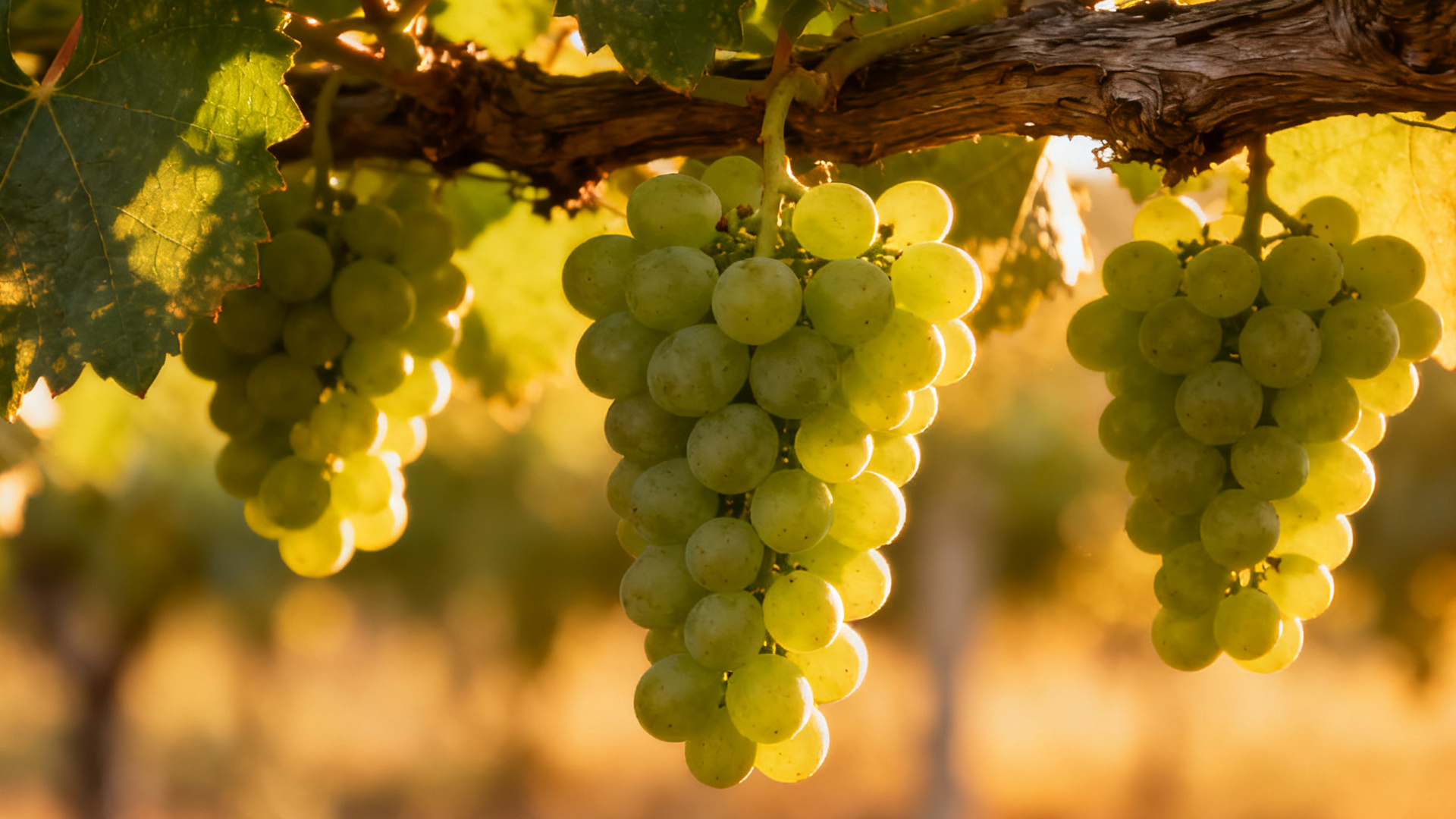
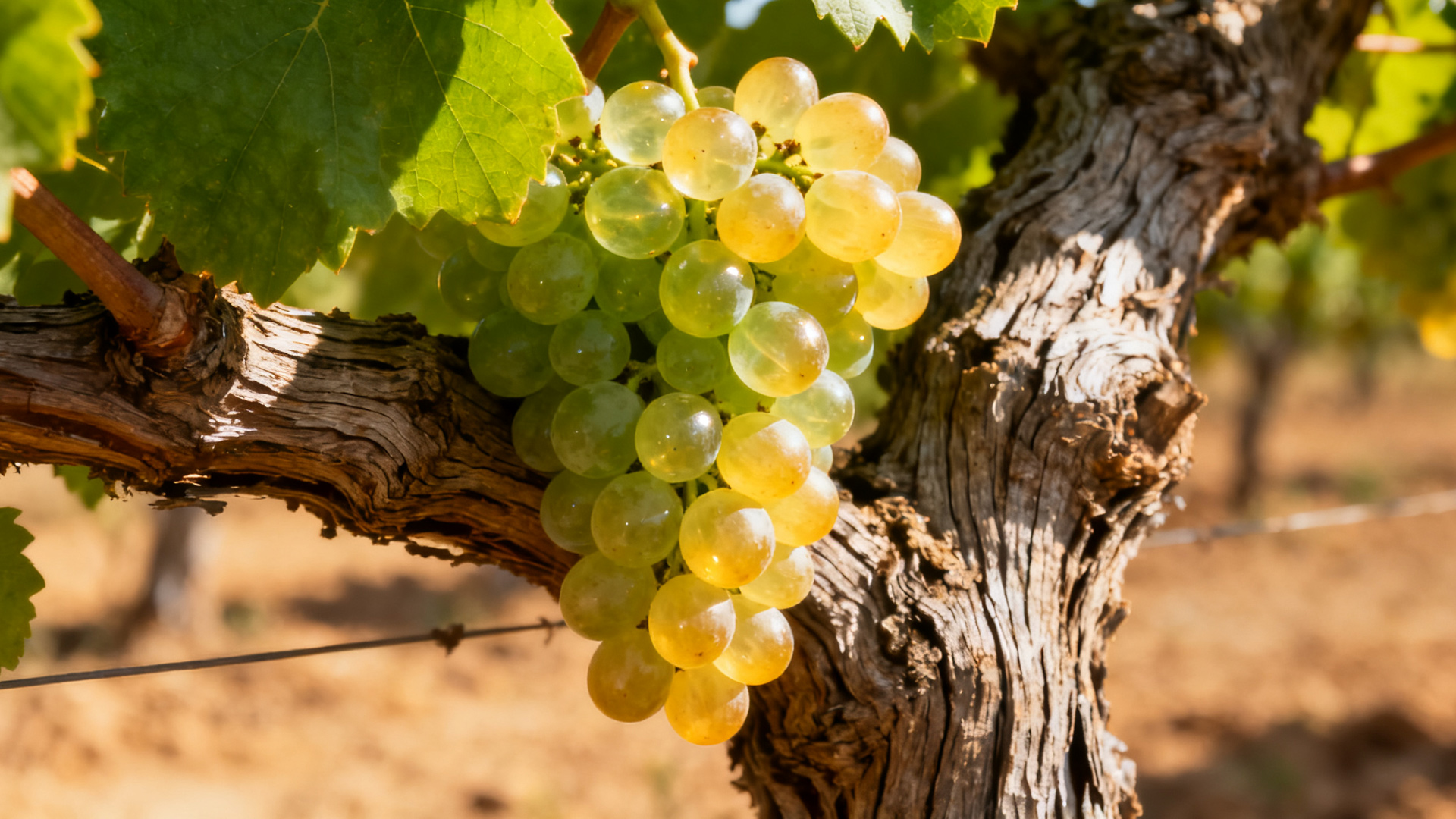
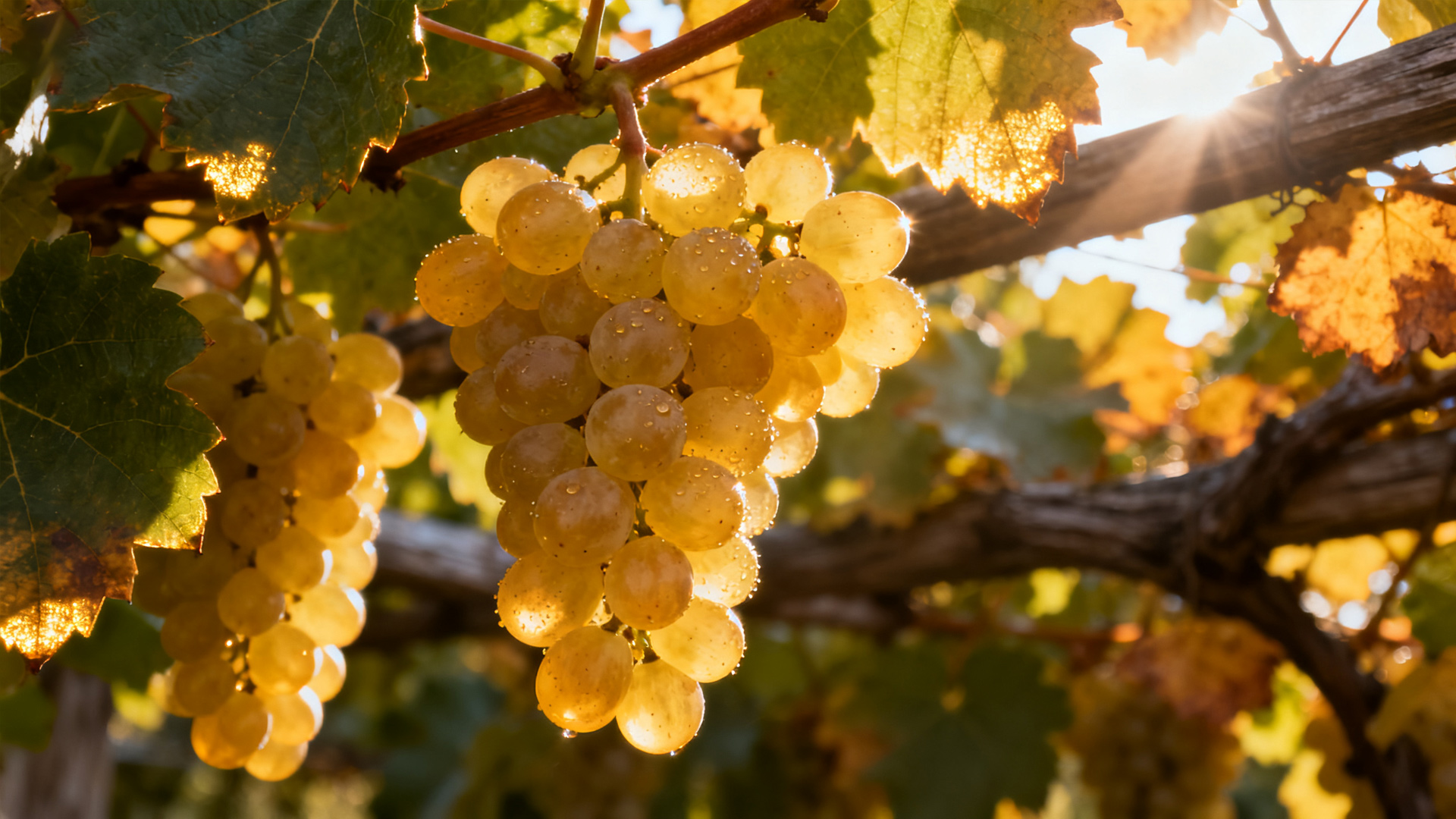
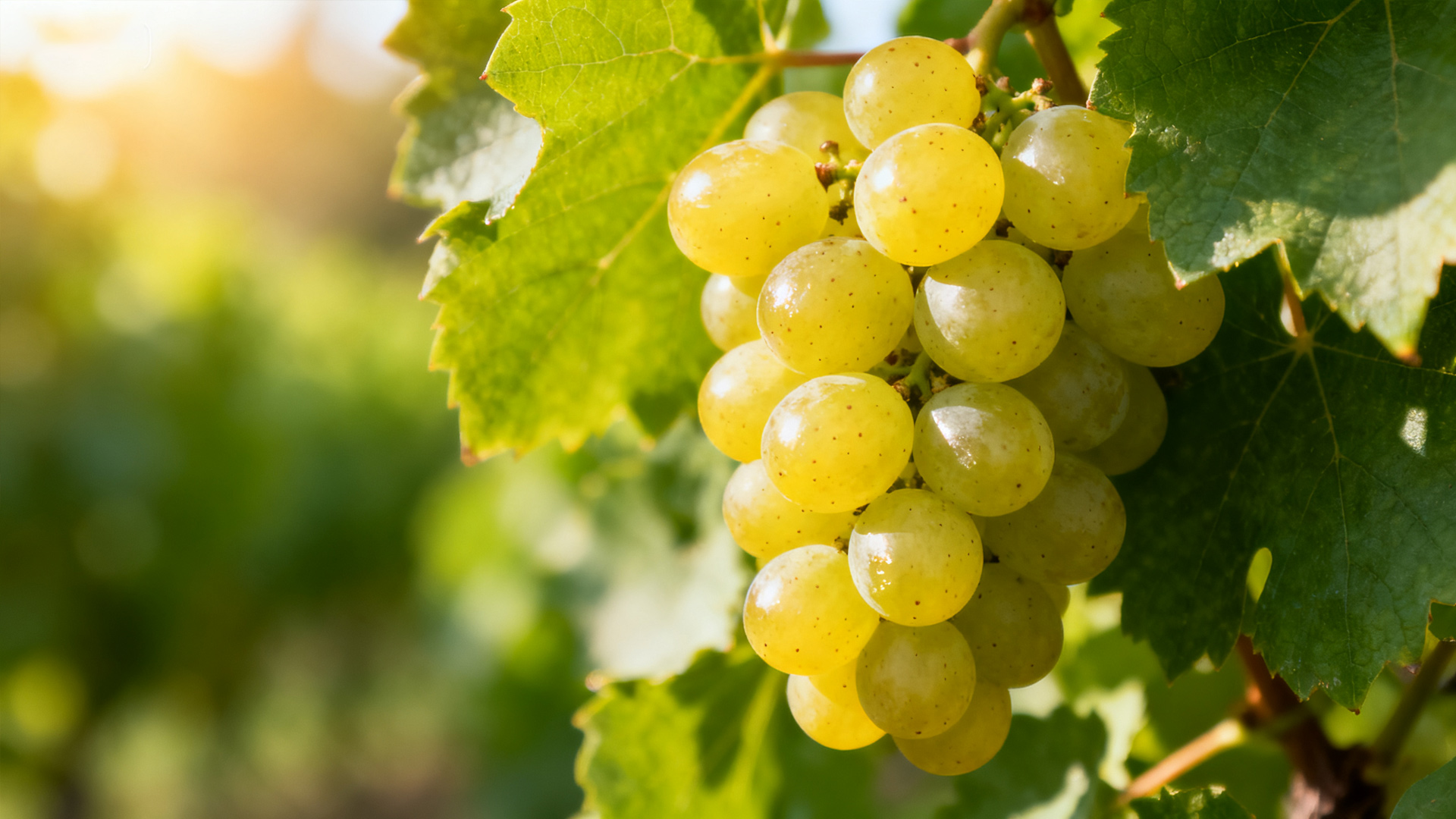
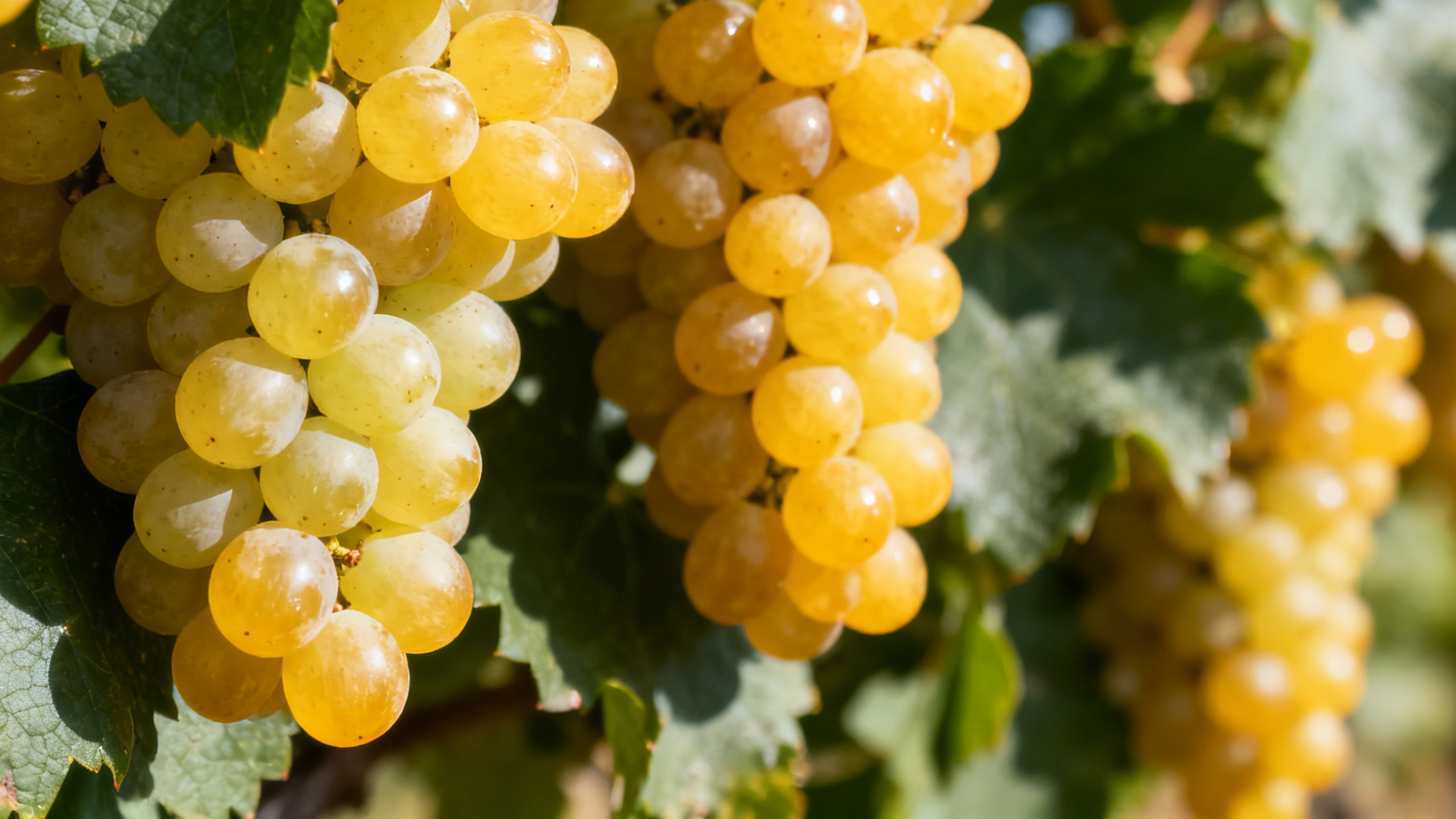
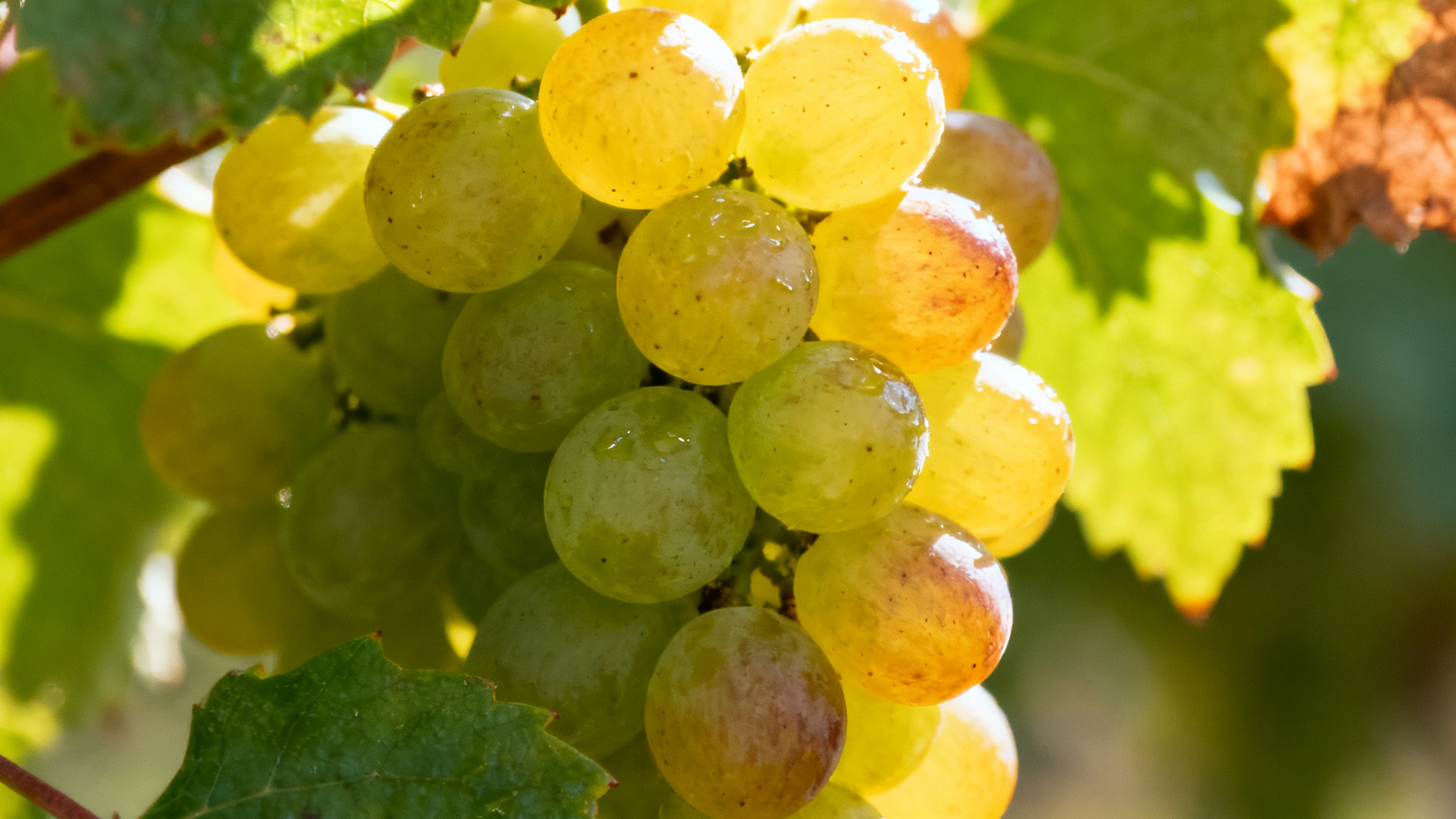
Chenin Blanc is a mid-ripening, highly adaptable white grape variety with distinctive growth traits. It produces medium-sized, compact clusters with thin, delicate skins that are highly susceptible to botrytis cinerea, or noble rot—the key factor that creates its legendary dessert wine expressions.
The variety thrives in cool, maritime climates with moderate rainfall and requires slow, gradual ripening to balance its signature bright acidity and developing fruit richness. It performs exceptionally well on Loire’s signature schist and clay-limestone soils, which add mineral tension and depth. Chenin Blanc’s most defining viticultural feature is its consistent high acidity, even at full sugar ripeness, granting it unmatched structural balance across all wine styles. In warm climates, it develops riper tropical fruit notes, while cool vintages preserve bright citrus and mineral precision.
4. Flavor & Aroma Profile
Chenin Blanc features a unique, recognizable aromatic spectrum defined by waxy, honeyed, and green-fruit characters. Dry-style Chenin Blanc showcases bright primary notes of green apple, pear, lime zest, and white peach, accented by distinctive beeswax, fresh hay, and subtle flinty mineral undertones.
Off-dry and sweet expressions amplify honey, golden apple, apricot, and candied citrus flavors without losing acidity balance. Botrytized Chenin Blanc delivers concentrated honey, dried stone fruit, and floral nectar complexity. On the palate, the variety displays medium body, razor-sharp persistent acidity, and a long layered finish. Young wines offer fresh, fruity vibrancy, while aged Chenin Blanc evolves rich tertiary notes of wax, nut, dried honey, and earthy minerality, developing remarkable textural sophistication over time.
5. Winemaking Style
Chenin Blanc is the most multi-style flexible wine grape in the world, capable of crafting every white wine category. In the Loire Valley, winemakers produce bone-dry mineral-driven still wines, delicate sparkling Crémant de Loire, off-dry fruity cuvées, and world-famous Sauternes-style noble rot dessert wines from a single vintage.
Dry and off-dry styles typically use stainless steel fermentation to preserve fresh fruit and acidity, while premium Loire and old-vine South African Chenin Blanc often utilizes subtle oak aging and lees stirring to build creaminess and complexity. Botrytized versions require selective late harvesting to concentrate sugars and noble rot flavors. Aging potential varies drastically: entry-level dry wines drink well within 1–3 years, while premium sweet and single-vineyard dry expressions can age gracefully for 10–30 years, developing incredible tertiary depth.
6. Top Growing Regions
Loire Valley, France (Old World Benchmark): The Loire Valley, including Vouvray, Savennieres, and Anjou appellations, produces the world’s most complex, age-worthy Chenin Blanc. Schist-driven terroirs deliver mineral-rich, structured, balanced wines that define the variety’s premium potential.
Western Cape, South Africa (New World Core): South Africa is the global largest producer of Chenin Blanc (locally Steen), crafting fresh, fruity, value-driven dry wines as well as premium old-vine expressions with rich stone fruit and subtle honey complexity.
Other Key Regions: California, New Zealand, and Australia produce approachable, ripe-style Chenin Blanc with tropical fruit brightness, targeted at casual everyday wine consumption.
7. Food Pairing
Thanks to its bright acidity and versatile flavor spectrum, Chenin Blanc offers exceptional food-pairing flexibility across all styles. Dry mineral-driven Chenin Blanc pairs perfectly with fresh oysters, shellfish, steamed white fish, green salads, and light herbal vegetable dishes, with vibrant acidity cutting through brininess and subtle fat.
Off-dry styles complement mild spicy Asian cuisine, pork dishes, and creamy pasta sauces. Rich botrytized Chenin Blanc pairs beautifully with blue cheese, foie gras, dried fruits, and nutty desserts. Its balanced acidity prevents sweet styles from feeling cloying, making it far more food-friendly than most sweet white wines.
8. Similar Variety Comparison
Chenin Blanc vs. Riesling: Both are high-acid, highly age-worthy, multi-style white grapes. Riesling leans toward petrol, lime, and tropical stone fruit with pronounced aromatic intensity. Chenin Blanc features unique wax, honey, and hay notes with a rounder palate texture and more subtle mineral tension, offering richer textural complexity and less aggressive acidity.
Chenin Blanc vs. Sauvignon Blanc: Sauvignon Blanc delivers bright grassy, citrus, and tropical fruit flavors with zesty upfront acidity and light body. Chenin Blanc has greater textural depth, waxy complexity, honeyed undertones, and superior aging potential, with a more elegant, layered drinking experience.
9. Summary
Chenin Blanc is an unparalleled multi-style white wine grape celebrated for its extraordinary versatility, bright defining acidity, unique wax-and-honey flavor profile, and outstanding aging capacity. Mastered in both France’s Loire Valley and South Africa’s Western Cape, it effortlessly ranges from crisp dry table wines to luxurious age-worthy dessert wines. Balancing refreshing everyday drinkability with serious fine-wine complexity, Chenin Blanc stands among the most intelligent and adaptable white grape varieties globally, ideal for wine lovers seeking layered, balanced, and terroir-expressive white wines.
© Copyright Notice
All articles are copyrighted by the authors; no reproduction without permission.
THE END


No comments yet