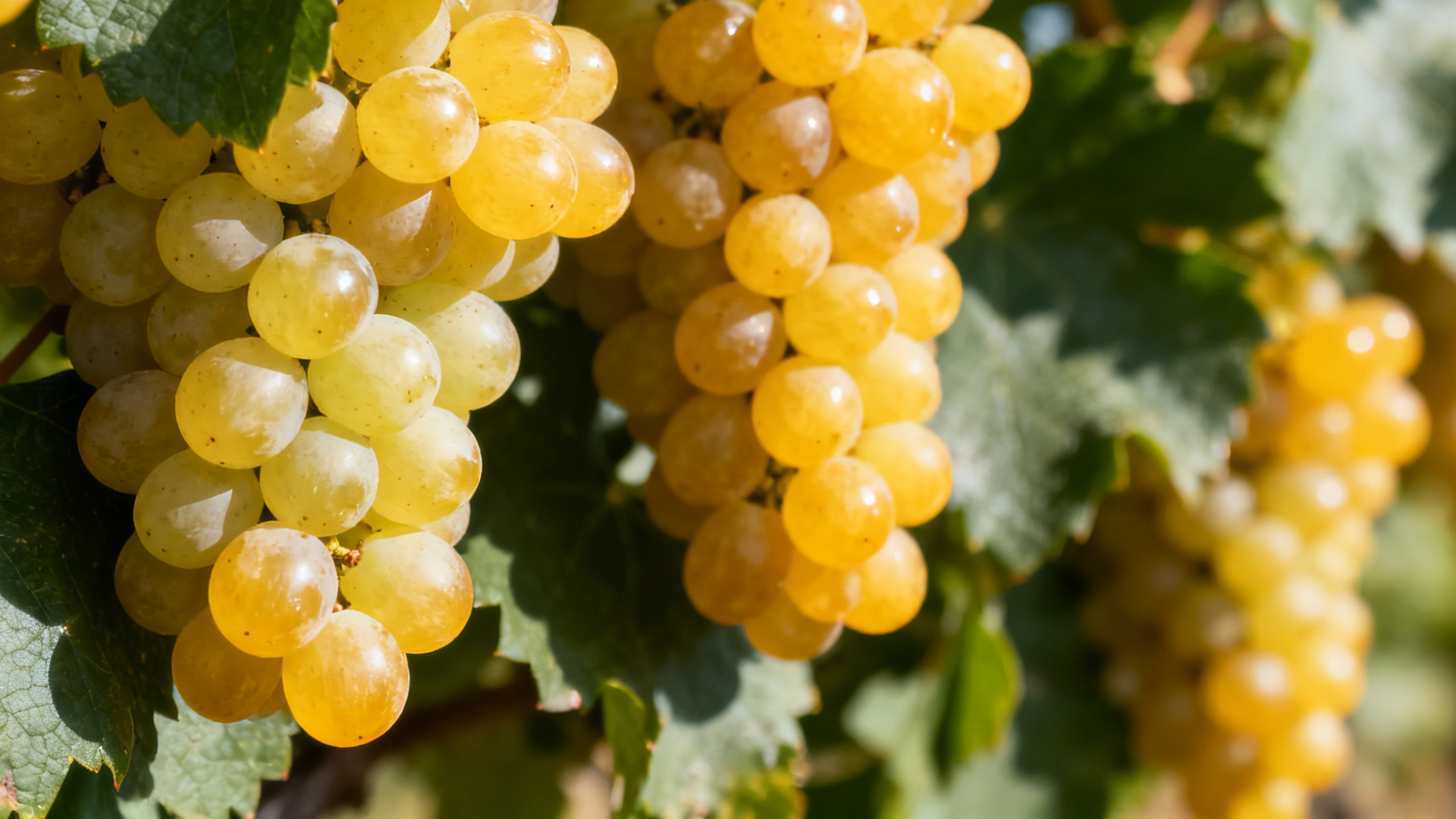



Name & International Aliases
Ugni Blanc is the official international name of this classic French white wine grape. It is known as 白玉霓 in Chinese-speaking wine markets and carries several regional synonyms across Europe. In Italy, it is widely called Trebbiano Toscano, while other minor aliases include Saint-Émilion and White Shiraz in older viticultural records, reflecting its widespread Mediterranean cultivation history.
1. Introduction
Ugni Blanc is a high-yielding, high-acid, neutral white wine grape predominantly grown in Southwest France and across the Mediterranean basin. Best known as the exclusive backbone of world-famous Cognac and Armagnac brandies, this versatile variety also produces clean, crisp, dry table wines and affordable blended white cuvées. Unlike aromatic, fruit-forward white grapes, Ugni Blanc features a restrained, subtle flavor profile marked by bright acidity and neutral fruit tones, making it less dominant in single-varietal fine wine but irreplaceable in spirit production and mass-market dry white wines. Its reliability, disease resistance, and consistent acidity define its unique position in global viticulture.
2. Origin & History
Ugni Blanc is believed to have originated in the central Italian region of Tuscany, where it is historically known as Trebbiano Toscano, one of Italy’s oldest and most widely planted white grape varieties. It was introduced to France centuries ago and quickly adapted to the maritime climates of Southwest France, particularly in Charente and Gascony.
Over time, the variety became naturalized in French terroirs and was renamed Ugni Blanc, developing regional growth characteristics distinct from Italian Trebbiano. By the 19th century, it had replaced local native grapes to become the primary variety for Cognac distillation, thanks to its naturally high acidity and low alcohol content ideal for aging spirits. Today, it remains the most planted white grape in France and one of the most extensively cultivated white varieties across Southern Europe.
3. Viticulture Characteristics
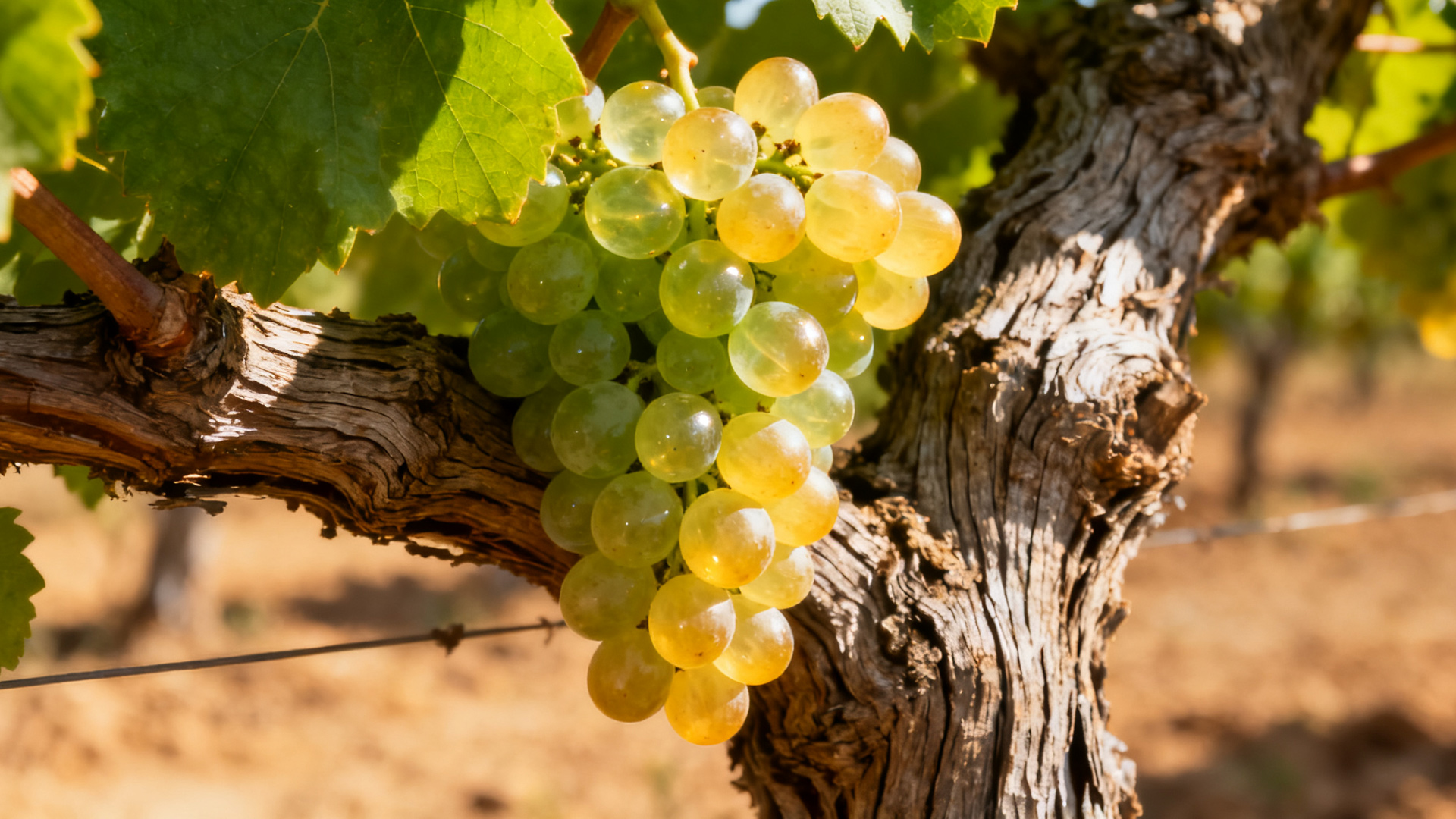
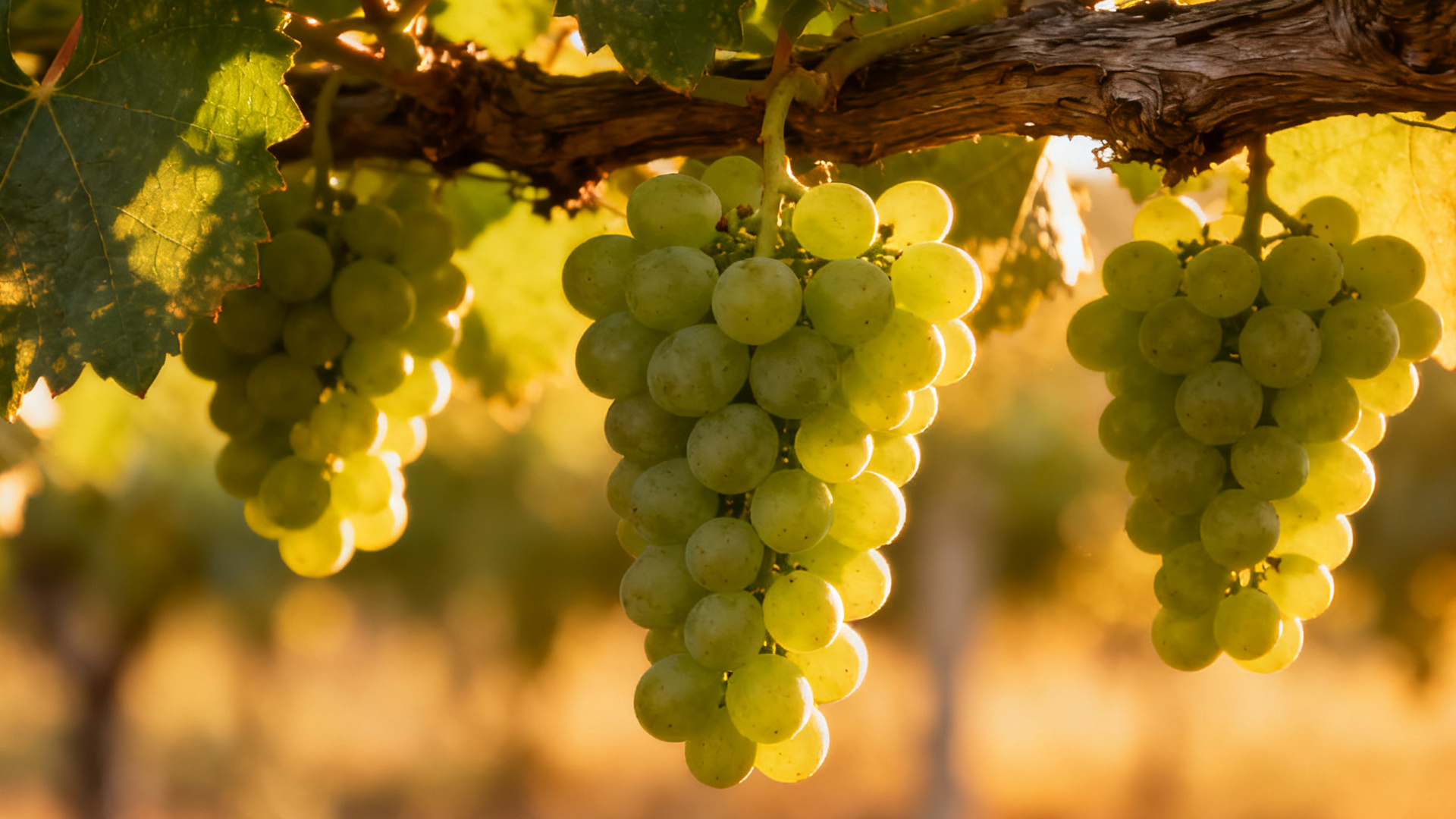
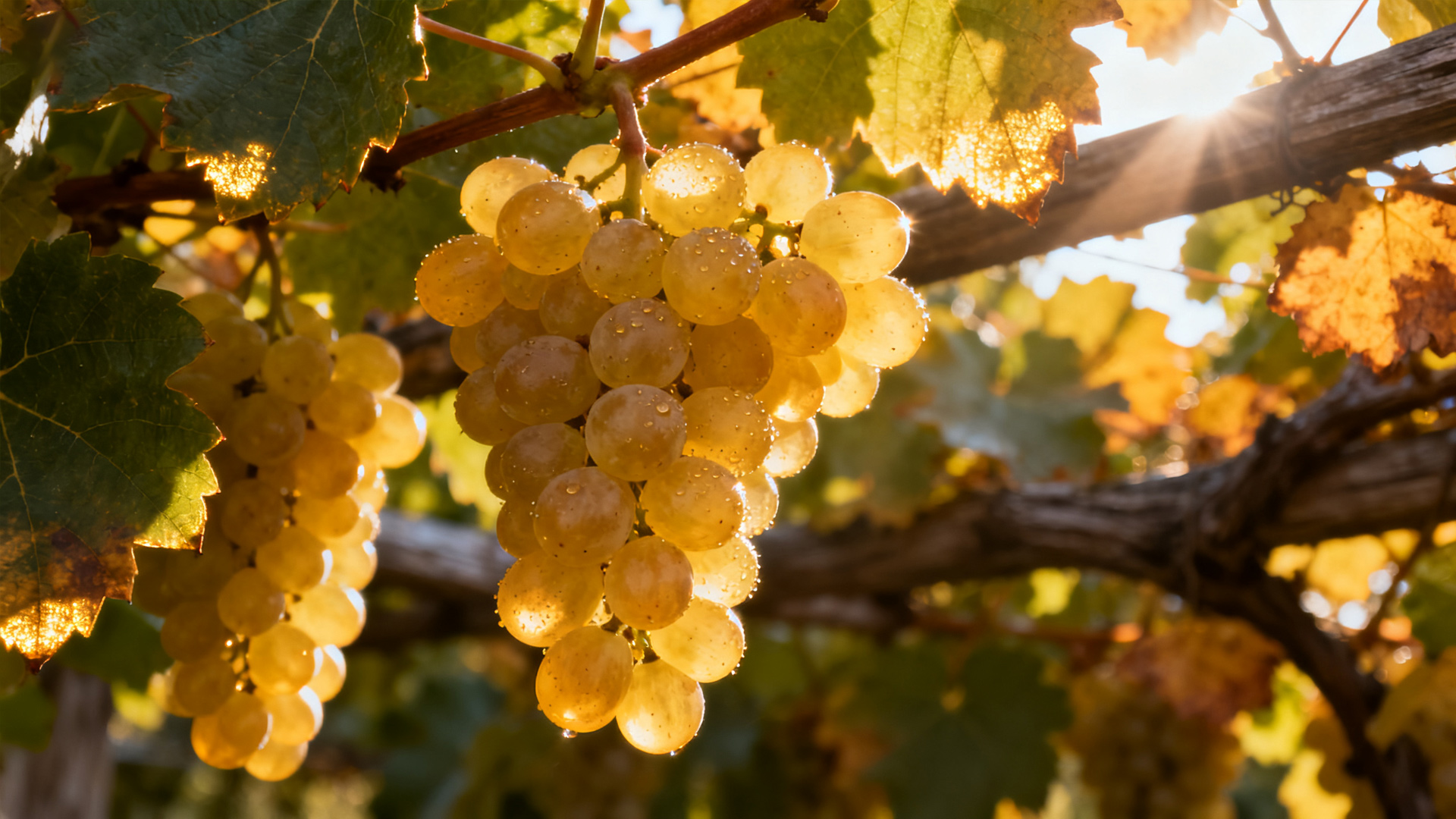
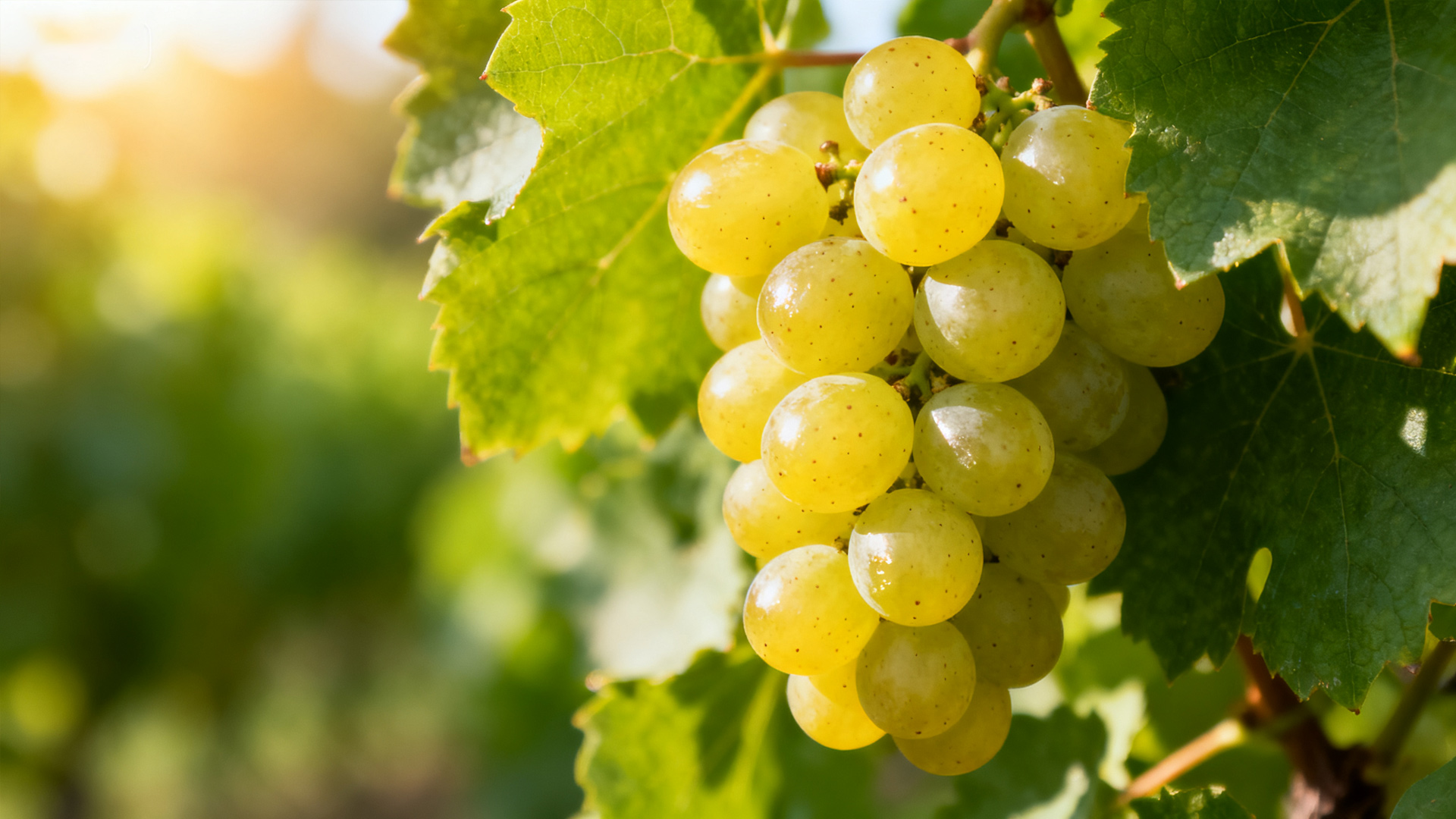
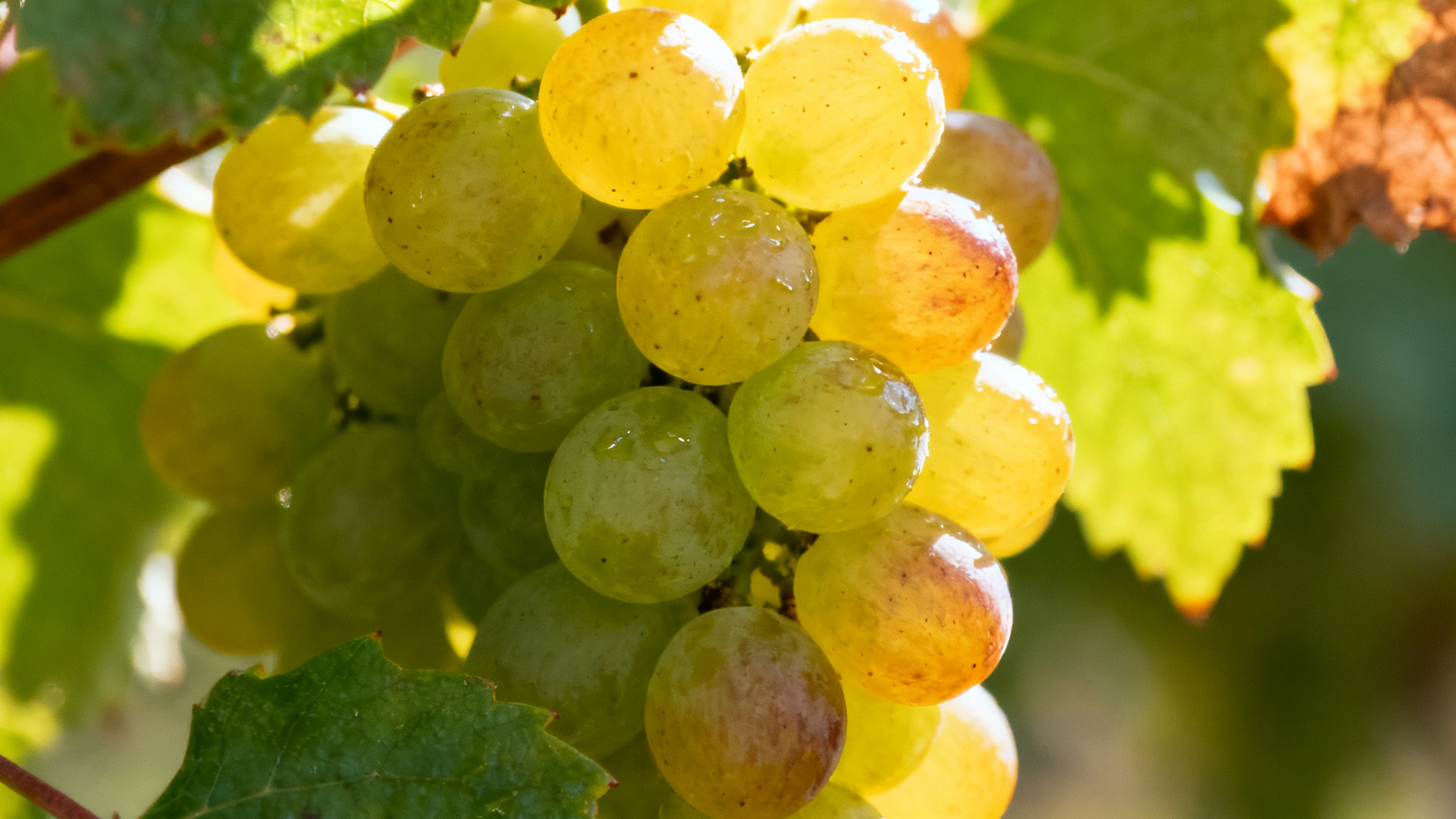
Ugni Blanc is a vigorous, high-yielding white grape variety with exceptional hardiness and adaptability. It produces large, compact clusters with thin-skinned, translucent green berries and demonstrates strong resistance to common vine diseases and fungal pressures, thriving in humid maritime climates.
The variety is mid-ripening and favors warm, sunny growing seasons with moderate rainfall. It performs excellently on clay-limestone and chalk soils, typical of the Charente region, which help retain water and maintain consistent acidity development. Its most defining viticultural trait is stable high acidity and low sugar accumulation at harvest, a critical feature for producing low-alcohol base wine perfect for distillation. Excessive yields further dilute fruit intensity, reinforcing its neutral, clean character suitable for blending and spirit production.
4. Flavor & Aroma Profile
Ugni Blanc delivers a subtle, restrained, and neutral flavor profile with no dominant aromatic personality. Youthful table wines feature delicate primary notes of green apple, faint citrus zest, white pear, and subtle herbal undertones. The aroma is clean, mild, and non-intrusive, lacking the tropical intensity of Sauvignon Blanc or the floral richness of Viognier.
On the palate, Ugni Blanc offers a light body, vibrant crisp acidity, and a short, clean finish with almost no residual sugar. Its neutrality is its greatest strength: it provides a blank canvas for distillation and blending. When crafted into fine low-yield table wines, it reveals subtle mineral hints and gentle stone fruit brightness, but it rarely develops bold complex flavors. Aged expressions do not offer significant tertiary complexity, retaining its fresh, clean, and straightforward character.
5. Winemaking Style
Ugni Blanc has two core winemaking applications: base wine for premium brandy distillation and everyday dry table wine production. For Cognac and Armagnac, grapes are harvested early to preserve sharp acidity and low sugar, producing thin, high-acid base wines ideal for slow distillation and long barrel aging.
For table wine production, Ugni Blanc is typically fermented in stainless steel at low temperatures to preserve fresh, crisp fruit purity. It is rarely aged in oak, as its subtle character is easily overwhelmed by wood spice. Most commercial Ugni Blanc wines are blended with more aromatic varieties to enhance flavor depth. The variety has minimal aging potential; nearly all expressions are best consumed within 1–3 years of vintage to retain maximum freshness and crispness.
6. Top Growing Regions
Southwest France (Charente, Gascony): This is the global benchmark region for Ugni Blanc, serving as the exclusive grape for Cognac and Armagnac production. The region’s chalky soils and maritime climate create the ideal high-acid, neutral base wine style required for premium French brandies.
Central & Southern Italy: Known locally as Trebbiano Toscano, the variety dominates white wine production across Tuscany, Umbria, and Lazio, producing affordable, fresh, everyday dry white wines and blending components.
Mediterranean & North Africa: Extensive plantings exist in Spain, Portugal, and Tunisia, focusing on high-yield bulk wine production and regional blending materials.
7. Food Pairing
Thanks to its bright acidity, light body, and clean neutral flavor, Ugni Blanc table wine is highly food-versatile for casual, light pairings. It matches perfectly with fresh shellfish, oysters, steamed white fish, and light seafood dishes, with its crisp acidity cutting through brininess and light fats effectively.
It also complements fresh green salads, light vegetable appetizers, soft mild cheeses, and simple pasta dishes with light sauces. Due to its subtle flavor profile, it is not suitable for heavy, rich, or spicy cuisine, which will completely overpower its delicate character. As a distilled spirit, Ugni Blanc-based Cognac pairs with dark chocolate, dried fruits, and premium cigars.
8. Similar Variety Comparison
Ugni Blanc vs. Aligoté: Both are high-acid, fresh, food-friendly white grapes for everyday drinking. Aligoté features brighter citrus and zesty aromatic intensity with more defined fruit character. Ugni Blanc is far more neutral, restrained, and less aromatic, prioritizing clean acidity over flavor complexity.
Ugni Blanc vs. Sauvignon Blanc: Sauvignon Blanc offers bold grassy, tropical, and citrus aromas with striking aromatic presence. Ugni Blanc lacks intense varietal character, delivering a mild, neutral, and crisp profile designed for blending and distillation rather than standalone aromatic expression.
9. Summary
Ugni Blanc is a foundational high-acid white grape variety essential to Southwest French viticulture and global brandy production. Celebrated for its reliable yields, disease hardiness, crisp neutral fruit, and vibrant acidity, it is the irreplaceable backbone of Cognac and Armagnac, while also producing approachable, refreshing everyday dry white wines. Though lacking the bold complexity of premium aromatic fine wine grapes, its unique functional characteristics make it one of the most commercially important white varieties in the world. It is an ideal choice for lovers of clean, crisp, uncomplicated dry white wines and premium aged French brandies.
© Copyright Notice
All articles are copyrighted by the authors; no reproduction without permission.
THE END


No comments yet