


Name & International Aliases
Aligoté is the official French name of this traditional Burgundian white grape variety. Globally, it is recognized as 阿里高特 in Chinese wine markets and maintains phonetic-consistent naming conventions across German, Italian, Spanish, Russian, and Greek wine regions. As a historic European white grape, its unified international naming system reflects its long-standing planting history across continental wine countries.
1. Introduction
Aligoté is a traditional, high-acid white wine grape variety originating from Burgundy, France, serving as the second most widely planted white grape in the Burgundy region after Chardonnay. Often referred to as the “unsung hero of Burgundy white wines”, Aligoté produces fresh, crisp, and affordable dry white wines marked by bright acidity, subtle citrus flavors, and clean mineral undertones. Unlike the rich, oaky, and full-bodied profile of Chardonnay, Aligoté delivers a light, refreshing, and straightforward drinking experience. It is the exclusive grape variety for Burgundy’s Aligoté AOC appellations and plays a vital role in traditional Burgundy sparkling wine production, holding an irreplaceable position in regional classic wine culture.
2. Origin & History
Aligoté is a native ancient grape variety of the Burgundy region in eastern France, with a cultivation history dating back more than 1,000 years. Genetic studies confirm it is a natural cross between Pinot Noir and Gouais Blanc, sharing the same parentage as many classic Burgundy grape varieties, which explains its deep connection with local terroir.
For centuries, Aligoté was widely planted across Burgundy’s flatlands and lesser-exposed vineyard sites, thriving in areas less suitable for premium Chardonnay cultivation. It once dominated Burgundy’s white wine production before Chardonnay rose to global fame. In modern times, Aligoté remains a regional specialty, with most plantings concentrated in France and Eastern Europe. It has retained its unique market positioning as a high-quality, approachable daily-drinking white wine grape, avoiding large-scale commercial globalization.
3. Viticulture Characteristics
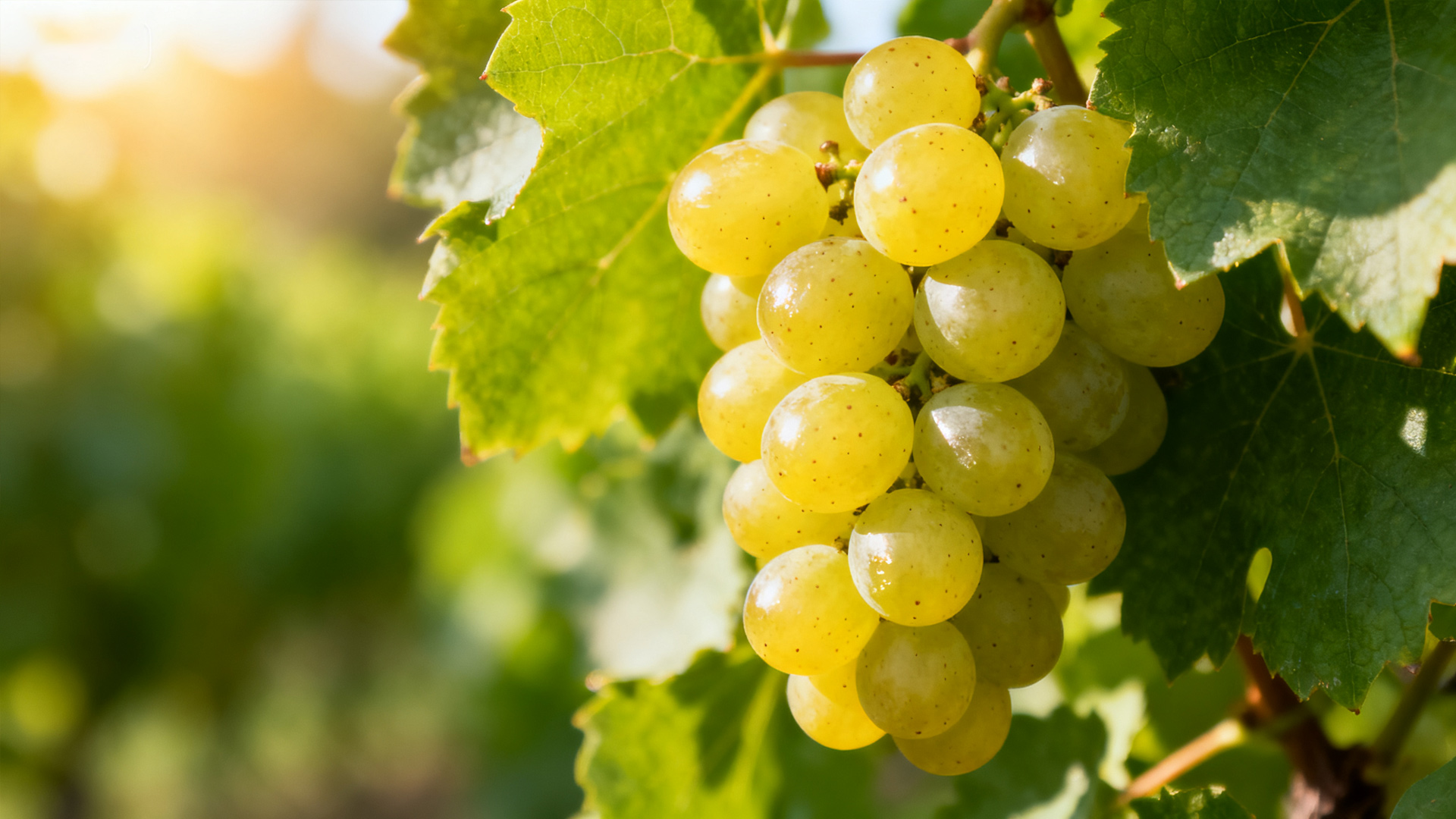
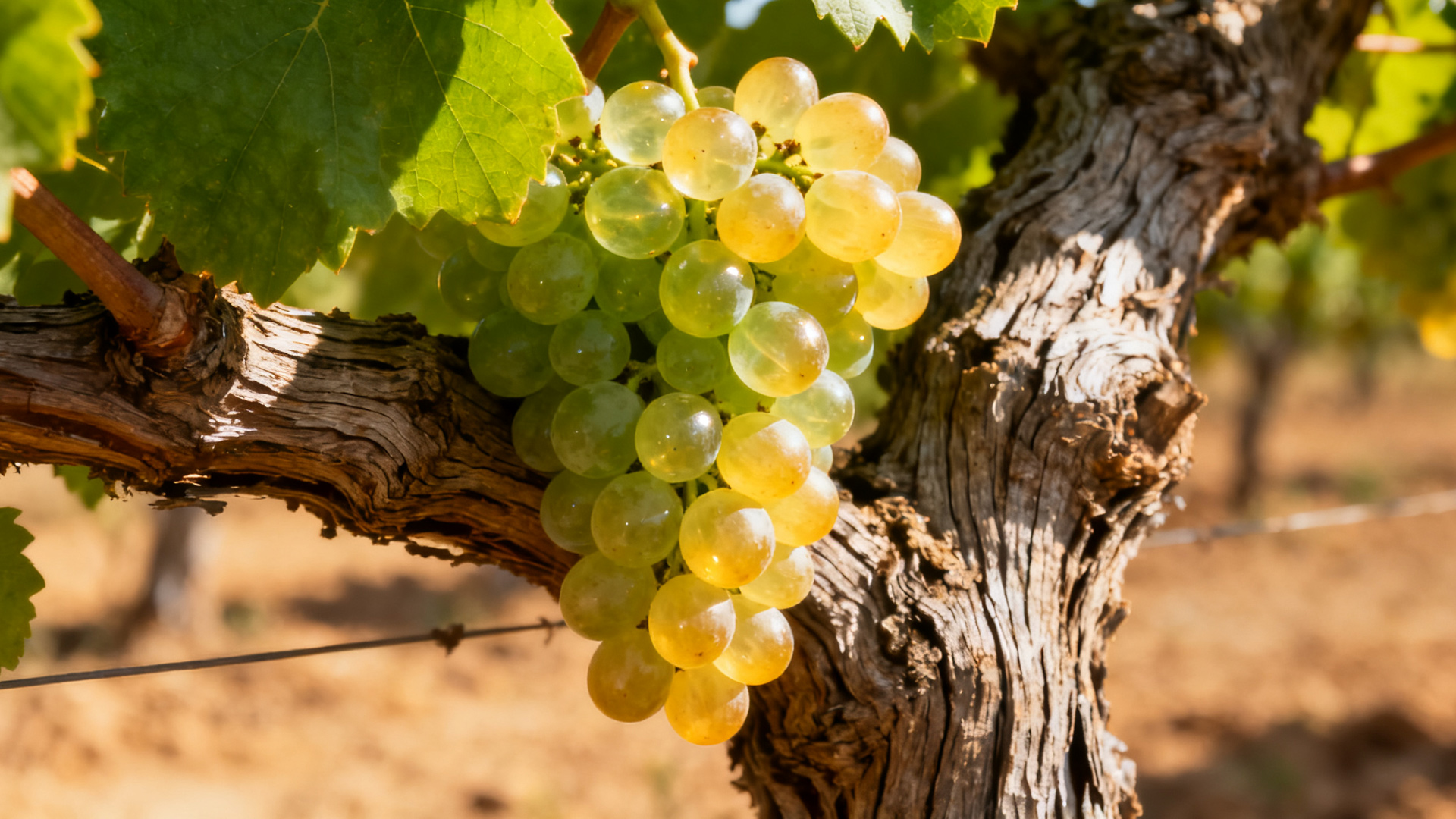
Aligoté is a vigorous, early-ripening white grape variety with strong adaptability and stable yield performance. The vine grows vigorously with dense foliage, producing medium-sized, compact grape clusters with thin, translucent green-yellow skins. It features excellent cold resistance, making it highly suitable for cool continental climate wine regions.
This variety is low-maintenance and hardy compared to finicky noble grapes. It adapts well to various soil types, including clay and limestone soils, and performs best in well-drained, moderately fertile terrain. Aligoté buds and ripens earlier than Chardonnay, effectively avoiding late autumn frost damage and rainy harvest risks. However, excessive soil fertility and over-vigorous growth will dilute fruit flavor concentration, resulting in thin, bland wine. Its strong disease resistance and stable productivity make it a reliable staple crop for small-scale wineries in cool climate regions.
4. Flavor & Aroma Profile
Aligoté offers a fresh, bright, and uncomplicated aromatic and flavor profile, characterized by vibrant acidity and delicate fruit notes. Young Aligoté wines display primary aromas of fresh green apple, lemon, lime, green pear, and subtle white floral hints, accompanied by faint herbal and grassy undertones typical of cool-climate white grapes.
On the palate, Aligoté features a light to medium body, zesty crisp acidity, zero residual sugar in dry styles, and a clean, short-to-medium finish. Well-terroir-expressive bottles reveal subtle flint and mineral notes derived from limestone soils. Unlike aromatic white grapes such as Sauvignon Blanc or Riesling, Aligoté has no overpowering tropical or bold floral aromas. Its charm lies in pure, refreshing fruitiness and sharp, palate-cleansing acidity. With short-term bottle aging, it develops mild nutty and honeyed hints, but it is primarily crafted for youthful consumption.
5. Winemaking Style
Aligoté winemaking focuses on preserving its natural freshness and crispness, with minimal intervention being the core principle. Most commercial Aligoté wines are fermented and aged in stainless steel tanks at low temperatures, which fully retains the grape’s bright citrus and green fruit flavors while avoiding oxidative or oaky influences.
Oak aging is extremely rare for Aligoté, as vanilla and spice oak notes will overwhelm its delicate subtle aromas. In Burgundy, Aligoté is often blended with a small proportion of Pinot Noir for the traditional sparkling wine Crémant de Bourgogne, adding crisp acidity and fine bubbles. Premium single-vineyard Aligoté wines may undergo short lees stirring to enhance texture and mouthfeel. This variety has limited aging potential; most wines are best consumed within 1–3 years after vintage to enjoy their optimal freshness, while top-tier terroir-specific bottles can be cellared for up to 5 years for subtle flavor evolution.
6. Top Growing Regions
Burgundy, France (Native & Core Region): Burgundy is the birthplace and premier planting region of Aligoté. Vineyards across Côte de Beaune, Côte de Nuits, and regional Burgundy appellations produce classic Aligoté wines with pure citrus flavors, prominent mineral notes, and crisp balanced acidity, representing the most authentic style of this variety.
Eastern Europe: Aligoté is widely cultivated in Bulgaria, Romania, Ukraine, and Russia. These regions feature cooler climates and fertile soils, producing high-yield, fresh, and affordable Aligoté wines focused on straightforward fruitiness, catering to daily drinking markets.
Other Minor Regions: Small trial plantings exist in Switzerland, Canada, and northern United States. New World Aligoté expressions are riper with softer acidity and richer stone fruit flavors, differing from the lean, crisp Old World Burgundy style.
7. Food Pairing
Thanks to its bright acidity, light body, and clean fresh flavors, Aligoté is an extremely versatile food-pairing white wine. It pairs perfectly with light seafood and freshwater fish, including oysters, shrimp, scallops, steamed fish, and fried fish, with its crisp acidity cutting through seafood brininess and grease.
Additionally, Aligoté complements fresh salads, vegetable dishes, light pasta, soft creamy cheeses, and traditional French appetizers. It is also an ideal match for mild spicy Asian cuisine due to its refreshing nature. Heavy oak, rich cream sauces, or overly sweet desserts are not recommended, as they will mask Aligoté’s delicate fruitiness and disrupt its balanced acidity.
8. Similar Variety Comparison
Aligoté vs. Chardonnay: Both are core white grapes of Burgundy. Chardonnay features a richer body, higher alcohol tolerance, and complex stone fruit, butter, and vanilla flavors with strong aging potential, suitable for oak aging. Aligoté is lighter, crisper, more acidic, and fruit-forward, with simpler aromas, designed for early and casual drinking, lacking Chardonnay’s depth and layered complexity.
Aligoté vs. Sauvignon Blanc: Sauvignon Blanc delivers intense tropical fruit, grass, and gooseberry aromas with striking aromatic impact. Aligoté has milder, more delicate citrus and green fruit notes, with a smoother, cleaner palate and less aggressive acidity, offering a more elegant and understated drinking experience.
9. Summary
Aligoté is a classic, refreshing cool-climate white wine grape with profound Burgundian heritage. Famous for its zesty bright acidity, clean citrus fruit flavors, fresh mineral character, and excellent drinkability, it stands out as a cost-effective and versatile white wine option. Though less luxurious and age-worthy than Chardonnay, Aligoté’s unique crispness, pure flavor, and strong food-pairing versatility make it an indispensable choice for daily wine drinking. It is the perfect selection for wine lovers who prefer light, fresh, dry, and uncomplicated cool-climate white wines.
© Copyright Notice
All articles are copyrighted by the authors; no reproduction without permission.
THE END


No comments yet