


Name & International Aliases
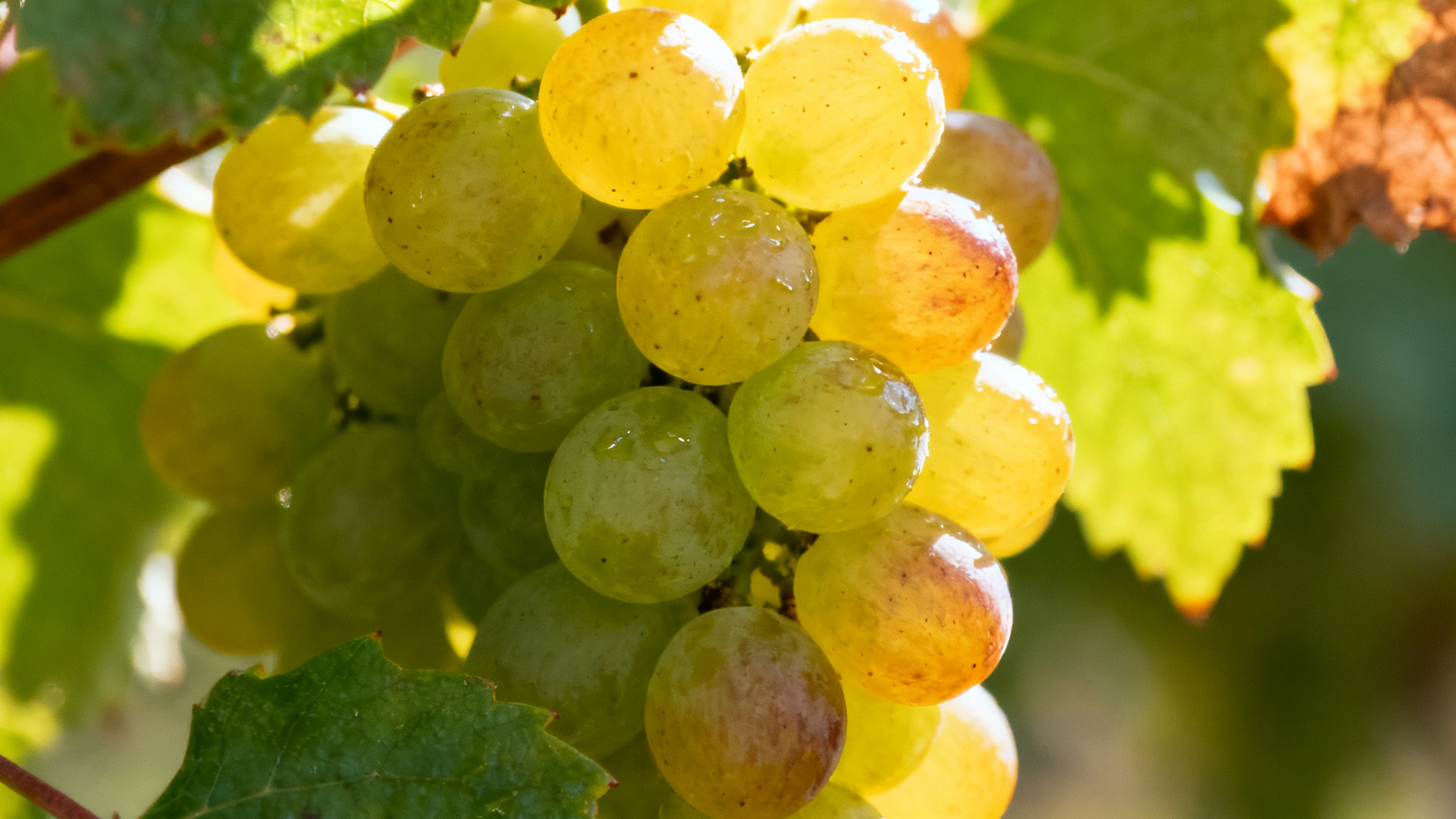
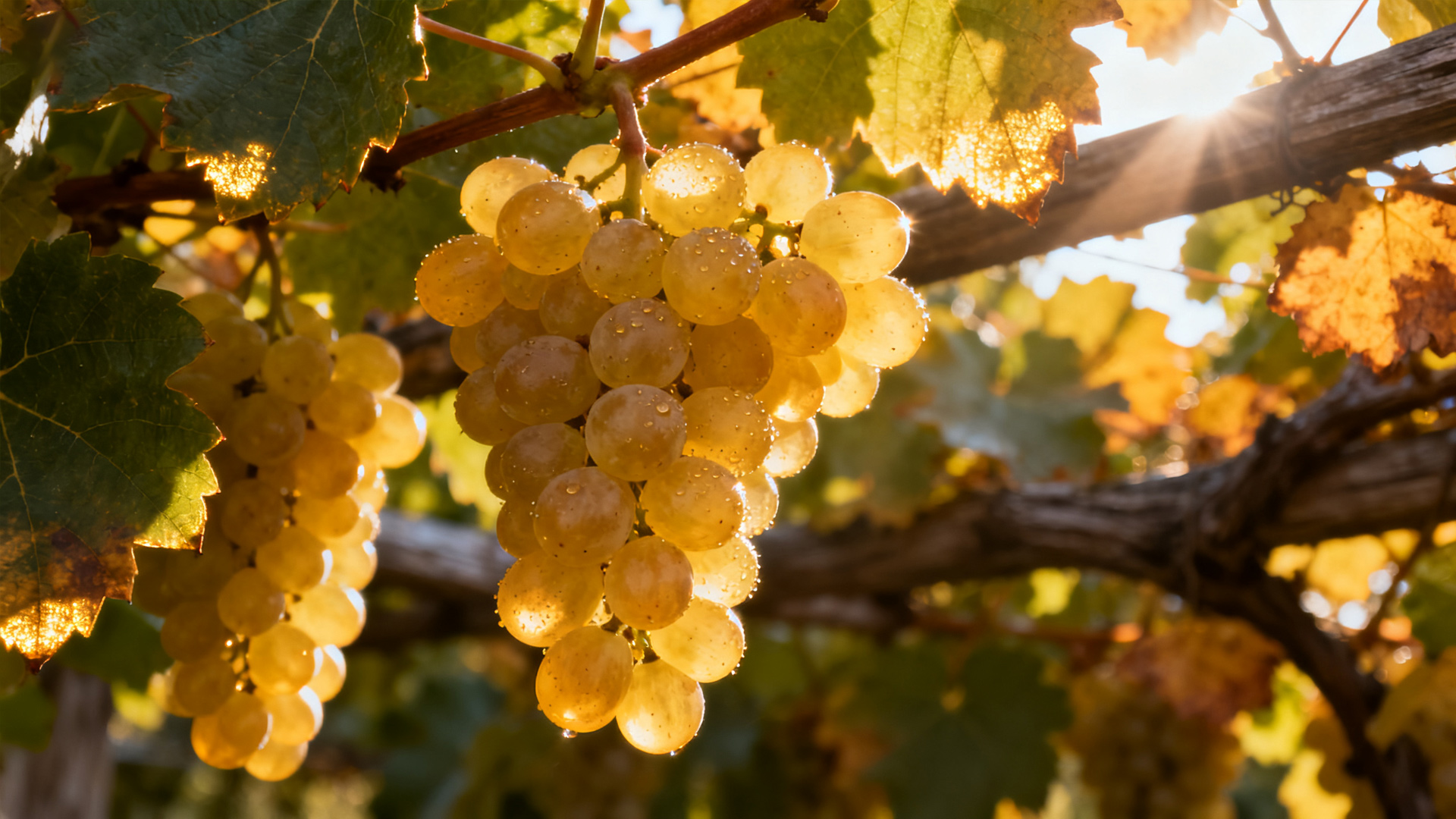
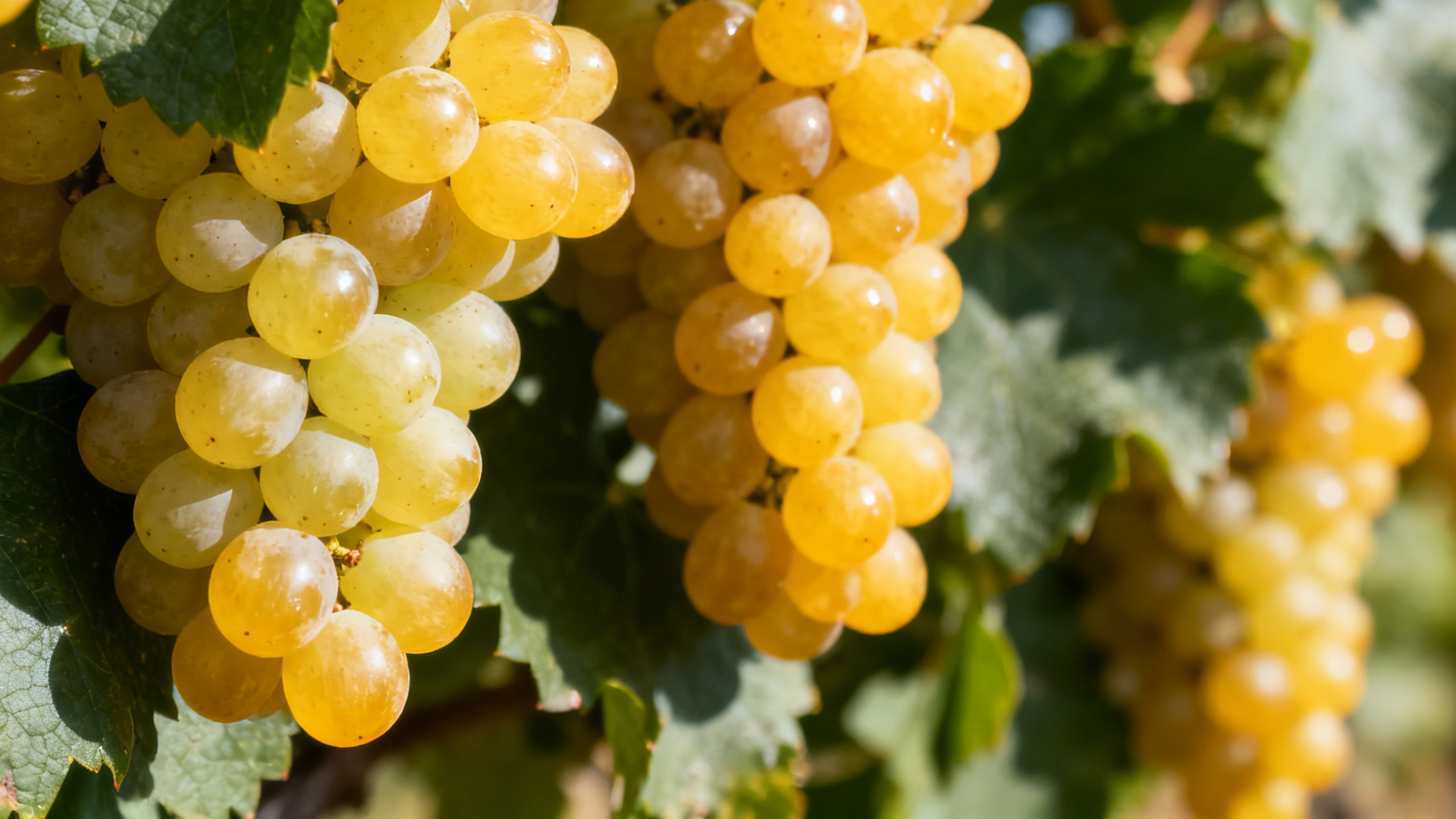
Roussanne is the official international name of this classic French white wine grape. It is known as 胡珊 in Chinese-speaking wine markets and maintains standardized phonetic naming across European wine regions. The variety’s name derives from the French word “roux”, referencing the characteristic russet, reddish-brown hue its berries develop at full ripeness.
1. Introduction
Roussanne is a premium, aromatic white wine grape indigenous to France’s Northern Rhône Valley, celebrated for its rich texture, complex aromatic profile, and outstanding aging potential. As one of the two flagship white varieties of the Rhône region, alongside Marsanne, Roussanne stands out for its delicate floral intensity, layered stone fruit, and distinctive nutty, herbal complexity. Unlike crisp, simple cool-climate white grapes, it delivers a lush, textured palate with remarkable depth and terroir expression. Widely used for both single-varietal bottlings and traditional Rhône white blends, Roussanne produces sophisticated, age-worthy wines that evolve beautifully with cellaring.
2. Origin & History
Roussanne originates from the Northern Rhône Valley in southeastern France, with a documented viticultural history spanning several centuries. It is a traditional indigenous variety deeply intertwined with Rhône wine heritage, historically blended with Marsanne to create balanced, structured white wines for regional fine wine production.
For generations, Roussanne remained a regional specialty, valued for adding aromatic lift and complexity to Marsanne-dominant blends. While Marsanne contributes body and richness, Roussanne brings vibrant floral notes, precision, and aromatic elegance. In modern winemaking, the variety has gained global recognition for standalone bottlings. Small-scale plantings have spread across Southern France, California, and Australia, yet the Northern Rhône continues to produce the most terroir-expressive, benchmark Roussanne wines in the world.
3. Viticulture Characteristics
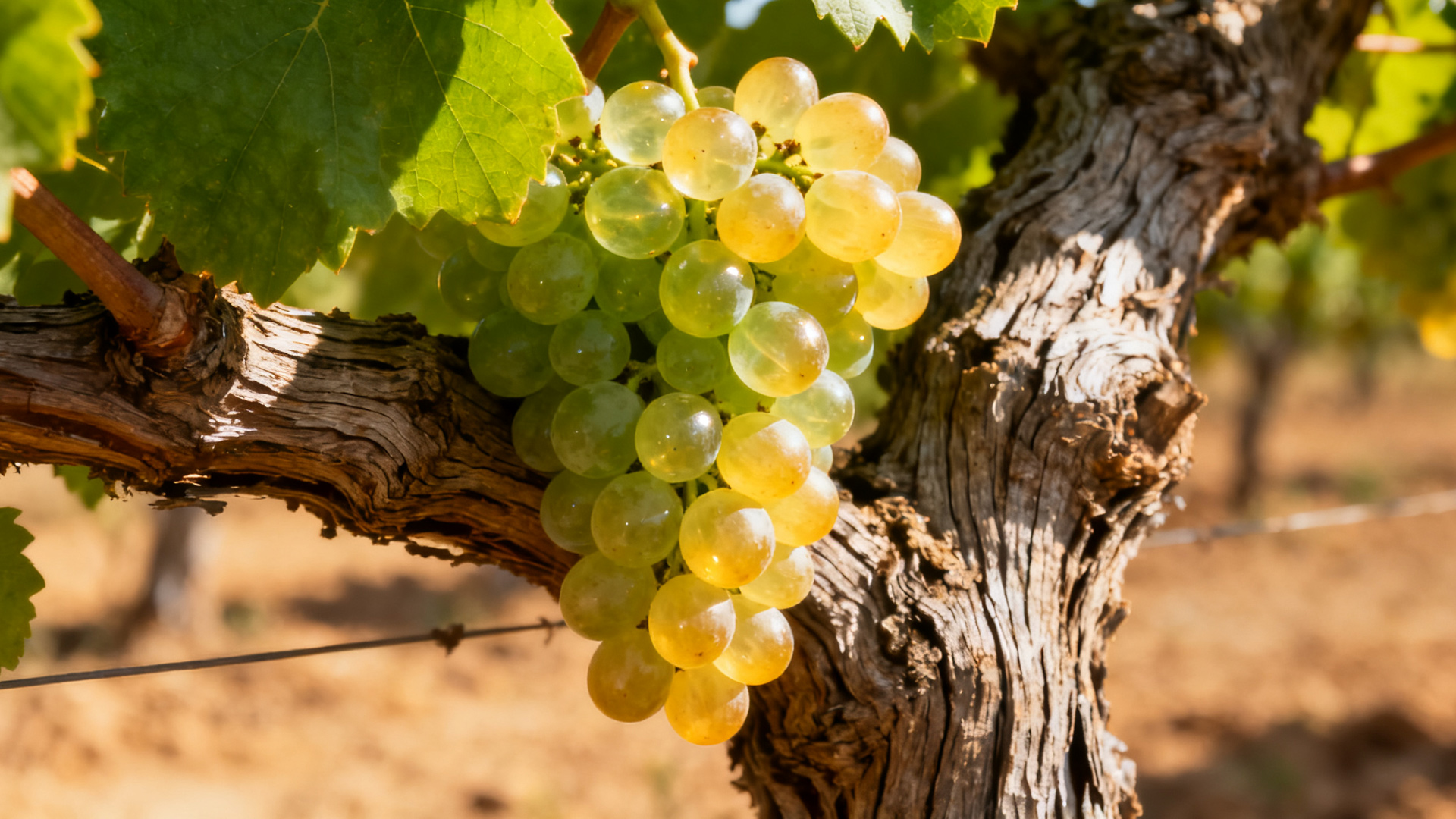
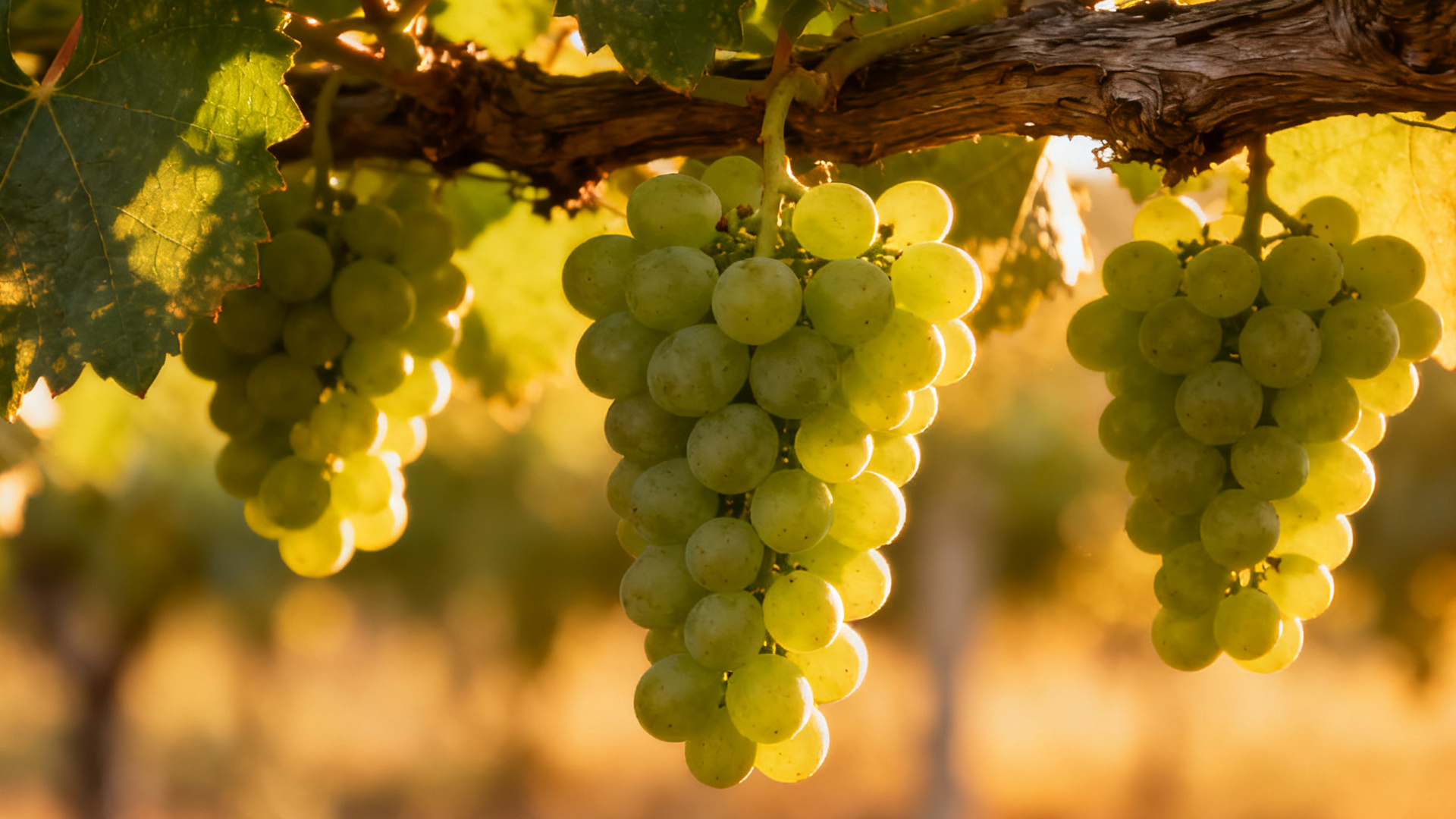
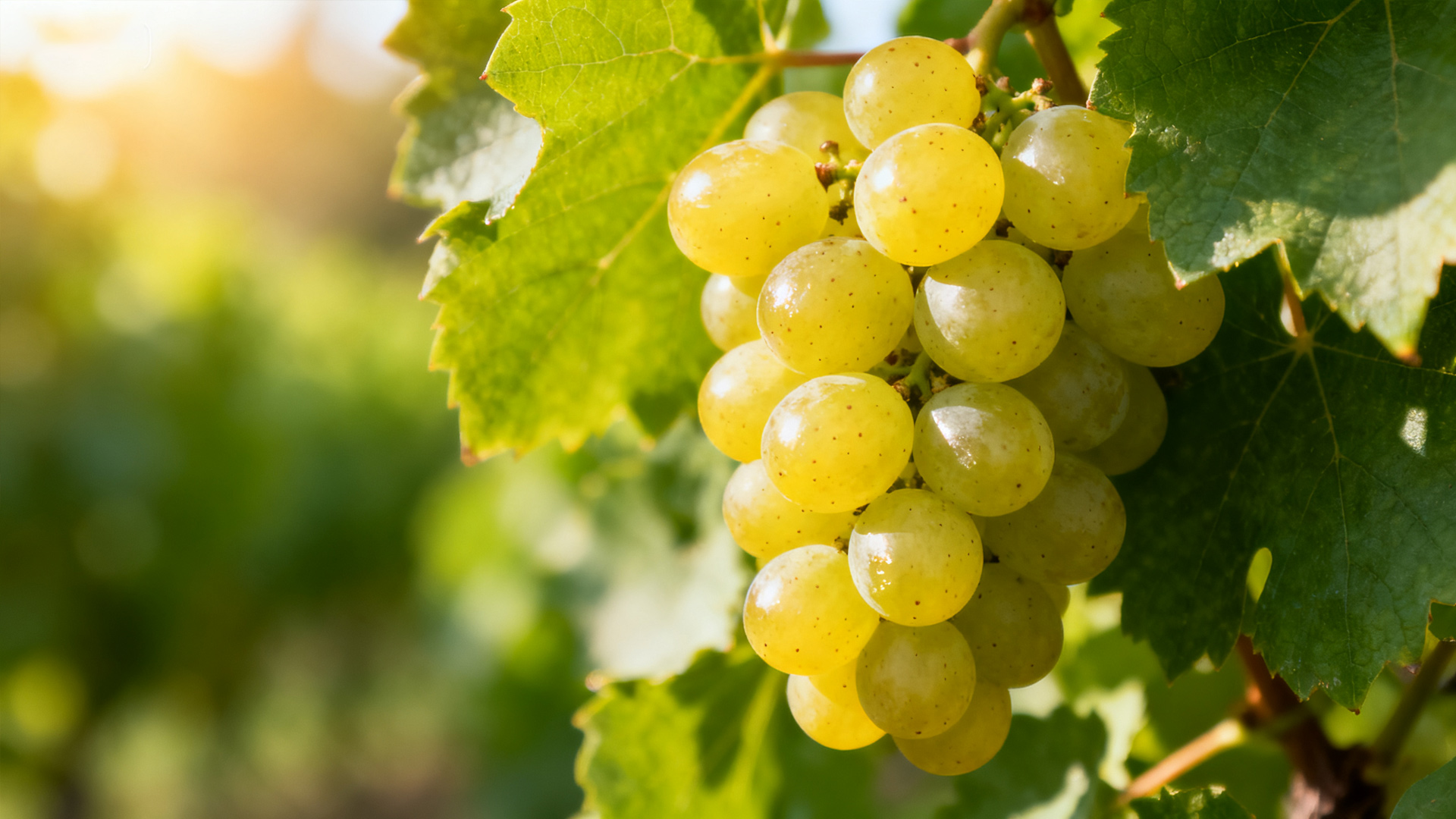
Roussanne is a mid-ripening white grape variety with distinct and delicate growing requirements. It features small, thin-skinned berries that turn a signature russet red upon full maturity, inspiring its name. The vine demonstrates moderate vigor and requires careful canopy management to achieve balanced ripeness and flavor concentration.
This variety is relatively sensitive to climate fluctuations, particularly prone to poor fruit set in cold, wet flowering seasons. It thrives best on steep, well-drained granite and limestone slopes with low fertility, conditions that restrict excessive vigor and concentrate aromatic complexity. Roussanne requires full sun exposure and warm, dry growing conditions to fully develop its signature nutty and floral characters. When under-ripened, it displays green, herbal, and vegetal tones; fully ripe, low-yield vines produce wines with exceptional richness, precision, and layered complexity.
4. Flavor & Aroma Profile
Roussanne offers an intricate, multi-layered aromatic profile that distinguishes it from most common white wine grapes. Youthful single-varietal Roussanne presents vibrant primary aromas of white peach, pear, apricot, and citrus zest, accented by prominent jasmine, honeysuckle, and delicate herbal notes. Its most defining youthful trait is a bright, lifted floral intensity uncommon in structured Rhône whites.
With maturation and oak aging, the wine develops rich secondary and tertiary flavors of hazelnut, almond, honey, wax, and subtle saline minerality. On the palate, Roussanne features a medium-full body, creamy texture, balanced bright acidity, and a long, elegant finish. It avoids the excessive heaviness of oaked Chardonnay and the sharp acidity of aromatic cool-climate whites. Properly aged Roussanne evolves remarkable nutty, earthy complexity, gaining smoothness and depth over time.
5. Winemaking Style
Roussanne supports two primary winemaking styles: traditional Rhône blending and premium single-varietal bottlings. In classic Northern Rhône white blends, it complements Marsanne by adding aromatic brightness, floral lift, and precision to the richer, rounder Marsanne base.
Premium single-varietal Roussanne often utilizes gentle whole-cluster pressing and partial oak fermentation or aging. Neutral French oak is commonly used to enhance texture and nutty complexity without overpowering its delicate floral character. Light lees stirring adds subtle creaminess and mouthfeel, elevating the wine’s luxurious texture. Basic expressions are crafted for early drinking within 2–4 years, while high-quality single-vineyard Roussanne boasts impressive aging potential, evolving gracefully for 8–15 years and developing sophisticated tertiary nutty and waxed layers.
6. Top Growing Regions
Northern Rhône, France (Global Benchmark): The Northern Rhône Valley, including prestigious appellations such as Hermitage and Crozes-Hermitage, produces the world’s most authoritative Roussanne wines. Steep mineral-rich slopes and ideal sun exposure create perfectly balanced, complex, age-worthy expressions that define the variety’s benchmark style.
Southern France & Languedoc: Wider plantings in Southern France produce approachable, fruit-forward Roussanne blends focused on immediate drinkability, with softer acidity and more upfront stone fruit flavors.
New World Regions: Limited premium plantings exist in California’s Central Coast and Australia’s Barossa Valley. New World Roussanne tends to showcase riper tropical fruit and honeyed notes with softer mineral tension compared to structured Old World Rhône expressions.
7. Food Pairing
Thanks to its rich texture, balanced acidity, floral complexity, and nutty undertones, Roussanne pairs beautifully with sophisticated savory dishes. It complements rich seafood including baked scallops, lobster, prawns, and buttery fish dishes, with its creamy texture harmonizing perfectly with seafood sweetness and richness.
Roussanne also pairs excellently with roasted poultry, creamy risottos, nutty soft cheeses, and herbal Mediterranean cuisine. Its subtle saline and nutty notes enhance mushroom-based dishes and lightly spiced savory recipes. Overly sweet desserts or extremely spicy dishes are not recommended, as they disrupt the wine’s delicate floral and nutty balance.
8. Similar Variety Comparison
Roussanne vs. Marsanne: As the two iconic Rhône white grapes, they are often blended together. Marsanne offers a rounder, fuller body, richer stone fruit, and lower aromatic intensity with early drinkability. Roussanne features brighter floral aromas, higher acidity, finer precision, and superior aging potential, adding elegance and complexity to Marsanne’s bold structure.
Roussanne vs. Viognier: Viognier is defined by powerful tropical fruit, strong perfume, and low acidity with an opulent, lush profile. Roussanne is more restrained, structured, and mineral-driven, with prominent nutty complexity and better balance, lacking Viognier’s overtly fruity and floral intensity while offering far greater aging capacity.
9. Summary
Roussanne is an elegant, complex white grape that serves as the aromatic backbone of classic Northern Rhône white wines. Renowned for its delicate floral lift, rich nutty complexity, textured palate, and impressive aging potential, it stands as one of the most sophisticated underrated white wine varieties. Balancing precision, richness, and terroir expression, Roussanne delivers exceptional quality in both blended and single-varietal forms. It is an ideal choice for wine lovers seeking textured, aromatic, and age-worthy dry white wines with unique nutty and floral character.
© Copyright Notice
All articles are copyrighted by the authors; no reproduction without permission.
THE END


No comments yet