


Name & International Aliases
Carmenere is the internationally recognized official name of this historic red wine grape. It is known as 佳美娜 in Chinese-speaking regions, with consistent phonetic naming across major European wine markets. Once a native Bordeaux variety nearly extinct in France, it has gained global fame under its unified modern varietal label, also historically referenced as Grand Vidure in old European viticultural records.
1. Introduction
Carmenere is a distinctive medium-full bodied red wine grape variety originating from Bordeaux, France, and now famously established as the signature national grape of Chile. Once considered a lost Bordeaux cultivar wiped out by 19th-century phylloxera epidemics in Europe, this resilient variety found a new homeland in South America and evolved into a unique terroir-defining staple. Recognized for its one-of-a-kind combination of ripe red and dark fruit, soft velvety tannins, and iconic green peppercorn herbal spice notes, Carmenere delivers a balanced, approachable, and highly recognizable drinking style. It stands out among classic red grapes for its late-ripening nature and remarkable transformation from underripe vegetal tones to complex, savory richness when fully mature.
2. Origin & History
Carmenere’s origins trace back to the Bordeaux region of southwestern France, where it was one of the traditional blending grapes used in Left Bank red wines. The name derives from the French word “cramoisi”, meaning crimson, referencing the vibrant red autumn foliage of mature vines before leaf fall. For centuries, it contributed depth and herbal complexity to classic Bordeaux blends alongside Cabernet Sauvignon and Merlot.
In the 1860s, widespread phylloxera infestations devastated European vineyards, nearly eliminating Carmenere entirely from French soil. During this period, cuttings were imported to Chile, where the pest was absent, allowing the variety to survive and flourish. For over a century, Chilean growers mistakenly classified Carmenere as Merlot due to similar vine and berry appearances. It was officially rediscovered and reclassified as a unique varietal in 1994. Today, Chile dominates global Carmenere production, housing over 90% of the world’s plantings and reviving this once-forgotten noble grape.
3. Viticulture Characteristics
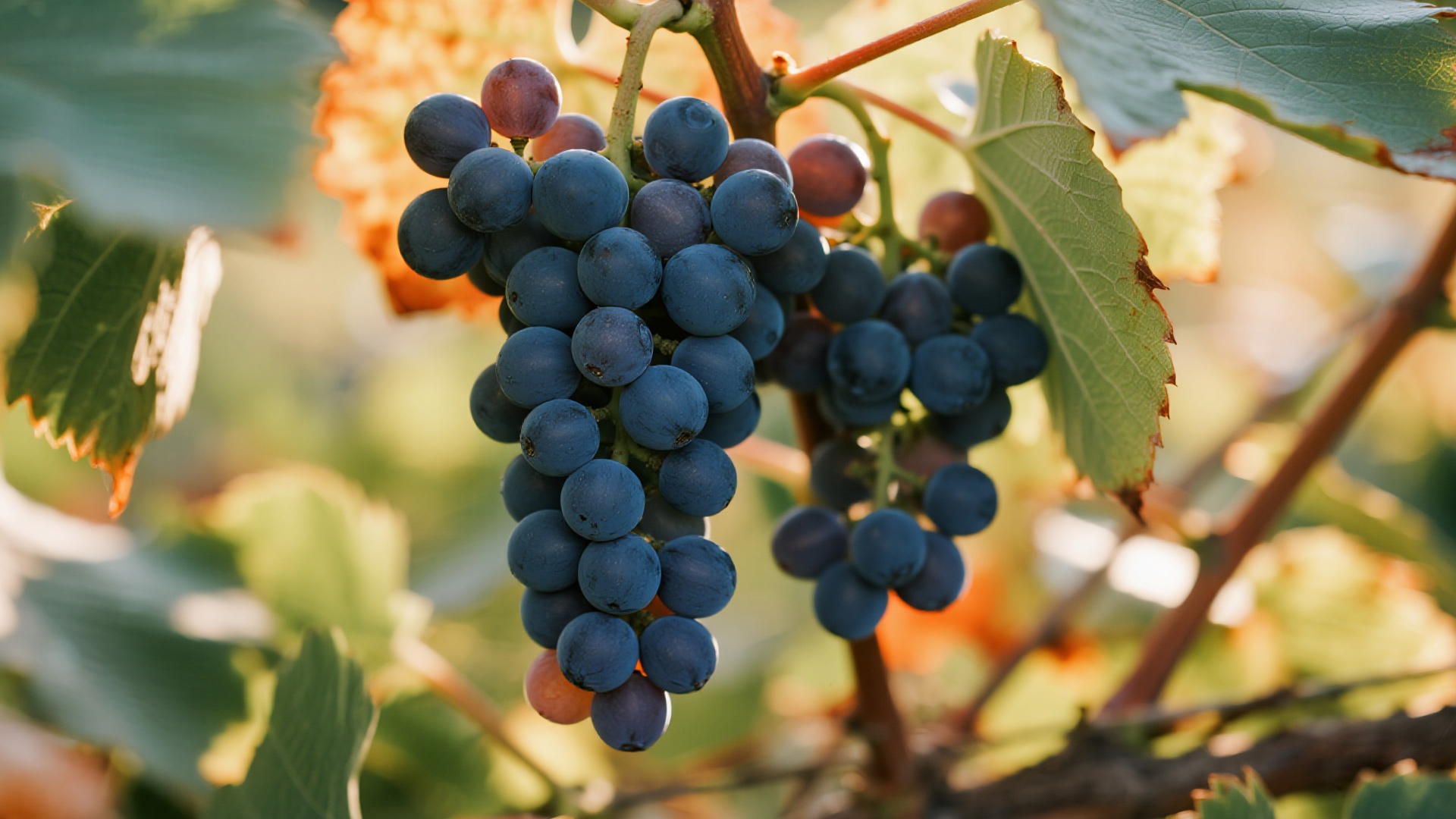
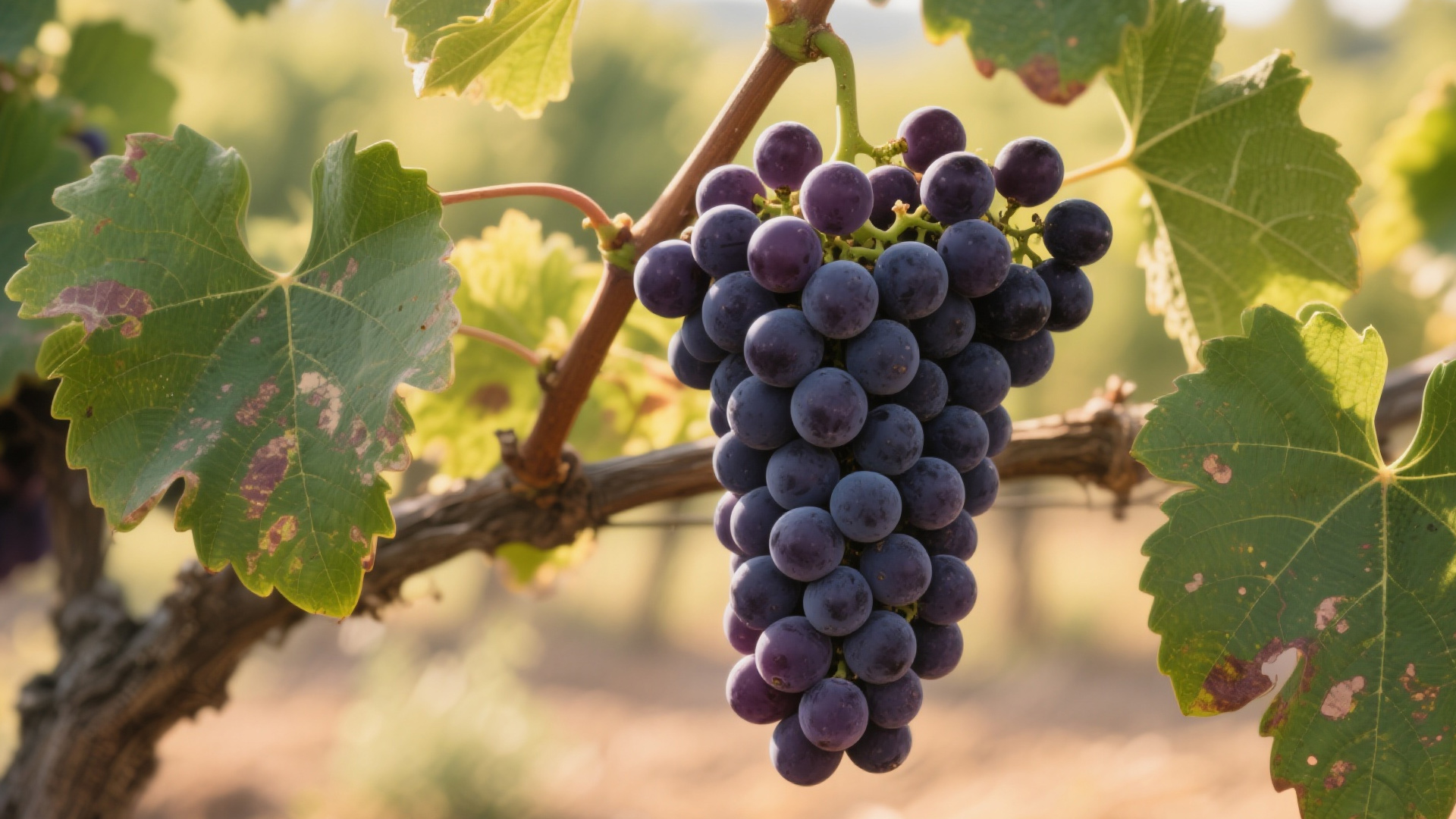
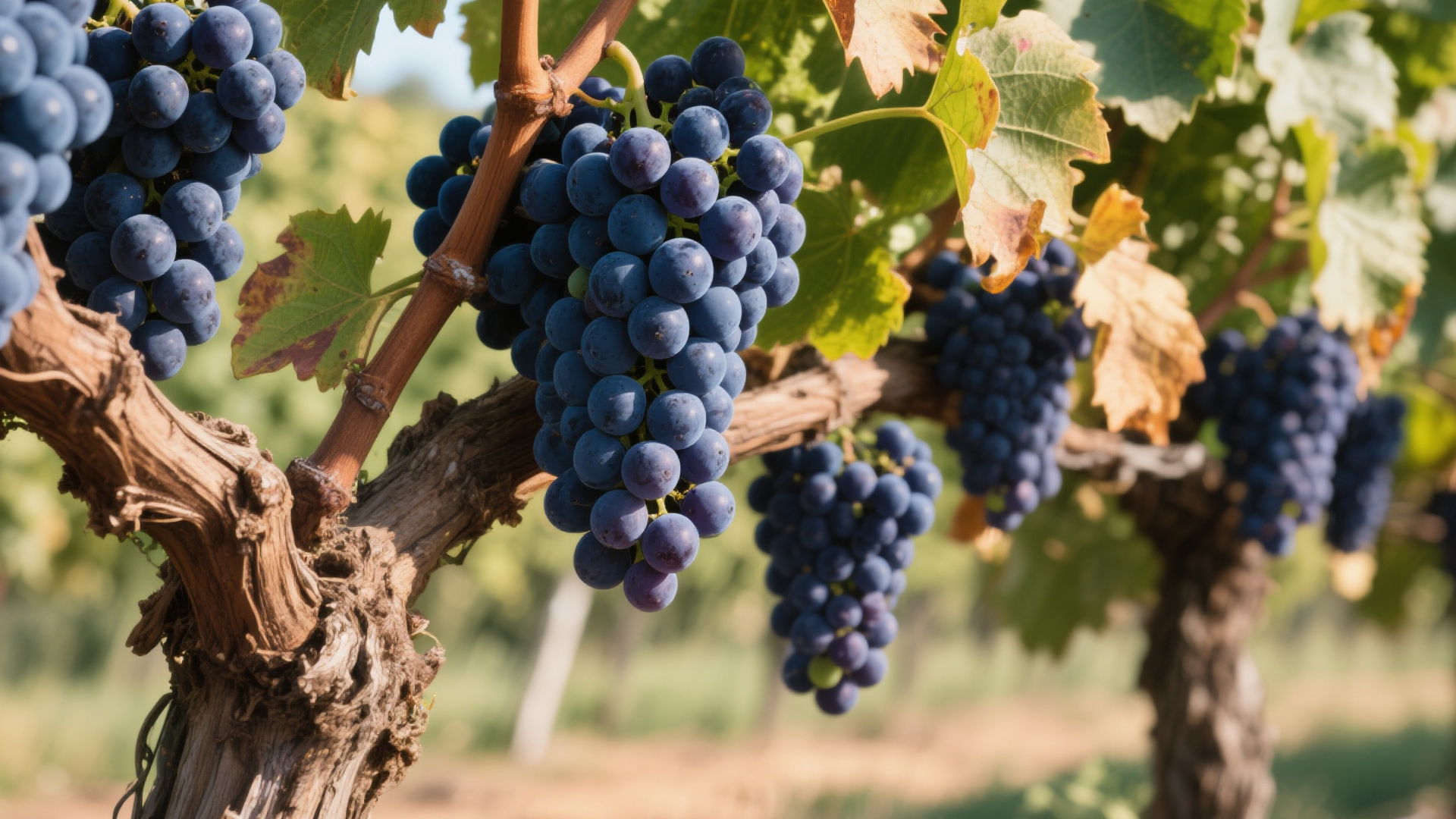
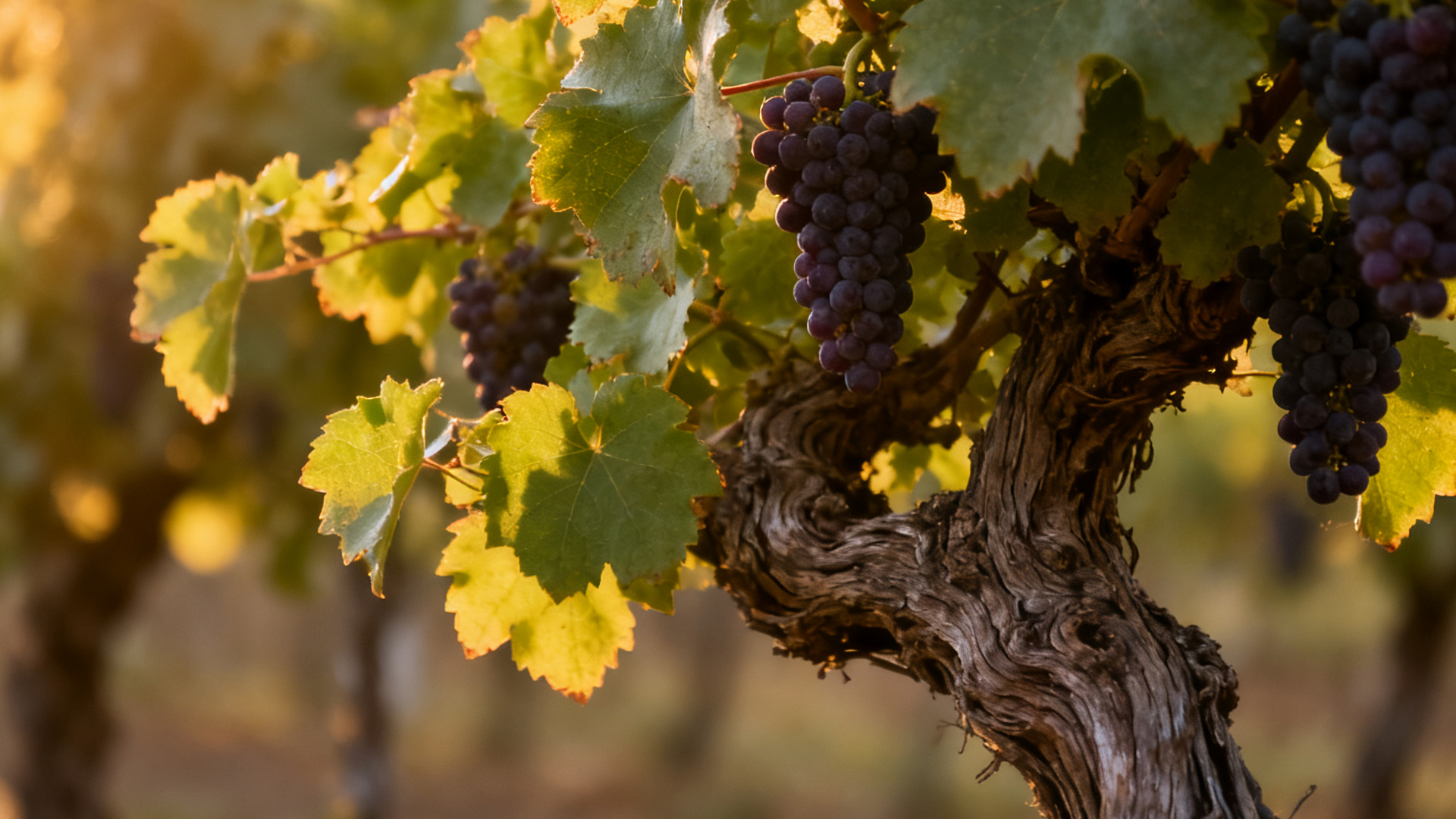
Carmenere is a late-ripening red grape variety with distinct botanical traits that differentiate it from other Bordeaux varietals. It produces medium-sized, loose berry clusters with thick, deep blue-black skins. The vine features vigorous growth and distinctive crimson-colored autumn leaves, the key visual feature that inspired its name.
This variety requires an extended growing season and abundant sunshine to reach full phenolic ripeness, making it highly dependent on warm, dry vintages. Its most defining viticultural trait is pronounced vegetal, green peppercorn compounds that fade only with full ripening; underripe Carmenere displays aggressive grassy and bell pepper flavors. It thrives excellently in Chile’s Central Valley, where warm days and cool nights balance sugar ripeness, acidity retention, and flavor maturation. The variety adapts well to diverse soil types, including alluvial and volcanic soils, and demonstrates strong drought tolerance compared to other red Bordeaux grapes.
4. Flavor & Aroma Profile
Carmenere boasts a unique, easily identifiable flavor profile that balances fruity sweetness and savory herbal complexity. Fully ripe young wines present dominant aromas of ripe blackberry, black cherry, plum, and red berry jam, layered with signature green peppercorn, dried herb, and subtle bell pepper undertones that define the variety.
Premium expressions develop secondary notes of black olive, tobacco, dark chocolate, and gentle spice after short oak aging. On the palate, Carmenere features a medium to full body, moderately high alcohol, bright balanced acidity, and notably soft, velvety tannins. Unlike the firm, tight structure of Cabernet Sauvignon or the plush red-fruit sweetness of Merlot, Carmenere offers a smoother, more approachable texture with lingering savory herbal finishes. With bottle aging, its vegetal tones soften, evolving into earthy, truffle-like tertiary complexity.
5. Winemaking Style
Carmenere is versatile for both single-varietal bottlings and traditional Bordeaux-style blends. Modern Chilean winemaking prioritizes maximizing fruit ripeness to minimize harsh vegetal characters and enhance the grape’s rich, savory personality. Extended hang time on the vine is the core winemaking principle for high-quality Carmenere, ensuring full phenolic maturity and balanced flavor development.
Most premium Carmenere wines undergo moderate oak aging in French or American oak barrels, adding vanilla, baking spice, and subtle coconut layers that complement its herbal and dark fruit notes. Basic entry-level wines are fermented in stainless steel to preserve bright primary fruit flavors for early consumption. Compared to other noble red grapes, Carmenere has moderate aging potential. Standard bottlings are enjoyable within 2–4 years after vintage, while top-tier single-vineyard expressions can age gracefully for 8–12 years, developing deeper earthy and savory complexity over time.
6. Top Growing Regions
Central Valley, Chile (Global Benchmark & Dominant Region): Chile’s Central Valley, including iconic subregions such as Colchagua Valley, Maipo Valley, and Cachapoal Valley, produces the world’s finest and most representative Carmenere wines. The region’s Mediterranean climate, ample sunlight, and diverse mineral-rich soils create the perfect terroir for fully ripening this late-season grape, delivering balanced, complex, and true-to-variety expressions.
Small Global Plantings: Limited commercial Carmenere vineyards exist in Argentina, California, Italy, and China. These minor plantings produce lighter, fruit-forward styles with more prominent vegetal notes, lacking the balanced ripeness and signature spice complexity of Chilean benchmark Carmenere.
7. Food Pairing
Thanks to its soft tannins, balanced acidity, and unique herbal-spicy profile, Carmenere offers excellent food-pairing versatility. It pairs beautifully with seasoned red meats, including grilled lamb, roasted pork, beef short ribs, and smoked beef dishes, with its gentle tannins cutting through meat fat without overwhelming savory flavors.
Carmenere also complements earthy mushroom dishes, seasoned stews, charcuterie boards, and medium-aged soft cheeses. Its subtle green spice notes harmonize perfectly with mild herbal seasonings and light smoky flavors. It is best to avoid pairing Carmenere with delicate seafood or overly sweet desserts, which can clash with its distinctive savory-herbal character and disrupt flavor balance.
8. Similar Variety Comparison
Carmenere vs. Merlot: Carmenere and Merlot share soft tannins and medium-full body, explaining their historical misidentification. Merlot focuses on ripe plum, red berry, and jammy sweet fruit with minimal herbal spice. Carmenere stands out with its signature green peppercorn and savory herbal layers, more structured acidity, and greater flavor complexity.
Carmenere vs. Cabernet Sauvignon: Cabernet Sauvignon delivers firm, tight tannins, bold blackcurrant and cedar notes, and powerful aging potential. Carmenere has softer velvety tannins, more prominent herbal-spicy characters, and earlier drinkability, offering a smoother, more approachable alternative to structured Cabernet-based wines.
9. Summary
Carmenere is a unique revival noble red grape variety and the undisputed flagship varietal of Chilean wine culture. Saved from European extinction and revitalized in South American terroirs, it is celebrated for its balanced dark fruit richness, iconic green peppercorn spice, soft velvety tannins, and exceptional drinkability. Blending old-world Bordeaux heritage with new-world terroir uniqueness, Carmenere delivers a one-of-a-kind wine style that is both easy-drinking and subtly complex. It is an ideal choice for wine lovers seeking savory, well-balanced red wines with distinctive herbal-spicy personality.
© Copyright Notice
All articles are copyrighted by the authors; no reproduction without permission.
THE END


No comments yet