



Key Takeaways
- Rioja is not one wine zone—it’s three. Rioja Alta (Atlantic climate, elegant Tempranillo, the historic heart), Rioja Alavesa (Basque Country, limestone soils, the most mineral and tension-driven wines), and Rioja Oriental (Mediterranean climate, Garnacha country, warmth and power). The best wines blend across these sub-regions.
- The aging classification system—Crianza, Reserva, Gran Reserva—is the most consumer-friendly in the wine world, but it’s also Rioja’s trap. A Gran Reserva from a bad producer is still a bad wine. The producer’s name matters more than the aging designation.
- American oak is Rioja’s signature—vanilla, coconut, dill—because in the 19th century Bordeaux exported the barrels (and the winemaking) south when phylloxera hit France. A century and a half later, that accident of history still defines the region’s flavor.
- López de Heredia Viña Tondonia is Spain’s most defiantly traditional winery—releasing Gran Reservas at 10+ years of age, hand-making their own barrels, and refusing to modernize because, as María José López de Heredia puts it, “We are not in a hurry. The wine is.”
- The division between traditionalists (American oak, long aging) and modernists (French oak, shorter aging, terroir focus) has reshaped Rioja in the last 25 years. The best wines now come from producers who understand both approaches and use each with intention.
- Great Rioja vintages age as long as classified Bordeaux—and cost a third of the price. A top Gran Reserva from 2001, 2004, or 2010 ($60–90) will outlive most $200 Bordeaux from the same years. This is the single greatest value play in fine wine.
1. Introduction: The Street Where Rioja Was Born
Walk down the calle de la Estación in Haro—population 11,000, a small town in the northern Spanish region of La Rioja—and you’re walking through the single most concentrated stretch of winemaking history in Spain. Within 800 meters of the same train station that gave the street its name, six of the country’s most legendary bodegas were built between 1877 and 1890: López de Heredia, La Rioja Alta, Muga, CVNE, Bilbaínas, and Gómez Cruzado. They clustered around the railway for the same reason Bordeaux’s châteaux clustered around the Gironde: logistics. Before roads, the train was the only way to get wine to market. From this one station platform, Rioja shipped its wines to Paris, London, and Havana.
The French came first. In the 1860s, when phylloxera began devouring Bordeaux’s vineyards, French négociants crossed the Pyrenees looking for wine they could sell. They brought barrels, capital, and a winemaking tradition—long aging in small oak casks—that Rioja had never seen. By the time phylloxera arrived in Spain in the 1890s (decades late, because the Pyrenees slowed the louse’s advance), Rioja had already absorbed the French model and made it its own. The American oak barrels the French had imported from their cooperages became Rioja’s signature—not because anyone planned it, but because they were already there.
That accidental inheritance—Tempranillo aged in American oak for years before release—created a wine style so distinctive that for most of the twentieth century, “Rioja” meant “Spanish fine wine” in every language that mattered. The aging classification system—Crianza, Reserva, Gran Reserva—was copied across Spain. When wine drinkers in London or New York wanted something Spanish and serious, they reached for Rioja. There was nothing else to reach for.
Things changed in the 1990s. A new generation of winemakers, many trained abroad, began asking uncomfortable questions: Was American oak hiding the terroir? Had Rioja become a brand rather than a place? Could Tempranillo from a single hillside express itself without spending five years in barrel? The split between traditionalists and modernists that had reshaped Piedmont in the 1980s hit Rioja a decade later—and it’s still being resolved. Today, Rioja is the most dynamic wine region in Spain, caught between a 150-year tradition and the most exciting period of innovation in its history. This guide covers both sides of that divide, and everything in between.
2. The Three Riojas: Alta, Alavesa & Oriental
The Ebro River runs east-southeast through the middle of Rioja, and the river is the organizing principle of the region’s geography. But the river alone doesn’t explain the differences in the wines. That requires understanding the two mountain ranges that frame the valley: the Sierra de Cantabria to the north and the Sierra de la Demanda to the south. Between them, the Ebro carves a corridor that funnels two competing climates—Atlantic from the west, Mediterranean from the east—into a collision zone roughly centered on the city of Logroño.
2.1 Rioja Alta: The Atlantic Heart
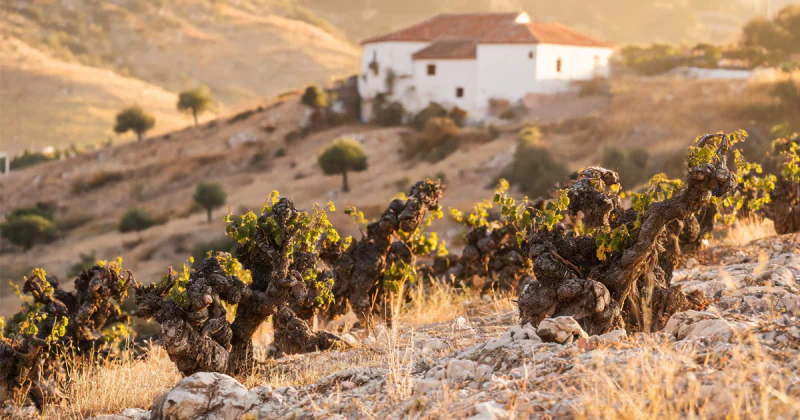
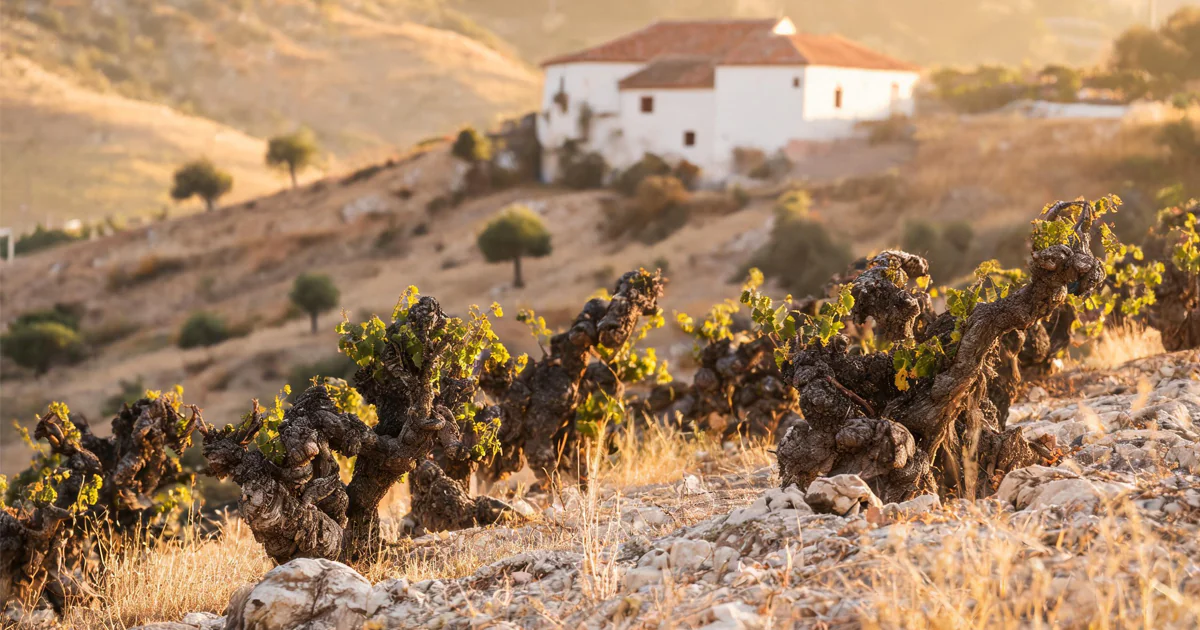
Rioja Alta occupies the western and southern parts of the region, stretching from Haro on the western edge to Logroño in the center. This is classic Rioja—the zone that built the region’s reputation. The climate is predominantly Atlantic: cooler than the rest of Rioja, with higher rainfall (400–500 mm annually), more cloud cover, and a longer, slower ripening season. Harvest here can lag behind Rioja Oriental by two to three weeks.
The soils of Rioja Alta are ancient and complex. The best vineyard land sits on terraced river deposits from the Ebro and its tributaries (the Najerilla, the Oja, the Tirón). These are predominantly ferrous clay mixed with limestone and alluvial gravel—nutrient-poor soils that drain well and force vines to work. The iron content is high enough that the dirt in some vineyards is visibly red-orange.
The combination of cool Atlantic climate and iron-rich clay-limestone soils produces Tempranillo of the highest elegance and ageability: lighter in body than Alavesa or Oriental, but with soaring aromatics (red cherry, dried rose, leather, tobacco) and the tannic structure to age for decades. Rioja Alta is where the longest-lived wines come from—the Gran Reservas that routinely drink beautifully at 30, 40, even 50 years of age. Haro, Cenicero, Briones, San Vicente de la Sonsierra, and the southern towns around the Najerilla valley are the key production zones.
2.2 Rioja Alavesa: The Basque Limestone
Rioja Alavesa is the smallest sub-zone, a narrow strip of vineyards pressed between the Sierra de Cantabria and the Ebro’s north bank. Despite its name, it’s administratively part of the Basque Country (Álava province), not La Rioja province—a distinction that matters enormously to the people who live there and not at all to the grapes.
The defining feature of Rioja Alavesa is the Sierra de Cantabria itself. The mountains act as a wall, blocking the cold, wet Atlantic weather that Rioja Alta receives and creating a rain shadow to the south. Alavesa gets less rain than Alta, more sunshine, and sharper diurnal temperature swings—the mountains radiate cool air down the slopes at night, preserving acidity even as daytime temperatures climb. The result is a climate that should not exist in northern Spain: a Mediterranean pocket tucked into an Atlantic frame.
The soils are equally distinctive. Rioja Alavesa sits on chalky limestone and calcareous clay, much of it from the Tertiary period—think white, crumbly soils that look more like Chablis or Champagne than northern Spain. These calcareous soils produce Tempranillo with higher acidity, finer tannins, and a mineral tension that Rioja Alta’s iron-rich clays don’t deliver. Alavesa wines are more aromatic (violet, black cherry, thyme), more linear, and more transparent to vintage and site. If Rioja Alta is the muscle, Rioja Alavesa is the nerve.
The key villages: Laguardia, Elciego, Labastida, Samaniego, Villabuena de Álava. The top producers clustered here: Artadi, Remírez de Ganuza, and most of the region’s modernist icons launched from Alavesa soil. The logic is simple: the limestone gives them a purity of fruit that French oak can frame without overwhelming.
2.3 Rioja Oriental: Mediterranean Garnacha Country
Rioja Oriental—formerly called Rioja Baja, renamed in 2018 because “low” implied “lesser”—is the eastern third of the region. The Sierra de la Demanda’s rain shadow intensifies here as the Ebro valley widens, and the climate flips from Atlantic to distinctly Mediterranean: hotter summers (often exceeding 35°C), lower rainfall (300–350 mm), more sunshine, earlier harvest. This is the Rioja that produces the ripest, most powerful wines.
The soils change, too. Oriental has more alluvial deposits—gravel, sand, and silt from the Ebro—and significant stretches of ferrous clay. The calcareous influence that defines Alavesa fades out. This is the natural home of Garnacha in Rioja: the variety thrives on the poorer, stonier soils and the extra heat, producing wines with dark fruit (black cherry, plum), high alcohol, and a soft, generous texture that can be magnificent or flabby depending on the winemaking.
Historically, Rioja Oriental was considered the bulk zone—cheap Garnacha sold off in tankers to blend with Alta and Alavesa Tempranillo. That reputation is dying, and quickly. A handful of producers (Palacios Remondo, under Álvaro Palacios of Priorat fame; Valserrano; Ontañón) have proved that Oriental’s old-vine Garnacha—and its Tempranillo, grown on the cooler, higher-elevation sites near the Sierra de Yerga—can produce world-class wine. The zone’s value proposition is unmatched: single-vineyard Garnacha from 60–100-year-old bush vines for $20–40.
2.4 The Blend: Why the Three Sub-Zones Work Together
The traditional Rioja model, still practiced by all the great historic houses, blends fruit across all three sub-zones. Tempranillo from Alta provides structure and aging potential. Tempranillo from Alavesa provides acidity, perfume, and finesse. Garnacha from Oriental provides fruit, alcohol, and mid-palate generosity. The resulting wine is more complete than any single zone could produce alone—and it’s this blending tradition that makes Rioja, in its classic form, less a “terroir wine” in the Burgundian sense and more a “house style” wine in the Bordelais sense. The art is not in expressing a single vineyard but in composing a blend that transcends its sources. This is the philosophical fault line between traditionalists and modernists, and we’ll return to it.
2.5 Climate Change: Ripeness, Alcohol, and the Garnacha Frontier
Rioja is warming. Average growing-season temperatures have risen 1.3°C since 1980, and harvest dates have crept forward by 10–15 days. The consequences are uneven. In Rioja Alta, warmer autumns have been a net positive—Tempranillo that historically struggled to reach phenolic ripeness in four out of ten vintages now gets there in eight or nine. The 2010, 2015, and 2020 vintages all show the benefits.
In Rioja Oriental, the picture is more complicated. The extra heat pushes Garnacha into high-alcohol territory (15–16% is increasingly common), compressing the flavor spectrum and risking jammy, unstructured wines. The smart response—already visible at Palacios Remondo and others—is to plant or revive vineyards at higher elevations (500–700m) on the slopes of the Sierra de Yerga, where cooler nights preserve acidity. Oriental Garnacha from altitude is becoming one of the most exciting categories in Spanish wine, and it barely existed a decade ago.
Water is the under-discussed variable. Irrigation was illegal in Rioja until 2017, when the Regulatory Council permitted it in response to drought pressure. The change was controversial—traditionalists argued it would homogenize wines and erase vintage character—but in the driest years (2017, 2022), irrigation was the difference between a crop and no crop. The debate is far from settled, and it maps neatly onto the traditionalist-modernist divide.
3. The Grapes of Rioja: Tempranillo & Its Cast
3.1 Tempranillo: The King
Tempranillo takes its name from temprano—“early” in Spanish—because it ripens earlier than Garnacha. This is an advantage in Rioja’s cool Atlantic fringe, where an early October harvest can be the difference between a great vintage and a rainy disaster.
As a wine, Tempranillo is medium-bodied by red wine standards, with moderate alcohol, moderate-to-high acidity, and a flavor profile built around red fruit (strawberry, cherry, red plum), leather, tobacco, and—when aged in American oak—vanilla, coconut, and dill. The tannins are fine-grained but abundant, which is why Tempranillo takes to barrel aging so well: the tannins polymerize gracefully over years and decades, softening into silk without ever collapsing.
Tempranillo is a chameleon. In Rioja Alta, it’s ethereal and aromatic—dried roses, leather, sous-bois. In Rioja Alavesa, it’s more structured and mineral—violet, black cherry, crushed stone. In Rioja Oriental, it’s riper and darker—black plum, chocolate, licorice. The same grape, three different personalities. This is why blending across sub-zones works, and why the best single-vineyard Tempranillos (Artadi’s Viña El Pisón, Contador’s eponymous wine) command $200–500+ per bottle.
3.2 Garnacha: The Sun King
Garnacha is Tempranillo’s southern cousin—warmth-loving, late-ripening, and structurally softer. In Rioja, it’s primarily planted in Rioja Oriental, where the Mediterranean climate suits it. Garnacha contributes ripe red and black fruit (strawberry, raspberry, black cherry), higher alcohol, lower acid, and a round, generous texture to blends. On its own, old-vine Garnacha from Rioja Oriental produces wines of startling concentration and perfume at absurdly low prices ($15–30). The best examples—Palacios Remondo La Montesa, Valserrano Finca Monteviejo—are world-class Garnacha priced like everyday wine.
3.3 The Supporting Cast
| Grape | Color | Role in Rioja Blend | Character |
| Graciano | Red | The secret weapon. Low-yielding, late-ripening, deeply colored. Adds perfume, acidity, and aging potential to Tempranillo-dominant blends. Only 2% of plantings but disproportionately important in top wines. | Black cherry, violet, black pepper, graphite. High acid, high tannin, built for the long haul. |
| Mazuelo | Red | aka Cariñena/Carignan. Hardy, drought-resistant, high-yielding. Adds color, acidity, and rustic structure. Overused in bulk blends; transformative in the hands of a few producers. | Dark, tannic, earthy. Needs restrained yields to avoid coarseness. Minor but essential in some Gran Reservas. |
| Viura | White | aka Macabeo. The dominant white grape of Rioja, accounting for nearly all white Rioja production. Historically oxidized and over-oaked; today’s best examples are fresh, mineral, and age-worthy. | White peach, green apple, almond, fennel. High acid, neutral profile that takes well to oak. |
| Garnacha Blanca | White | A mutation of red Garnacha, planted in tiny quantities. Richer and more aromatic than Viura. Used in top white Rioja blends for body and perfume. | Pear, honeysuckle, white flowers. Softer acid, broader texture. |
| Tempranillo Blanco | White | A natural mutation of red Tempranillo discovered in a vineyard in Murillo de Río Leza in 1988. Only authorized in 2007. Plantings are tiny but expanding. | Citrus, green apple, tropical fruit. Fresher, more aromatic than Viura. |
| Maturana Tinta | Red | An ancient, nearly extinct Riojan variety revived in the 1990s. Deep color, distinctive herbal character. A curiosity with cult potential. | Blackberry, eucalyptus, green peppercorn. Distinctive, not for everyone. |
4. Crianza, Reserva, Gran Reserva: The Aging System That Defined a Region
Rioja’s aging classification system is simultaneously the most useful labeling convention in wine—and the most dangerous. Useful because it tells the consumer, at a glance, how much time the wine has spent in barrel and bottle before release. Dangerous because it creates the illusion that all wines in a given category are equal, when in reality a Crianza from a top producer can be a better wine than a Gran Reserva from a cooperative that owns no vineyards.
The system’s roots are economic. In the late nineteenth century, Rioja needed a way to distinguish its wines in a Bordeaux-dominated market. French négociants were selling young wine; Rioja, with its massive network of underground cellars (calados) and access to cheap American oak, figured out that it could hold wine until it was drinkable—then sell it. The aging pyramid was born. Rioja remains, to this day, the only major wine region that releases significant quantities of wine at 10–15+ years of age as a matter of routine, not exception.
| Classification | Minimum Aging | In Barrel | In Bottle | Expected Profile |
| Joven | No minimum | 0 (or minimal) | 0 | Young, fruity, unoaked or lightly oaked. Meant to be drunk within 1–3 years. The style of Rioja most Spaniards actually drink daily. |
| Crianza | 2 years | 12 months | 6+ months | Fresh fruit with oak polish. Red cherry, vanilla, coconut. The entry-level aged Rioja and the style that put the region on the world map. The sweet spot for value: $12–20 for wines that taste like they cost twice that. |
| Reserva | 3 years | 12+ months | 6+ months | More structure, more oak integration. Cherry gives way to leather and tobacco. The “Saturday night” Rioja for most Spanish households. At its best, a Reserva from a top producer ($25–50) outperforms $80–100 wines from elsewhere. |
| Gran Reserva | 5 years | 24+ months | 24+ months | The flagship. Made only in the best vintages, released years after the harvest, meant for the cellar. Dried fruit, leather, tobacco, forest floor, sous-bois. The most age-worthy wines in Spain. Top producers routinely hold their Gran Reservas for 8–15 years before release. Price: $40–150 (released), $100–400+ (aged). |
The trap: these are legally binding minimums, not quality guarantees. A Crianza from López de Heredia (which ages its Crianza for three years in barrel—three times the legal minimum) is a more serious wine than a Gran Reserva from a bulk producer that barely hit the legal floor. The aging designation tells you timing. The producer tells you quality. Never forget which matters more.
5. The Great Estates: Producers That Define Rioja
Rioja’s production structure is unique in the wine world. The region is dominated by large bodegas that own thousands of barrels and release wines classified by aging tier rather than by vineyard. Most of them buy fruit from hundreds of small growers, blending across sub-zones, vintages, and grape varieties to achieve a consistent house style. The resulting wines are not, in the Burgundian sense, “of a place.” They’re of a philosophy. And when that philosophy is executed by a family that’s been doing it for four or five generations, the results can be transcendent.
5.1 López de Heredia Viña Tondonia: The Last Traditionalist Standing
There is no winery on Earth like López de Heredia. Founded in 1877 by Don Rafael López de Heredia y Landeta, it has been run by the same family for 149 years and has changed almost nothing in that time. The wines are fermented in 140-year-old oak vats with ambient yeasts. They’re aged in American oak barrels that are handmade on-site in the bodega’s own cooperage—the last winery-owned cooperage in Spain. They’re released when the family decides they’re ready, which for the Viña Tondonia Gran Reserva means 10–15 years after harvest, minimum.
Maria José López de Heredia, the fourth-generation winemaker, is one of wine’s great characters—a fierce defender of tradition who has been known to tell journalists that modern Rioja tastes “like all the wines of the world” and that her family’s approach is “not slow; it’s correct.” She’s not wrong. A Viña Tondonia Reserva (released at 6–8 years of age, $35–50) has a haunting elegance—dried strawberry, leather, mushroom, orange peel, a texture like worn silk—that no other wine in Rioja replicates. The Gran Reserva (released at 10–15 years, $80–150) is one of the world’s great wine values. The white Viña Tondonia Gran Reserva (Viura, aged a decade or more in barrel) is arguably the most age-worthy white wine in Spain and one of the most distinctive in the world.
5.2 The Haro Greats: CVNE, La Rioja Alta & Muga
If López de Heredia is the keeper of the flame, the other Haro bodegas are the pillars of the temple.
- CVNE (Compañía Vinícola del Norte de España), founded in 1879, is the grandest of the Haro bodegas—a sprawling network of cellars designed by Gustave Eiffel (yes, that Eiffel). The Imperial Gran Reserva ($60–80) is one of the most consistent Gran Reservas in Rioja, and the Viña Real line (now its own winery on the outskirts of Logroño) is the modern face of the operation.
- La Rioja Alta, founded in 1890 by five Basque and Riojan families, produces some of the most reliably excellent Reservas and Gran Reservas in the region. The Viña Ardanza Reserva ($30–40) is the benchmark Rioja Reserva—Tempranillo and Garnacha blended across Alta and Oriental, aged four years in American oak, released when ready. The 904 Gran Reserva ($45–60) and 890 Gran Reserva ($150–250) are monuments to the traditional style.
- Muga, founded in 1932, occupies a middle ground—traditional enough to own its own cooperage (one of only a handful in Rioja), modern enough to make single-vineyard wines from Rioja Alavesa. The Prado Enea Gran Reserva ($60–80) is a benchmark of the classic style; Torre Muga ($80–100) is a modernist Rioja that doesn’t sacrifice identity. Muga makes some of the best rosado (rosé) in Spain, and its Cava-style sparkling wine (Conde de Haro) is one of the few Spanish sparklers that challenges entry-level Champagne at its own game.
5.3 The Modernists: Artadi, Remírez de Ganuza & the Revolution
In the 1990s, a generation of producers in Rioja Alavesa began rejecting the traditional model. They argued that Tempranillo grown on Alavesa’s limestone soils did not need to be blended across sub-zones, smothered in American oak, and held in cellar for a decade. It could stand alone—a single vineyard, a single vintage, an expression of place rather than process. The single-vineyard Rioja was born.
Artadi, founded in 1985, was the spearhead. Juan Carlos López de Lacalle’s Viña El Pisón ($250–350+) is Rioja’s most famous single-vineyard wine—Tempranillo from a 2.4-hectare plot in Laguardia on pure limestone, aged in French oak, released as a “vino de mesa” at first (because the single-vineyard concept didn’t fit the DO regulations). Today, Artadi no longer labels its wines as Rioja DOCa—it withdrew from the appellation entirely, arguing that the DO system’s emphasis on aging classification over vineyard origin was holding the region back.
Remírez de Ganuza is perhaps the most technically rigorous modernist bodega—infrared sorting of individual grapes, custom-designed microcasks, extended lees aging. The wines (Trasnocho, $50–70; the eponymous Remírez de Ganuza Reserva, $80–120) are richer, darker, and more extracted than classic Rioja, but with a precision that separates them from lesser modernists.
Contador, Benjamin Romeo’s project in the village of San Vicente de la Sonsierra, is the iconoclast—the wines (Contador, $300–500+; La Cueva del Contador, $100–150) are some of the most concentrated expressions of Tempranillo in existence. They divide opinion, but nobody disputes their power.
Between these extremes, a synthesis generation is emerging. Producers like Viñedos de Páganos (La Nieta), Sierra Cantabria, and Roda are making single-vineyard wines with some old oak and moderate aging—enough to show terroir, enough to show Rioja. This, more than either extremes, is where the region’s future lies.
6. How to Buy Rioja: Price Tiers, Strategies & What to Avoid
6.1 Price Tiers: The Rioja Value Ladder
| Price | What You Get | Wine Profile | Benchmark Buy |
| $10–18 | Joven; entry Crianza; everyday Garnacha from Oriental | Fresh, fruity, consumed young. Crianza at this level delivers American oak polish without austerity. The best value in Spanish wine. | Muga Crianza, La Rioja Alta Viña Alberdi Crianza, Palacios Remondo La Montesa Garnacha |
| $18–35 | Top Crianza; entry Reserva; old-vine Garnacha; white Rioja | The sweet spot. Reserva at this price from a good producer is the benchmark for Tuesday-night wine that tastes like a Saturday-night splurge. Old-vine Garnacha here is absurdly good. | López de Heredia Viña Cubillo Crianza, La Rioja Alta Viña Ardanza Reserva, Viña Tondonia Reserva (white) |
| $35–65 | Top Reserva; entry Gran Reserva; modernist single-vineyard wines | Where Rioja gets serious. Traditional Gran Reservas from 2010–2014 are entering their drinking windows. Modernist single-vineyard wines show Tempranillo’s terroir transparency. | CVNE Imperial Reserva, López de Heredia Viña Tondonia Reserva, Muga Prado Enea, Remírez de Ganuza Reserva |
| $65–120 | Top Gran Reserva; icon modernist wines; aged back-vintages | Gran Reservas from top producers at peak maturity (2001, 2004, 2005). Modernist benchmarks (Roda I, Remírez de Ganuza Trasnocho). The peak of traditional Rioja. | La Rioja Alta 904 Gran Reserva, López de Heredia Viña Tondonia Gran Reserva, Roda I, Viña Tondonia Blanco Gran Reserva |
| $120–250 | Icon Gran Reserva in great vintages; collector-level modern wines | La Rioja Alta 890 Gran Reserva, back-vintage Viña Tondonia Gran Reserva from the 1990s, Contador La Cueva del Contador. Serious collector territory. | La Rioja Alta 890, Artadi Viña El Pisón (entry price), López de Heredia Gran Reserva back-vintage |
| $250–500+ | The grails: Contador, Artadi Viña El Pisón, legendary old vintages | Spain’s most collectible wines outside Vega Sicilia and Pingus. Viña El Pisón from great vintages (2004, 2010, 2016) and Contador are the benchmarks. Vintages of Tondonia Gran Reserva from the 1960s–1980s trade at auction for $300–800+. | Artadi Viña El Pisón, Contador, López de Heredia Tondonia Gran Reserva 1964/1970/1981 |
6.2 The Rioja Buying Playbook
- 1. Buy the producer, not the aging tier. A López de Heredia Cubillo Crianza ($25) is a more serious wine than a generic Gran Reserva from a bulk bodega. Memorize a shortlist of top producers: López de Heredia, La Rioja Alta, CVNE, Muga, Artadi, Remírez de Ganuza, Roda, Viñedos de Páganos, Palacios Remondo. If the label has one of these names, buy it. If it doesn’t, proceed with caution.
- 2. Crianza from a great producer outperforms Reserva from a mediocre one. Every time. López de Heredia’s Viña Cubillo Crianza ages its wine for three years in barrel—longer than most Rioja Reservas. La Rioja Alta’s Viña Alberdi Crianza is aged in American oak for a full year and released at two years. These are not “enter-level” wines. They’re great Rioja that happens to be labeled Crianza.
- 3. Look for the back label’s aging details. The legal minimums are just that—minimums. Top producers routinely exceed them. If a Reserva says “aged 36 months in barrel,” you’re looking at a producer that ages its Reserva like most others age their Gran Reserva. Buy those wines.
- 4. The best current values are 2010–2014 Reservas and Gran Reservas. These wines are entering or at their prime drinking window, were released years ago, and are available at prices that don’t reflect the quality. A 2010 CVNE Imperial Gran Reserva for $65–75 is arguably the most undervalued bottle in fine wine today.
- 5. Don’t sleep on white Rioja. López de Heredia’s Viña Tondonia Blanco and Gravonia are among the most distinctive white wines in the world—mature Viura with decades of aging in American oak, nutty, oxidative, complex. Remélluri and Muga make fresher, younger-drinking whites. White Rioja is the region’s most underrated category.
- 6. Old-vine Garnacha from Rioja Oriental is the value move of the decade. Palacios Remondo La Montesa ($18–22) is a world-class Garnacha from 40–90-year-old vines, made by the family that defined Priorat, priced like a Tuesday-night pizza wine. Buy it by the case.
- 7. If you’re cellaring, buy two bottles of each Gran Reserva. Open one now (or within five years), let the other sleep for 10–20+. Gran Reserva evolves in two phases: Phase 1 (10–20 years from vintage), when the fruit and oak integrate into a seamless whole; Phase 2 (20–40+ years), when tertiary notes—dried fruit, leather, mushroom, forest floor—take over entirely. Both phases are extraordinary, but they’re different wines. Don’t miss either.
7. Rioja Vintage Guide: 2001–2021
Rioja vintages are declared as General or Specific by the Regulatory Council. General is the whole-region rating; Specific refers to sub-zones that outperformed. The vintage table below is based on actual drinking experience, not official declarations—because the Council’s General ratings are optimistic by nature. A vintage rated “Excelente” by the Council means “good,” not “outstanding.” What follows is unvarnished.
| Year | Rating | Style | Character | Drink Window | Advice |
| 2021 | 8.0/10 | Cool year | A cool, Atlantic-dominated vintage. Elegant, fresh, lighter-bodied wines. Earlier drinking. Not a Gran Reserva year but excellent Crianzas and Reservas for near-term enjoyment. | Crianza now; Reserva 2027–2035 | Buy Crianza and Reserva from top producers |
| 2020 | 8.5/10 | Warm, healthy | Warm September without extreme heat. Ripe but balanced. Good across all tiers. Higher alcohol than average but fresh acidity. A sleeper vintage that will drink well early. | All tiers, now–2040 | Good across the board. Buy Reserva |
| 2019 | 9.0/10 | Classic power | Outstanding. Warm, dry, perfectly-timed harvest. Wines of power, structure, and clarity. The best since 2010. Gran Reserva quality across all three sub-zones. | Reserva 2028–2040+; Gran Reserva 2032–2050+ | Buy everything. A reference vintage |
| 2018 | 8.0/10 | Cool, late | A long, cool growing season with late harvest. Elegant, aromatic, lighter-bodied wines. Better for Crianza and Reserva than Gran Reserva. High acidity, crisp fruit. | Now–2035 | Good for Reserva from cooler sites in Alta |
| 2017 | 7.5/10 | Hot, dry | Small crop, early harvest. Wines are ripe and powerful, sometimes rustic. Variable quality: the best have concentration and spice; the worst are jammy. A producer’s vintage. | Drink now–2030 | Buy from top producers who handled the heat well |
| 2016 | 9.0/10 | Balanced classic | Outstanding in Rioja Alta and Alavesa. Elegant, structured, luminous wines with aromatic precision and aging potential. Gran Reservas from 2016 will be legendary. A touch overshadowed by 2010 and 2019—buy now before the market catches up. | Gran Reserva 2030–2050+ | Buy aggressively. An underrated classic |
| 2015 | 8.5/10 | Warm, generous | Ripe, opulent, early-drinking. Not as structured as 2016 or 2010, but more immediately pleasurable. A restaurant-list vintage—approachable now, excellent Reservas. | Now–2035 | Good for current drinking Reserva/Gran Reserva |
| 2014 | 8.0/10 | Cool, Atlantic | Elegant, aromatic, lighter-bodied. Excellent Crianza and Reserva; Gran Reserva less convincing. A Rioja Alta and Alavesa vintage—Oriental struggled. | Crianza now; Reserva 2027–2035 | Good Crianza and Reserva from Alta/Alavesa |
| 2013 | 7.5/10 | Difficult | Rain at harvest. Variable quality. The best producers made good wines; many didn’t. A selective vintage—only buy from names you trust. | Drink now | Skip unless from irreproachable producers |
| 2012 | 8.0/10 | Hot, small crop | Drought year with small yields. Concentrated wines with good structure. Approachable earlier than expected. Good Reservas and Gran Reservas for near-term drinking. | Now–2035 | Solid. Drink Reservas now |
| 2011 | 8.5/10 | Warm, balanced | Ripe but balanced. Very good across all tiers. Not a classic at the level of 2010 or 2004, but excellent drinking—and often available at better prices. | Now–2038 | Good value for current drinking |
| 2010 | 9.5/10 | All-time classic | A masterpiece. Low yields, perfectly-paced harvest, luminous fruit, monumental structure. The 2010 Gran Reservas will still be drinking beautifully in 2060. Widely considered the greatest Rioja vintage since 1964. If you can find 2010 Gran Reservas at retail, buy them regardless of price. | Gran Reserva now–2060+ | The vintage of a generation. Buy any and all |
| 2009 | 8.5/10 | Warm, ripe | Rich, generous, early-drinking. Good across the board but overshadowed by 2010. Excellent Gran Reservas for near-term enjoyment. | Now–2035 | Good value—overshadowed by 2010, cheaper |
| 2008 | 7.5/10 | Cool, uneven | Late harvest, variable ripeness. Wines are lean and acidic. Decent Crianzas and Reservas, weak Gran Reservas. | Drink now | Top producers only |
| 2007 | 7.5/10 | Uneven | Hot, irregular ripening. Some good wines from cool sites; the rest are rustic and short-lived. Drink up. | Drink now | Selective |
| 2006 | 7.0/10 | Wet, difficult | Excessive rain and rot pressure. Thin, dilute wines. Most producers skipped Reserva/Gran Reserva entirely. Skip. | Drink now if you must | Avoid |
| 2005 | 9.0/10 | Classic structure | Outstanding. Cool, late harvest, structured wines built for decades. Overshadowed on release by 2004, but the 2005 Gran Reservas are showing brilliantly now. An underrated gem. | Gran Reserva now–2045 | Buy back-vintages. A sleeper classic |
| 2004 | 9.5/10 | Reference vintage | Monumental. Perfectly ripe, perfectly structured, perfectly balanced. The 2004 Gran Reservas are entering their peak right now and will hold for another 15–20 years. Widely considered the benchmark modern Rioja vintage alongside 2010. | Now–2050+ | The classic of the 2000s. Buy at auction |
| 2001 | 9.5/10 | Legendary | The foundational modern classic. Powerful, structured, age-worthy wines that are drinking magnificently at 25 years of age. The 2001 Gran Reservas from top producers are at their absolute peak. The 2001 Viña Tondonia Gran Reserva is widely considered one of the greatest Riojas ever bottled. | Now–2045+ | A grail vintage. Buy if you can find it |
8. Serving, Food Pairing & Cellaring Rioja
8.1 Temperature & Decanting
| Wine Type | Serving Temp | Decanting |
| Joven & young Crianza | 14–16°C | No decanting necessary. Open and pour. Fresh Rioja is built for immediacy. |
| Crianza & Reserva (5–15 years from vintage) | 16–18°C | Decant 30–60 minutes before serving. These wines have enough age to benefit from aeration but don’t need aggressive treatment. A wide-bottom decanter works well. |
| Gran Reserva (10–20+ years from vintage) | 16–18°C | Stand the bottle upright for 24 hours before opening to settle sediment. Decant gently 30–45 minutes before serving, stopping when sediment reaches the neck. Do NOT aggressively aerate old Gran Reserva—the wine is fragile. Taste immediately after decanting and monitor every 15 minutes. Older Rioja can open up beautifully over 2–4 hours in the decanter, but it can also fade in 30 minutes. No way to know without tasting. |
| White Rioja (traditional, aged) | 10–12°C | Traditional white Rioja (López de Heredia) is served warmer than most whites—too cold and the oxidative complexity vanishes. No decanting, but open 15–20 minutes before serving. Young, fresh whites (Remélluri, Muga) serve at 8–10°C. |
8.2 Food Pairing: The Spanish Table
Rioja was built for food—specifically, the slow-cooked, wood-fired cuisine of northern Spain. The wines’ acid and oak-derived tannins cut through fat and smoke like nothing else in the wine world.
- Joven & Crianza: Jamón ibérico, chorizo, Manchego, grilled lamb chops, patatas bravas. The fresh fruit and American oak sweetness play perfectly with cured meats and grilled fats.
- Reserva: Roast lamb, suckling pig (cochinillo), braised beef cheeks, mushroom dishes, aged Manchego. Reserva has enough structure to stand up to slow-cooked meats and the oak integrates beautifully with wood-fired flavors.
- Gran Reserva: Beef Wellington, oven-roasted lamb, truffle dishes, aged sheep’s milk cheeses. Gran Reserva is a meditative wine—serve it with food that doesn’t demand attention. The pairing at this level is less about complementing flavors and more about not interfering with the wine.
- White Rioja (traditional aged): Smoked fish, grilled octopus, roast chicken with herbs, almonds, hard sheep’s milk cheeses. The oxidative complexity and nuttiness of aged Viura is a natural partner for smoke and umami.
8.3 Cellaring Rioja
Rioja is one of the world’s most cellar-friendly wines, and the aging classifications give you a head start. Because Rioja is released later than almost any other wine, you’re buying time.
- Storage conditions: 12–15°C, stable; 60–70% humidity. Rioja sealed with natural cork is the norm; screwcap is rare in traditional wines but increasing among modernists.
- Drink windows from vintage: Joven: 1–3 years. Crianza: 3–10 years. Reserva: 5–20 years. Gran Reserva: 10–40+ years. These are conservative—well-stored Gran Reservas from 1964, 1970, and 1981 are still drinking brilliantly.
- The aging curve: Gran Reserva spends its first 5–10 years integrating oak and fruit. Years 10–20 are the fruit-and-earth balance window, when the wine is most complete. Years 20–40+ are tertiary territory—dried fruit, leather, mushroom, sous-bois. All three windows are rewarding. Drink across them to understand the wine’s full trajectory.
- The best vintages to cellar now: 2019, 2016, 2010, 2005, 2004, 2001. 2019 and 2016 are still available at retail; 2010 and earlier are auction territory. If you’re building a Rioja collection from scratch, start with 2019 and 2016 Gran Reservas from La Rioja Alta, López de Heredia, CVNE, and Muga.
9. Frequently Asked Questions
What’s the difference between Crianza, Reserva, and Gran Reserva?
Legally, the differences are time-based: Crianza must age a minimum of 2 years (12 months in barrel), Reserva 3 years (12+ months in barrel), Gran Reserva 5 years (24+ months in barrel, 24+ in bottle). But these are legal minimums, not quality guarantees. Top producers routinely exceed them by years—López de Heredia’s Crianza ages 3 years in barrel, and its Gran Reserva ages 10–15 years before release. The classification tells you timing; the producer tells you quality. When in doubt, trust the name on the label over the words on the neck.
Why does Rioja taste like vanilla and coconut?
American oak. When Bordeaux’s vineyards were destroyed by phylloxera in the late 19th century, French négociants crossed the Pyrenees into Rioja bringing barrels, capital, and winemaking techniques. The barrels happened to be American oak, which is higher in lactones—aromatic compounds that smell like vanilla, coconut, and dill—than French oak. Rioja adopted the barrels and never looked back. The vanilla-coconut note became the region’s olfactory signature, and it remains so today, even as many producers now use French oak (either entirely or in combination). Traditional Rioja = American oak = vanilla. Modern Rioja = French oak = subtler spice. You can tell which camp a wine belongs to by putting your nose in the glass.
Is Rioja the best value in fine wine?
Arguably, yes. Two facts: (1) Rioja Gran Reservas from top vintages age 30–50+ years—rivaling classified Bordeaux in longevity. (2) A top Rioja Gran Reserva from the legendary 2010 vintage costs $60–90. A classified Bordeaux from 2010 costs $120–500+. You do the math. The gap exists because Rioja’s global brand hasn’t kept pace with its quality—Bordeaux has centuries of aristocratic brand equity; Rioja has been exporting seriously for barely 140 years. The gap is closing, but for now, Rioja offers the most undervalued aged fine wine on Earth.
What’s the deal with white Rioja? Why does it taste oxidized?
Traditional white Rioja—the style made by López de Heredia and a handful of others—is deliberately oxidative. Viura grapes are fermented and then aged for years (sometimes a decade or more) in American oak barrels, where controlled oxygen exposure creates nutty, honeyed, sherry-like flavors that are entirely intentional and entirely unique in the world of white wine. This is not a flaw. It’s a style that dates back to Rioja’s founding, and at its best, it produces wines of extraordinary complexity that age for decades. Modern white Rioja (Remélluri, Muga, Roda) is made in a fresher, fruit-forward style—cold fermentation, stainless steel, minimal oak. Both styles are valid. They’re also completely different beverages. Know which one you’re buying.
How does Rioja differ from Ribera del Duero?
Both are Tempranillo-based, both age wines in barrel, and both use similar classification systems. The differences: (1) Elevation—Ribera sits at 700–850 meters, almost twice Rioja’s average altitude, producing wines of deeper color, higher alcohol, more extraction. (2) Climate—Ribera is more continental, Rioja more Atlantic/Mediterranean, giving Rioja wines more acidity and freshness. (3) Oak—Rioja’s American oak tradition is integral; Ribera’s is more French oak-driven. (4) Longevity—both age brilliantly, but Rioja’s wines evolve with more grace and aromatic complexity; Ribera’s deliver more power and density. Think of Rioja as Burgundy’s elegance applied to Tempranillo; Ribera as Bordeaux’s structure. Both are world-class. They’re just different philosophies.
Is single-vineyard Rioja better than blended Rioja?
Different, not better. Traditional blended Rioja (across sub-zones and varieties) creates a house style—the winemaker composing a wine from multiple sources, like a chef building a sauce. Single-vineyard Rioja lets one hillside speak through the winemaker’s restraint, like a chef serving a perfect ingredient with minimal intervention. Both approaches produce extraordinary wines. López de Heredia’s Viña Tondonia is a single-vineyard wine made with a traditionalist’s long-aging philosophy; Artadi’s Viña El Pisón is a single-vineyard wine made with a modernist’s precision. They don’t taste alike, but neither does the other. The best approach to Rioja is to drink both styles and understand what each philosophy is trying to achieve.
What should my first Rioja purchase be?
Three bottles, $65–75 total: (1) La Rioja Alta Viña Ardanza Reserva ($30–35)—the benchmark Rioja Reserva, Tempranillo and Garnacha blended across sub-zones, aged four years in American oak. This is what Rioja tastes like. (2) López de Heredia Viña Cubillo Crianza ($22–28)—the entry point to Rioja’s most traditional bodega, aged three years in barrel (longer than most Rioja Reservas), with haunting elegance. (3) Palacios Remondo La Montesa Garnacha ($18–22)—old-vine Garnacha from Rioja Oriental, made by the family behind Priorat, showing what the “other” Rioja grape does when treated seriously. Three bottles, three styles, one region. If you don’t understand Rioja after this flight, the fault is not the wine’s.
Written by Eric Bennett | WSET Level 4 Diploma (DipWSET) | Yearts.com

No comments yet