



Key Takeaways
- 16 nested AVAs span a 30-mile valley shaped by two mountain ranges — Mayacamas (volcanic) to the west, Vaca (sedimentary) to the east.
- Cabernet Sauvignon reigns on ~40% of vineyard acreage. Rutherford = texture (“dust”). Oakville = balance. Mountain AVAs = structure and longevity.
- The AVA system is geographical, not qualitative. A Stags Leap District label doesn’t guarantee quality — the producer is everything. Buy the winemaker, not the appellation.
- $40–$80 is Napa’s value sweet spot. Authentic, well-made Cabernet lives here. Top single-vineyard bottlings run $80–$150. Cult wines start at $500 and go past $5,000.
- 2013, 2016, 2018, 2019, and 2021 are the standout vintages for cellaring. For drinking now: 2007, 2012, and 2014.
- You don’t need Cabernet to drink well in Napa. Sauvignon Blanc, Merlot, and Chardonnay — especially from cooler AVAs like Carneros and Coombsville — routinely overdeliver for the price.
1. Introduction to Napa Valley
On May 24, 1976, nine French judges sat down at the InterContinental Hotel in Paris, swirled their glasses, sniffed, tasted, and spat. They were ranking what they assumed were France’s finest wines against some Californian upstarts. When the scores were tallied, a 1973 Chateau Montelena Chardonnay and a 1973 Stag’s Leap Wine Cellars Cabernet Sauvignon had beaten the best of Burgundy and Bordeaux.
The French press buried the story. Time magazine did not.
What happened next—the “Judgment of Paris”—did more than sell a few cases of California wine. It rewired the world’s mental map of where great wine could come from. Before 1976, “fine wine” meant France. After, it meant anywhere with the right combination of soil, sun, and obsession. Napa Valley became proof of concept.
Napa isn’t ancient. Its modern wine era barely spans sixty years. But what happened in those six decades is kind of remarkable: a sleepy agricultural valley 50 miles north of San Francisco transformed into a region whose best wines now trade at the same altitude as First Growth Bordeaux and Grand Cru Burgundy. Screaming Eagle routinely lists for $3,000–$5,000 a bottle. Harlan Estate, $1,200–$2,000. A three-liter of 1992 Screaming Eagle sold at auction in 2000 for half a million dollars.
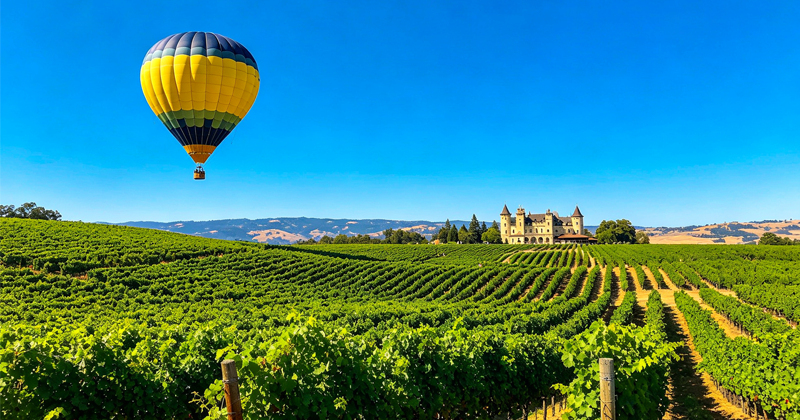
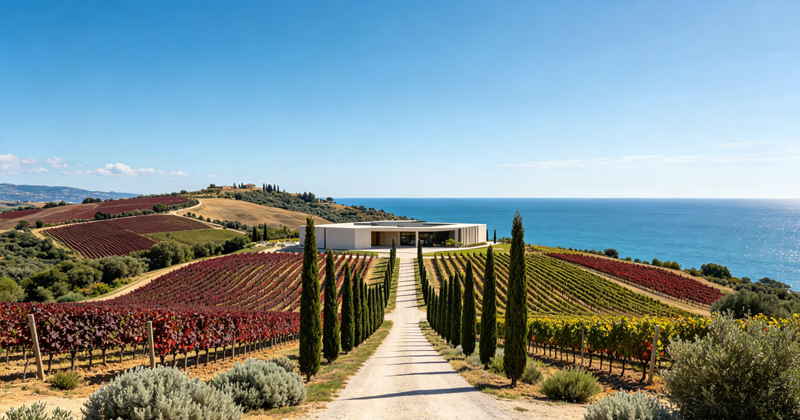
Numbers like that grab headlines, but they miss the point. What makes Napa worth understanding is not the auction prices—it’s the combination of geology, climate, and human ambition that makes the valley capable of producing wines that justify the conversation. A 30-mile strip of land hemmed in by two mountain ranges, bisected by Highway 29 and the Silverado Trail, contains 16 nested AVAs, roughly 500 wineries, and a range of microclimates and soil types that turn Cabernet Sauvignon into a dozen different languages.
This guide walks through every layer: the dirt, the history, the appellations, the grapes, the producers, and the practical stuff—how to read a Napa label, what you’re actually paying for at each price point, and how to build a Napa collection without getting your wallet taken apart.
2. Terroir: Geology, Climate & the AVA System
2.1 The Geology: A Collision of Two Eras
Napa’s soil map looks like someone threw a geology textbook into a blender. The valley floor, the benchlands, and the surrounding mountains each tell a different story—and you can taste the difference.
The valley sits between two mountain ranges that formed from entirely different geological events. The Mayacamas Mountains to the west rose from volcanic activity and tectonic uplift; their soils skew volcanic—red, iron-rich, well-drained, and low in nutrients. The Vaca Mountains to the east are older, dominated by marine sedimentary rock laid down when the area was underwater and later thrust upward. These soils tend toward sandstone, shale, and greywacke—heavier, more water-retentive, and chemically distinct from the Mayacamas’ volcanics.
Between them lies the valley floor, a broad alluvial fan of gravel, sand, silt, and clay washed down from both ranges over millions of years. The Napa River runs south through this basin, emptying into San Pablo Bay. The river has deposited layer upon layer of sediment, creating deep, fertile soils that produce wines of a particular character: lush, accessible, and generous—what people often mean when they say “Napa fruit.”
The benchlands—the gently sloping apron between the valley floor and the steeper mountain slopes—are the sweet spot. Alluvial fans that haven’t fully flattened, they drain fast enough to stress the vines but hold enough nutrients to sustain them. Rutherford, Oakville, and parts of St. Helena sit on these benchlands. Some of Napa’s most balanced wines come from precisely these transitional soils.
The mountain AVAs—Howell Mountain, Atlas Peak, Mount Veeder, Spring Mountain, Diamond Mountain—sit at elevations from 1,400 to 2,600 feet. Soils here are thin, rocky, and unforgiving. Vines struggle. Yields are minuscule. Berries are smaller, skins thicker, tannins fiercer. These are not wines that charm you on release. They demand time, often a decade or more, before they decide to be approachable. When they do, the concentration and structure can be astonishing.
2.2 Climate: The Fog Machine
Napa’s climate is Mediterranean—warm, dry summers; mild, wet winters—but “Mediterranean” doesn’t capture the micro-drama that plays out every summer day.
The engine is San Pablo Bay, the northern lobe of San Francisco Bay. Cold Pacific water and warmer inland air create a vacuum effect that pulls marine fog into the valley each night. By late morning, it burns off. This diurnal swing creates a temperature spread that can exceed 40°F in a single day—vines that basked in 95°F afternoon sun shiver through 50°F fog at dawn.
Why does this matter? Because Cabernet Sauvignon, Napa’s dominant grape, needs heat to ripen fully—but it also needs cool nights to preserve acidity and develop aromatic complexity. Too much heat, and you get jammy, flabby wines with alcohol levels pushing 16%. Too little, and the tannins stay green and herbal. The fog acts as a daily reset button, and the valley’s narrow geography amplifies its effect.
But not every corner of Napa gets the same fog. Carneros, at the southern end, sits practically in the bay—it’s the coolest AVA, wind-scoured and fog-banked, which is why it grows Pinot Noir and Chardonnay instead of Cabernet. Calistoga, 30 miles north, is shielded by the narrowing valley walls and the Palisades; fog rarely reaches it, and summer temperatures regularly hit 100°F. The middle of the valley—Oakville, Rutherford, St. Helena—gets the Goldilocks treatment: enough morning fog to cool things down, enough afternoon sun to get fully ripe.
Elevation inverts the fog dynamic. Mountain AVAs like Howell Mountain and Atlas Peak sit above the fog line. Their nights are warmer than the valley floor—counterintuitively. The fog blankets the valley below while mountain vineyards stay clear. This reduces the diurnal swing, producing wines with different acid-tannin structures than valley-floor Cabernet.
Rainfall is seasonal and concentrated. Napa gets about 25–35 inches annually, almost entirely between November and March. Summers are bone-dry. Most vineyards are irrigated—a major departure from European norms—though many top producers increasingly practice dry farming or deficit irrigation to push roots deeper and control vigor.
2.3 The AVA System: America’s Answer to Terroir
If Burgundy has climats and Bordeaux has classified growths, the United States has AVAs—American Viticultural Areas. The AVA system is a geography-first framework administered by the TTB (Alcohol and Tobacco Tax and Trade Bureau). Unlike Burgundy’s climats, which are woven into a deeply hierarchical quality pyramid, AVAs are descriptive, not prescriptive. An AVA tells you where the grapes grew, not how good the wine is supposed to be.
This matters. Buying Napa by AVA alone is a gamble. A Stags Leap District Cabernet can be transcendent or forgettable. The AVA sets the stage; the producer writes the script.
The Napa Valley AVA was established in 1981—California’s first. Today, 16 sub-AVAs are nested within it:
| AVA | Elevation | Key Grapes | Signature Character |
|---|---|---|---|
| Calistoga | 300–1,200 ft | Cabernet Sauvignon, Zinfandel, Petite Sirah | Warmest AVA; bold, ripe, high-octane reds with chewy tannins |
| Howell Mountain | 1,400–2,600 ft | Cabernet Sauvignon | Above fog line; dense, structured, fiercely tannic young; ages 15–25 years |
| Diamond Mountain District | 400–2,200 ft | Cabernet Sauvignon, Cab Franc | Volcanic soils; iron-rich, savory, firm; cedar and tobacco notes |
| Spring Mountain District | 600–2,600 ft | Cabernet Sauvignon, Merlot | Forested, cool; restrained, perfumed, with herbal undertones |
| St. Helena | 200–600 ft | Cabernet Sauvignon, Syrah | Warm valley floor; ripe, powerful, black-fruited, muscular |
| Rutherford | 200–500 ft | Cabernet Sauvignon | The famous “Rutherford dust”—earthy, cocoa-powder tannins, benchmark Napa Cab |
| Oakville | 100–500 ft | Cabernet Sauvignon | Napa’s sweet spot; power + finesse, blackcurrant, cedar, extraordinary balance |
| Yountville | 50–200 ft | Cabernet Sauvignon, Merlot | Slightly cooler; rounder, suppler, earlier-drinking reds |
| Stags Leap District | 50–400 ft | Cabernet Sauvignon | Distinctive; violet, blue fruit, silky tannins, elegance over power |
| Atlas Peak | 1,400–2,600 ft | Cabernet Sauvignon | High elevation; bright acidity, red fruit, structured and age-worthy |
| Mount Veeder | 600–2,600 ft | Cabernet Sauvignon, Merlot, Chardonnay | Coolest mountain AVA; savory, structured, mineral, with bay leaf and earth |
| Oak Knoll District | 50–800 ft | Cabernet Sauvignon, Merlot, Chardonnay | Transitional climate; versatile, balanced, more restrained than up-valley |
| Coombsville | 100–1,200 ft | Cabernet Sauvignon, Merlot | Cool, fog-influenced; elegant, red-fruited Cab, fresh acidity |
| Chiles Valley | 600–1,200 ft | Cabernet Sauvignon, Zinfandel | Inland, warmer; ripe, generous reds |
| Wild Horse Valley | 400–1,500 ft | Pinot Noir, Chardonnay | High, windy, extreme; tiny production, barely on the map |
| Los Carneros | 15–400 ft | Pinot Noir, Chardonnay | Shares with Sonoma; coolest AVA, wind-blown, Burgundian-variety territory |
3. The Grapes of Napa Valley
3.1 Cabernet Sauvignon: The Reigning King
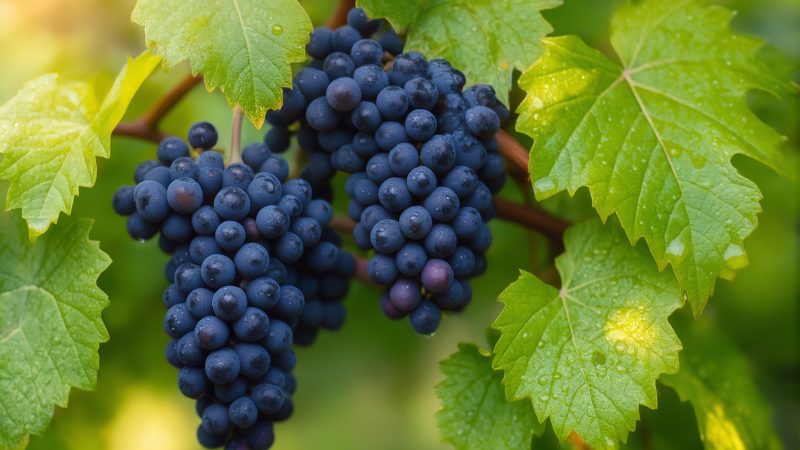
Cabernet Sauvignon occupies roughly 40% of Napa’s total vineyard acreage and an even larger share of the region’s identity. When people say “Napa,” they mean Cabernet. The valley’s climate, soils, and winemaking culture have converged around this grape to a degree unmatched anywhere else in the New World.
Why does Cabernet work so well here? Three reasons. First, Napa’s heat summation is in the sweet spot where Cabernet ripens fully and consistently—something Bordeaux can’t guarantee every vintage. Second, the region’s diverse soil types allow Cabernet to express radically different personalities depending on where it’s planted: the dusty, cocoa-laced structure of Rutherford versus the violet-and-blue-fruit elegance of Stags Leap District versus the brooding mountain power of Howell Mountain. Third, and not secondary, the market demands it. Napa Cabernet sells, so it gets planted.
What to expect by style (not by AVA—by archetype):
- Valley Floor Cabernet: Generous, open-knit, black-fruited, approachable young. Think ripe cassis, mocha, sweet tobacco. The “Napa fruit bomb” reputation comes from here, but the best examples—from Oakville and Rutherford benchland sites—have real structure underneath the generosity.
- Benchland Cabernet: The balance point. Enough alluvial depth for richness, enough gravel drainage for tension. Rutherford’s “dust” character and Oakville’s seamless power-with-finesse live here. These wines drink well at 5–8 years but can go 20+.
- Mountain Cabernet: Intense, concentrated, tannic, uncompromising. Darker fruit profile—blackberry, blackcurrant liqueur, graphite, crushed rock. High elevation means more UV exposure, thicker skins, more phenolic compounds. These are not charm-first wines. At 10–15 years, they transform into something profound. Before that, decant aggressively.
- Cool-Climate Cabernet: From Coombsville, Oak Knoll, and Mount Veeder. Redder fruit—red cherry, raspberry, currant. Higher acidity, more herbaceous nuance, more Old World architecture. These are wines for people who find typical Napa Cab too heavy.
3.2 Chardonnay
Napa Chardonnay has been through a stylistic identity crisis and come out the other side more interesting for it. In the 1990s and 2000s, the dominant mode was buttered-popcorn-with-oak-staves—high alcohol, full malolactic fermentation, new French oak galore. That style still exists and still has fans, but the pendulum has swung.
Today’s best Napa Chardonnays, particularly from the cooler southern AVAs (Carneros, Oak Knoll, Coombsville) and higher-elevation sites, lean closer to a Burgundian ideal: more tension, less overt oak, brighter acidity, more mineral expression. That said, comparing California Chardonnay to Burgundy is a category error. California sun means riper fruit, higher alcohol, and a richer mid-palate. The best producers don’t fight this—they harness it, using restrained oak, partial malolactic, and earlier picking to preserve freshness without pretending they’re in Meursault.
Key Chardonnay sites: Carneros (leaner, citrus-driven), Oak Knoll (balanced, white flower, stone fruit), Mount Veeder (mineral, structured, age-worthy), and scattered plantings in Oakville and Rutherford (richer, tropical-fruited).
Standout producers: Kongsgaard, Peter Michael (technically Knights Valley but Napa-adjacent stylistically), Kistler, Aubert, Ramey, Stony Hill (the pioneer of restrained Napa Chardonnay, founded 1952), and Chateau Montelena.
3.3 Merlot
Merlot got body-slammed by Sideways in 2004—Miles’s “I am not drinking any fucking Merlot” did actual, measurable damage to Merlot sales across the United States. Napa Merlot plantings dropped.
The irony: Napa produces some of the world’s best Merlot. The valley’s warm days and cool nights give Merlot the conditions it had in Pomerol—but with California generosity on top. Napa Merlot spans a wide range: from plush, plum-and-chocolate crowd-pleasers (Duckhorn being the reference point) to structured, age-worthy, Cabernet-rivaling wines from mountain sites.
Standout producers: Duckhorn (the Merlot specialist), Pahlmeyer, Pride Mountain, Shafer, and the now-legendary Merlot-based wines from Dalla Valle’s Maya blend.
3.4 Sauvignon Blanc
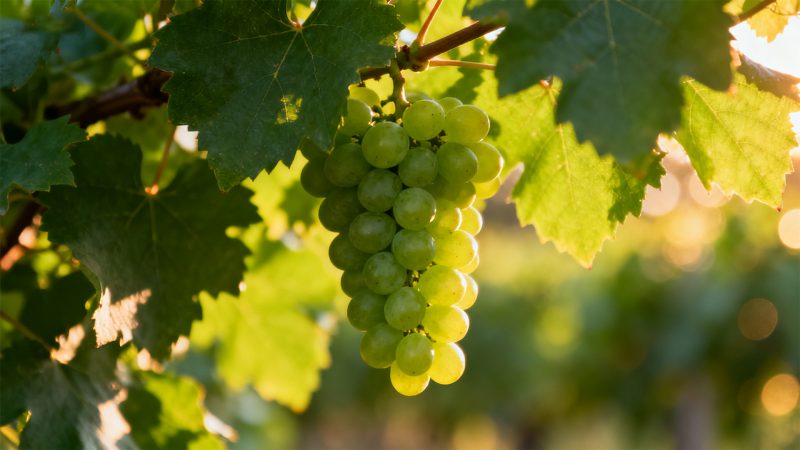
Napa Sauvignon Blanc often gets overlooked, which is a mistake. Robert Mondavi’s “Fumé Blanc”—a term he coined in 1968 to give Sauvignon Blanc marketing gravitas—remains one of the valley’s best values. Napa Sauvignon Blanc tends to be richer and more textural than its Loire Valley or New Zealand counterparts, with notes of stone fruit, melon, and citrus rather than the aggressive grass-and-cat-pee of Marlborough. Some producers age a portion in neutral oak to build texture; others keep it purely stainless steel.
3.5 Other Grapes Worth Knowing
- Zinfandel: California’s heritage grape. Historically significant, though Napa acreage has shrunk as Cabernet prices rose. Still, old-vine Zinfandel from Calistoga and St. Helena can be extraordinary—brambly, peppery, heady.
- Cabernet Franc: Increasingly bottled as a varietal, not just a blending component. Spring Mountain and Mount Veeder produce particularly distinctive versions—floral, herbal, structured.
- Petite Sirah: A Napa tradition. Inky, tannic, almost black in the glass. Not for the faint-hearted. Stags’ Leap Winery (not to be confused with Stag’s Leap Wine Cellars) makes a benchmark version.
- Pinot Noir: Grown almost exclusively in Carneros, where the cool, wind-hammered climate approximates something Burgundy-adjacent. Napa Pinot is a niche product—most serious California Pinot comes from Sonoma, the Russian River Valley, and the Central Coast—but Carneros versions can be compelling in a richer, New World register.
4. The Napa Wine Styles, AVA by AVA
4.1 The Valley Floor: Rutherford & Oakville
If you want to understand “classic Napa Cabernet,” start here. These two AVAs sit side by side in the valley’s midsection, occupying the prime benchland on either side of Highway 29, and they house more iconic producers than any other part of Napa.
Rutherford is about texture. The famous “Rutherford dust”—a term winemaker André Tchelistcheff coined—isn’t literally dust, but the sensation of fine-grained, cocoa-powder-like tannins that coat the mouth. Rutherford Cabernet tends toward darker fruit (blackberry, cassis), earth, cedar, and that unmistakable dusty-gravelly finish. The AVAs eastern edge climbs into the Vaca foothills and produces more structured wines; the western benchland, closer to the Mayacamas, produces rounder ones.
Key vineyards: To Kalon (arguably Napa’s greatest single vineyard, supplying fruit to Mondavi Reserve, Schrader, and To Kalon Vineyard Company), Georges III, Beckstoffer Missouri Hopper, BV No. 1 & No. 2.
Oakville sits just south, and if Rutherford is the brawn, Oakville is the brawn with brains. Oakville Cabernet has the fruit density and tannic structure of Rutherford but adds a floral lift—violets, graphite, espresso—and a seamlessness that its northern neighbor sometimes lacks. The sweet spot of the sweet spot.
Key vineyards: To Kalon (the southern portion falls in Oakville), Martha’s Vineyard (Heitz’s legendary single-vineyard bottling), Beckstoffer Missouri Hopper, Backus (Joseph Phelps’s Insignia source).
Standout producers: Screaming Eagle, Harlan Estate, Opus One, Far Niente, Groth, PlumpJack, Rudd, Nickel & Nickel.
4.2 The Mountain AVAs: Structure Above All
Napa’s mountain wines are an acquired taste, and that’s exactly the point. They’re not built for the restaurant-by-the-glass list. They’re built for the cellar.
Howell Mountain, the easternmost mountain AVA above St. Helena, sits squarely above the fog line at 1,400–2,600 feet. Sun exposure is relentless; soils are thin volcanic ash and red clay over fractured rock. These are the most tannic wines in Napa—not harshly so, but massively built. Dark fruit, volcanic minerality, sage, and a savory, almost meaty undertone. Dunn Vineyards, the reference point, makes Howell Mountain Cabernet that routinely needs 15 years to hit its stride and can go 30. Others: CADE, O’Shaughnessy, Outpost.
Mount Veeder, on the western edge abutting Sonoma, is the coolest mountain AVA. The Pacific influence sneaks through gaps in the Mayacamas, and Veeder’s slopes face every direction except flat. The wines are paradoxically lower in alcohol than other mountain AVAs—often 13.5–14%—with bright acidity, herbs (bay leaf, mint, eucalyptus), and a savory, mineral backbone. These are stern wines. They challenge you. Mayacamas, the AVA’s historic anchor (founded 1889, revived in the 1960s), still makes some of California’s most uncompromising Cabernet and Chardonnay.
Spring Mountain, dense with redwood and Douglas fir, produces wines with an aromatic profile distinct from the rest of Napa: floral, herbal, almost Alpine. Cabernet Franc does exceptionally well here. Pride Mountain and Paloma are benchmarks.
Diamond Mountain, volcanic to its core, makes structured, iron-laced Cabernet that can be punishingly tight in youth. Diamond Creek’s three single-vineyard bottlings (Volcanic Hill, Red Rock Terrace, Gravelly Meadow) have been proving the AVA’s potential since 1972.
Atlas Peak, on the Vaca side south of Howell Mountain, is cooler and higher than most people realize. Bright acidity, red fruits, and a freshness that cuts against Napa stereotypes. Stagecoach Vineyard is the AVA’s most famous fruit source.
4.3 Stags Leap District: The Exception
Stags Leap District is a valley-floor AVA that drinks like it’s from somewhere else entirely. The key is the Palisades—a sheer wall of volcanic rock on the AVA’s eastern edge that reflects afternoon heat back onto the vineyards, accelerating ripening, then releases stored warmth after sunset. Combined with cooling breezes funneled from San Pablo Bay, you get wines of paradoxical character: ripe but not heavy, powerful but not dense, with a signature of blue and red fruit, violets, and the softest tannins in Napa.
This was the AVA whose wine won the Judgment of Paris red flight. It hasn’t stopped being distinctive since.
Standout producers: Stag’s Leap Wine Cellars (Cask 23, S.L.V., FAY), Shafer (Hillside Select), Clos Du Val, Pine Ridge, Chimney Rock.
4.4 The Cooler AVAs: Carneros, Coombsville, Oak Knoll
These three AVAs at the valley’s southern end are Napa’s answer to the question “Does this region make anything besides big red wine?”
Carneros is Pinot Noir and Chardonnay territory—the coolest, windiest part of the valley. Fog, persistent marine breezes, and shallow clay soils make it inhospitable to late-ripening Cabernet and perfect for Burgundy varieties. Carneros Chardonnay tends toward citrus, green apple, and mineral rather than tropical fruit and butter. The Pinot Noir is earthy, cola-toned, and more extracted than its Burgundian cousins but far leaner than Central Coast versions. Carneros straddles the Napa-Sonoma line; some of the best producers (Hyde de Villaine, Donum) have holdings in both counties.
Coombsville, designated an AVA in 2011, is Napa’s newest star. Cooler than Oak Knoll, protected by the Vaca foothills from the worst afternoon heat, Coombsville Cabernet is red-fruited, fresh, and elegant—often compared to a cross between Stags Leap District and Bordeaux. It’s also one of the few places in Napa where you can still find some value.
Oak Knoll District is the transition zone—warm enough for Cabernet, cool enough for Chardonnay and Merlot. It produces a jack-of-all-trades lineup of restrained, balanced wines that don’t shout but often deliver exceptional quality for the price.
5. How Napa Classifies (and Doesn’t Classify) Itself
5.1 The AVA System: Geography, Not Quality
Let’s be blunt: the AVA system is not a classification system. It’s a geographical registry. The TTB doesn’t rank vineyards, doesn’t designate “first growth” status, and doesn’t care whether your Rutherford Cabernet is world-class or undrinkable—as long as 85% of the grapes came from Rutherford.
This creates a buyer-beware dynamic that Burgundy’s climats and Bordeaux’s classified growths don’t. In Burgundy, a Grand Cru vineyard is the top of the pyramid by definition—the classification does some of the filtering for you. In Napa, the AVA alone tells you almost nothing about quality. Rutherford Cabernet ranges from $25 grocery-store bottles to $1,000+ cult wines.
The corollary: the producer is everything. More so in Napa than in almost any other wine region. A Stags Leap District Cabernet from Shafer is not the same wine as a Stags Leap District Cabernet from a mass-production brand, despite sharing the same AVA on the label. The AVA is the address. The producer is the architect.
5.2 The De Facto Hierarchy
The market has built its own classification, whether or not the TTB has:
Cult Wines | $500–$5,000+
Screaming Eagle, Harlan Estate, Bryant Family, Colgin, Dalla Valle (Maya), Abreu, Scarecrow, Schrader, Hundred Acre, Sloan, Realm (some cuvées).
Production measured in hundreds of cases. Allocation-only. Waitlists measured in years. These wines define the ceiling of Napa’s ambition—and its price structure.
Heritage Icons | $150–$500
Opus One, Dominus, Joseph Phelps (Insignia), Shafer (Hillside Select), Stag’s Leap Wine Cellars (Cask 23), Heitz (Martha’s Vineyard), Ridge (Monte Bello—mainly Santa Cruz Mountains but Napa-adjacent in reputation), Dunn (Howell Mountain), Chateau Montelena, Diamond Creek, Mayacamas.
These are the wines that built Napa’s reputation. They’re expensive but generally available (with some exceptions—Hillside Select, Martha’s Vineyard, and Monte Bello can be hard to source in good vintages).
Premium Producers | $50–$150
Duckhorn, Cakebread, Silver Oak, Far Niente, Stag’s Leap Wine Cellars (S.L.V., FAY), Groth, PlumpJack, Rudd, Nickel & Nickel, Pahlmeyer, Pride Mountain, Spottswoode, Stony Hill, Frank Family, Grgich Hills, Frog’s Leap, Corison, Clos Du Val, Pine Ridge, Chimney Rock, CADE, O’Shaughnessy.
This is the sweet spot for serious Napa drinking. Wines from this tier regularly score 90–95 points and offer authentic expression of place without requiring a second mortgage.
Value Napa | $25–$50
Napa “value” is a relative concept—you won’t find $12 Napa Cabernet that’s worth drinking. But at $30–$50, some producers overdeliver consistently: Buehler, Honig, Heitz (Napa Valley bottling, distinct from their single-vineyard wines), St. Supéry, Chateau Montelena (Napa Valley Cabernet), Robert Mondavi (Napa Valley), Louis M. Martini (Napa Valley), Decoy (Duckhorn’s second label), and the Napa Valley bottlings from larger producers.
5.3 Why the Producer Matters More Here
A thought experiment: you have $100 to spend on a Burgundy and $100 to spend on a Napa Cabernet. In Burgundy, that budget probably buys a village-level wine from a strong commune, maybe a Premier Cru from a lesser-known one—the classification gives you a floor. In Napa, $100 can get you a carefully made, single-vineyard Cabernet from a dedicated producer, or a mass-produced Napa Valley blend made from purchased grapes and engineered for shelf appeal. Both will say “Napa Valley” on the label.
This is not a flaw in the AVA system—it’s just a different set of rules. The trap is applying Burgundy thinking (“buy the vineyard”) to Napa, or applying Napa thinking (“buy the producer”) to Burgundy. You need both in both places, but the priority flips.
6. How to Buy Napa Wine: A Practical Guide
6.1 Decoding a Napa Label
Napa labels range from minimalist to maximalist, but the hierarchy of useful information is consistent:
- Producer name. Start here. Every time. A producer with a track record of thoughtful farming and restrained winemaking will make better wine from average grapes than a commercial brand will make from great grapes.
- AVA designation. “Napa Valley” broadly. An AVA within Napa Valley—“Rutherford,” “Stags Leap District,” “Howell Mountain”—more specifically. A single-vineyard designation within an AVA—“To Kalon Vineyard,” “Martha’s Vineyard,” “Backus Vineyard”—most specifically. Specificity doesn’t guarantee quality, but it tells you the producer made a choice about which fruit to bottle separately, which usually signals intention.
- Vintage year. Napa vintages are more consistent than Bordeaux or Burgundy—you rarely get disastrous years—but they do vary in style. 2013, 2016, 2018, and 2021 are broadly considered outstanding (structured, age-worthy). 2011 and 2017 were cooler and leaner; wines from strong producers are excellent but stylistically different. 2020 was complicated by wildfire smoke.
- Alcohol level. A quick tell. 14.5%+ suggests richness and power; 13.5% or below suggests restraint and possibly an earlier-picked, more acid-driven style. Neither is inherently better, but the number aligns expectations.
- “Estate Grown” or “Estate Bottled.” Meaning the winery grew the grapes on land it owns and made the wine on-site. This doesn’t guarantee quality—some estate wines are mediocre, and some purchased-fruit wines are spectacular (Napa’s custom-crush and fruit-sourcing market is highly developed)—but it’s a signal of investment in a specific piece of land.
6.2 Price Tiers: What You’re Actually Getting
| Price | What You’re Buying | Realistic Expectation |
|---|---|---|
| $25–$40 | Entry-level Napa Cabernet or Sauvignon Blanc from volume producers. Decent, clean, fruity, safe. | A Tuesday wine that says “Napa” on it. Honig, Buehler, Decoy, Robert Mondavi Napa Valley. |
| $40–$80 | The value sweet spot. Well-made Napa Cabernet, Merlot, or Chardonnay from quality-focused producers. Often Napa Valley or sub-AVA designated. | A wine you’ll remember. Frog’s Leap, St. Supéry, Frank Family, Grgich Hills, Chateau Montelena Napa Valley. |
| $80–$150 | Premium single-vineyard or sub-AVA wines. Serious farming, thoughtful winemaking, authentic expression. | The real Napa. Duckhorn Three Palms, Stag’s Leap Wine Cellars S.L.V., Mount Veeder Cabernets, top-tier Chardonnays. |
| $150–$300 | Flagship wines from heritage producers; the starting tier for serious age-worthy Napa. | Cellar-worthy, distinctive, region-defining. Phelps Insignia, Shafer One Point Five, Opus One (entry), Dunn Howell Mountain. |
| $300–$800 | Icons and aspirants. Top single-vineyard wines; second wines of cult estates. | Collectible. Dominus, Shafer Hillside Select, Opus One, Bond, Realm (prestige cuvées). |
| $800–$5,000+ | Cult wines. Scarcity as much as quality. Allocation-only. | The ceiling. Screaming Eagle, Harlan, Colgin, Bryant, Scarecrow, Hundred Acre. Whether the quality difference from $300 is worth the price gap is a personal question, not an objective one. |
6.3 Practical Buying Strategies
Buy the flagship, not the reserve. Most Napa producers make a range of wines; the “Napa Valley” bottling at $60–80 often delivers 80% of the single-vineyard experience at half the cost. Joseph Phelps Napa Valley Cabernet is excellent; Insignia is legendary. Mondavi Napa Valley is solid; Mondavi Reserve To Kalon is transcendent. Know which tier you’re buying into.
Look to Coombsville and Oak Knoll for value. These AVAs don’t have the name recognition of Oakville or Rutherford, but they’re producing Cabernet of comparable quality at a meaningful discount.
Don’t sleep on Sauvignon Blanc and Merlot. Napa’s “other” wines are often strikingly good and materially cheaper than the equivalent-quality Cabernet from the same producer.
Vintage matters, but not the way it does in France. In Bordeaux, buying a weak vintage from a great château can be a gamble. In Napa, buying a “lesser” vintage from a strong producer usually means a slightly leaner, more Old World-styled wine—not a bad one. The consistency floor is higher.
If you’re building a cellar, back up the truck for 2013, 2016, 2018, 2019, and 2021. These are the vintages that will reward patience, and they’re trading at a discount to Bordeaux First Growths of comparable quality.
7. Frequently Asked Questions
What makes Napa Valley different from Sonoma?
Scale, concentration, and grape focus. Napa is narrower, warmer, and overwhelmingly dominated by Cabernet Sauvignon. Sonoma is larger, more climatically diverse, and grows a wider range of grapes (Pinot Noir, Chardonnay, Zinfandel, Syrah) in distinct sub-regions. Napa’s culture skews toward luxury and destination tourism; Sonoma’s is more agricultural and laid-back. Napa has the better Cabernet. Sonoma has the better Pinot Noir. Both produce world-class Chardonnay, just in different styles.
Why is Napa Cabernet so expensive?
Land costs first. Napa vineyard land averages $300,000–$500,000 per acre, with prime sites in Oakville and Rutherford exceeding $1 million per acre. Production costs second—labor, water, and the use of new French oak barrels ($1,200+ each) push breakeven costs far above most wine regions. Demand third—Napa Cabernet has global brand recognition that allows producers to charge premium prices. And at the very top, scarcity fourth: cult wines produce so few cases that the price is set by what collectors will pay, not what the wine costs to make.
What is the best year for Napa Cabernet?
The consensus modern vintages: 2013 (structured, dense, built for the long haul), 2016 (balanced, classic, beautifully proportioned), 2018 (generous but fresh, a crowd-pleaser with substance), 2019 (rich, ripe, immediately appealing), and 2021 (early reports suggest exceptional, with freshness and concentration in equal measure). For mature drinking now: 2007, 2012, and 2014 are entering their prime windows. For value: 2011 and 2017, cooler years that smart producers navigated well, are drinking beautifully and cost less.
How many wineries are in Napa Valley?
Roughly 500 physical wineries and more than 1,000 wine brands operate within the Napa Valley AVA. About 95% are family-owned. Only a fraction—perhaps 100–150—are open to the public for tastings without an appointment, and most of the top producers require reservations.
Do I need reservations for Napa wine tastings?
Yes—and this has been the case since well before the pandemic. Most Napa wineries, especially quality-focused ones, require advance reservations. Walk-in tasting rooms exist (V. Sattui, Beringer, Charles Krug) but are the exception. Book at least a week ahead for weekends; for cult producers, months ahead. Tasting fees typically range from $40 to $150 per person, with premium experiences reaching $200–$500.
What’s the difference between Napa Valley and Napa County?
Napa County is the political jurisdiction. Napa Valley is the geographical feature and the AVA—the vineyard-growing corridor within the county. Not all land in Napa County is in Napa Valley. The city of Napa sits at the valley’s southern end, within Napa County and within the Napa Valley AVA, but large parts of the county (the mountains, the northern reaches beyond Calistoga) lie outside the AVA.
What are Napa’s “cult wines”?
A small group of extremely limited-production, critic-adored, allocation-only Cabernet Sauvignons that emerged in the 1990s. Screaming Eagle is the archetype—first produced in 1992, first 100-point score from Robert Parker in 1997, and ever since, the poster child for Napa scarcity pricing. Other cult wines include Harlan Estate, Bryant Family, Colgin, Dalla Valle Maya, Abreu, Scarecrow, Schrader, Hundred Acre, and Sloan. Most have mailing lists that are closed to new members. Some have waitlists exceeding five years. The wines are generally exceptional. Whether they justify their prices is a conversation wine people have been having for 30 years without reaching a conclusion.
Is Napa Cabernet better than Bordeaux?
Wrong question, but since people ask: Napa Cabernet and Bordeaux are different wines built for different moments. Napa is riper, richer, more fruit-driven, higher in alcohol, and generally more accessible young. Bordeaux is more structured, more savory, lower in alcohol, and demands more patience. Napa rewards hedonism. Bordeaux rewards contemplation. A great Napa Cabernet with a ribeye is one of wine’s great pleasures. A great Bordeaux with lamb in a cold room is another. Owning both is more fun than arguing about which is “better.”
How long does Napa Cabernet age?
Varies dramatically by producer and style. General guidelines: Napa Valley appellation blends from larger producers are best within 3–7 years. Premium single-vineyard wines from serious producers peak at 8–15 years. Mountain Cabernets and flagship wines (Insignia, Hillside Select, Dominus) go 12–25 years comfortably. The cult wines and heritage icons (Dunn Howell Mountain, Mayacamas, Diamond Creek, old-vine Martha’s Vineyard) can evolve for 25–40+ years. Universal truth: almost everyone drinks Napa Cabernet too young. If you’re opening a $100+ bottle less than five years from vintage, decant it for two hours and give it a fighting chance to tell you the whole story.
What’s the best way to visit Napa Valley on a budget?
A real answer, not platitudes: visit in winter (January–March), when hotel rates drop sharply and tasting rooms are less crowded. Stay in the town of Napa rather than Yountville or St. Helena—rooms are 40–60% cheaper. Book tastings at smaller, family-owned wineries (tasting fees of $30–60 versus $100–150 at the marquee names). Eat at Oxbow Public Market and the food-truck scene rather than sit-down tasting-menu restaurants. Limit yourself to two wineries per day; a rushed four-winery marathon is more expensive and less enjoyable than two thoughtful visits. And seriously consider Carneros and Coombsville wineries, where the quality-to-cost ratio is better than the valley floor.
Last updated: June 2026. Vintage recommendations reflect market conditions and critic consensus as of this date.

No comments yet