Name & International Aliases
Sangiovese is the official global name of Italy’s flagship red grape, known as 桑娇维塞 in the Chinese wine market. It carries a wide range of traditional regional aliases across central Italy, including Sangiovese Grosso, Sangiovese Piccolo, Prugnolo Gentile, and Brunello. These subnames correspond to local clones and micro-terroir variations rather than distinct grape species, explaining its broad stylistic diversity across Tuscany and beyond.
1. Vineyard Story & Terroir Character
Walk through any sunbaked hillside in Tuscany, and you will find Sangiovese dominating the landscape — a rugged, resilient grape deeply woven into Italian rural culture. For centuries, this thin-skinned variety has defined Tuscan identity, producing wines that age gracefully and reflect stone, sun, and soil more vividly than any other Italian red. Unlike bold, fruit-forward international varieties, Sangiovese’s charm lies in restraint: bright acidity, sour red fruit, and subtle earthy undertones that evolve beautifully with bottle age. It is not just a grape — it is the backbone of Italy’s most celebrated traditional fine wines.
2. Origin & History
Sangiovese’s origins trace back to ancient Etruscan viticulture in central Italy, with documented cultivation spanning over 2,000 years. Its name derives from the Latin “Sanguis Jovis,” meaning “blood of Jupiter,” referencing its deep ruby hue and historic sacred association in ancient winemaking rituals. Genetic research confirms it is native to the Tuscan-Apennine region, with no ties to foreign varieties.
Through the Renaissance and modern era, Sangiovese became the foundation of Tuscan winemaking, anchoring iconic appellations including Chianti, Brunello di Montalcino, and Vino Nobile di Montepulciano. Long undervalued for producing high-yield, simple table wines, quality-focused reforms in the late 20th century elevated its global reputation. Today, it stands as Italy’s most culturally significant and widely exported fine-wine red grape.
3. Viticulture Characteristics
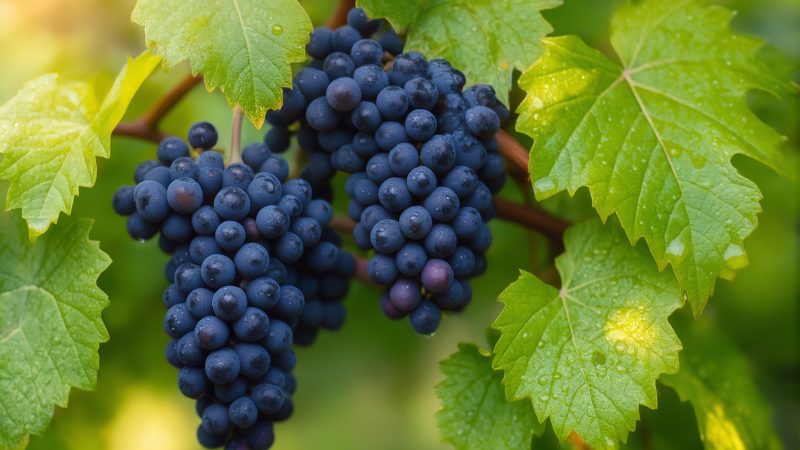
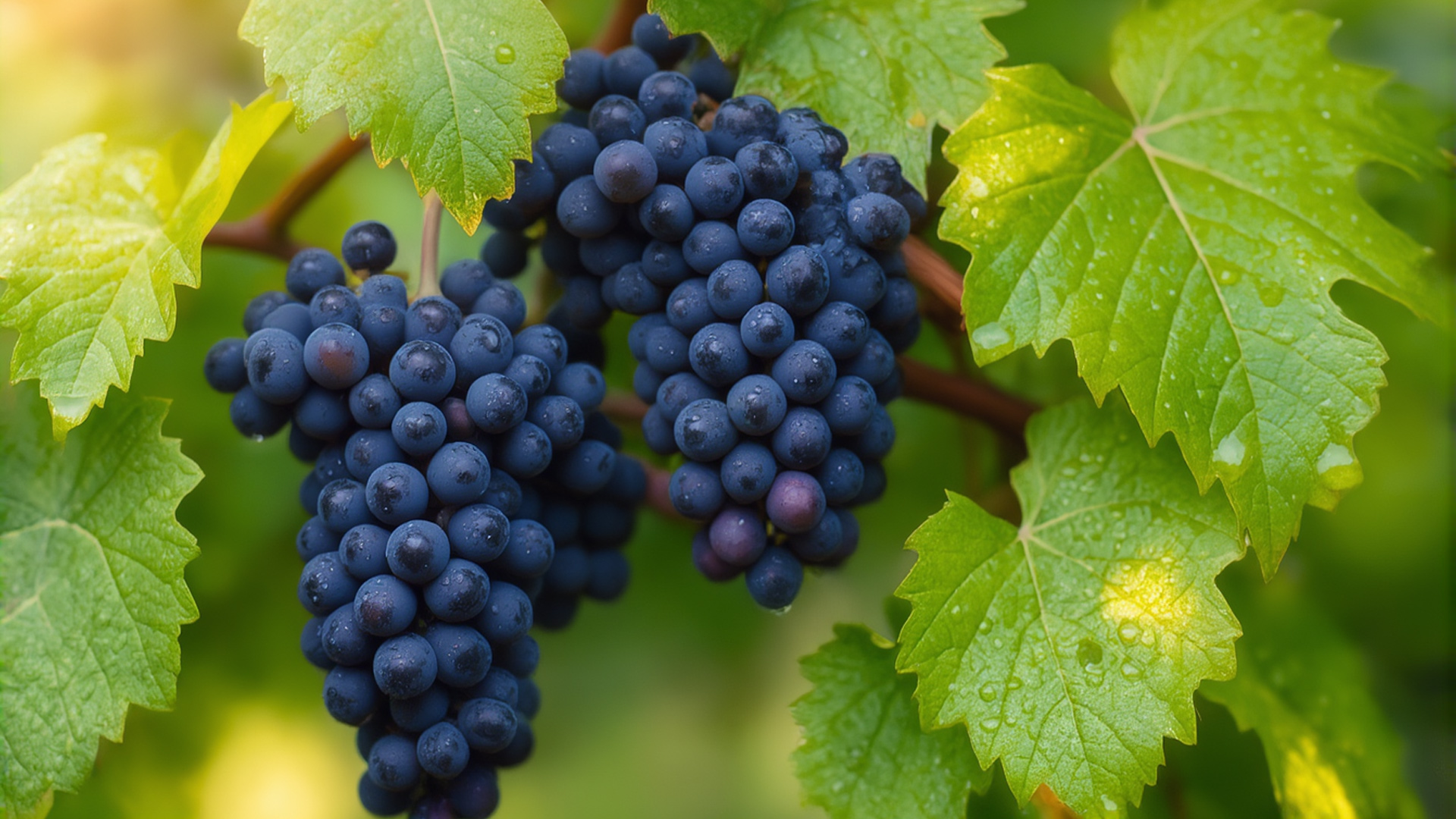
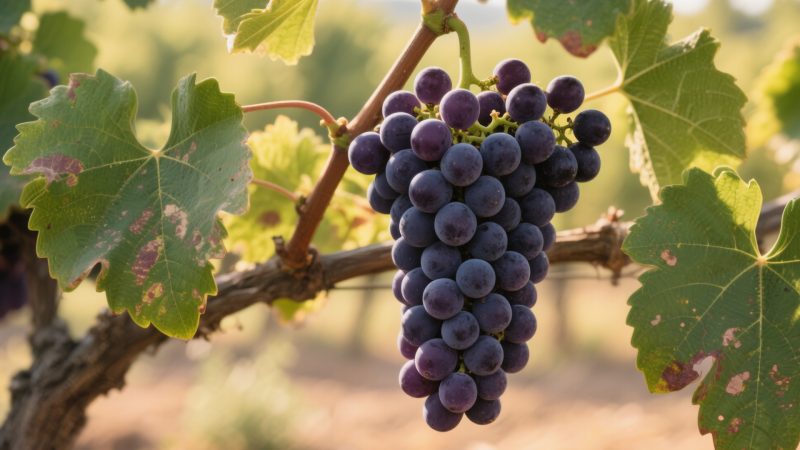
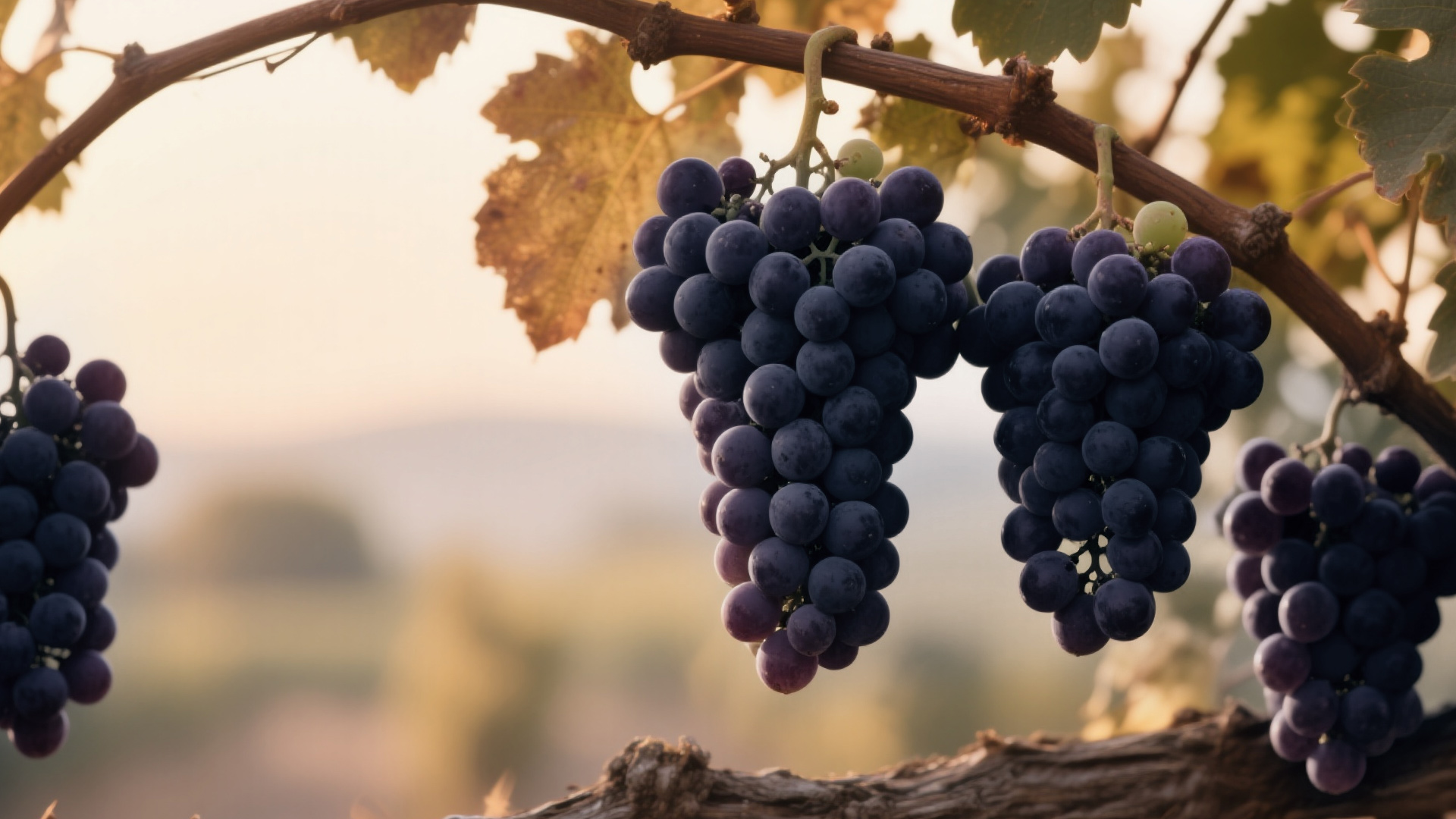
Sangiovese is a late-budding, mid-late ripening red variety with vigorous vine growth and adaptable yields. It produces loose, medium-sized clusters with thin, delicate skins, resulting in moderate tannin levels and translucent ruby color. Professional viticulture benchmarks record optimal harvest parameters at 22–24 °Brix, with bright total acidity of 6.5–7.5 g/L and a pH range of 3.3–3.5 — the technical reason for its signature fresh, structured palate.
This terroir-sensitive grape thrives on well-drained limestone, clay, and galestro schist soils typical of central Italy. It requires significant diurnal temperature shifts to preserve aromatic brightness while fully ripening phenolic compounds. Excessive heat and over-ripening strip its classic floral-herbal complexity, producing flat, jammy wines lacking typicity. Strict yield control and balanced canopy management are essential for premium quality, concentrating red-fruit purity and earthy mineral definition.
4. Flavor & Aroma Profile
From professional tasting experience, Sangiovese delivers one of the most distinctive Old World red-wine profiles, defined by restraint and layered subtlety. Young, well-made examples offer bright sour red cherry, wild strawberry, and fresh red plum on the nose and palate, paired with dried violet, herbal lift, and characteristic dusty earth undertones.
With oak aging and bottle cellaring, primary fruit softens into dried red fruit, leather, tobacco, dried oregano, and truffle-like tertiary notes. Premium Riserva and Brunello expressions develop complex spice and mineral depth while retaining vibrant acidity. The palate is structured but approachable, with fine-grained tannins, lively freshness, and a long savory finish. Unlike bold New World reds, Sangiovese prioritizes balance and drinkability over heavy fruit intensity.
5. Winemaking Style
Entry-level and youthful Sangiovese wines use short maceration and stainless steel or neutral oak aging, preserving bright primary red fruit and floral freshness for early consumption within 2–3 years. These approachable styles emphasize juicy, straightforward drinkability for casual pairing.
Premium DOCG appellations follow strict traditional protocols: extended skin maceration, seasoned large-format oak aging, and mandatory bottle aging before release. Brunello di Montalcino requires a minimum of 5 years total aging, while Vino Nobile and Chianti Riserva enforce rigorous oak and bottle maturation rules. Top single-vineyard Sangiovese can cellar for 10–20 years, evolving sophisticated savory and mineral complexity with age.
6. Top Growing Regions (Comparison Table)
|
Region
|
Style Traits
|
Quality Tier
|
|
Montalcino (Brunello), Tuscany
|
Concentrated dried red fruit, leather, tobacco, firm tannins, high acidity, exceptional aging potential, earthy mineral backbone
|
Ultra-Premium Age-Worthy Benchmark (DOCG)
|
|
Montepulciano, Tuscany
|
Elegant red berry, violet floral notes, refined tannins, balanced earth and spice, structured yet silky palate
|
Premium Fine Wine (DOCG)
|
|
Chianti Zone, Tuscany
|
Bright fresh cherry, herbal freshness, lively acidity, approachable tannins, classic everyday Tuscan character
|
Mid-Premium & Regional Classic
|
|
New World (USA & Australia)
|
Ripe red fruit, softer earth, rounder acidity, juicier profile, less savory complexity
|
Everyday Commercial Style
|
7. Food Pairing (Graded List)
Sangiovese’s vibrant acidity, savory earthiness, and moderate tannins make it exceptionally food-versatile, ideal for classic Italian cuisine. Below are field-tested graded pairings tailored to different styles:
-
Best Classic Matches: Margherita pizza, tomato-based pasta, roasted chicken, prosciutto, fresh basil and herb-forward dishes
-
Premium Aged Style Matches: Braised beef, wild game, mushroom risotto, aged pecorino and parmesan cheeses
-
Light Young Vintage Matches: Charcuterie boards, roasted vegetables, light tomato ragù, simple grilled meats
-
Pairing Avoidance: Heavy sweet sauces, overly spicy chili, fatty fried foods that overwhelm its delicate savory balance
8. Similar Variety Comparison
Sangiovese vs. Pinot Noir: Both are high-acid, elegant reds with red-fruit dominance, but Sangiovese features distinct earthy, dusty, herbal undertones and firmer structured tannins. Pinot Noir offers softer texture, pure red berry sweetness, and floral brightness with minimal savory depth.
Sangiovese vs. Cabernet Sauvignon: Sangiovese prioritizes acidity, red fruit, and earthy subtlety with moderate tannins. Cabernet Sauvignon delivers bold black fruit, powerful tannins, and strong oak and dark chocolate intensity, representing a full-bodied, robust stylistic opposite.
Key Takeaways
-
Sangiovese is Italy’s most iconic red grape, celebrated for bright acidity, fresh red cherry fruit, and signature earthy, savory complexity.
-
Its style varies dramatically by terroir, from approachable Chianti freshness to powerful, age-worthy Brunello depth.
-
Thin skins and vibrant acidity define its drinkable, food-friendly structure, distinguishing it from heavy New World red varieties.
-
Strict Italian appellation rules govern aging and yields, creating reliable quality tiers for every budget.
-
It pairs perfectly with tomato-based Italian dishes, roasted meats, and aged cheeses thanks to its cleansing high acidity.
9. Summary
As the enduring symbol of Tuscan and Italian winemaking, Sangiovese offers unmatched Old World character and versatility. Balancing bright red fruit, herbal earthiness, and vibrant structured acidity, it delivers elegant drinkability in young vintages and extraordinary layered complexity with aging. Rooted in ancient Etruscan terroir and refined by centuries of traditional winemaking, it remains one of the most food-friendly, terroir-expressive, and culturally significant red wine grapes in global viticulture.
Written by Eric Bennett | WSET Level 4 Diploma (DipWSET)
Frequently Asked Questions
Q1: What does Sangiovese taste like?
Sangiovese features bright sour red cherry, wild strawberry, and dried violet aromas, paired with dusty earth, herbal notes, and lively acidity. Aged versions develop leather, tobacco, and truffle-like savory complexity with fine, structured tannins.
Q2: Is Sangiovese dry or sweet?
Nearly all premium and commercial Sangiovese is completely dry. Its bright acidity and savory profile create a crisp, clean finish with no residual sugar, making it highly food-friendly.
Q3: What is the best region for Sangiovese?
Tuscany delivers the world’s finest expressions. Brunello di Montalcino offers the most powerful, age-worthy style, while Chianti produces approachable, classic everyday Sangiovese with vibrant freshness.
Q4: What food pairs best with Sangiovese?
It pairs perfectly with tomato-based pasta, Margherita pizza, roasted chicken, charcuterie, and aged Italian cheeses. Its high acidity cuts through tomato richness and fatty savory dishes effortlessly.




No comments yet