



Key Takeaways
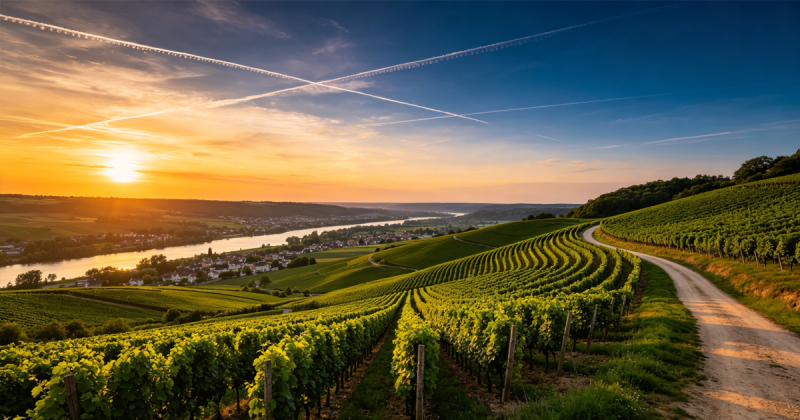
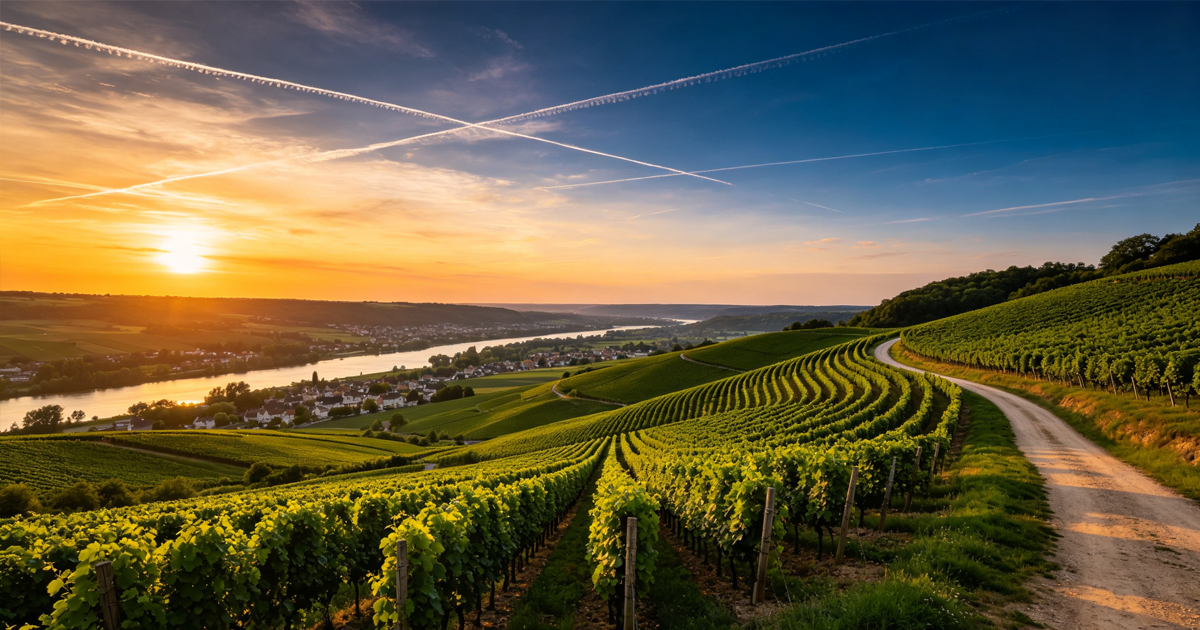
- Champagne is 5 sub-regions, not one. Montagne de Reims = Pinot Noir power. Côte des Blancs = Chardonnay precision. Vallée de la Marne = Meunier charm. Côte des Bar = Pinot Noir generosity. Côte de Sézanne = accessible Chardonnay.
- Producer code is everything. RM (Récoltant-Manipulant) = the grower revolution. NM (Négociant-Manipulant) = the grandes marques. The two-letter code on every label tells you who actually made the wine.
- $35-55 is Champagne’s value sweet spot. Charles Heidsieck Brut Réserve, Pol Roger Brut Réserve, and Pierre Péters Cuvée de Réserve outperform wines at twice the price. Below $35 is supermarket NV; above $90 you enter vintage and prestige territory.
- 2008, 2012, and 2002 are the modern benchmark vintages. Buy them at any price point from any quality producer. 2018 and 2016 are the best value vintages currently on the market.
- Champagne ages longer than almost any still wine. Top prestige cuvées can evolve for 30-50+ years. Universal truth: almost everyone drinks Champagne too young and too cold.
- You don’t need to spend $200 to drink great Champagne. The grower-producer (RM) segment delivers Grand Cru quality at under $70. Explore Selosse, Egly-Ouriet, Pierre Péters, and Ulysse Collin before graduating to Krug and Salon.
1. Introduction: The Dirt Road to Dom Pérignon
In 1805, a 27-year-old widow named Barbe-Nicole Clicquot-Ponsardin did something that respectable French widows weren’t supposed to do. She took over her late husband’s struggling wine business and, in a move of obsessive genius, invented the riddling rack—the pupitre that would transform Champagne from a cloudy, unpredictable curiosity into the crystal-clear luxury product that fuels weddings, yacht christenings, and Formula 1 podium celebrations to this day.
The French call her “la Grande Dame de la Champagne.” She’s buried in Reims, and the house she built now sells a single bottle of its top cuvée for over $200. Not bad for a widow the industry told to stay home.
Dom Pérignon, the Benedictine monk whose name now adorns the world’s most expensive non-vintage Champagne, probably never said “Come quickly, I am tasting the stars.” That line was invented by a 19th-century marketing department. What he did do—and this is well-documented—was spend decades trying to stop the bubbles. The wines of Champagne had been accidentally sparkling for centuries, exploding bottles and terrifying cellar workers. Dom Pérignon’s innovation wasn’t making them fizz; it was mastering the blend, particularly of Pinot Noir.
The history of Champagne is a history of problems solved by obsession. Too cold to ripen red grapes? Turn them into something else. Bottles exploding from refermentation? Invent thicker glass. Cloudy wine? Invent riddling. Phylloxera destroys all the vines? Replant on American rootstock. Two world wars ravage the vineyards? Rebuild, replant, and raise prices.
Today, Champagne produces roughly 300 million bottles annually across 34,000 hectares of vines—a region smaller than Napa Valley but generating more wine revenue than almost any wine region on Earth. The top cuvées trade at Burgundy Grand Cru prices. A single bottle of 2013 Salon Le Mesnil ($1,200+) can outperform the S&P 500 over a decade. The region’s chalk cellars—carved by Romans, expanded by medieval monks, repurposed as hospitals and bomb shelters in two world wars—hold over a billion bottles in aging at any given moment.
But Champagne is also at a crossroads. Climate change is rewriting the ripening calendar. The 2021 vintage—devastated by spring frost, summer mildew, and hail—was the smallest harvest in 40 years. Grower-producers (récoltant-manipulants) are challenging the dominance of the grandes marques. And the Coteaux Champenois still-wine movement is quietly proving that these chalky slopes can produce world-class Pinot Noir and Chardonnay without bubbles.
This guide covers it all: the chalk, the climate, the grapes, the method, the crus, the producers, the vintages, the prices, and how to buy Champagne without getting taken for a ride by a marketing department that still thinks you believe Dom Pérignon invented bubbles.
2. Terroir: Chalk, Climate & the Five Sub-Regions
2.1 The Geology: A Bowl of Chalk
If you want to understand why Champagne tastes the way it does, put your hand on a piece of Champagne chalk. It’s soft enough to scratch with a fingernail, porous enough to act as a natural water reservoir, and alkaline enough to push grapes toward high acidity and mineral tension. This isn’t ordinary limestone—it’s Belemnite chalk from the Late Cretaceous, formed from the fossilized remains of millions of squid-like creatures that died in a warm shallow sea 70 million years ago.
Why chalk matters, in three dimensions:
- Drainage: Chalk absorbs rain like a sponge, then slowly releases it during dry periods. Vines rarely suffer water stress, but they also don’t sit in waterlogged soil. This is critical in a region that gets 600-700mm of rain annually.
- Thermal regulation: Chalk reflects sunlight back up into the canopy during the day, and releases stored heat at night. In a marginal cool-climate region where ripening is always the limiting factor, every fraction of a degree matters.
- Mineral character: The alkaline chemistry of chalk soils pushes vines toward higher acidity and lower pH—exactly what you want for sparkling wine. This isn’t about “minerality” in the tasting-note sense; it’s about the structural backbone that makes Champagne age for decades.
Not all Champagne soils are chalk. The Aube (Côte des Bar), in the south, sits on Kimmeridgian marl—the same soil type as Chablis, richer in clay. The Vallée de la Marne has more sand and clay mixed with chalk. These variations are why different sub-regions produce fundamentally different base wines, and why blending across sub-regions is Champagne’s superpower.
2.2 Climate: The Edge of Viability
Champagne sits at the northern edge of where grapes can reliably ripen—roughly 49°N latitude, the same as Winnipeg or the northern tip of Newfoundland. Annual average temperature is around 10-11°C. Frost is a mortal threat: the spring frosts of 1957, 1991, 2003, 2012, 2016, 2017, and especially 2021 have each wiped out significant portions of the crop. In 2021, some growers lost 80% of their production.
The saving grace is a double continental influence: Champagne is far enough from the Atlantic to avoid the excessive rain that plagues Bordeaux, but close enough to get moderated maritime airflow. The resulting climate—cool, with moderate rainfall, and just enough sun in July and August to push Chardonnay, Pinot Noir, and Pinot Meunier to the edge of ripeness—is exactly what makes Champagne possible. Push the heat higher, and you’d lose the acidity. Drop it lower, and nothing would ripen.
Climate change is shifting this equation. Between 1988 and 2018, harvest dates advanced by an average of 18 days. Sugar levels at harvest have risen. Chardonnay is increasingly hitting ripeness before Pinot Noir, scrambling traditional harvest sequencing. The 2003 heatwave produced Champagnes that tasted more like Alsace than Champagne—broad, low-acid, and alarming to traditionalists. On the flip side, warmer vintages like 2018 and 2020 produced wines of extraordinary generosity without sacrificing acidity—at least so far. The question no one can answer yet: at what point does the warming trajectory break the Champagne model entirely?
2.3 The Five Sub-Regions
Champagne is not one place. It’s five distinct sub-regions, each with its own soil profile, microclimate, and dominant grape. Understanding these is the key to understanding why Krug tastes different from Salon, and why a €30 bottle from the Aube can sometimes outperform a €80 bottle from the Côte des Blancs.
| Sub-Region | Dominant Grape | Soils | Wine Character | Key Villages | Notable Producers |
| Montagne de Reims | Pinot Noir | Belemnite chalk on slopes, clay on plateaus | Power, structure, red fruit. The backbone of vintage cuvées. | Bouzy, Ambonnay, Verzenay, Verzy, Mailly (all Grand Cru) | Krug, Bollinger, Louis Roederer, Veuve Clicquot, Charles Heidsieck |
| Côte des Blancs | Chardonnay | Deep Belemnite chalk, east-facing slopes | Precision, minerality, chalky tension. The source of the world’s greatest Blanc de Blancs. | Cramant, Avize, Le Mesnil-sur-Oger, Oger (Grand Cru) | Salon, Krug (Clos du Mesnil), Pierre Péters, Jacques Selosse |
| Vallée de la Marne | Pinot Meunier | Sand, marl, clay over chalk; south-facing slopes | Fruit-forward, supple, approachable young. Key for NV blends. | Aÿ (Épernay-adjacent only) | Egly-Ouriet, Jérôme Prévost, Geoffroy, René Geoffroy |
| Côte des Bar (Aube) | Pinot Noir | Kimmeridgian marl (like Chablis), clay-limestone | Riper, rounder, more generous Pinot Noir. The rebel sub-region. | No Grand Crus | Cédric Bouchard, Jacques Lassaigne, Fleury, Drappier, Devaux |
| Côte de Sézanne | Chardonnay | Chalk and marl, similar to Côte des Blancs but warmer | Softer, more accessible Chardonnay. High-volume base wine source. | No Grand Crus | Ulysse Collin, Jacques Chaput |
2.4 The Cru System: 17 Villages at the Summit
Champagne’s classification system is a village-level hierarchy, not a vineyard-level one (unlike Burgundy). The Échelle des Crus was established in 1911—officially a grape-pricing mechanism, but in practice a quality ladder. Villages were rated on a percentage scale, with Grand Cru villages at 100%.
Today, 17 villages hold Grand Cru status. Twelve in the Montagne de Reims: Ambonnay, Beaumont-sur-Vesle, Bouzy, Louvois, Mailly-Champagne, Puisieulx, Sillery, Tours-sur-Marne, Verzenay, Verzy, and—recent additions—Billy-le-Grand and Vaudemange. Four in the Côte des Blancs: Avize, Cramant, Le Mesnil-sur-Oger, and Oger. One straddles the border: Chouilly.
Crucial nuance: Grand Cru status applies to the village, not the wine. A Grand Cru Champagne is made entirely from Grand Cru grapes—but it tells you nothing about the vineyard within that village, the yield, the winemaking, or the dosage. Some of Champagne’s greatest wines aren’t Grand Cru at all—Cédric Bouchard’s single-vineyard Champagnes from the Aube, for example, come from villages with no cru ranking whatsoever. Buy the producer, not the classification.
3. The Grapes: Three Pillars and the Forgotten Four
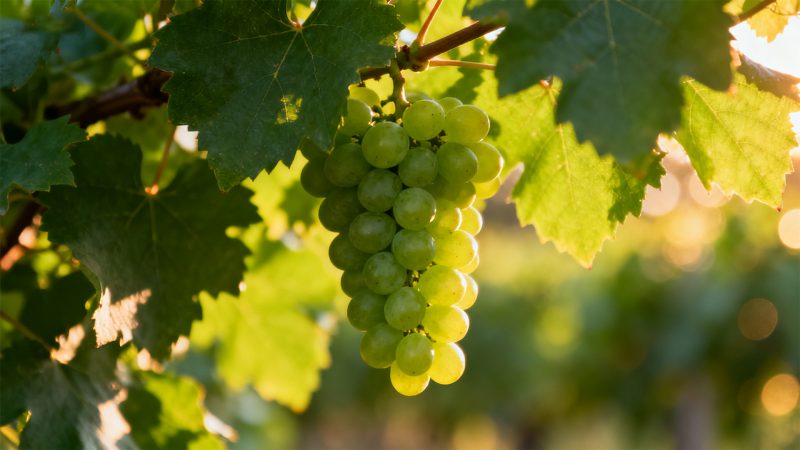
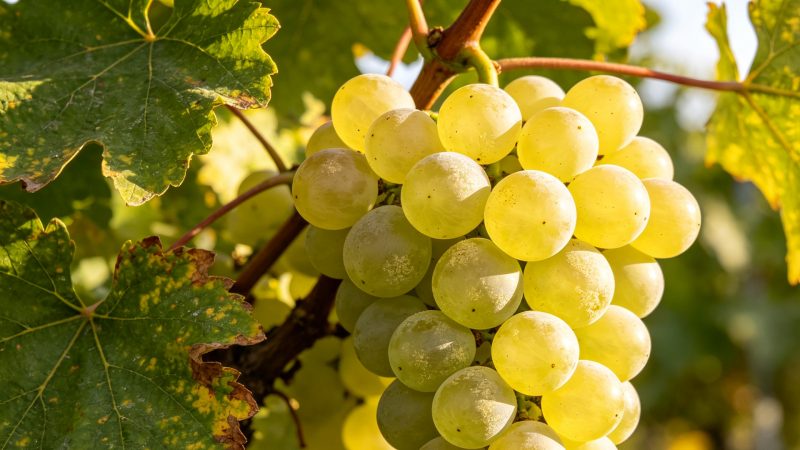
3.1 Chardonnay (30% of plantings)
Chardonnay is Champagne’s backbone of longevity. In the Côte des Blancs, on deep Belemnite chalk, it produces wines of searing acidity, relentless minerality, and extraordinary aging potential. The best Blanc de Blancs—Salon, Krug Clos du Mesnil, Pierre Péters Les Chétillons—can age 30-50 years, evolving from citrus and white flowers into hazelnut, brioche, honey, and crushed stone.
In blends, Chardonnay provides the skeleton: acidity, finesse, and the capacity to age. In warmer vintages (2015, 2018, 2020), Chardonnay-based Champagnes can be surprisingly approachable young. In cooler vintages (2008, 2012, 2013), they’re impenetrable without a decade of cellaring—and all the better for it.
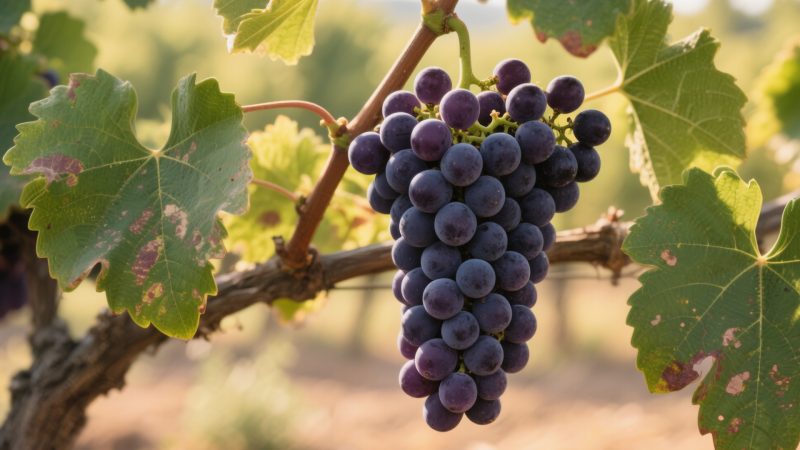
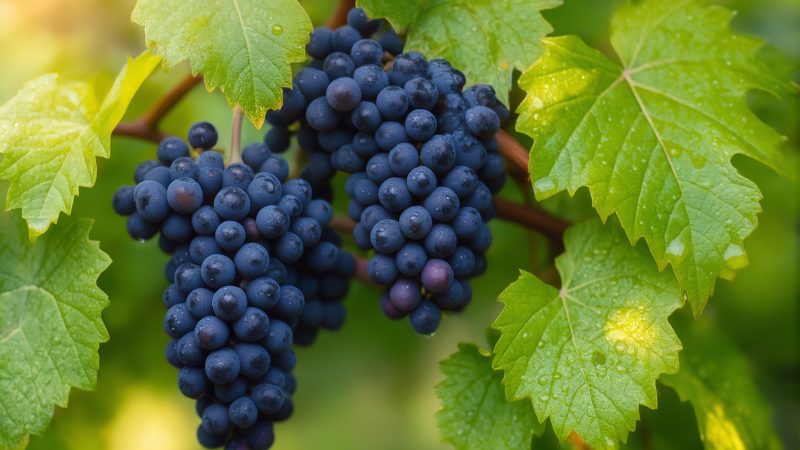
3.2 Pinot Noir (38% of plantings)
Pinot Noir gives Champagne its muscle. On the north- and south-facing chalk slopes of the Montagne de Reims—particularly in Bouzy, Ambonnay, Verzenay, and Aÿ—it produces base wines of remarkable power, structure, and red-fruit depth. These are wines that could almost stand alone as still reds (and in Bouzy Rouge, they do).
In the blend, Pinot Noir contributes body, structure, and red-berry aromatic complexity. Blanc de Noirs Champagnes—made entirely from Pinot Noir (and sometimes Pinot Meunier)—are richer, broader, and more gastronomic than Blanc de Blancs. The best examples (Egly-Ouriet, Bérèche, Ulysse Collin) have the texture and depth of great red Burgundy, with the effervescence of Champagne.
In the Aube, Pinot Noir is different: riper, rounder, more generous. Kimmeridgian marl produces a softer, plusher Pinot Noir than the Côte des Blancs chalk. The grower-producer revolution was born here.
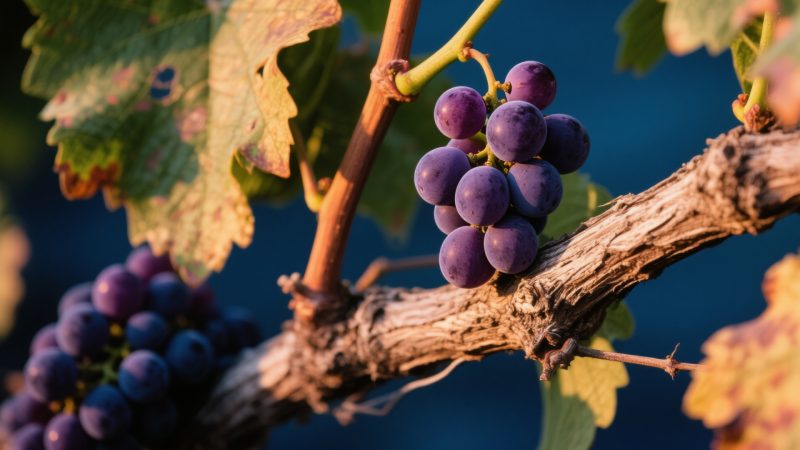
3.3 Pinot Meunier (32% of plantings)
The unsung workhorse. Pinot Meunier buds and ripens later than Pinot Noir, making it insurance against spring frost in the frost-prone Vallée de la Marne. It produces wines of immediate fruit charm—red apple, pear, sometimes a hint of earth—that soften NV blends and make them drinkable on release. Historically dismissed by purists, it’s now championed by producers like Jérôme Prévost (Les Béguines) and Egly-Ouriet (Les Vignes de Vrigny), who make 100% Meunier Champagnes that age beautifully for 15+ years.
3.4 The Forgotten Grapes: Arbane, Petit Meslier, Pinot Blanc, Pinot Gris
Before phylloxera, Champagne had dozens of grape varieties. Today, four “forgotten” grapes—Arbane, Petit Meslier, Pinot Blanc, and Pinot Gris—account for less than 0.3% of plantings. But they’re making a comeback, driven by producers interested in biodiversity and acidity preservation in a warming climate.
These grapes are typically high-acid, low-alcohol, and intensely aromatic. Petit Meslier in particular can achieve staggering acidity levels (think 12+ g/L of tartaric). Moutard, Drappier, Laherte Frères, and Aubry are the leading proponents. Aubry’s “Le Nombre d’Or” cuvée is essentially a museum of pre-phylloxera Champagne varieties—a wine that tastes like history.
4. Méthode Champenoise: How the Bubbles Get In
Making Champagne is not just making wine and then adding bubbles. It’s a separate art form, one that takes a minimum of 15 months (NV) to 3+ years (vintage) from harvest to release, with prestige cuvées often aging 8-10 years on lees before disgorgement. Here’s how it works:
Step by Step
- 1. Pressing: Grapes are pressed whole-cluster, gently, in traditional Coquard basket presses or modern pneumatic equivalents. The law limits yield to 2,550 liters per 4,000 kg of grapes. The first press (cuvée) is the finest; the second (taille) is coarser, higher in phenolics, and used judiciously.
- 2. First Fermentation: The still base wine is made—typically in stainless steel, though some producers (Krug, Bollinger) use oak barrels. The result at this stage is a tart, thin, aggressively acidic still wine that’s borderline undrinkable. This is normal.
- 3. Blending (Assemblage): This is where Champagne is made or broken. The chef de cave blends base wines from different villages, grape varieties, and vintages (for NV) to create the house style. Krug’s MV (Multi-Vintage) can contain wines from over 120 different lots spanning 10+ vintages. The NV blend must be consistent year after year—arguably the hardest job in wine.
- 4. Second Fermentation: The blended wine is bottled with a mixture of sugar and yeast (liqueur de tirage). The bottle is capped (not corked) and laid down. The yeast consumes the sugar, producing alcohol (~1.2-1.5% additional) and CO₂. Since the CO₂ can’t escape, it dissolves into the wine—at roughly 5-6 atmospheres of pressure, or about three times a car tire.
- 5. Aging on Lees (Sur Lie): The dead yeast cells (lees) break down over months and years through autolysis, releasing amino acids, mannoproteins, and flavor compounds that create the brioche, toast, hazelnut, and creamy texture that define great Champagne. NV must age at least 15 months (12 on lees); vintage Champagne, at least 36 months. Many producers far exceed these minimums.
- 6. Riddling (Remuage): Bottles are gradually tilted and rotated to move the dead yeast sediment into the neck. This was traditionally done by hand on pupitres (the invention of Madame Clicquot); today, most houses use gyropalettes—computer-controlled cages that shake hundreds of bottles simultaneously. A few purists still riddle by hand.
- 7. Disgorgement (Dégorgement): The neck of the bottle is frozen in a brine solution at -25°C. When the cap is removed, the frozen plug of yeast shoots out. A small amount of wine is lost.
- 8. Dosage: The bottle is topped up with liqueur d’expédition—a mixture of wine and sugar. The amount of sugar determines the final style (see Section 5.3). Even Brut Nature receives a tiny topping of pure wine to fill the bottle.
- 9. Corking, Aging, Release: The mushroom cork is driven in, the wire cage (muselet) is tightened, and the bottle rests for a final period—months to years—before release. Some houses hold back disgorged bottles for extended post-disgorgement aging (Bollinger RD, for example).
4.1 Coteaux Champenois: The Quiet Revolution
Not all Champagne-region wine sparkles. Coteaux Champenois is the appellation for still wines from Champagne—red, white, and rosé. Historically an afterthought, these wines are now taken seriously. Bollinger’s La Côte aux Enfants (a still Pinot Noir from Aÿ) trades at Burgundy prices. Rosé des Riceys, from the Aube, is one of France’s most distinctive rosés—wild strawberry, earth, and structure. As climate change pushes ripeness higher, expect Coteaux Champenois to become a larger part of the conversation.
5. Styles, Dosage & the Language of Labels
5.1 The Style Spectrum
| Style | Description | Share | Benchmark |
| Non-Vintage (NV) | Blend of multiple vintages. The house’s calling card—must be stylistically consistent year after year. | 60-75% of all Champagne | Moët Impérial, Veuve Clicquot Yellow Label, Bollinger Special Cuvée |
| Vintage (Millésimé) | All grapes from a single declared vintage. Only made in good years. Minimum 3 years on lees. | 10-15% of production | Dom Pérignon, Cristal, Taittinger Comtes de Champagne |
| Blanc de Blancs | 100% Chardonnay, almost always from Côte des Blancs. The purest, most age-worthy expression. | Growing rapidly | Salon, Pierre Péters, Ruinart, Taittinger Comtes BdB |
| Blanc de Noirs | 100% black grapes (Pinot Noir and/or Meunier). Richer, more structured, gastronomic. | Small but premium | Egly-Ouriet, Krug Clos d’Ambonnay, Bérèche |
| Rosé | Made by blending red wine (usually Bouzy Rouge) into white, or by saignée. The hardest style to make well. | ~5% of production | Billecart-Salmon, Laurent-Perrier, Krug Rosé |
| Prestige Cuvée | The top of the range. Vintage-only, best vineyards (often Grand Cru), extended aging. | <2% of production | Dom Pérignon, Cristal, Krug Clos du Mesnil, Salon, Bollinger Vieilles Vignes Françaises |
| Single-Vineyard | From a single parcel. The ultimate terroir expression—Champagne’s answer to Burgundy. | Tiny, growing | Krug Clos du Mesnil, Philipponnat Clos des Goisses, Ulysse Collin Les Pierrières |
5.2 Dosage: The Sugar Spectrum
Dosage is the final sugar addition at disgorgement, measured in grams per liter. It’s not about sweetness—it’s about balance. A higher dosage can mask flaws; a lower dosage exposes every decision the winemaker made. The trend since 2000 has been toward lower dosage, driven by riper vintages and consumer preference, but dosage is a tool, not a moral position.
| Dosage Level | Sugar | Character | Benchmark |
| Brut Nature / Zero Dosage | 0-3 g/L | No sugar added after disgorgement. Searing, pure, unforgiving. Requires perfect fruit. | Jacques Selosse Substance, Drappier Brut Nature |
| Extra Brut | 0-6 g/L | Near-zero sweetness. Bone-dry. The sommelier’s darling. | Pierre Péters, Ulysse Collin, Larmandier-Bernier |
| Brut | <12 g/L | The standard. Most Champagne falls here (8-12 g/L). Perceived sweetness varies with acidity. | Almost all NV Brut |
| Extra Dry | 12-17 g/L | Despite the name, noticeably sweeter than Brut. A 19th-century nomenclature relic. | Mumm Cordon Rouge (historically) |
| Sec | 17-32 g/L | Sweet. Dessert-level. | Rare; mostly historical |
| Demi-Sec | 32-50 g/L | Very sweet. Pair with fruit desserts or foie gras. | Billecart-Salmon Demi-Sec |
| Doux | 50+ g/L | The sweetest category. Almost extinct commercially. | Vintage curiosities only |
5.3 Producer Codes: The Two-Letter System That Matters
Every Champagne label carries a two-letter code preceded by a registration number. This tells you who actually made the wine—and it’s often not who you think.
| Code | Description | Examples | Market Share |
| NM (Négociant-Manipulant) | Buys grapes, makes wine. The grandes marques. | Moët & Chandon, Veuve Clicquot, Krug, Bollinger, Roederer | ~70% of Champagne sold |
| RM (Récoltant-Manipulant) | Grows grapes, makes wine from own vineyards. The grower-producer. | Egly-Ouriet, Pierre Péters, Jacques Selosse, Jérôme Prévost | The quality revolution; the code to seek out |
| CM (Coopérative-Manipulant) | Cooperative that makes and sells wine from members’ grapes. | Nicolas Feuillatte, Palmer & Co | Variable quality; some excellent |
| RC (Récoltant-Coopérateur) | Grower who has grapes made into wine by a cooperative, sells under own label. | Many small growers | Hard to generalize |
| SR (Société de Récoltants) | Association of growers sharing facilities. Similar to a small cooperative. | Rare | Niche |
| MA (Marque d’Acheteur) | Buyer’s own brand. A supermarket or restaurant label made by someone else. | Costco Kirkland Champagne | Can be excellent value—or terrible |
| ND (Négociant-Distributeur) | Merchant who buys finished wine and labels it. | Rare | Avoid unless you know the source |
6. The Producer Landscape: Grandes Marques, Growers & the Middle Ground
6.1 The Grandes Marques: Consistency at Scale
The grandes marques are the household names. They source grapes across the region, blend across vintages for NV, and maintain a house style that must be recognizable year after year. This is harder than it sounds—Bollinger’s Special Cuvée is a blend of 200+ components, including reserve wines aged in magnum for up to 15 years. The best grandes marques produce wines of remarkable quality at scale.
The top tier, ranked by quality ambition rather than volume:
- Krug: The most uncompromising of the grandes marques. All wines are barrel-fermented. No NV—their entry-level wine is “Grande Cuvée,” a multi-vintage blend of 120+ wines. The single-vineyard Clos du Mesnil (Blanc de Blancs) and Clos d’Ambonnay (Blanc de Noirs) are among the world’s most expensive Champagnes.
- Bollinger: The muscle of Champagne. Pinot Noir-dominant, barrel-fermented, oxidative in style. Special Cuvée is one of the best NV values. Vieilles Vignes Françaises—from ungrafted, pre-phylloxera Pinot Noir vines in Aÿ—is a unicorn.
- Louis Roederer: Cristal, the prestige cuvée created for Tsar Alexander II in 1876, gets the headlines, but the NV Brut Premier (now “Collection”) is a benchmark—biodynamic since 2012, with a multi-vintage perpetual reserve system.
- Jacquesson: The anti-grande marque grande marque. Abandoned NV in favor of numbered cuvées (700-series), each representing a different blend. Brilliant, cerebral wines.
- Pol Roger: Winston Churchill’s Champagne. The vintage Brut is one of the best values in vintage Champagne; the Cuvée Sir Winston Churchill is a Pinot Noir-dominant benchmark.
- Taittinger: Chardonnay-dominant, elegant. The Comtes de Champagne Blanc de Blancs is one of the finest BdB in existence. The NV Brut Réserve is consistently underrated.
- Charles Heidsieck: Historically one of the greatest houses, now resurgent. The NV Brut Réserve routinely beats prestige cuvées in blind tastings. Their Blanc des Millénaires is a BdB of extraordinary complexity.
- Ruinart: The oldest Champagne house (1729). Chardonnay-dominant, housed in UNESCO-listed chalk cellars (crayères) in Reims. Blanc de Blancs is the reference point.
6.2 The Grower-Producers (RM): The Quality Revolution
If the grandes marques are Champagne’s establishment, the grower-producers are its insurgency. These are farmers who own their vineyards and make their own wine—a radical idea in a region where, for centuries, growers supplied grapes to the big houses. The grower movement accelerated in the 1990s and hasn’t stopped. Today, the best RMs produce Champagnes that compete with—and often exceed—the grandes marques in quality, terroir expression, and value.
- Jacques Selosse (Avize): The godfather of the grower movement. Oxidative, barrel-fermented, low-dosage Champagnes of staggering complexity. The “Substance” is a solera Blanc de Blancs that redefines what Champagne can be. His son Guillaume now runs the domaine. Extremely allocated.
- Egly-Ouriet (Ambonnay): The Pinot Noir master. Grand Cru Blanc de Noirs so rich they could pass for still red Burgundy. The single-vineyard “Les Crayères” is a reference-point Blanc de Noirs.
- Pierre Péters (Le Mesnil-sur-Oger): If Salon is the king of Côte des Blancs, Péters is the prince regent. Les Chétillons is a single-vineyard BdB from a parcel inside Le Mesnil that routinely outperforms wines at 3x the price. Exceptional value.
- Ulysse Collin (Congy): Olivier Collin, trained at Selosse, makes single-vineyard Champagnes from the Côte de Sézanne that have achieved cult status. Les Pierrières, Les Enfers, and Les Maillons are all worth tracking down.
- Cédric Bouchard (Aube): Single-variety, single-vineyard, single-vintage, zero-dosage. Minimalist Champagne of extraordinary purity. “Roses de Jeanne” is the label. Les Ursules (Pinot Noir) and La Bolorée (Pinot Blanc) are the flagships.
- Jérôme Prévost (Gueux): Makes essentially one wine: “Les Béguines,” a 100% Meunier from old vines. It’s transformed Meunier’s reputation single-handedly.
- Larmandier-Bernier (Vertus): Precisionist Blanc de Blancs from Côte des Blancs. The “Vieille Vigne du Levant” is a Grand Cru BdB of exceptional purity. Biodynamic since 1999.
- Bérèche et Fils (Ludes): Dynamic young growers making some of the most exciting Champagnes in the Montagne de Reims. The “Le Cran” (Pinot Noir from Ludes) and “Rive Gauche” (Meunier from the Marne) are standouts.
6.3 The Cooperative Champagnes: Value Hunting
Champagne’s cooperative sector is the region’s unsung value engine. Nicolas Feuillatte, the largest cooperative brand, produces solid NV Brut at $25-35. Palmer & Co, a high-end cooperative, produces vintage Champagnes that compete with the grandes marques at half the price. Don’t dismiss a Champagne because it comes from a cooperative—taste it. Some of the best under-$40 Champagnes on the market come from cooperatives.
7. How to Buy Champagne: Label Decoding, Price Tiers & Strategy
7.1 Decoding a Champagne Label
A Champagne label contains more information than almost any other wine label. Here’s what every element means:
- Producer name and code (NM, RM, CM, etc.): Who actually made it.
- Vintage or NV: If there’s a year, it’s vintage Champagne. No year = NV.
- Cru status: “Grand Cru” or “Premier Cru” if applicable. Absence means nothing.
- Style: Blanc de Blancs, Blanc de Noirs, Rosé, etc.
- Dosage level: Brut, Extra Brut, Brut Nature, etc.
- Disgorgement date: Increasingly common on grower Champagnes. Tells you how long the wine has aged post-disgorgement. A recently disgorged 2008 will taste different from the same wine disgorged 5 years ago.
- Village of origin: If it says a village name, the grapes came from there. No village = a blend.
- ABV: Typically 12-12.5%. Higher ABV (>12.5%) can indicate a warmer vintage or riper picking.
7.2 Price Tiers: What You Get at Each Level
Champagne is not cheap. The cost of land, labor-intensive production, minimum aging requirements, and brand equity all push prices up. But there’s genuine quality differentiation across price tiers. Here’s what to expect:
| Price | What You’re Buying | Quality Level | Benchmark |
| Under $35 | Supermarket NV, cooperative brands, bulk NM | Solid, correct Champagne. Nothing profound, but clean and refreshing. | Nicolas Feuillatte, Kirkland (MA), Mumm Napa (not Champagne, but close) |
| $35-55 | Quality NV from good NM and RM producers | The sweet spot for daily-drinking Champagne. Complexity, balance, and a clear house style. | Charles Heidsieck Brut Réserve, Pol Roger Brut Réserve, Pierre Péters Cuvée de Réserve, Larmandier-Bernier Latitude |
| $55-90 | Entry-level vintage, prestige NV, quality Rosé | Vintage complexity or NV elevated by blending and aging. The wine improves noticeably here. | Bollinger Special Cuvée, Roederer Collection, Taittinger Prélude Grands Crus, Billecart-Salmon Brut Rosé |
| $90-150 | Top vintage, single-vineyard from top RMs, entry prestige cuvée | Serious complexity. Wines at this level can age 10-20+ years. | Dom Pérignon (entry), Taittinger Comtes de Champagne, Egly-Ouriet Grand Cru, Krug Grande Cuvée (entry), Ulysse Collin |
| $150-300 | Prestige cuvées from the grandes marques | The best NV/MV and top vintage cuvées. World-class Champagne. | Cristal, Krug Vintage, Dom Pérignon P2, Salon, Bollinger Vieilles Vignes |
| $300-800 | Top prestige cuvées in good vintages | Collectible, age-worthy, benchmark Champagnes. Returns diminish at $500+ but prestige doesn’t. | Krug Clos du Mesnil, Dom Pérignon P3, Selosse Substance |
| $800+ | Ultra-rare, single-vineyard unicorns | Scarcity pricing as much as quality. For collectors. | Krug Clos d’Ambonnay, Salon late-disgorged, Bollinger VVF magnums |
7.3 Smart Buying Strategies
- Buy RM over NM at the $35-70 price point. You’ll get more terroir, more character, and more wine for your money.
- Look for “late-disgorged” vintage Champagne. The same wine disgorged 10 years later than the standard release will show dramatically more complexity—often for a modest premium.
- Back-vintage NV is a secret weapon. A bottle of Bollinger Special Cuvée that’s been in a shop for 5 years will taste significantly more complex than a fresh one.
- Magnums age better. The ratio of oxygen exposure to wine volume is lower in magnums. If you’re buying to cellar, buy magnums.
- Champagne futures exist. A few top producers (Selosse, Prévost, Collin) sell allocations directly. Get on mailing lists early.
- Don’t sleep on the Aube. The best growers there (Bouchard, Lassaigne, Fleury) produce Champagnes that rival the Côte des Blancs at half the price.
- Buy non-vintage from great vintages. Charles Heidsieck Brut Réserve based on the 2012 or 2008 harvest will outperform many declared vintage Champagnes.
8. Vintage Variation: A Detailed Guide
Champagne is a marginal climate, which means vintage variation is real and dramatic. Unlike Bordeaux, where every year produces a declared vintage, Champagne houses declare vintages only in years they consider good enough. This makes undeclared vintages in Champagne a genuine quality signal: if a year wasn’t declared, it wasn’t good enough for vintage Champagne. (NV Champagne absorbs the grapes from undeclared years.)
Below is a comprehensive vintage guide covering 2000-2023, with ratings, character notes, and drinking windows. Scores are composite critic consensus (100-point scale, Wine Advocate / Vinous / Decanter panel average).
| Vintage | Score | Character | Drinking Window | Buying Advice |
| 2023 | 88 | Warm but balanced. Good ripeness with surprising acidity retention. Too early for definitive assessment. | Drink: 2028-2038 | NV quality base year |
| 2022 | 90 | Hot and dry. Extremely ripe, generous fruit. High alcohol potential. Will be atypical but potentially excellent for rosé and Blanc de Noirs. | Drink: 2027-2040 | Wait for release; likely atypical |
| 2021 | NR | Catastrophic frost, mildew, hail. Smallest harvest in 40 years. Some houses will not produce vintage wine. The few that do may be surprisingly good—low yields, high concentration. | Drink: 2027-2035 | Buy carefully; tiny production |
| 2020 | 91 | Hot, early harvest. Rich, round, generous. Not classic but very appealing. Good acidity for such a warm year. Some exceptional Blanc de Blancs. | Drink: 2026-2038 | Good for early drinking |
| 2019 | 90 | Warm, sunny, good yields. Approachable, fruity. Less structured than 2018 but charming young. | Drink: 2025-2035 | NV base; decent vintage where declared |
| 2018 | 92 | Outstanding. Warm but balanced by August rain. Powerful, ripe, structured. Excellent across all styles. A benchmark warm-vintage Champagne. | Drink: 2025-2045 | Buy; outstanding value vs 2008 |
| 2017 | 87 | Frost-affected, small crop. Variable quality. Some good wines from top sites but not a vintage to chase. | Drink: Now-2030 | Mostly NV; skip vintage unless top producer |
| 2016 | 90 | Frost-hit but survivors produced excellent wines. Leaner, more acid-driven than 2015. Classic profile—a collector’s sleeper vintage. | Drink: 2025-2040 | Buy if you find it; limited production |
| 2015 | 90 | Warm, ripe, generous. Forward, hedonistic. Drinkable young but best examples have aging potential. A solar vintage. | Drink: Now-2035 | Good for current drinking |
| 2014 | 89 | Mixed. Rain at harvest affected quality. Good wines from top producers but inconsistent. Not widely declared. | Drink: Now-2030 | Only from top houses |
| 2013 | 91 | Late harvest, cool year. High acidity, lean, structured. For acid lovers. Côte des Blancs excelled. Salon declared. | Drink: 2025-2040+ | For cellaring; needs time |
| 2012 | 95 | Classic. One of the great vintages of the era. Perfect balance of ripeness and acidity. Universally declared. Drinking beautifully now, with decades ahead. | Drink: Now-2045+ | Buy any producer; a benchmark |
| 2011 | 86 | Difficult. Rain, rot pressure, uneven ripeness. Few declared. Avoid unless from a top house. | Drink: Now | Skip |
| 2010 | 87 | Cool, challenging. High acidity, lean fruit. Not widely declared. | Drink: Now-2030 | Skip unless bargain |
| 2009 | 91 | Warm, ripe, generous. Similar to 2015 but more structured. Drinking well now. | Drink: Now-2035 | Good for current drinking |
| 2008 | 97 | The modern legend. High acidity, perfect ripeness, extraordinary balance. Universally declared. Champagnes of searing intensity and 40+ year aging potential. The greatest vintage since 1996. | Drink: Now-2050+ | Buy anything; cellar the best |
| 2007 | 86 | Cool, damp. Light, early-drinking. Some pleasant surprises from top growers but not a collectible vintage. | Drink: Now | Drink up |
| 2006 | 89 | Warm, rich, forward. Some excellent wines from top houses. Drinking well now. | Drink: Now-2035 | Drink or hold short-term |
| 2005 | 89 | Hot summer, good ripeness but variable. Some outstanding wines, some hollow. | Drink: Now-2035 | Producer-dependent |
| 2004 | 91 | Underrated. Cool, classic, high acidity. Many wines are just entering their prime. A sleeper vintage. | Drink: Now-2035 | Buy if you find back-vintage |
| 2003 | 87 | Extreme heatwave. Atypical, low-acid, broad Champagnes. A curiosity more than a classic. | Drink: Now | Drink up; unusual but interesting |
| 2002 | 96 | Legendary. Rich, powerful, perfectly balanced. Universally declared. Many wines at peak now, best have decades. | Drink: Now-2040+ | Buy prestige cuvées if found |
| 2001 | 84 | Very difficult. Rain and rot. Almost no vintage Champagne made. | Drink: Now | Avoid |
| 2000 | 87 | Variable. Some good wines but inconsistent. Millennium hype exceeded quality. | Drink: Now | Drink up |
Key takeaway: 2008, 2012, and 2002 are the modern benchmarks—buy them at any price point from any quality producer. 2018 and 2016 are the best value vintages currently on the market. 2021 is the wildcard: a tiny, devastated vintage that, paradoxically, produced some extraordinary wines from the handful of healthy grapes that survived.
9. Champagne as an Investment
Champagne has quietly become one of the best-performing wine investment categories of the last decade. The Liv-ex Champagne 50 index—tracking the 50 most-traded Champagnes—has outperformed the Bordeaux 500 and Burgundy 150 over multiple five-year windows. Why? Because Champagne is underpriced relative to quality, the top cuvées are produced in tiny quantities (Salon makes ~60,000 bottles in a declared vintage; Krug Clos du Mesnil, ~15,000), and global demand from Asian and American markets keeps expanding.
9.1 What to Collect
- Salon: The blue-chip. Only made in exceptional vintages (43 vintages in 113 years). Production averages 60,000 bottles. Prices have risen ~300% in 15 years. The 2008 is $1,200+ on release and climbing.
- Krug single-vineyard: Clos du Mesnil (Blanc de Blancs) and Clos d’Ambonnay (Blanc de Noirs). Tiny production, extraordinary quality, global demand.
- Dom Pérignon P2/P3: The “Plénitude” series—extended lees-aging releases of the same vintage at different stages of evolution. P2 (12-15 years on lees) and P3 (20-30 years) are collectors’ darlings.
- Bollinger Vieilles Vignes Françaises: From ungrafted vines. Extremely rare. Prices have gone vertical.
- Top growers: Selosse, Prévost, Collin, Cédric Bouchard—allocation-only, impossible to find at retail, fierce secondary market demand.
9.2 Storage & Cellaring
Champagne is more fragile than still wine in storage. Ideal conditions: 10-12°C (50-54°F), 70-80% humidity, darkness, no vibration. Bottles should be stored horizontally to keep the cork moist. Once disgorged, Champagne begins a slow oxidative evolution—it doesn’t improve indefinitely. NV should be drunk within 3-5 years of purchase (though top NV like Krug Grande Cuvée can age 10-15). Vintage: 10-30 years from vintage date. Prestige cuvée: 20-50+ years.
Universal rule: almost everyone drinks Champagne too cold and too young. Take it out of the fridge 15 minutes before pouring. Give vintage Champagne a few years past what feels comfortable. The reward for patience is a wine that tastes nothing like what you poured on release.
10. Climate Change & Sustainability: Champagne at a Crossroads
Champagne is one of the world’s most climate-vulnerable wine regions. The 49th parallel was already the edge of viability; warming temperatures are pushing it toward a new normal that nobody fully understands.
10.1 The Warming Trajectory
Between 1988 and 2018, average growing-season temperatures in Champagne rose by 1.2°C. Harvest dates advanced by an average of 18 days. Sugar levels at harvest have risen while acidity has declined. The 2003, 2015, 2018, 2020, and 2022 vintages all produced Champagnes that would have been unrecognizable to élaborateurs of the 1970s: riper, lower in acidity, sometimes pushing 13%+ ABV before dosage.
The risks are multiple: (1) loss of the high acidity that defines Champagne’s structure and aging potential; (2) increased frost risk from earlier budbreak (counterintuitively, warmer winters mean buds open earlier, making them vulnerable to late spring frosts—the 2021 disaster); (3) more frequent extreme weather events (hail, heatwaves, torrential rain); (4) the potential obsolescence of the historic sub-regional hierarchy, as the Côte des Blancs chalk may prove more resilient to warming than the Montagne de Reims.
10.2 The Response: Sustainability, Research & Adaptation
The Comité Champagne (CIVC), the region’s powerful trade body, has been proactive. Champagne was the first wine region in the world to conduct a carbon footprint assessment (2003). Since then:
- Carbon emissions per bottle have been cut by 20% (2003-2020), through lighter bottles, renewable energy in cellars, and logistics optimization.
- Biodynamic and organic viticulture has surged. Louis Roederer converted its entire estate to biodynamics (2021). Fleury (Aube) has been biodynamic since 1989—the pioneer. Today, ~5% of Champagne vineyards are certified organic/biodynamic, up from <1% in 2010.
- Research into new grape varieties—hybrids resistant to mildew and powdery mildew—is underway, though commercial planting is prohibited for AOC Champagne. The forgotten grapes (Petit Meslier, Arbane) are being replanted partly for their natural high acidity.
- The reserve wine system—Champagne’s unique ability to blend across vintages—is the region’s greatest climate adaptation tool. In a world of increasingly erratic vintages, the perpetual reserve and solera systems pioneered by houses like Krug, Jacquesson, and Roederer provide a hedge against bad years.
The existential question: if Champagne’s average temperature rises another 1-1.5°C by 2050, will the region need to shift toward still wines (Coteaux Champenois), plant different varieties, or accept a fundamentally different style of sparkling wine? England, Tasmania, and even Scandinavia are now producing credible traditional-method sparkling wines in climates that resemble Champagne circa 1970. The race is on.
11. Serving, Storing & Food Pairing
11.1 Serving Temperature & Glassware
The universal mistake: serving Champagne ice-cold (straight from the freezer). At 2-4°C, you taste almost nothing but cold and fizz. The right temperature for NV Brut: 8-10°C (fridge temperature, then 10-15 minutes on the counter). Vintage and prestige cuvées: 10-12°C (cool cellar temperature). Blanc de Noirs and rosé actually benefit from slightly warmer serving—12-14°C—to reveal their aromatic complexity.
Glassware: the flute is dying, and good riddance. Flutes suppress aroma by concentrating it into a tiny surface area. A universal wine glass (Zalto Universal, Gabriel Glas, or a simple white-wine glass) lets Champagne breathe. For vintage and prestige cuvées, use a Burgundy glass. Yes, a Burgundy glass. The wider bowl lets the wine open up. The bubbles won’t disappear faster than you can drink them.
11.2 Opening a Bottle Without Injury
The cork of a Champagne bottle exits at roughly 40 km/h (25 mph) if uncontrolled. More people are injured by Champagne corks than by any other wine-related accident. Technique: hold the cork firmly with one hand, twist the bottle (not the cork) with the other. The cork should emerge with a sigh, not a pop. A loud pop is not celebration—it’s lost carbonation and a potential trip to the emergency room.
11.3 Food Pairing: Beyond Caviar
Champagne is not just an apéritif. It’s one of the world’s great food wines, thanks to high acidity, effervescence (which cleanses the palate), and a flavor spectrum that stretches from citrus and chalk to brioche and mushroom. The key is pairing by style and age:
- Young Brut NV: Fried food (fried chicken, tempura, fish and chips). The acidity cuts through fat; the bubbles scrub the palate. Champagne and fried chicken is a pairing that will change your life.
- Blanc de Blancs: Oysters, sashimi, crudo, goat cheese. The chalky minerality and citrus of BdB meets the briny minerality of raw shellfish. The platonic ideal of wine pairing.
- Blanc de Noirs / Vintage Brut: Roast chicken, pork belly, mushroom risotto, truffle pasta. The body and red-fruit depth of BdN handles richer food.
- Aged Vintage / Prestige Cuvée: Lobster, turbot with beurre blanc, aged Comté, veal. The oxidative, nutty, brioche notes of aged Champagne echo the richness of butter sauces and aged cheese.
- Rosé Champagne: Duck, salmon, charcuterie, berry desserts. The red-fruit character and slight tannin of rosé bridges meat and fruit.
- Demi-Sec: Foie gras, blue cheese, fruit tarts. The sweetness balances salt and richness.
The one rule: avoid pairing Champagne with vinegar, raw onions, or heavily spiced food. The bubbles amplify irritation and the acidity clashes.
Frequently Asked Questions
How long does an opened bottle of Champagne last?
With a proper Champagne stopper (the kind that clamps onto the lip of the bottle, not a decorative cork), 2-3 days in the fridge. Without a stopper: about 4 hours before it’s flat and sad. The best strategy is to finish the bottle. Champagne is not a wine for tomorrow.
What’s the difference between Champagne and Prosecco?
Almost everything. Prosecco is made from Glera grapes in northeastern Italy, fermented in large stainless steel tanks (Charmat method) rather than in bottle, and designed to be drunk young and fresh. It costs $10-20. Champagne gets its bubbles from a second in-bottle fermentation, ages on dead yeast for months to years, and costs $40+. They’re both sparkling wines. The similarity ends there.
Why is Champagne so expensive?
Land in Champagne costs €1.6M per hectare of Grand Cru vineyard—comparable to Burgundy. The production process takes 3-10+ years from harvest to release, tying up enormous capital in inventory. Labor is intensive (hand-harvesting is mandatory), yields are low by law, and brand equity commands a premium. A $40 bottle of Champagne costs more to make than a $40 bottle of still wine.
Is Veuve Clicquot worth the price?
At $45-55 for Yellow Label, it’s fairly priced for a quality NV from a grande marque. But at that price, Charles Heidsieck Brut Réserve ($50-60) is a significant step up in quality, and a grower Champagne like Pierre Péters Cuvée de Réserve ($55-65) will give you far more terroir character. If you love Veuve, drink it. If you’re curious about what else is out there, the alternatives at the same price are often better.
What’s the best Champagne under $50?
Charles Heidsieck Brut Réserve, Pol Roger Brut Réserve, Larmandier-Bernier Latitude, Pierre Péters Cuvée de Réserve, and the Kirkland Signature Champagne (yes, Costco’s Champagne—it’s made by a good cooperative and delivers genuine quality at $20).
Does Champagne age?
Absolutely. The best vintage Champagnes are among the longest-lived wines in the world. A 1996 Salon or 2002 Krug will comfortably outlive most classified Bordeaux and many Grand Cru Burgundies. The combination of high acidity, CO₂ preservation, and lees-derived antioxidants gives Champagne extraordinary longevity.
Magnum or standard bottle?
Magnum. Always magnum. The ratio of wine volume to oxygen ingress is more favorable, so magnums age more slowly and more gracefully. They’re also far more impressive on the table. The price premium (roughly 2.5x a standard bottle for 2x the wine) is worth it.
What’s the best Champagne region to visit?
Épernay’s Avenue de Champagne is the greatest wine street in the world—Moët & Chandon, Perrier-Jouët, Pol Roger, and others lined up along miles of underground chalk cellars. But the real magic is in the villages: a tasting at Egly-Ouriet in Ambonnay, lunch in Bouzy with a bottle of Bouzy Rouge, visiting Pierre Péters in Le Mesnil-sur-Oger. Skip the tour buses. Book appointments. Go in spring or fall when the crowds are thinner. And don’t miss lunch at Le Royal Champagne in Champillon—the view from the terrace is worth the bill.
Last updated: June 2026. Vintage recommendations reflect market conditions and critic consensus as of this date. Price ranges are approximate US retail and subject to market and tariff fluctuation.

No comments yet