



Key Takeaways
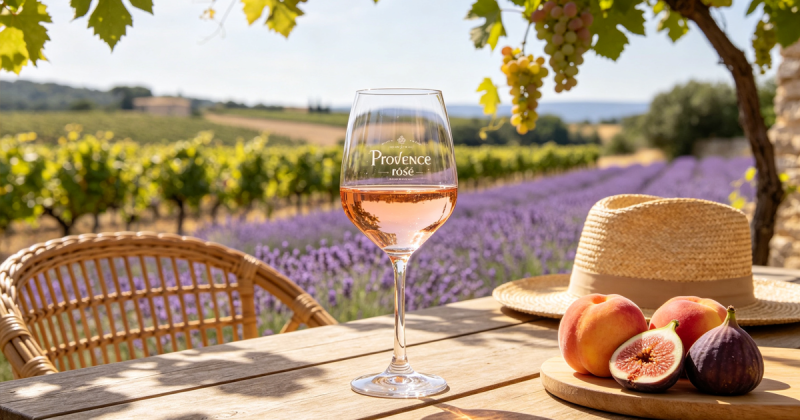
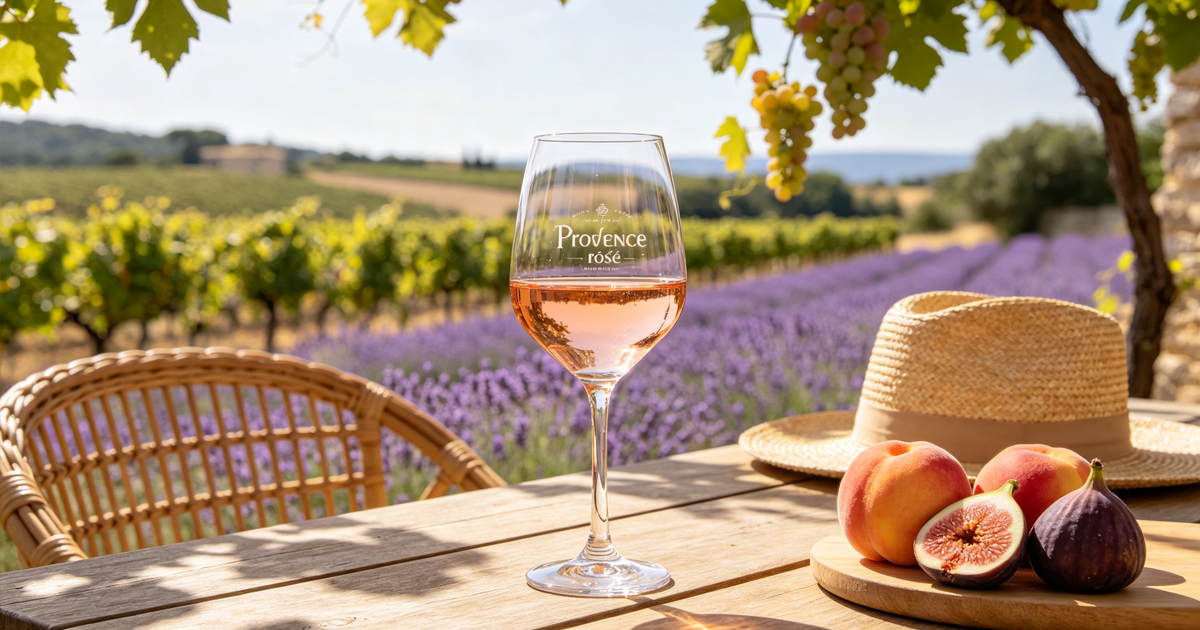
- 88% of Provence wine is rosé — but it’s not the sweet blush you drank in college. The best Provençal rosés are gastronomic, structured, and age-worthy. Domaines Ott, Clos Cibonne, and Château d’Esclans produce rosés that can evolve for 5-10+ years.
- Bandol is Provence’s red secret. Mourvèdre-driven, structured, tannic—Bandol rouge ages 20+ years and competes with classified Bordeaux at half the price. Tempier, Pibarnon, and Pradeaux are the benchmarks.
- $15-30 is Provence rosé’s sweet spot. World-class, estate-bottled Côtes de Provence rosé sells for under $30. Spend $40-60 and you’re in cult territory (Clos Cibonne, Tempier rosé, Garrus). Above $100 is almost entirely Château d’Esclans Garrus and marketing.
- Provence is France’s oldest wine region. The Greeks planted the first vineyards in France here around 600 BC—predating Bordeaux, Burgundy, and the Romans by centuries.
- The Mistral wind is the region’s secret weapon. The relentless north wind keeps vineyards dry and disease-free, making Provence one of the most organic-friendly wine regions in the world.
- Provence has 9 distinct appellations. Côtes de Provence is the big one (75% of production). But Bandol, Cassis, and Palette each produce unique wines that taste nothing like the mass-market rosé image.
1. Introduction: The Greeks, the Mistral & the Rosé That Conquered the World
Around 600 BC, Greek traders from Phocaea sailed into a limestone-framed harbor on the Mediterranean coast and founded Massalia—modern-day Marseille. They brought olive trees and grapevines. These were the first vineyards in what would become France, predating the Romans by centuries.
When the Romans arrived in 125 BC, they found a fully-functioning wine industry and built the Via Aurelia to ship Provence wine back to Rome. By the 1st century AD, Provençal wines were competing with Italian ones in the Roman market—the first recorded instance of French wine threatening Italian market share.
For most of its modern history, Provence was known for cheap, sweet tourist rosé. Then, starting in the 1990s, a handful of ambitious producers—Domaines Ott, Château de Selle, and later Sacha Lichine at Château d’Esclans—decided Provence rosé could be a serious wine. They lowered yields, harvested at night, used direct press rather than saignée, and bottled in distinctive amphora-shaped glass. Between 2000 and 2023, Provence rosé exports grew by over 500%. The US now imports more Provence rosé than any other country.
But Provence is not just rosé. Bandol produces some of France’s most distinctive red wines from Mourvèdre. Cassis makes minerally, saline whites. Palette is a 45-hectare appellation producing wines of improbable complexity. And the entire region is farmed under more organic and biodynamic acreage than almost anywhere else in France, thanks to 300+ days of sunshine and the Mistral wind.
This guide covers it all: the limestone and schist, the nine appellations, the grapes, the vintages, the prices, and how to buy Provence wine without ending up with a $25 bottle that tastes like $6 rosé in a pretty bottle.
2. Terroir & Climate: Limestone, Schist & 300 Days of Sun
2.1 Geology: A Mosaic
Provence’s vineyard geology is chaos—limestone in the west, crystalline schist and quartz in the center, sandstone and clay in the east, volcanic basalt in scattered pockets. This geological variety explains why Provence produces such wildly different wines across short distances.
- Limestone (Coteaux d’Aix, Sainte-Victoire): White, crumbly, alkaline. Produces high-acid, mineral-driven wines. The Montagne Sainte-Victoire massif is the source of Provence’s most elegant, structured rosés.
- Crystalline Schist & Quartz (Maures Massif, inland Côtes de Provence): Ancient metamorphic rock, 300+ million years old. Poor, well-drained, heat-reflecting. The heart of Côtes de Provence AOC.
- Sandstone & Marl (Bandol): The amphitheater of Bandol is a bowl of sandy marl, limestone scree, and red clay—soils that Mourvèdre adores. Stores heat during the day, radiates it at night.
- Volcanic Basalt (Coteaux Varois, pockets of Bandol): Dark, iron-rich soils producing wines of mineral intensity and darker fruit profiles. Small but increasingly prized.
- Coastal Alluvial (Cassis): Sandy, calcareous, often with salt content from sea spray. The white wines of Cassis derive their distinctive salinity from these soils.
2.2 Climate: The Mediterranean Equation
Provence is classic Mediterranean: hot, dry summers (average July 24°C), mild winters (average January 7°C), and 2,700-3,000 hours of sunshine annually—more than any other French wine region. Annual rainfall is low (500-700mm), arriving mostly in violent autumn storms.
The defining climatic feature is the Mistral—a cold, dry north wind barreling down the Rhône Valley at up to 90 km/h. For viticulture, it’s a double-edged sword:
- The good: Dries vines after rain, dramatically reducing fungal disease. This is why Provence has the highest percentage of organic/biodynamic vineyards in France.
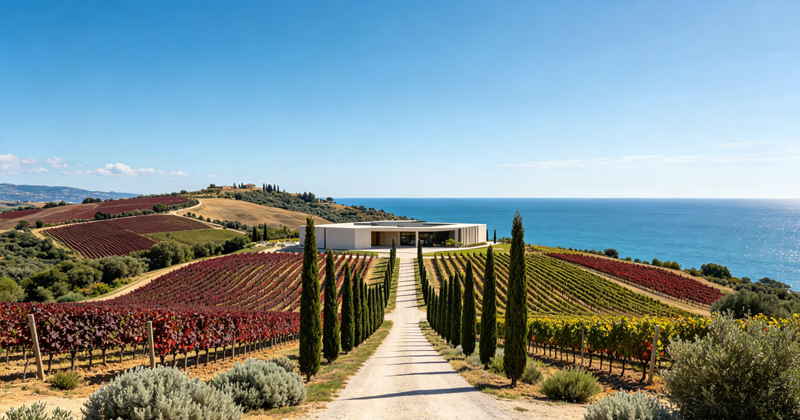
- The bad: Can shred young shoots in spring, knock flowers off during fruit set, desiccate ripening grapes. Vineyards need windbreaks—cypress and poplar rows are everywhere.
- The aesthetic: Vines are trained low to the ground (gobelet and cordon de Royat) to reduce wind exposure. In the most exposed sites, individual vines are staked rather than trellised, giving the vineyards a bonsai-like appearance.
2.3 Climate Change: The New Provence
Provence is on the front lines of climate change. Warmer springs mean earlier budbreak, exposing young shoots to the Mistral’s full fury. Heat spikes during veraison are more frequent—the 2003, 2015, 2019, and 2022 vintages all saw extended heatwaves above 35°C. In 2022, some Bandol Mourvèdre hit 16% potential alcohol before being picked.
On the positive side, warmer vintages have made Provence a more reliable source of fully-ripe red wine. Bandol has particularly benefited: vintages like 2015, 2016, 2018, and 2020 produced reds of breathtaking concentration. Over 35% of vineyard area is now organic or in conversion—partly a response to climate concern.
The 2021 vintage was a brutal reality check: a devastating April frost wiped out up to 70% of the crop in some appellations—a reminder that frost vulnerability increases with earlier budbreak.
3. The Grapes of Provence: Grenache, Mourvèdre & the Cast of Characters
3.1 Grenache — the Rosé Hero
Provence’s most-planted grape and the backbone of its rosé. It brings ripe red fruit (strawberry, raspberry, cherry), moderate alcohol, and a soft, generous texture that makes rosé immediately drinkable. In red wines, particularly in Coteaux d’Aix and Coteaux Varois, it provides warmth and roundness. In Bandol, it plays a supporting role, typically 10-30% of the blend.
Grenache thrives on hot, dry limestone slopes. It’s drought-resistant, late-ripening, and accumulates sugar rapidly in the final weeks—sometimes too rapidly. Managing Grenache’s alcohol potential (which can reach 15%+ in hot vintages) is one of the central challenges of Provençal viticulture.
3.2 Mourvèdre — the Bandol King
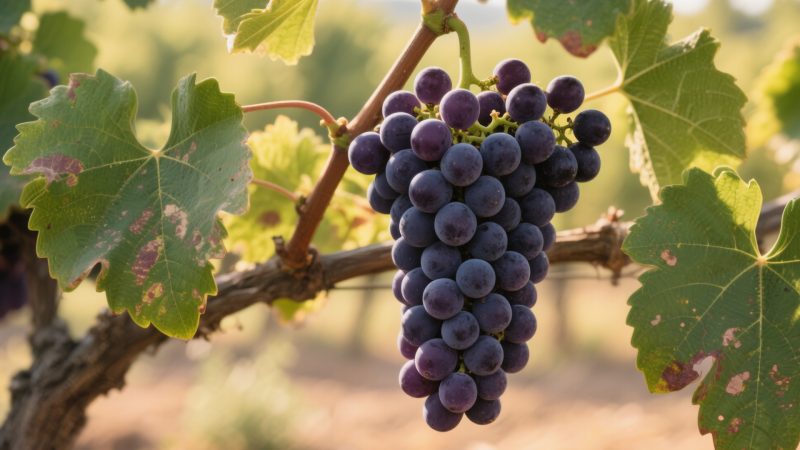
If Grenache is Provence’s heart, Mourvèdre is its soul—a recalcitrant, late-ripening grape that produces wines of savage structure, dark fruit, and gamey, leathery complexity. It ripens 2-3 weeks later than Grenache and needs the warmest sites, ideally close to the sea where reflected light pushes it to maturity. In Bandol, where by law it must be at least 50% of red blends, Mourvèdre defines a style unlike anything else in France.
Young Bandol can be punishing—tight, tannic, ungiving. But at 5-10 years, the tannins soften and the wine unfurls: black cherry, garrigue, leather, smoke, game. At 15-20 years, great Bandols (Tempier Cabassaou, Pradeaux, Pibarnon) achieve an almost Burgundian elegance. This is one of the great aging wine experiences available for under $80.
3.3 Cinsault — Unsung Workhorse
Cinsault is Provence’s secret weapon for rosé. Large berries, thin skins—meaning low color, low tannin, high aromatic freshness. Exactly what you want for pale, elegant rosé. On its own it can be simple, but in a blend with Grenache and Syrah, it provides lift, perfume, and that delicate pale-pink color the market demands. Old-vine Cinsault from select parcels can produce rosés of startling complexity. Clos Cibonne’s Cuvée Prestige Caroline, aged under flor, is one of the most singular rosés in the world.
3.4 Syrah — Structure Addict
Syrah brings color, spice, and structure to Provence’s reds and rosés. In Coteaux d’Aix and Coteaux Varois reds, it adds backbone and black pepper complexity. In Bandol, it’s a minority player, sometimes replacing Mourvèdre in cooler sites. Provence Syrah tends to be more restrained and peppery than the jammy, sun-baked Syrah of the southern Rhône—a function of the cooling Mistral and altitude of inland sites.
3.5 Tibouren — the Provence Original
If there’s a grape that tastes like Provence, it’s Tibouren—a local variety grown almost nowhere else. Temperamental: prone to disease, sensitive to wind. But in the right hands (Clos Cibonne’s Cuvée Spéciale des Vignettes, Château de Pibarnon’s Nuances), Tibouren-based rosés are transcendent: rose petal, white pepper, sea spray, with a texture closer to light red than rosé. A handful of producers also make red Tibouren—wild, herbal, and unlike anything else in French wine.
3.6 The Supporting Cast
| Grape | Color | Key Appellations | Character |
| Rolle (Vermentino) | White | Cassis, Côtes de Provence | Lemon oil, salinity, fennel, almond. The grape behind the best whites of Provence. Drought-resistant, built for the Mediterranean coast. |
| Clairette | White | Cassis, Bandol, Palette | Low acid, high alcohol, honeyed. Often blended for weight. Can be flabby alone; brilliant in the right blend. |
| Ugni Blanc | White | All appellations | High acid, neutral, the white workhorse. Used for crisp blending freshness. |
| Carignan | Red | Coteaux Varois, Bandol | Old vines produce concentrated, leathery, rustic reds. A declining but important heritage variety. |
| Cabernet Sauvignon | Red | Coteaux d’Aix | A controversial interloper. Makes dark, structured reds that taste more like Bordeaux than Provence. |
4. The Appellations of Provence: Nine Worlds in One Region
4.1 Côtes de Provence (The Big One)
Côtes de Provence is the largest appellation—roughly 75% of all Provence wine and nearly 90% of its rosé. Over 20,000 hectares stretching from Aix-en-Provence to Saint-Tropez. In 2005, the AOC introduced three sub-regional designations: Sainte-Victoire (structured, mineral rosés around the limestone mountain), La Londe (forward, fruity styles near the Maures Massif), and Fréjus (smallest, volcanic soils, distinctive minerality).
In 1955, the AOC created a crus classés system—18 estates given special status. Only 4% of production comes from these classified estates. The most famous: Château de Selle and Château de Romassan (Domaines Ott), Château Sainte Roseline, and Château Minuty.
4.2 Coteaux d’Aix-en-Provence & Les Baux-de-Provence
Westernmost Provence appellation, around Aix-en-Provence. Hotter and drier than Côtes de Provence, more limestone, less maritime influence. Produces rosé, red, and white. The reds—typically Grenache-Syrah blends—are often better than the rosés, with a savory, herbaceous edge reflecting the garrigue. Look for Château Vignelaure, Château Revelette, Mas de la Dame.
Les Baux-de-Provence gained its own AOC in 1995. A limestone plateau beneath the ruined medieval citadel—hot, windy, overwhelmingly organic/biodynamic. The reds (Grenache-Syrah-Mourvèdre) are powerful, mineral, and age-worthy. Domaine de Trévallon, Domaine Hauvette, Mas de Gourgonnier are the names to know.
4.3 Coteaux Varois en Provence
The inland appellation, around Brignoles at 300-400m elevation. Cooler nights and higher altitude produce wines of freshness and aromatic lift—often better value than coastal Côtes de Provence. The rosés are crisp, floral, almost Alpine; the reds are bright and peppery. Excellent sub-$20 rosé source. Château de l’Escarelle, Domaine de Triennes (co-founded by Aubert de Villaine of DRC and Jacques Seysses of Dujac), and Domaine de la Celle stand out.
4.4 Bandol: Provence’s Red Jewel
Bandol is tiny—about 1,600 hectares, 5% of Provence’s wine. But its reds are among the most distinctive, age-worthy wines in France. The secret: Mourvèdre, which must constitute at least 50% of any Bandol rouge. The best use far more—Tempier’s Cabassaou is 95%.
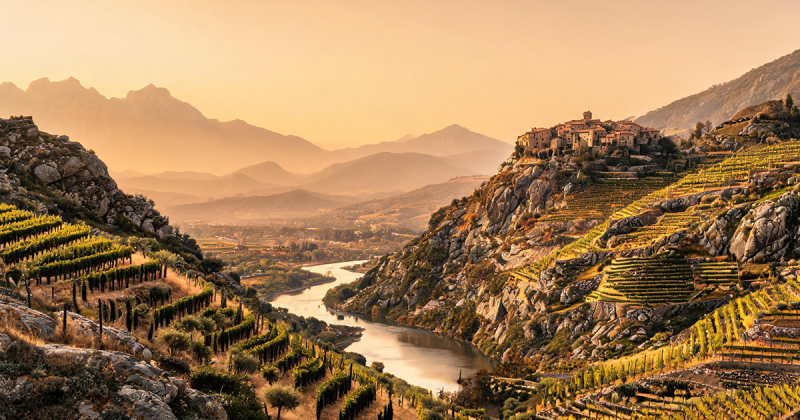
The Bandol amphitheater faces south toward the Mediterranean, with terraced vineyards climbing from sea level to 400 meters. Soils are limestone scree, sandy marl, and red clay. Maritime influence—sea breezes, reflected light, mild winters—is critical for Mourvèdre to reach full maturity.
Young Bandol is ferociously tannic—it makes Bordeaux seem gentle. But at 5-10 years, the wine reveals black cherry, leather, wild herbs, smoke, and game. At 15-20 years, the best Bandols achieve a haunting perfume closer to mature northern Rhône or old Nebbiolo than any other French red.
Bandol also makes structured, Mourvèdre-dominated rosé (the polar opposite of pale Côtes de Provence) and rare, Clairette-based whites.
Producers to know: Domaine Tempier (the reference, especially single-vineyard cuvées), Château de Pibarnon, Château Pradeaux, Domaine Dupuy de Lôme, Domaine de la Bastide Blanche, Domaine de la Tour du Bon, Domaine Gros Noré.
4.5 Cassis: The White Wine Exception
Cassis is tiny (200 hectares), perched between the white limestone cliffs of Cap Canaille and the Mediterranean. It’s Provence’s only appellation making more white wine than any other color—about 70% of production. The whites blend Marsanne, Clairette, Ugni Blanc and Rolle into savory, saline, almost briny wines that demand oysters or bouillabaisse. Clos Sainte Magdeleine, Domaine du Bagnol, Château de Fontcreûte are the benchmarks.
4.6 Palette: The Micro-Appellation That Defies Logic
Palette is 45 hectares. Forty-five. It’s one of France’s smallest AOCs, located just east of Aix-en-Provence, dominated by a single producer—Château Simone—which farms organically and makes reds, whites, and rosés from up to 25 permitted grape varieties. The reds can age 20+ years; the whites have an oxidative, Rancio-adjacent character. A wine geek’s paradise.
4.7 Bellet & Coteaux de Pierrevert
Bellet: A tiny appellation in the hills above Nice, making aromatic whites from Rolle and reds from Braquet and Folle Noire—grapes grown nowhere else. Coteaux de Pierrevert: Provence’s northernmost and highest appellation, near the Durance River, producing cool-climate Pinot Noir and Chardonnay alongside traditional Mediterranean varieties. Both are tiny, worth seeking out, and unlikely to appear at your local wine shop.
5. Wine Styles: Rosé, Red, White — The Three Faces of Provence
5.1 Rosé: The Signature Wine
Provence rosé is defined by what it’s not: sweet, dark, jammy, or made by the saignée method. The best Provence rosés are direct-press—grapes are pressed immediately after harvest, with minimal skin contact, producing pale-pink wines of delicacy, minerality, and freshness. The color ranges from barely-tinted to pale salmon. If it’s dark pink, it’s probably not Provence.
Quality tiers:
- Entry ($10-15): Simple, fruity, made for immediate drinking. Often cooperative or négociant wines. Fine for a pool.
- Estate ($18-30): The heart of Provence. Domaines like Château de Berne, Château Gassier, Château Sainte Marguerite, and Hecht & Bannier produce serious, estate-bottled rosé with regional character.
- Premium ($30-60): Domaines Ott (Château de Selle), Château d’Esclans Rock Angel, Clos Cibonne Tradition. These are gastronomic rosés with structure, complexity, and aging potential.
- Icon ($60-100+): Château d’Esclans Garrus, Château Simone rosé. Tiny production, barrel-fermented, built to age. Garrus created the category.
5.2 Red: Bandol & Beyond
Provence reds span the spectrum from light, chillable Cinsault to the monumental Mourvèdre-based reds of Bandol. The key categories:
- Coteaux Varois & Coteaux d’Aix reds ($15-25): Medium-bodied, bright, peppery Grenache-Syrah blends. Everyday Provençal reds.
- Les Baux-de-Provence reds ($25-50): More structured, organic/biodynamic, mineral-driven. Trévallon is the reference.
- Bandol rouge ($35-100): The pinnacle. Mourvèdre-driven, tannic when young, unfolding over decades. Entry-level Bandol (La Bastide Blanche, Tour du Bon) drinks well at 3-5 years. Top cuvées (Tempier Cabassaou, Pradeaux, Pibarnon) need 8-10+ years to show their best.
5.3 White: The Underrated Category
Provence whites are the region’s most underrated wines. Cassis whites are the reference point—saline, savory, mineral. Coteaux Varois whites (Rolle-based) offer surprising freshness and value ($12-18). Palette whites (Château Simone) are oxidative, complex, and age-worthy. The key to Provence whites: drink them with food. Without a plate of grilled fish, shellfish, or bouillabaisse, they can seem austere. With food, they make sense.
6. How to Buy Provence Wine: Price Tiers, Labels & Strategy
6.1 Price Tiers: What You Get at Each Level
| Price | What You Get | Wine Profile | Benchmark Wines |
| $8-15 | Entry-level Côtes de Provence rosé, cooperative wines, négociant labels | Simple, clean, fruity. Good for casual drinking but not representative of quality Provence. | Miraval Studio, AIX Rosé (wait for sale), Estandon |
| $15-25 | Estate-bottled Côtes de Provence rosé; entry-level Coteaux Varois and Coteaux d’Aix reds | The value sweet spot. Serious, estate-bottled rosé with regional character. Coteaux Varois reds are excellent value here. | Château de Berne, Commanderie de Peyrassol, Domaine de Triennes |
| $25-45 | Cru classé Côtes de Provence; entry Bandol rouge; Les Baux-de-Provence reds | The step up. Cru classé estates, structured rosés that age, entry-level Bandol that evolves. | Château Sainte Marguerite, Château Gassier, Domaine de la Tour du Bon (Bandol) |
| $45-80 | Top cru classé; mid-tier Bandol; cult rosé; Les Baux icons | Gastronomic wines with aging potential. The best Bandol values live here. | Domaines Ott, Domaine Tempier Bandol, Trévallon, Domaine Hauvette |
| $80-150 | Icon rosé; top Bandol single-vineyard cuvées; Château Simone | Collector territory. Garrus, Tempier Cabassaou, Pradeaux, Pibarnon. | Château d’Esclans Garrus, Tempier Cabassaou, Château Pradeaux |
| $150+ | Aged Bandol icons; Château Simone with 10+ years; Garrus magnums | Investment-grade. Mature Tempier, aged Pradeaux, Garrus in large format. | Mature Tempier, old-vintage Château Simone |
6.2 Smart Buying Strategies
- 1. Ignore the celebrity labels. Miraval (Pitt-Jolie) is not bad wine, but you’re paying a celebrity tax. Commanderie de Peyrassol at the same price is a better wine every time.
- 2. Buy the vintage, not just the region. 2021 was catastrophic for Provence rosé—many wines are thin and dilute. 2020 and 2022 are excellent. 2023 is generous and balanced. Check the bottle.
- 3. Backfill older Bandol. 2010, 2012, 2015 Tempier and Pradeaux are currently available at auction for less than current-release prices. Ten-year-old Bandol drinks better than three-year-old Bandol at the same cost.
- 4. Look for Coteaux Varois. The same grapes, grown higher and cooler, often sell for 30-40% less than Côtes de Provence of equivalent quality. The label doesn’t say “Côtes de Provence” and that’s the point.
- 5. Pale doesn’t mean better. The fashion for barely-tinted rosé has driven a market that sometimes values color over flavor. A slightly darker rosé from Bandol or a Tibouren-based wine has infinitely more character than a pale, filtered Côtes de Provence made to look good on Instagram.
- 6. Drink Provence rosé young—mostly. 95% of Provence rosé should be drunk within 2 years of vintage. Exceptions: Clos Cibonne (aged under flor), Domaines Ott (3-5 years), Garrus (5-8+ years). Bandol rosé can age 5-10+ years.
- 7. Don’t overlook the reds and whites. If you’re only buying rosé from Provence, you’re missing the region’s best-kept secrets—Bandol rouge, Cassis white, Palette white, and the organic reds of Les Baux.
7. Vintage Guide: A 22-Year Retrospective
Provence vintages are shaped by heat, the Mistral, and the timing of autumn rains—not unlike the southern Rhône. The difference: Provence’s rosé and white wines are far more sensitive to vintage variation than the reds. A hot vintage that produces glorious Bandol rouge can produce flabby, alcoholic rosé. A cool vintage that makes lean rosé can be ideal for structured Bandol. Always check the vintage, especially for rosé.
| Vintage | Score/10 | Character | Drink Window | Advice |
| 2023 | 8.5 | Warm, balanced, generous without excess. Excellent for rosé; good structure for reds. | Drink rosé now–2027; reds from 2028–2035+ | Buy rosé confidently; hold Bandol |
| 2022 | 9.0 | Hot, sunny, powerful. Superb for Bandol reds; rosés are ripe but balanced. One of the great recent vintages. | Drink rosé now–2026; reds from 2030–2040+ | Buy everything; top reds for cellaring |
| 2021 | 6.5 | Devastating spring frost. Smallest harvest in decades. Thin rosés; reds are lean. Buy cautiously. | Drink now | Skip unless from top producers |
| 2020 | 8.5 | Warm, sunny, excellent. Wines of concentration and freshness. Strong across all colors. | Drink rosé now–2026; reds from 2028–2038+ | Excellent across the board |
| 2019 | 8.5 | Hot summer, concentrated wines. Rosés are ripe but balanced; Bandol reds are powerful. | Drink rosé now; reds from 2027–2037+ | Top Bandol reds |
| 2018 | 8.0 | Warm, early harvest, generous. Rosés are forward and charming; reds are ripe and accessible. | Drink rosé now; reds from 2026–2035 | Good across the board; early-drinking reds |
| 2017 | 7.5 | Small crop, early harvest. Rosés are fresh but light; reds are elegant if lean. | Drink rosé now; reds from 2025–2032 | Selective buying |
| 2016 | 8.5 | Cool nights, slow ripening. Structured, mineral rosés; superb Bandol reds with great aging potential. | Drink rosé now–2025; reds from 2025–2040+ | Top Bandol reds; backfill if possible |
| 2015 | 9.0 | Hot, sunny, exceptional. One of the great Bandol vintages of the modern era. Rosés were rich but well-balanced. | Reds drinking well now–2035+ | Buy any Bandol rouge you can find |
| 2014 | 7.0 | Cool, wet, challenging. Rosés are lean; reds are light. Some good Bandol reds from top producers. | Drink now | Selective; top producers only |
| 2013 | 7.0 | Cool year, late harvest. Rosés are crisp and lean; reds are elegant but underpowered. | Drink now | Top producers only |
| 2012 | 8.0 | Difficult growing season but excellent autumn saved it. Structured Bandol reds with aging potential. | Reds drinking well now–2030+ | Good Bandol reds |
| 2011 | 7.5 | Warm, early. Rosés were ripe and forward; reds are pleasant but not for long aging. | Drink now | Good early-drinking vintage |
| 2010 | 9.0 | A classic. Powerful, structured wines across all colors. Bandol reds from 2010 are in their prime now. | Drink Bandol now; still fresh at 16 years | Buy back-vintage Bandol |
| 2009 | 8.5 | Rich, ripe, generous. Rosés were charming young; reds have aged beautifully. | Reds drinking now | Backfill aged Bandol |
| 2008 | 7.5 | Cool, late. Rosés were crisp; some good Bandol reds. | Drink now | Selective |
| 2007 | 8.0 | Sunny, early harvest. Generous wines; Bandol reds developing well. | Drink now | Aged Bandol still available |
| 2006 | 7.5 | Mixed year. Good results in Bandol; rosés were variable. | Drink now | Bandol from top producers |
| 2005 | 9.0 | Outstanding across southern France. Bandol reds are monumental. Still drinking superbly. | Drink or hold; at peak | Buy any you can find |
| 2004 | 7.0 | Cool, classic. Austere reds that have softened with age. | Drink now | Selective |
| 2003 | 7.5 | Record heatwave. Massive, atypical wines. Rosés were flabby; some Bandol reds exceptional. | Drink now | Top Bandol only |
| 2002 | 7.0 | Dilute year. Avoid unless from irreproachable producers. | Past peak | Skip |
8. Serving, Storing & Food Pairing
8.1 Temperature & Glassware
- Rosé: Serve at 8-10°C (46-50°F). Take it out of the fridge 15 minutes before serving. Ice-cold rosé tastes like nothing.
- Red (Bandol): Serve at 15-17°C (59-63°F). Young Bandol benefits from a 30-minute decant. Older Bandol needs no decanting—just careful pouring to avoid sediment.
- White (Cassis, Coteaux Varois): Serve at 10-12°C (50-54°F). Not too cold—the salinity and mineral character needs temperature to express.
- Glassware: A standard white wine glass is ideal for rosé. Bandol reds want a Bordeaux glass. Cassis whites shine in a smaller glass that focuses aromatics.
8.2 Food Pairing: The Mediterranean Table
Provence wines are food wines. They’re built for the Mediterranean table—olive oil, garlic, herbs, grilled fish, lamb, vegetables. If you’re drinking Provence wine without food, you’re missing half the experience.
- Côtes de Provence rosé: Salade niçoise, grilled sardines, pissaladière, ratatouille, charcuterie, goat cheese. The universal food wine.
- Bandol rosé: More structured than Côtes de Provence—pairs with grilled lamb chops, tuna steak, bouillabaisse, cassoulet.
- Bandol rouge (young): Daube provençale (beef stew), grilled lamb with herbs de Provence, duck breast. Decant it.
- Bandol rouge (aged 10+ years): Roast leg of lamb, wild mushroom dishes, aged Comté. Treat it like mature Bordeaux.
- Cassis white: Oysters, grilled sea bass, bouillabaisse, shellfish platter. This is the ultimate seafood white.
- Coteaux Varois red: Pizza, burgers, grilled sausages, pasta with meat sauce. The everyday Provençal red.
8.3 Storing Provence Wine
- Rosé: Drink within 1-2 years of vintage. Store in a cool, dark place. Do not cellar for long-term aging.
- Bandol rouge: Cellar at 12-14°C (54-57°F), 70% humidity. Prime drinking window: 8-20 years from vintage for top cuvées; 5-10 years for entry-level.
- Cassis & Palette whites: Palette whites can age 10-20+ years (Château Simone). Cassis whites are best within 3-5 years.
Frequently Asked Questions
Is Provence rosé always sweet?
No. This is the most persistent myth in wine. Almost all Provence rosé is bone dry (0-4 g/L residual sugar). The pale color and fruit aromatics can trick the brain into perceiving sweetness, but it’s an illusion. If you’re tasting sweetness, you’re either drinking White Zinfandel, Mateus, or a badly made commercial rosé—none of which are from Provence.
Is Bandol really worth aging 20 years?
The best ones, absolutely. Tempier’s single-vineyard cuvées (Cabassaou, La Migoua, La Tourtine) and Château Pradeaux are the reference points. At 15-20 years, the tannins dissolve into perfume, and the wine takes on an almost Burgundian elegance. Entry-level Bandol is usually best at 5-8 years. The trick is knowing which ones to age—ask your wine merchant, or buy Tempier and Pradeaux and forget about them for a decade.
Why is Provence rosé so pale?
Direct pressing. Unlike saignée rosé (where red wine juice is “bled off” after skin contact), Provence rosé is made by pressing grapes immediately after harvest, with minimal skin contact—typically 2-4 hours for the palest styles, up to 12-24 for the slightly more structured ones. Less skin contact = less color extraction = paler wine. But be warned: paleness is not a quality indicator. Some of Provence’s best rosés (Bandol, Tibouren-based) are distinctly darker.
Can rosé age?
Most cannot and should not. 95% of Provence rosé should be drunk within 2 years. But the exceptions are real: Clos Cibonne’s Tibouren-based rosés, aged under a thin layer of flor (like a dry sherry), develop complex, nutty, saline characters over 5-10+ years. Domaines Ott can improve for 3-5 years. Château d’Esclans Garrus, barrel-fermented from old-vine Grenache, can age 8-10+ years. Bandol rosé (Mourvèdre-based) can age 5-10+ years. These are the exceptions that prove the rule.
Is Château d’Esclans Garrus worth the price?
At $100+, you’re paying partly for the wine (which is excellent) and partly for the story (Sacha Lichine’s vision, old-vine Grenache, Burgundy winemaking techniques applied to rosé). Garrus created the “icon rosé” category. It’s a great wine. But at the same price, you can buy Domaine Tempier Bandol rouge and have one of the greatest red wine experiences in France. Your call.
What about organic and biodynamic Provence wine?
Provence is France’s leader in organic viticulture—over 35% of vineyard area is certified organic or in conversion, and the number is climbing fast. The Mistral does most of the disease-control work, making organic farming far less risky than in wetter regions like Bordeaux or Burgundy. Les Baux-de-Provence is the epicenter: virtually every producer there is organic or biodynamic. Look for the AB (Agriculture Biologique) and Demeter certifications on the label.
Should I visit Provence wine country?
Absolutely. The Côte d’Azur is 45 minutes from the Bandol and Cassis vineyards. Aix-en-Provence is a perfect base for Coteaux d’Aix and Sainte-Victoire. The Maures Massif (Côtes de Provence) is stunning—forest-covered hills plunging into the Mediterranean. Many estates offer tastings by appointment. Visit in September/October for harvest action without the summer crowds. Visit Bandol in late summer for the most dramatic Mediterranean vineyard scenery in France.

No comments yet