



Key Takeaways
Summary: Why Burgundy Mastery Matters
- Terroir Is Everything: Burgundy’s 1,247 climats encode a thousand years of observation about which tiny plots of land produce great wine. The classification system is a pyramid of place—Grand Cru, Premier Cru, Village, Regional—and quality rises with specificity.
- Two Grapes, Infinite Variation: Pinot Noir and Chardonnay account for over 95% of production. The magic is in how transparently they express terroir—the same grape, the same grower, but different soil, produces radically different wine.
- Producer Over Vineyard: A great Grand Cru vineyard in mediocre hands loses. A village wine from a master producer transcends. Knowing who to buy is the single most important skill in Burgundy.
- Five Sub-Regions, Five Personalities: Chablis (steely Chardonnay), Côte de Nuits (structured Pinot Noir), Côte de Beaune (benchmark white Burgundy), Côte Chalonnaise (honest value), and Mâconnais (sunny, generous whites).
- Vintage Volatility Is Real: Burgundy’s continental climate makes vintage variation more extreme than any other major region. Great producers transcend weak years, but vintage knowledge is essential for buying and cellaring.
- Premier Cru Is the Sweet Spot: The quality-to-price ratio peaks at Premier Cru level from top producers. These wines deliver Grand Cru complexity at accessible prices and are Burgundy’s most rewarding hunting ground.
1. Introduction to Burgundy
In 2018, a single bottle of Domaine de la Romanée-Conti 1945 sold at Sotheby’s for $558,000—the highest price ever paid for a bottle of wine. That price wasn’t just about rarity or age. It was the market’s verdict on a 1.8-hectare plot of limestone soil in Vosne-Romanée that monks had already identified as special in the 13th century.
Burgundy makes Bordeaux look simple. Where Bordeaux builds wines by blending grape varieties like an orchestra, Burgundy strips everything down to a single instrument—one grape, one plot, one vintage—and stakes everything on the transparency of terroir. That minimalist philosophy has produced both the most sublime and the most maddening wines on earth. A great Burgundy can reduce a room to silence. A mediocre one at the same price can feel like a personal insult.
Stretching roughly 230 kilometers from Chablis in the north to the Mâconnais in the south, Burgundy is geologically a mosaic: a Jurassic-era seabed that left behind layers of limestone marl, clay, and chalk in such intricate patterns that vineyards mere meters apart produce wines of entirely different character. This patchwork is codified in the climat system—1,247 named vineyard sites, each with its own history, soil profile, and microclimate. No other wine region has mapped its land with such obsessive precision, and no other region asks so much of the drinker: to pay attention not just to producer and vintage, but to the particular strip of hillside where the vines grow.
This guide covers every essential layer of Burgundy—from the chalky slopes of Chablis to the golden hillsides of the Côte d’Or, from village-level value to Grand Cru ambition. Whether you’re trying to decode a Burgundy label, build a cellar, or simply understand why some people spend a mortgage payment on fermented Pinot Noir, you’ll find the answers here.
2. The Terroir of Burgundy: Geology, Climate & the Climat System
Burgundy is a case study in how geology dictates greatness. The region’s backbone is the Côte d’Or escarpment—a limestone ridge formed during the Jurassic period when Burgundy lay beneath a shallow tropical sea. Over 150 million years, layers of marine sediment, coral, and fossilized oyster shells compressed into the limestone and marl soils that define Burgundy’s best vineyards. Where the slope angle, soil depth, and drainage align perfectly, the wines achieve a combination of power, finesse, and mineral precision that no other region replicates.
2.1 The Climat System: 1,247 Named Vineyards
Burgundy’s unique contribution to wine is the climat—a precisely delimited vineyard parcel with its own name, soil composition, exposure, and microclimate. In 2015, UNESCO designated the climats of Burgundy as a World Heritage Site, recognizing them as a cultural landscape shaped by a millennium of monastic viticulture.
Unlike Bordeaux’s château system—where a single estate owns contiguous vineyards around a physical building—Burgundy’s vineyards are fragmented. A single climat like Clos de Vougeot (50 hectares) may have 80 different owners, each vinifying their rows separately. This is why producer is paramount in Burgundy: the same climat in the hands of different winemakers can produce wines a world apart.
Key principles of the climat system:
- Slope position determines quality: The mid-slope (côteaux) gets optimal sun exposure and natural drainage. Grand Cru vineyards almost always occupy this sweet spot. The top of the slope is cooler, the bottom has deeper, richer soil—both produce distinct styles.
- Soil changes by the meter: In the Côte de Nuits, limestone dominates, giving red wines their structure, minerality, and ageability. In the Côte de Beaune, marl (clay-limestone mix) produces rounder, more generous wines. These transitions can happen within a single hillside.
- Exposure is everything: East and southeast-facing slopes capture morning sun, drying dew and ripening grapes evenly. A vineyard facing slightly north can produce a distinctly different wine from one facing due east—and command a different price.
2.2 Regional Climate & Sub-Regional Variation
Burgundy sits at a continental climate crossroads. Winters are cold and prolonged, springs are unpredictable with frost risk, and summers are warm but shorter than Bordeaux. This continental tension is what gives Burgundy its thrilling acidity and aromatic precision—but it’s also what makes vintage variation dramatic.
The region divides into five distinct sub-regions from north to south:
- Chablis: The northern outpost, closer to Champagne than the Côte d’Or. Kimmeridgian limestone soils rich in fossilized oyster shells impart a steely, saline minerality to Chardonnay. Cool climate produces razor-sharp acidity.
- Côte de Nuits: The northern half of the Côte d’Or, anchored by Gevrey-Chambertin, Chambolle-Musigny, and Vosne-Romanée. The spiritual home of Pinot Noir. Twenty-four of Burgundy’s 33 red Grand Cru vineyards are here.
- Côte de Beaune: The southern half of the Côte d’Or, centered on Beaune, Pommard, and Meursault. The heartland of white Burgundy—Montrachet, Corton-Charlemagne, Meursault Perrières. Some of the world’s greatest Chardonnay grows here.
- Côte Chalonnaise: A value-focused stretch south of the Côte de Beaune. Mercurey, Rully, and Givry produce honest, accessible Pinot Noir and Chardonnay at a fraction of Côte d’Or prices.
- Mâconnais: The southernmost region, warmer and more generous. Pouilly-Fuissé and Saint-Véran deliver rich, sun-kissed Chardonnay. The limestone here is younger and softer, producing rounder wines.
2.3 Key Soil Types
- Kimmeridgian Limestone (Chablis): Ancient seabed rich in fossilized Exogyra virgula oyster shells. Imparts intense minerality, flinty smokiness, and electric acidity to Chardonnay.
- Bathonian Limestone (Côte de Nuits): Hard, compact limestone from the Middle Jurassic. Drains fast, forces roots deep. Produces structured, aromatic, long-lived Pinot Noir with pronounced mineral backbone.
- Callovian Marl (Côte de Beaune): A mix of limestone and clay. More water-retentive, producing fleshier, more generous wines. Ideal for Chardonnay—Montrachet’s legendary richness comes from this soil.
- Argovian Marl (Côte Chalonnaise / Mâconnais): Denser, cooler clay-limestone. Produces accessible, fruit-forward wines with softer structure.
3. The Grapes of Burgundy: Pinot Noir, Chardonnay & Companions
Burgundy is essentially a two-grape region, and its greatness lies in this focus. Pinot Noir and Chardonnay account for over 95% of all plantings. A small amount of Aligoté and Gamay round out the picture, but make no mistake: Burgundy is where Pinot Noir and Chardonnay reach their Platonic ideal.
3.1 Pinot Noir
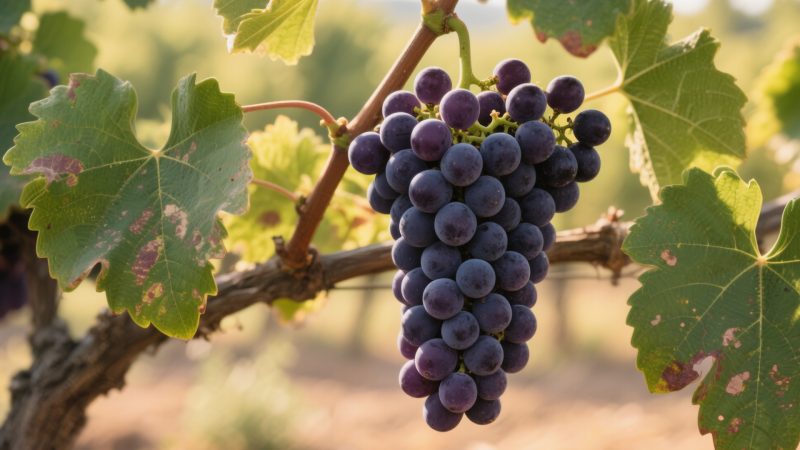
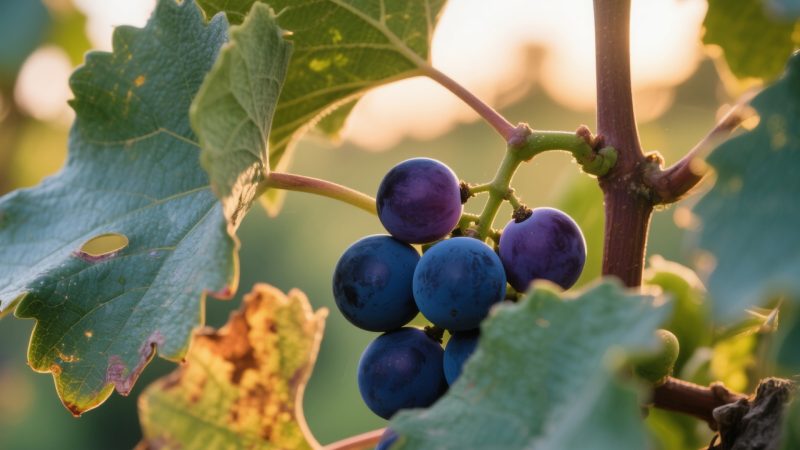
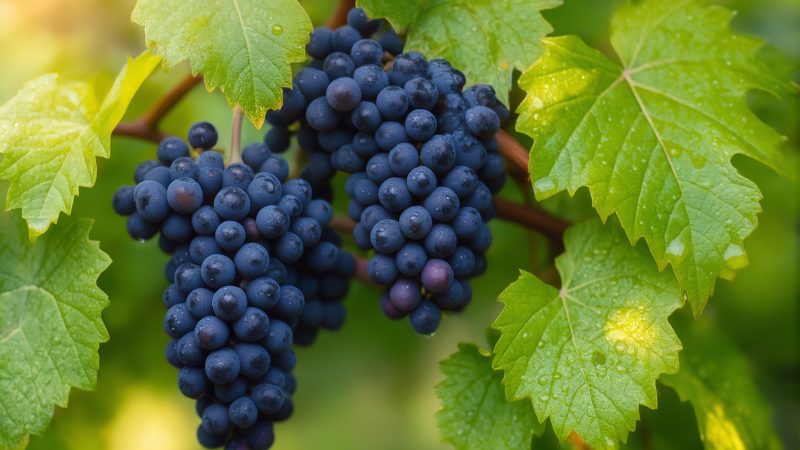
Pinot Noir is the prima donna of wine grapes—thin-skinned, temperamental, prone to disease, sensitive to every fluctuation of weather. It demands exactly the right conditions and punishes anything less. But when it succeeds, it produces wines of ethereal perfume, silken texture, and haunting complexity that no other red grape can match.
In Burgundy, Pinot Noir expresses terroir with forensic precision. The same grower, the same winemaking, the same vintage—but grapes from Vosne-Romanée versus Gevrey-Chambertin will taste entirely different. Vosne leans toward spice, violets, and sensuous texture. Gevrey is darker, more structured, with a wild, animal edge. Chambolle is all finesse: rose petal, red cherry, lace-like tannins. This is the grape that makes the climat system not just relevant but essential.
Flavor spectrum by commune:
- Gevrey-Chambertin: Dark cherry, underbrush, iron, game. The most muscular, structured Pinot in Burgundy.
- Chambolle-Musigny: Red cherry, rose petal, violet, orange zest. Ethereal, perfumed, delicate—the “feminine” archetype.
- Vosne-Romanée: Black raspberry, exotic spice, sandalwood, truffle. The most complete Pinot—power and perfume in balance.
- Nuits-Saint-Georges: Black fruit, earth, leather, firm tannin. Dark, savory, built for cellaring.
- Pommard: Black cherry, iron, dried herbs. Rustic, tannic, uncompromising—the “iron fist.”
- Volnay: Red berry, violet, silky texture. Pommard’s elegant neighbor—the “velvet glove.”
3.2 Chardonnay
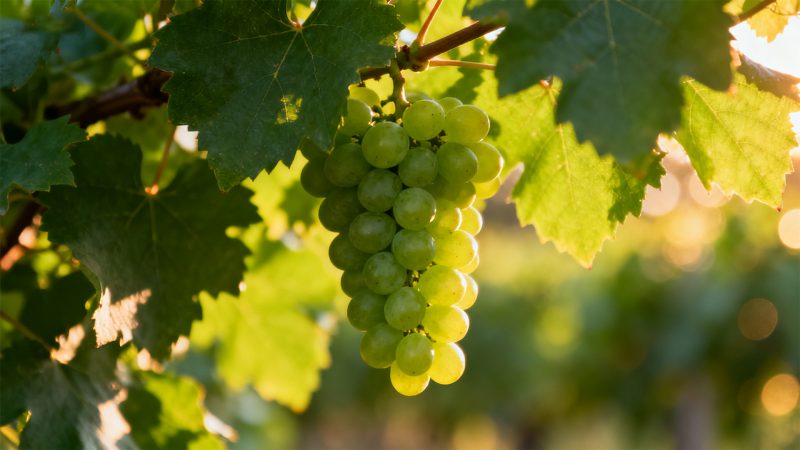
Chardonnay is Burgundy’s other pole star. It’s the most versatile white grape on earth—capable of lean, steely precision in Chablis and lavish, honeyed opulence in Meursault—but it returns its greatest dividends when it’s grown on limestone and handled with restraint.
Burgundy Chardonnay is defined by the tension between richness and acidity. Unlike many New World Chardonnays that rely on overt oak and butteriness, white Burgundy gets its complexity from minerality, lees aging, and precise use of French oak. A great Meursault or Puligny-Montrachet doesn’t taste like oak—it tastes like stone, smoke, hazelnut, and white flowers, with a texture that coats the palate without ever feeling heavy.
Flavor spectrum by commune:
- Chablis: Green apple, lemon zest, wet stone, oyster shell. Lean, electric, unoaked (mostly). The purest expression of Chardonnay’s mineral soul.
- Meursault: Toasted hazelnut, butter, yellow apple, honeycomb. Rich, generous, unmistakably Burgundian—the benchmark for opulent white Burgundy.
- Puligny-Montrachet: White flowers, citrus oil, struck flint, almond. Chiseled, precise, aristocratic. The “Chambolle of white Burgundy.”
- Chassagne-Montrachet: Ripe pear, spice, toast, earth. Fuller-bodied than Puligny, with a savory, structured edge.
- Pouilly-Fuissé: Peach, tropical fruit, toasted bread, honey. The Mâconnais at its best—sunny, generous, and a fraction of Côte de Beaune prices.
3.3 Supporting Grapes
- Aligoté: Burgundy’s “other” white grape, planted on cooler, higher sites. Crisp, lemony, herbaceous. Best known as the base for the Kir cocktail (Aligoté + crème de cassis). Bouzeron is the only village-level AOC for Aligoté.
- Gamay: Technically Beaujolais’ grape, but planted in small quantities in the Mâconnais and Côte Chalonnaise. Produces light, juicy reds for early drinking. Burgundy’s regional appellation Bourgogne Passetoutgrains blends Gamay with Pinot Noir.
4. Burgundy Wine Styles by Sub-Region
4.1 Chablis: The Purity of Kimmeridgian
Chablis is Chardonnay stripped to its skeleton. The cold northern climate and Kimmeridgian limestone soils produce wines of searing acidity, pronounced salinity, and a flinty, almost smoky minerality. Most Chablis sees little to no oak—the fruit and soil speak without amplification.
Four quality levels ascend from Petit Chablis (lighter, early-drinking) through Chablis and Chablis Premier Cru to Chablis Grand Cru (seven climats on a single southwest-facing slope). The Grand Crus—Les Clos, Vaudésir, Valmur, Blanchot, Bougros, Preuses, and Grenouilles—represent Chardonnay at its most mineral, age-worthy extreme. A great Chablis Grand Cru can age 15–25 years, evolving from citrus and oyster shell into honey, truffle, and wet wool.
4.2 Côte de Nuits: The Cathedral of Pinot Noir
If Pinot Noir has a holy land, it’s the Côte de Nuits. A 20-kilometer ribbon of east-facing limestone slope between Dijon and Nuits-Saint-Georges produces all but one of Burgundy’s red Grand Crus. The wines are defined by structure, aromatic complexity, and extraordinary longevity.
The Côte de Nuits is a succession of villages, each with a distinct personality: Gevrey-Chambertin is powerful and meaty, Morey-Saint-Denis is earthier and more rustic, Chambolle-Musigny is ethereal and perfumed, Vougeot is anchored by the vast Clos de Vougeot, Vosne-Romanée is the pinnacle of completeness, and Nuits-Saint-Georges is dark, savory, and built for the long haul. A mature Vosne-Romanée Premier Cru can be one of the most profound sensory experiences in wine—layered, ever-changing in the glass, with a finish that lingers for minutes.
4.3 Côte de Beaune: The White Wine Throne
The Côte de Beaune is Burgundy’s white wine capital. From the northern communes of Aloxe-Corton and Pernand-Vergelesses through the golden triangle of Meursault, Puligny-Montrachet, and Chassagne-Montrachet, this is where Chardonnay achieves its most complete expression.
The Montrachet Grand Cru—shared between Puligny and Chassagne—is arguably the world’s greatest dry white wine. At its best, it combines power, finesse, minerality, and an almost supernatural ability to age. Young Montrachet is often tight and ungiving; at 10–15 years, it unfurls into a kaleidoscope of hazelnut, acacia honey, truffle, and liquid stone. The reds of the Côte de Beaune—notably Pommard and Volnay—offer a more approachable, fruit-driven counterpoint to the Côte de Nuits, though the best Volnay Premier Crus can rival their northern neighbors in complexity.
4.4 Côte Chalonnaise & Mâconnais: Value Hunting Ground
South of the Côte de Beaune, the landscape opens up, prices drop, and Burgundy becomes accessible. The Côte Chalonnaise (Mercurey, Rully, Givry, Montagny) produces honest, well-made Pinot Noir and Chardonnay at $20–$40. These are not wines for the cellar, but for Tuesday dinner—and they deliver unmistakable Burgundy character without the mortgage.
Further south, the Mâconnais is Chardonnay country. Pouilly-Fuissé, Saint-Véran, and Viré-Clessé produce rich, sun-drenched whites with ripe orchard fruit, a touch of honey, and a creamy texture that’s pure pleasure. Pouilly-Fuissé finally received its own Premier Cru classification in 2020, recognizing 22 climats of exceptional quality—the Mâconnais is no longer Burgundy’s afterthought.
5. Burgundy Classification: The Pyramid of Place
Burgundy’s classification system is a pyramid—or more accurately, a hillside. The principle is simple: the best vineyards sit mid-slope, and quality rises with specificity. Unlike Bordeaux, which classifies châteaux (producers), Burgundy classifies the land itself. A Grand Cru vineyard remains Grand Cru regardless of who owns or farms it. This terroir-first philosophy is both Burgundy’s genius and its trap: the vineyard name sets expectations, but the producer determines whether those expectations are met.
5.1 The Four-Tier Pyramid
| Tier | Label Wording | What It Means | % of Production | Price Range |
| Grand Cru | “[Vineyard Name] Grand Cru” | The apex. 33 vineyards, each an AOC unto itself. Only the vineyard name appears on the label—no village name. Represents the absolute best growing sites. | < 1% | $150–$25,000+ |
| Premier Cru | “[Village] 1er Cru” + vineyard name | 562 climats of exceptional quality. The village name plus the vineyard name appear on the label (e.g., Chambolle-Musigny 1er Cru Les Amoureuses). | ~10% | $50–$3,000 |
| Village | “[Village name]” | Wines from a single commune (e.g., Gevrey-Chambertin, Meursault). Blends from multiple village-level vineyards. The entry point for named Burgundy. | ~37% | $25–$200 |
| Regional | “Bourgogne” + optional sub-name | Grapes from anywhere in Burgundy. Quality has risen dramatically as top producers declassify fruit into regional wines during weak vintages. | ~52% | $15–$50 |
5.2 The Grand Cru Hierarchy in Practice
Not all Grand Crus are equal. Within the 33 red and white Grand Cru vineyards, a de facto hierarchy exists that the official system doesn’t acknowledge but the market enforces ruthlessly:
- The Pantheon: Romanée-Conti, La Tâche, La Romanée, Richebourg, Romanée-Saint-Vivant (all Vosne-Romanée), Musigny, Chambertin, Clos de Bèze, Montrachet. These nine sites command prices that defy logic and wines that sometimes justify them.
- The Elite: Grands Échezeaux, Bonnes-Mares, Clos de Vougeot (from top producers), Charmes-Chambertin, Corton-Charlemagne, Chevalier-Montrachet, Bâtard-Montrachet. World-class wines that trade at a meaningful discount to the Pantheon.
- The Value Grand Crus: Corton (red), Clos de la Roche, Clos Saint-Denis, Échezeaux. These can deliver Grand Cru complexity at Premier Cru prices—if you know the right producers. Corton red, in particular, is Burgundy’s most accessible Grand Cru, with prices starting around $100–$150 from strong domaines.
5.3 The Producer Is the Message
The classification system tells you where the grapes grew. It doesn’t tell you who made the wine—and in Burgundy, who matters as much as where. A village-level Gevrey-Chambertin from Domaine Armand Rousseau can easily outperform a Grand Cru from a mediocre producer.
The best producers are obsessive about vineyard work, harvest at low yields, sort ruthlessly, and intervene minimally in the cellar. Their wines show transparency: you taste the vineyard, not the winemaking. The worst producers over-crop, over-extract, over-oak, and produce wines that taste of technique rather than place.
This is why Burgundy demands homework. In Bordeaux, you can buy by classification with reasonable confidence. In Burgundy, you must know the producer. A shortlist of reference-point domaines by commune:
| Commune | Top Producers | Style Signature |
| Chablis | François Raveneau, Dauvissat | Raveneau: power and ageability. Dauvissat: precision, oyster-shell minerality. |
| Gevrey-Chambertin | Armand Rousseau, Denis Mortet | Rousseau: archetypal Gevrey—dark, structured, profound. Mortet: modern richness with classic bones. |
| Chambolle-Musigny | Georges Roumier, J-F Mugnier | Roumier: the gold standard—ethereal, haunting. Mugnier: silken elegance, perfume, poetry. |
| Vosne-Romanée | DRC, Leroy, Sylvain Cathiard | DRC: the pinnacle. Leroy: opulent, exotic, dizzying. Cathiard: precision, purity, spice. |
| Morey-Saint-Denis | Dujac, Ponsot | Dujac: whole-cluster aromatic complexity. Ponsot: powerful, uncompromising, long-lived. |
| Meursault | Coche-Dury, Roulot | Coche-Dury: the holy grail—intensity, reduction, legendary ageability. Roulot: tension, cut, crystalline purity. |
| Puligny-Montrachet | Leflaive, Carillon | Leflaive: the benchmark—floral, precise, mineral. Carillon: pure, chiseled, outstanding value. |
| Pommard / Volnay | de Montille, Marquis d’Angerville | de Montille: structured, age-worthy Volnay. d’Angerville: the Volnay reference—perfume and finesse. |
6. How to Buy Burgundy: A Practical Guide
6.1 Decoding a Burgundy Label
Burgundy labels are famously minimalist—and famously intimidating. Here’s what to look for, in order of importance:
- Producer name: Usually the most prominent text. This is your single most important piece of information. A great producer makes even humble wines sing.
- Vineyard designation: Grand Cru wines show only the vineyard name (e.g., “Chambertin Grand Cru”). Premier Cru wines show village + Premier Cru + optional vineyard name. Village wines show only the commune.
- Vintage year: Matters enormously in Burgundy. A weak-vintage wine from a great producer can still be excellent, but the same wine from a lesser producer may fall flat.
- Mis en bouteille au domaine: Estate-bottled. The gold standard—the grower made and bottled the wine. “Mis en bouteille par…” means bottled by a négociant (merchant), which is common and not inherently negative.
- Alcohol level: A useful tell. In cooler vintages, Burgundy can struggle to reach 13%. In warm vintages, 14%+ is common. Neither is inherently better, but the number helps calibrate expectations about body and ripeness.
6.2 Price Tiers: What You Get at Each Level
- Under $30: Bourgogne Rouge / Blanc, Bourgogne Côte d’Or, Mâcon-Villages, Petit Chablis. Affordable honesty. Look for Bourgogne-level wines from top producers who declassify fruit from village vineyards—these can be extraordinary values.
- $30–$60: Côte Chalonnaise (Mercurey, Rully), village-level Côte de Beaune, Chablis Premier Cru (from lesser-known climats), Pouilly-Fuissé. The quality step-up is real here. Mercurey from a strong producer drinks like village-level Côte de Nuits at half the cost.
- $60–$150: Village wines from top Côte de Nuits communes (Gevrey, Chambolle, Vosne), entry-level Premier Crus, top producers’ Bourgogne Blanc, Chablis Grand Cru. This is Burgundy’s quality sweet spot for serious drinking.
- $150–$500: Premier Crus from top vineyards (Les Amoureuses, Les Saint-Georges, Les Perrières), entry-level Grand Crus from lesser producers, top Meursault and Puligny Premier Crus. Where the magic starts to happen—and where producer knowledge becomes non-negotiable.
- $500–$2,000: Grand Crus from respected producers, top Premier Crus from elite domaines. At this level, you’re buying wines that should age 15–30+ years.
- $2,000+: The Pantheon: DRC, Leroy, Roumier, Coche-Dury Grand Crus. These are not wines; they are cultural artifacts. The market treats them accordingly.
6.3 Smart Buying Strategies
- Follow the producer, not the vineyard. A Bourgogne Rouge from a great domaine often outperforms a Premier Cru from a mediocre one. Build a mental list of 15–20 trusted producers and buy across their range.
- The négociant renaissance is real. Négociants used to mean “bulk wine, bottled cheap.” Today, elite négociants like Lucien Le Moine, Benjamin Leroux, and Pierre-Yves Colin-Morey purchase grapes from top vineyards and make wines that rival domaines in quality—often at lower prices.
- Buy “lesser” vintages from great producers. A 2014 village Gevrey from Rousseau will give more pleasure than a 2019 Grand Cru from a forgettable producer. Great winemakers transcend vintage.
- Explore the Côte Chalonnaise and Mâconnais. Mercurey, Givry, Rully, Pouilly-Fuissé, and Saint-Véran deliver real Burgundy character for a fraction of Côte d’Or prices. These are Burgundy’s most underpriced wines.
- Provenance is non-negotiable. Burgundy is fragile. Heat damage, poor storage, and counterfeit bottles are endemic at the high end. Buy from reputable merchants with temperature-controlled storage. If a price seems too good to be true, it is.
- Premier Cru is the value sweet spot. The quality gap between a great Premier Cru and an entry-level Grand Cru is often narrower than the price gap suggests. Top Premier Crus from great producers deliver 90% of the Grand Cru experience at 30–50% of the price.
7. Vintage Variation in Burgundy
Vintage variation in Burgundy is more pronounced than in any other major wine region. The combination of a continental climate, a temperamental grape (Pinot Noir), and small production volumes means that each year tells a radically different story.
7.1 Understanding Burgundy Vintages
Since 2015, Burgundy has enjoyed a historically unprecedented run of warm, successful vintages—a pattern that has reshaped the region’s style. The lean, austere Burgundy of the 1970s and 1980s has given way to riper, more generous wines. But even within this warm streak, each vintage has a distinct personality:
- 2015: Powerful, dense, warm. Rich, ripe fruit with solid structure. A “solar” vintage that divided opinion—some wines lack freshness. Drink or hold.
- 2016: Devastating spring frost cut yields by 50%+ in some areas. The wines that survived are pure, precise, and classically proportioned—a triumph of quality over quantity. Drinking beautifully now.
- 2017: Generous crop, early harvest. Open, charming, fruit-driven wines with soft tannins. Approachable young; not for extended cellaring.
- 2018: Record heat. Wines are ripe, full-bodied, occasionally overblown. The best producers made opulent, hedonistic wines. The lesser producers made jam. Choose carefully.
- 2019: A near-perfect balance of ripeness and freshness. Concentration without heaviness. Broadly outstanding across reds and whites. A cellar-defining vintage.
- 2020: Another warm, early year. Ripe, rich, powerful wines with moderate acidity. Early charm; the best examples have surprising freshness. Reds outshine whites.
- 2021: The coolest vintage since 2014. Devastating spring frost again. The wines are lean, tense, classically proportioned—a return to old-school Burgundy. Whites are brilliant; reds need patience.
- 2022: Hot and dry but with well-timed August rain. Generous, ripe, balanced wines. Both colors successful. Early appeal with aging potential for top wines.
7.2 How Vintage Affects Buying and Cellaring
In warm vintages (2015, 2018, 2020), buy wines with strong natural acidity—typically from higher-altitude sites or cooler communes like Chambolle-Musigny. These will age more gracefully. In cool vintages (2016, 2021), the wines have built-in freshness and will reward patience. In balanced vintages (2019, 2022), buy widely and confidently—these are the years that build legendary cellars.
Rule of thumb: red Burgundy enters its drinking window at roughly 8–12 years in good vintages, 5–8 years in lighter vintages. Grand Cru reds often need 15–20 years minimum. White Burgundy drinks well at 3–8 years for village and Premier Cru, 8–20 years for Grand Cru. Premature oxidation (premox) in white Burgundy is a real risk, particularly from the 1996–2010 period, though improved closure technology has reduced the problem since 2015.
Frequently Asked Questions
Q1: What makes Burgundy different from Bordeaux?
Burgundy and Bordeaux are opposites in philosophy. Burgundy is a single-grape region (Pinot Noir for reds, Chardonnay for whites), organized by vineyard classification. Bordeaux blends multiple grapes and classifies châteaux (estates). Burgundy is much smaller (about 30,000 hectares versus Bordeaux’s 110,000), more fragmented, and generally more expensive at equivalent quality levels. Burgundy’s climate is continental (cold winters, shorter growing season), while Bordeaux is maritime.
Q2: Why is Burgundy so expensive?
Four reasons: (1) Tiny production—many Grand Crus produce fewer than 500 cases per year. (2) Fragmented ownership—a single vineyard may have 50+ owners, so no one can achieve economies of scale. (3) Global demand concentrated on a handful of famous names. (4) The best vineyards were identified centuries ago and cannot be expanded. Supply is fixed; demand grows annually.
Q3: What is the difference between Domaine and Maison?
A Domaine owns vineyards and makes wine from its own grapes. A Maison (négociant) purchases grapes, must, or finished wine from growers and bottles it under its own label. Many top producers operate as both—domaine for their estate vineyards, négociant for wines from purchased fruit. Historically, domaine wines commanded a premium, but elite négociants have largely closed that gap.
Q4: How long should I age Burgundy?
Red Burgundy: Village wines 5–10 years, Premier Cru 8–15 years, Grand Cru 15–30+ years. White Burgundy: Village wines 3–7 years, Premier Cru 5–12 years, Grand Cru 8–20 years. Chablis ages longer: Grand Cru Chablis peaks at 12–25 years. These are guidelines; producer, vintage, and storage conditions all affect optimal drinking windows.
Q5: What is “premox” and should I worry about it?
Premature oxidation (premox) is a flaw affecting some white Burgundy where the wine oxidizes years before it should. It was particularly problematic in vintages from 1996–2010. The cause is debated but linked to low sulfur use, bottling practices, and closure issues. The problem has diminished significantly since 2015 as producers have adjusted protocols. Buy white Burgundy from reputable merchants with temperature-controlled storage and drink younger rather than hoarding indefinitely.
Q6: What are the best value Burgundy wines?
The Côte Chalonnaise (Mercurey, Rully, Givry) and the Mâconnais (Pouilly-Fuissé, Saint-Véran) offer the best quality-to-price ratio. Bourgogne-level wines from top producers (Rouge or Blanc) can be outstanding values—these are often declassified fruit from village vineyards. For reds, look to lesser-known Côte de Beaune communes like Savigny-lès-Beaune, Santenay, and Auxey-Duresses. For whites, Saint-Aubin and Saint-Romain are undervalued alternatives to Meursault and Puligny.
Q7: Is it worth buying Burgundy en primeur (as futures)?
For most consumers, no. Burgundy en primeur offers less discount than Bordeaux futures, and allocation access for top wines is extremely limited. The money is better spent on back-vintage wines with known provenance. The exception: if you have a direct allocation from a top producer and want to secure bottles that will otherwise be unattainable on release.
Q8: How do I start a Burgundy collection?
Start with education, not acquisition. Taste widely across communes to understand your preferences. Then: (1) Build a core of village and Premier Cru wines from 8–12 trusted producers. (2) Add Premier Crus from top vineyards as you identify favorite communes. (3) Only then consider Grand Cru—and only from producers you know well. Burgundy rewards patience, research, and a willingness to drink a lot of village wine before reaching for the stars.

No comments yet