Name & International Aliases
Viognier is the universally recognized official varietal name, commercially consistent across global wine markets. In Chinese wine regions, it is known as 维欧尼. It carries rare historic Old World synonyms including Bergeron and Rebolot, which only appear in traditional French viticulture archives and are not used for modern retail labeling. Unlike frequently rebranded grapes, Viognier maintains a single stable market identity worldwide.
1. Vineyard Story & Terroir Character
Few wine grapes carry a comeback story as striking as Viognier. By the late 1960s, this iconic Northern Rhône variety was on the verge of total disappearance, with fewer than 15 hectares of surviving old vines scattered across Condrieu’s steep granite slopes. Local growers once avoided cultivating it due to its stubbornly low yields, fragile vine behavior, and high disease sensitivity, which made it far less reliable than mainstream white varieties. Decades of intentional preservation and refined viticulture by Rhône winemakers revived the grape from near extinction. Today, Viognier stands out as a luxury aromatic white, famous for unmatchable jasmine-forward perfume, silky viscosity, and a rare ability to deliver rich texture without heavy sweetness — a signature trait easily identified in professional blind tastings.
2. Origin & History
Viognier boasts over 2,000 years of viticultural history, tracing back to Roman cultivation in France’s Northern Rhône Valley. Historical records suggest the variety was transported from Croatia’s Dalmatian coast during Emperor Probus’s reign, rooting firmly in two exclusive appellations: Condrieu and Château-Grillet. Genetic studies confirm distant familial ties with Syrah and Nebbiolo, explaining its natural adaptation to sun-exposed, steep slope terroirs.
The grape flourished through medieval times but suffered catastrophic decline after the phylloxera epidemic and industrial-era vineyard restructuring. Low crop rates and unpredictable growth pushed Viognier to the brink of extinction until the 1980s, when quality-focused producers restored ancient vineyards and standardized winemaking protocols. Its distinctive aromatic profile quickly gained global traction, leading to controlled plantings across North America, Australia, and Southern Europe, while its most prestigious expressions remain exclusive to its native Rhône terroir.
3. Viticulture Characteristics
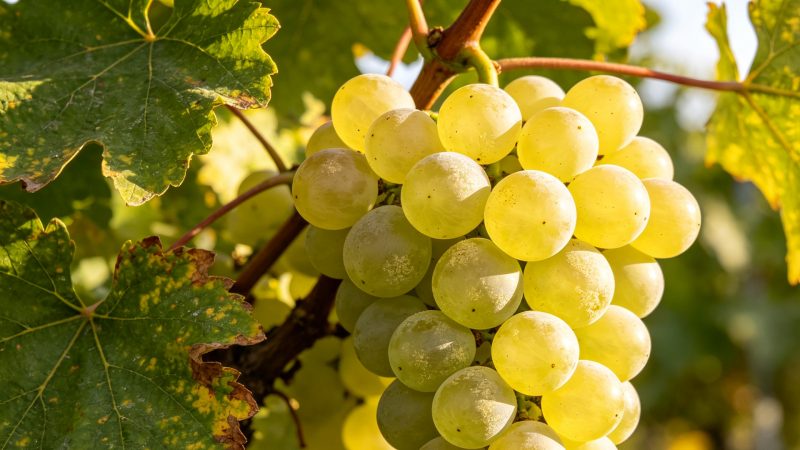
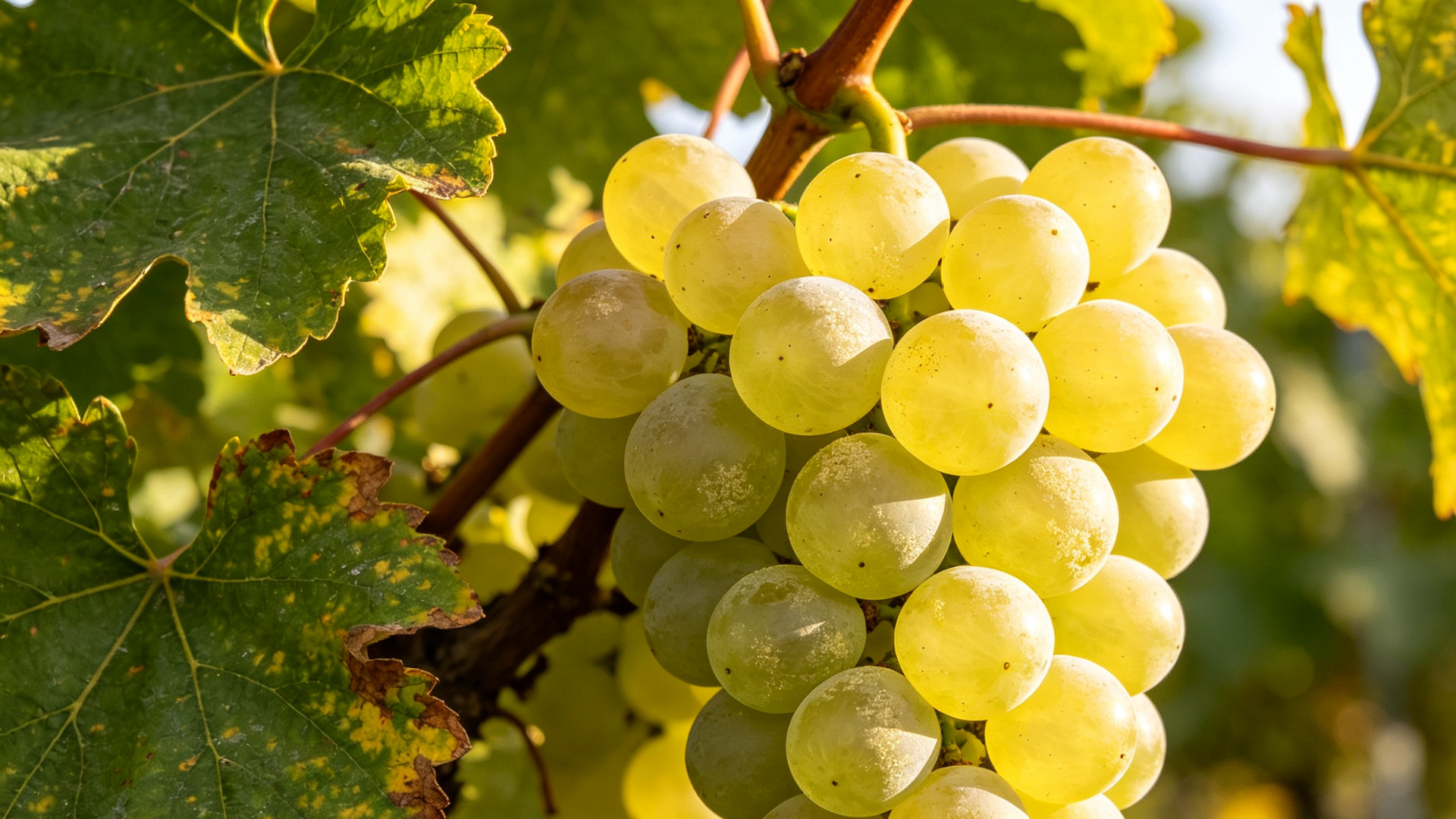
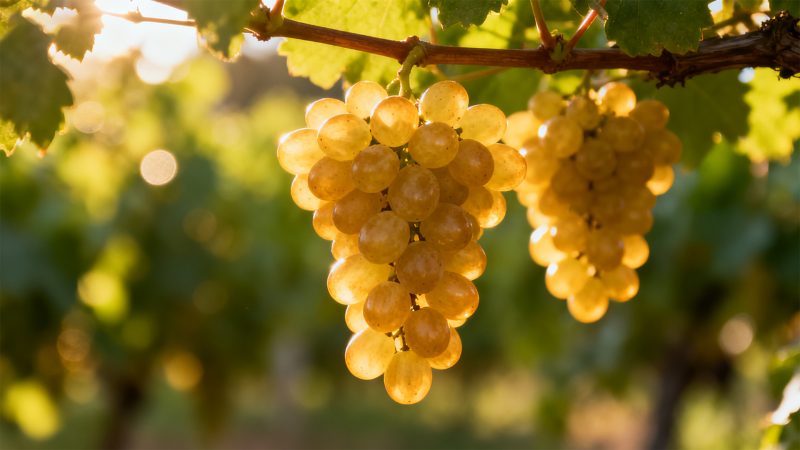
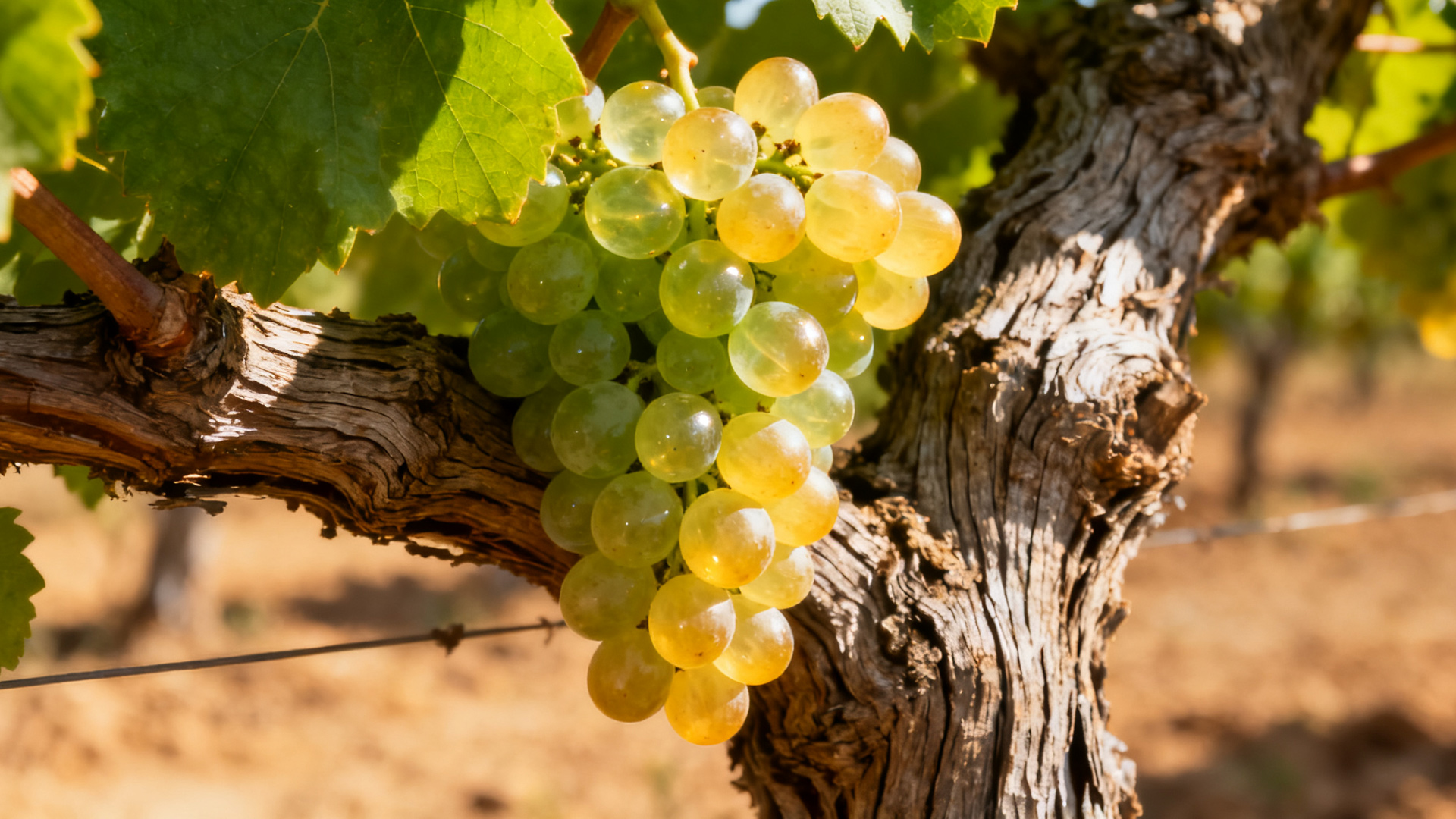
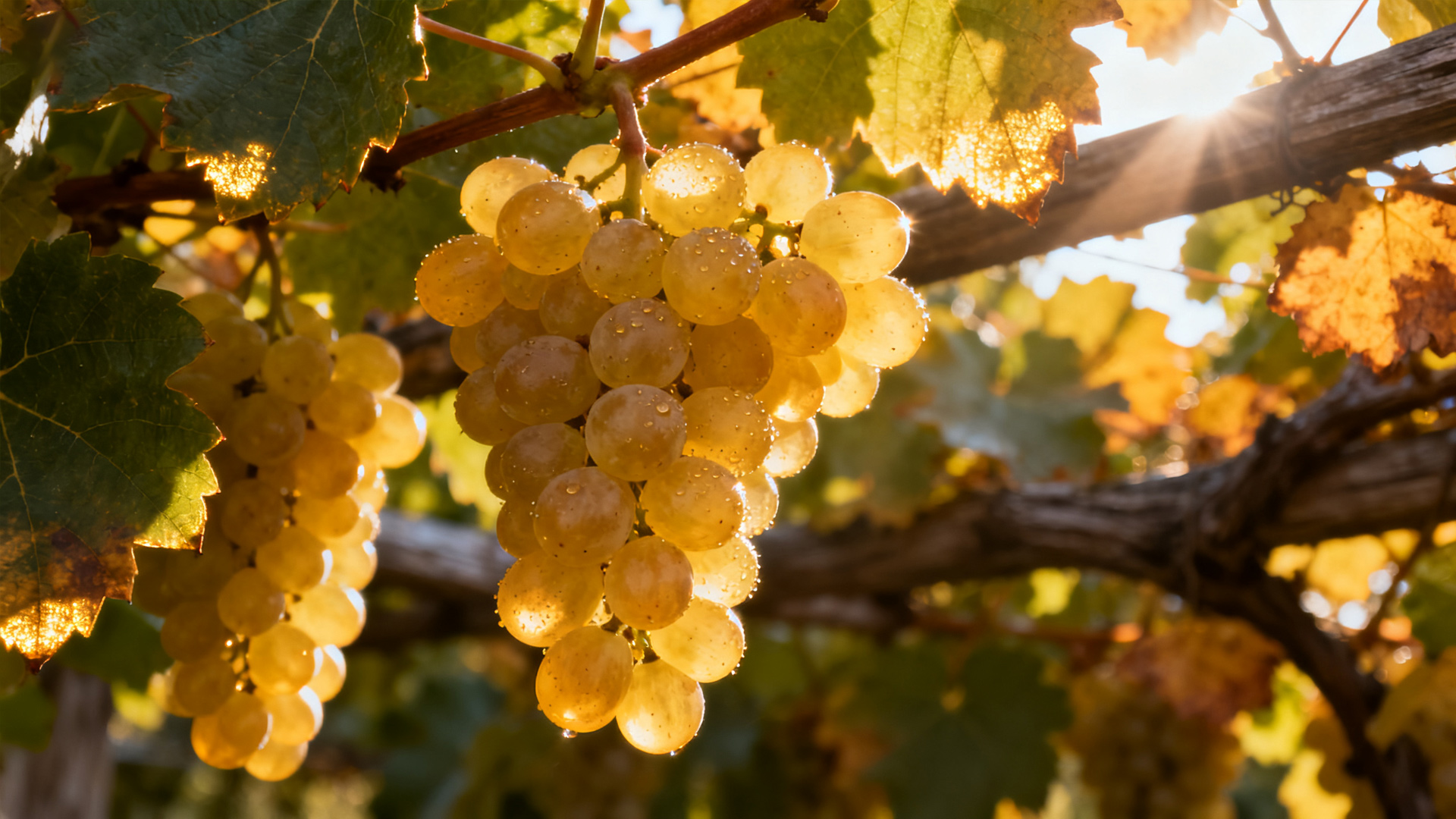
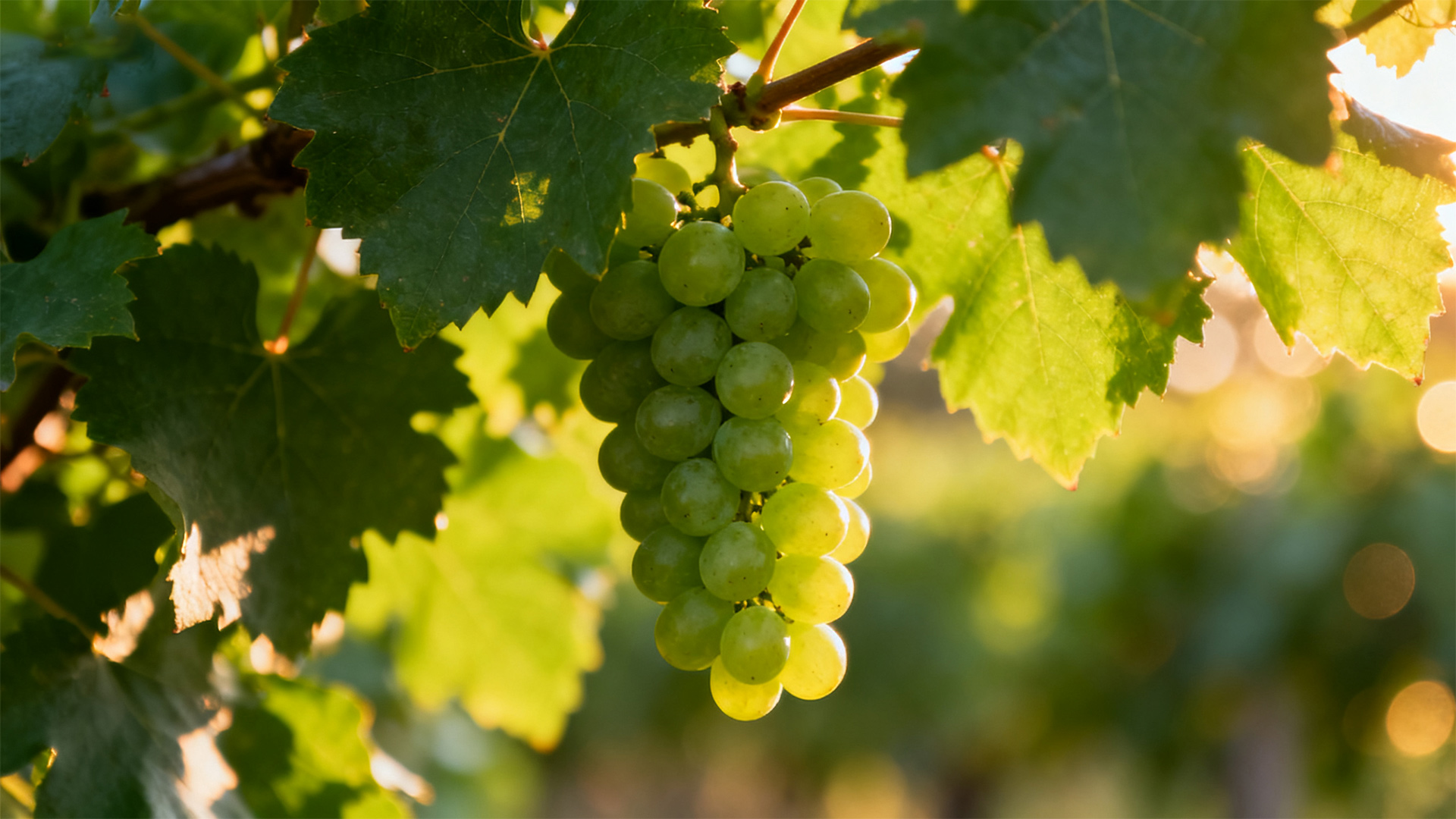
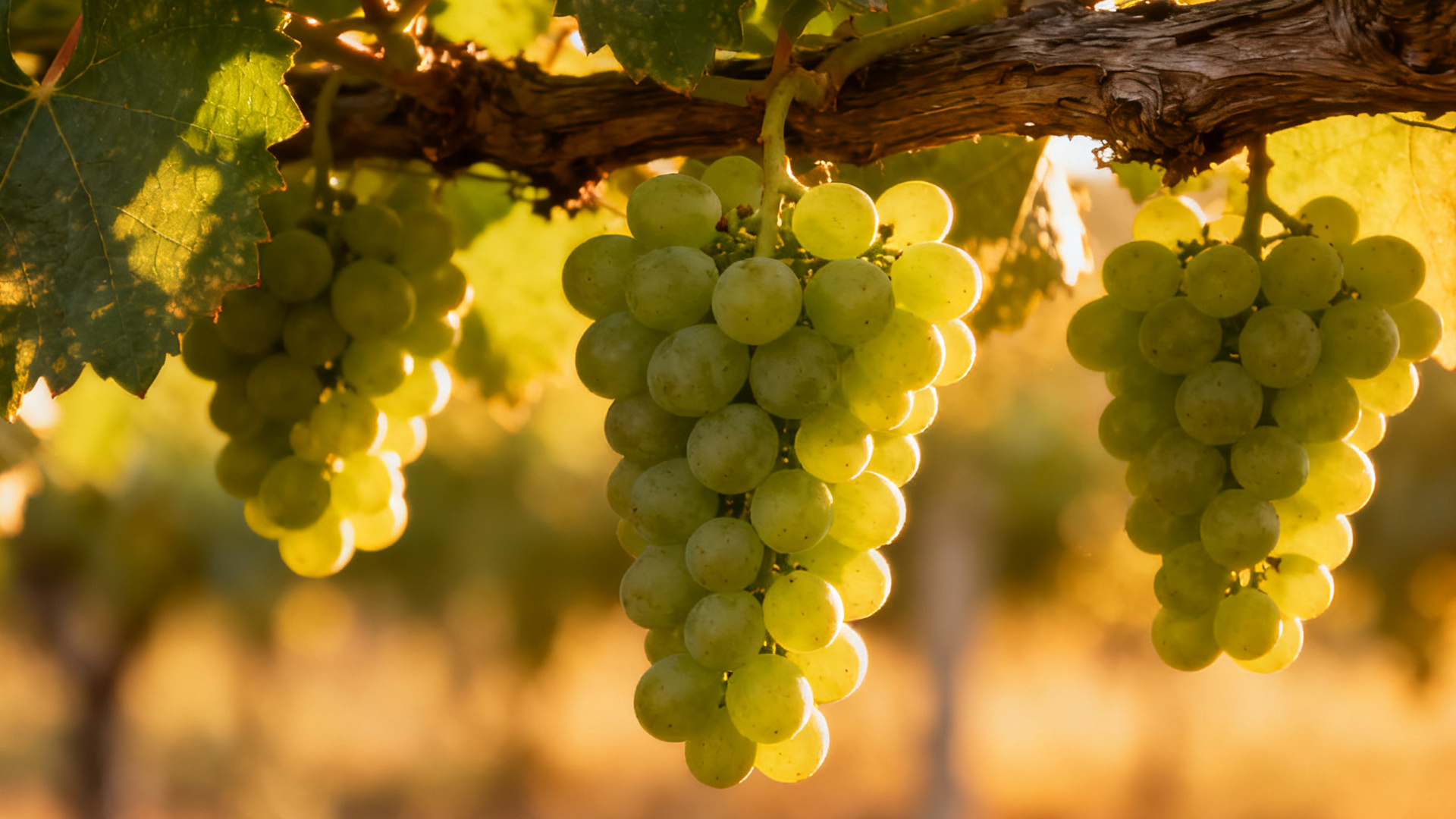
Viognier is a finicky, late-ripening white variety defined by low natural vigor and limited yields, the core reason for its historical rarity and premium market positioning. It grows small, compact, thick-skinned berry clusters that trap concentrated aromatic compounds, forming the foundation of its signature floral richness. Professionally measured viticulture benchmarks show optimal ripening at 22–24 °Brix, with a balanced pH of 3.2–3.3 and TA around 7g/L, higher in sugar and lower in acidity than cool-climate white grapes like Riesling.
This terroir-sensitive grape demands strict growing conditions to thrive. It requires full southern sun exposure, long ripening windows, and significant diurnal temperature shifts to preserve subtle freshness amid ripe fruit development. It performs best on well-drained granite and schist slopes with low soil fertility, which restricts excessive foliage growth and concentrates flavor complexity. Flat, fertile vineyard sites produce dilute, muted wines with diminished floral character. Viticulturally, Viognier is prone to powdery mildew in humid conditions and vulnerable to spring frost, requiring rigorous canopy management and yield control for premium-quality fruit.
4. Flavor & Aroma Profile
From professional tasting experience, Viognier delivers one of the most recognizable aromatic profiles among all white wine grapes. Youthful Old World expressions burst with intense jasmine and orange blossom florals upfront, layered with fresh apricot, white peach, and subtle citrus zest. Unlike citrus-driven crisp whites, its aroma is opulent and immediate, filling the glass with persistent perfume right after pouring.
New World Viognier leans riper, showcasing ripe melon, tropical fruit, and soft honeyed undertones with gentler floral lift. Oak-aged premium bottlings develop secondary notes of vanilla, toasted almond, and mild baking spice, adding refined depth without overwhelming its primary character. On the palate, the wine presents medium to medium-full body, distinct velvety viscosity, and soft rounded acidity. Well-made examples avoid cloying sweetness, balancing rich fruit with subtle mineral tension. With aging, it evolves delicate nutty and wax-like tertiary nuances that enhance complexity.
5. Winemaking Style
Viognier winemaking centers on preserving its fragile, powerful floral aromas while building balanced texture. Entry-level commercial wines use stainless steel fermentation and cold maceration at 18–22°C, a professional standard temperature range that locks in bright primary fruit and floral purity for early drinking.
Premium Condrieu and reserve-level New World bottlings adopt restrained French oak aging and gentle lees stirring to amplify mouthfeel and layered complexity. A unique traditional practice in Northern Rhône winemaking is blending small portions of Viognier with Syrah, adding floral brightness and softening harsh tannins in red cuvées. Basic Viognier is best enjoyed within 2–4 years of vintage, while single-vineyard Old World premium wines can cellar gracefully for 6–8 years, developing sophisticated tertiary characteristics over time.
6. Top Growing Regions
Region | Style Traits | Quality Tier |
|---|
Condrieu & Château-Grillet, Northern Rhône (France) | Benchmark structured style, intense jasmine-apricot florals, subtle mineral tension, balanced velvety richness, strong terroir expression | Global Premium Benchmark / Age-Worthy Fine Wine |
California & Virginia, USA | Ripe tropical stone fruit, bold honeyed notes, soft florals, full generous palate, approachable fruity profile | Mid to Premium Tier, Everyday & Special Occasion |
South Australia | Balanced floral-fruit harmony, clean smooth texture, consistent quality, restrained richness | Commercial & Reliable Mid-Tier |
Southern Europe (Italy & Spain) | Lighter body, brighter freshness, muted florals, crisp clean finish, highly drinkable | Entry-Level Everyday Drinking |
7. Food Pairing
Viognier’s low-medium acidity, velvety texture, and aromatic sweetness make it uniquely versatile for dishes that clash with crisp, high-acid white wines. Below are field-tested pairing selections sorted by compatibility:
Best Classic Matches: Grilled white fish, creamy seafood pasta, baked scallops, herb-roasted chicken, fresh goat cheese
Creative Regional Pairings: Lightly spicy Southeast Asian cuisine, glazed pork tenderloin, summer stone fruit salads
Oak-Aged Exclusive Matches: Lobster risotto, nutty soft aged cheeses, roasted root vegetable medleys
Pairing Avoidance: Overly briny raw shellfish, extremely tart citrus dishes, fiery heavy curries that disrupt its balanced soft structure
8. Similar Variety Comparison
Viognier vs. Chardonnay: Chardonnay is a neutral, terroir-driven grape shaped heavily by soil and winemaking choices, with bright inherent acidity and flexible stylistic range. Viognier has fixed dominant floral and stone-fruit aromas, softer acidity, and a naturally velvety texture, offering immediate aromatic appeal rather than subtle structural complexity.
Viognier vs. Gewurztraminer: Gewurztraminer delivers intense lychee, rose, and spicy tropical boldness with low acidity and an often heavy profile. Viognier is far more delicate, balanced, and food-friendly, with pure apricot-floral precision and refined drinkability for both casual meals and fine dining.
Key Takeaways
Viognier is a resilient Northern Rhône white grape that nearly went extinct in the 1960s before successful industry-wide revival.
It is defined by signature jasmine and orange blossom florals, ripe stone fruit flavors, and a unique silky, low-acid palate texture.
Condrieu and Château-Grillet produce the world’s most complex, age-worthy Viognier with distinct terroir-driven mineral character.
Versatile in winemaking, it excels as a single-varietal fine wine and a premium blending component for Syrah-based red blends.
Its soft structure pairs best with creamy, savory, and lightly spicy dishes, while overly tart or briny foods compromise its balanced profile.
9. Summary
From near disappearance to global fine-wine stardom, Viognier remains one of the most distinctive aromatic white grapes in viticulture. It fills a unique market niche between crisp citrus-focused whites and full-bodied oaked varieties, defined by signature floral perfume, silky texture, and balanced non-cloying richness. Rooted deeply in Northern Rhône terroir and adaptable to controlled New World cultivation, it delivers reliable quality and exceptional food versatility. Thanks to dedicated grower preservation efforts, this historic grape continues to thrive as a beloved staple in both collector-grade fine wines and approachable everyday bottlings.
Written by Eric Bennett | WSET Level 4 Diploma (DipWSET)
Frequently Asked Questions
Q1: Why did Viognier nearly go extinct in the 20th century?
Viognier faced severe decline due to its naturally low yields, finicky growth patterns, high disease susceptibility, and shifting market demand for high-production, reliable grape varieties. Only a small number of old vines survived in Condrieu before local winemakers initiated a successful revival.
Q2: What makes Viognier wine unique?
Viognier stands out for its intense jasmine and orange blossom floral aromas, ripe apricot and white peach flavors, plus a signature velvety, viscous palate with soft, rounded acidity that avoids both crispness and heaviness.
Q3: Where are the best Viognier wines produced?
The world’s most prestigious, age-worthy Viognier originates from Condrieu and Château-Grillet in France’s Northern Rhône, where steep stony slopes and cool river microclimates create unmatched terroir-driven complexity.
Q4: Is Viognier dry or sweet?
Nearly all premium and commercial Viognier is dry or off-dry. Its rich floral and ripe fruit characteristics create an illusion of sweetness, but well-crafted versions maintain clean balance with no residual sugar heaviness.




No comments yet