



Key Takeaways
Summary: Why Bordeaux Mastery Matters
- Terroir Core: Bordeaux’s wine diversity stems from split terroir—gravel-dominant Left Bank for structured Cabernet Sauvignon blends and clay-limestone Right Bank for soft, earthy Merlot-led wines, with river-regulated maritime climate creating unique noble rot conditions for Sauternes sweet wines.
- Winemaking Rule: Almost all authentic Bordeaux wines are blended, with no mainstream single-variety products; Cabernet Sauvignon, Merlot, Sauvignon Blanc and Sémillon serve as the legal core grape varieties.
- Two Authoritative Classifications: The static 1855 Classification covers Left Bank premium estates, while the revised-every-10-years Saint-Émilion Classification grades Right Bank wineries, forming Bordeaux’s dual quality evaluation system.
- Diversified Wine Styles: The region produces age-worthy structured reds, soft early-drinking reds, fresh dry whites and world-class noble rot sweet whites, covering full-scene drinking and collection needs.
- Vintage Trait: Obvious vintage variation exists due to maritime climate; top châteaux rely on refined viticulture and winemaking to stabilize quality across challenging vintages.
1. Introduction to Bordeaux Wine Region
In 1982, a young American lawyer named Robert Parker bet his career on a single vintage of Bordeaux. While traditional critics dismissed the year as too ripe and “un-French,” Parker called it one of the greatest ever. The bottles from that vintage—Château Latour, Mouton Rothschild, Cheval Blanc—now trade at auction for more than a new car. That moment cemented Bordeaux not just as the world’s premier wine region, but as the intersection of art, investment, and obsession.
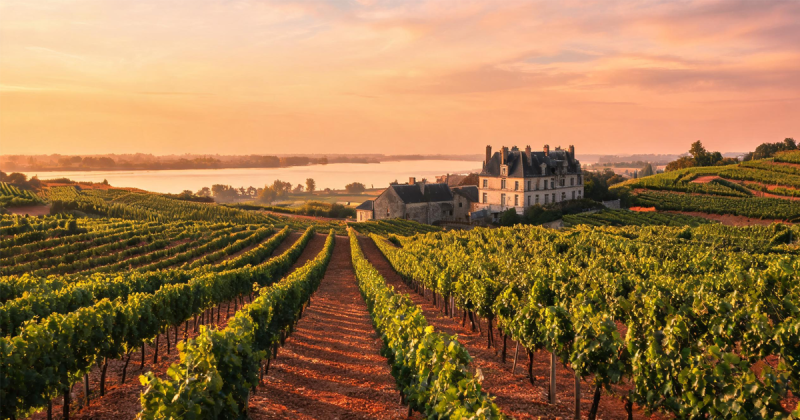
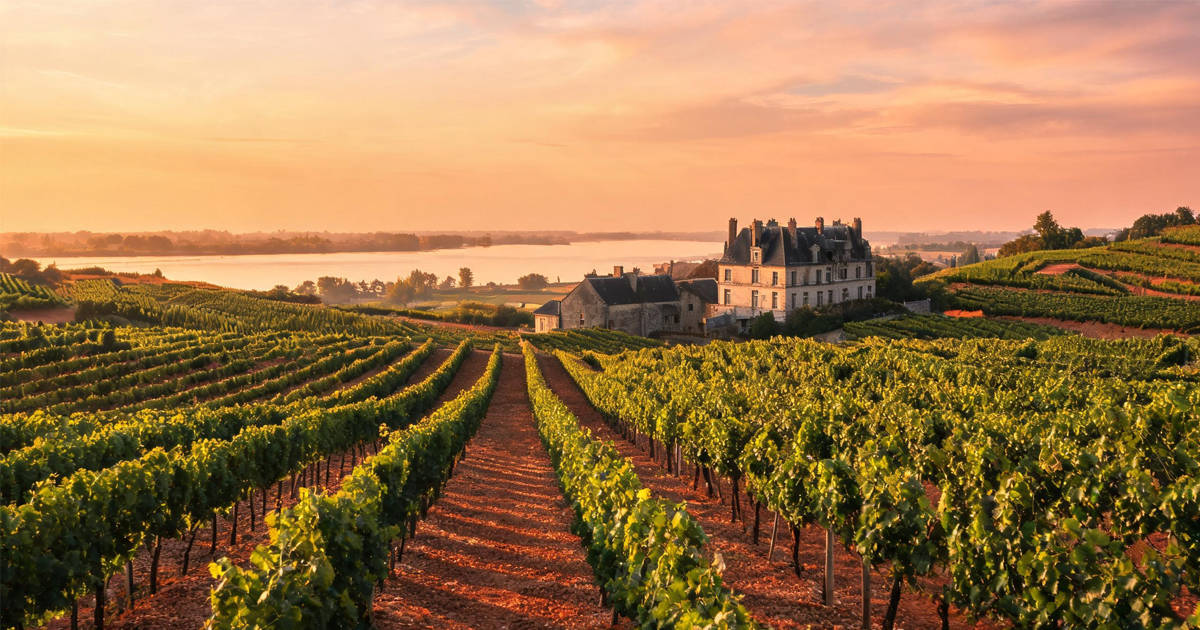
Situated in the Gironde department of southwestern France, Bordeaux spans the banks of the Garonne and Dordogne rivers and their shared Gironde Estuary. With over 2,000 years of viticultural heritage, it produces roughly 700 million bottles annually across 65 appellations—from humble everyday clarets to the most collectible wines on earth. What sets Bordeaux apart isn’t just scale or history; it’s the philosophy of blending. Unlike single-variety powerhouses, Bordeaux treats winemaking like an orchestra: Cabernet Sauvignon brings structure, Merlot the flesh, Cabernet Franc the perfume, and every vintage is a new composition.
Geographically, the region splits into three natural zones—Left Bank, Right Bank, and Entre-Deux-Mers—each with its own soil signature, microclimate, and grape hierarchy. The result is a mosaic of styles: powerhouse Cabernet-led reds from the gravel mounds of the Médoc, plush Merlot-driven wines from the clay plateaus of Pomerol and Saint-Émilion, crisp dry whites, and the world’s most celebrated sweet wines from Sauternes. Whether you’re wondering why a bottle of first-growth Bordeaux can cost more than a month’s rent, or whether that $20 Bordeaux Supérieur is worth buying, this guide covers every question you’ll have.
2. Bordeaux Terroir and Climate Characteristics
2.1 Maritime Climate Features
Bordeaux features a temperate maritime climate heavily modulated by the Atlantic Ocean and local river systems. Mild winters eliminate extreme frost damage to dormant vines, while warm, sun-rich summers ensure sufficient sugar accumulation for grape ripening. The Gironde Estuary’s cool sea breezes penetrate vineyards year-round, balancing high summer temperatures, preserving natural grape acidity, and layering complex aromatic notes in the fruit.
A signature climatic feature of Bordeaux is the autumn mist that frequently shrouds the Sauternes and Barsac areas. This alternating cycle of morning mist and afternoon sunlight creates the perfect conditions for noble rot (Botrytis cinerea), the core natural element for crafting world-class sweet white wines. The only notable vintage variable is intermittent harvest-season rainfall, which brings mild vintage differences and highlights the value of precise vineyard management and winemaking techniques.
2.2 Regional Soil Diversity
Soil diversity is the core of Bordeaux’s irreplicable terroir, directly determining the style, structure, and flavor characteristics of wines from different sub-regions:
- Left Bank Gravel Soil: Well-drained, porous gravel soil stores solar heat during the day and releases it at night, extending the ripening cycle of late-maturing grapes. This soil forces vine roots to grow deeply to absorb nutrients, resulting in concentrated fruit flavor, firm tannins, and excellent aging resistance.
- Right Bank Clay-Limestone Soil: Moisture-rich clay stabilizes vine water supply, while limestone infuses grapes with distinct mineral notes. The cool, gentle soil environment is ideal for Merlot cultivation, producing wines with soft tannins, plump fruit, and elegant earthy tones.
- Entre-Deux-Mers Mixed Soil: A blend of limestone, clay, and sand with moderate drainage. The balanced soil condition is tailored for white grape growth, laying the foundation for fresh, crisp dry white wines.
- Sauternes Sandy-Limestone Soil: Loose soil structure facilitates air circulation, cooperating with autumn mist to promote uniform noble rot development on Sémillon grapes.
3. Main Authorized Grape Varieties in Bordeaux
Bordeaux strictly regulates grape varieties and blending ratios through local appellation laws, and blended wines account for almost all regional production. Single-variety wines are extremely rare in formal Bordeaux appellation products.
3.1 Red Wine Grape Varieties
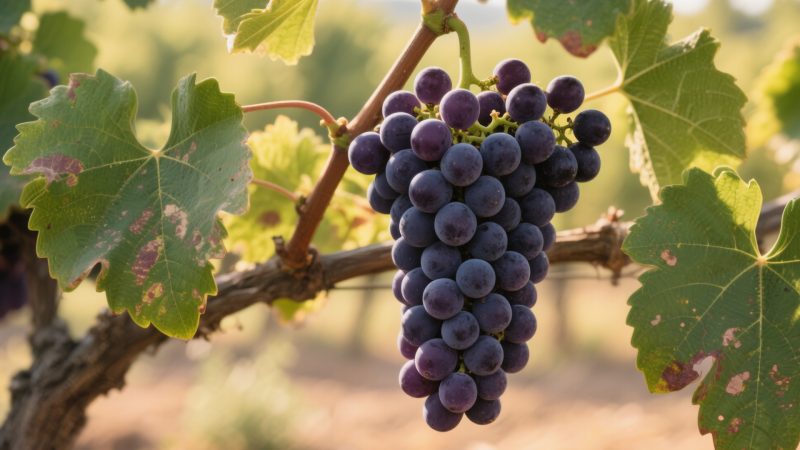
- Cabernet Sauvignon: The flagship grape of the Left Bank. It contributes robust structure, tight fine tannins, bright blackcurrant and cedar aromas, and exceptional long-term aging potential, serving as the backbone of premium Left Bank red blends.
- Merlot: The dominant variety of the Right Bank. It brings rich ripe plum, blackberry, and red cherry flavors, softens harsh tannins, and creates a round, mellow wine texture that is more approachable in youth.
- Cabernet Franc: A classic auxiliary blending grape. It adds elegant violet, herbal, and red berry aromas, enhancing the complexity and aromatic layering of finished wines.
- Minor Varieties (Petit Verdot, Malbec, Carmenère): Used in small proportions to deepen wine color, add spicy undertones, and enrich flavor depth, with limited usage in modern commercial winemaking.
3.2 White Wine Grape Varieties
- Sémillon: The core grape for Bordeaux sweet wines and key dry white blending variety. Its thin skin is highly susceptible to noble rot, creating concentrated honey, apricot, and wax flavors with outstanding aging capacity.
- Sauvignon Blanc: Provides bright citrus, green apple, cut grass, and tropical fruit aromas, paired with crisp natural acidity to balance sweetness and freshen up white wine blends.
- Muscadelle: An aromatic auxiliary grape, adding unique lychee and floral notes to lift the overall aroma intensity of white wines.
4. Classic Bordeaux Wine Styles and Flavor Profiles
4.1 Left Bank Red Wines
Predominantly Cabernet Sauvignon-led blends with Merlot as the secondary component. These full-bodied wines feature high structured tannins, vibrant acidity, and strong flavor concentration. Young wines show dominant blackcurrant, black cherry, green bell pepper, and cedar flavors. After 10+ years of cellaring, they evolve into complex secondary and tertiary notes including leather, tobacco, forest floor, and truffle. Top-tier Left Bank wines have an extraordinary aging window of 30–60 years, with legendary vintages capable of aging for over half a century.
4.2 Right Bank Red Wines
Merlot-dominant blends with Cabernet Franc supplementation. Compared with Left Bank wines, they have softer, silkier tannins and a rounder mouthfeel. The primary flavor spectrum includes ripe plum, blackberry, red cherry, and violet, with distinctive earthy and limestone-derived mineral undertones. Most Right Bank village-level wines are drinkable within 3–8 years, while grand cru classé wines still support 20+ years of cellaring for flavor evolution.
4.3 Bordeaux Dry White Wines
Mainly produced in Entre-Deux-Mers and premium Left Bank châteaux, blended from Sauvignon Blanc and Sémillon. Entry-level dry whites deliver fresh citrus, white peach, and grassy notes with crisp, refreshing acidity, suitable for early drinking. Oak-aged premium dry whites develop rich honey, nutty, and toast flavors after short-term cellaring, with elegant mineral persistence on the finish.
4.4 Sauternes & Barsac Sweet White Wines
The world’s most famous noble rot sweet wines, dominated by Sémillon. Noble rot concentrates sugar, acids, and flavor substances in grapes, creating luscious flavors of apricot jam, honey, candied citrus, and roasted nuts. High natural acidity perfectly balances the rich sweetness, avoiding a cloying mouthfeel. These wines have remarkable aging potential, evolving into dried fruit, caramel, and spice complexity after decades of cellaring.
5. Official Bordeaux Wine Classification Systems
Bordeaux’s classification systems are the most influential in the wine world—so influential that a single promotion or demotion can shift a château’s revenue by millions. Two systems dominate: the iconic (and frozen-in-time) 1855 Classification for the Left Bank, and the dynamic Saint-Émilion Classification on the Right Bank.
5.1 1855 Bordeaux Classification
Established for the Paris Universal Exposition, this historic classification covers Left Bank Médoc red wines and Sauternes/Barsac sweet white wines. It ranks estates into five growth tiers for red wines and three tiers for sweet whites. The system has remained almost unchanged for over 160 years, with five iconic First Growth Châteaux: Lafite Rothschild, Latour, Margaux, Haut-Brion, and Mouton Rothschild. It is the most influential fine wine ranking in the global wine market.
5.2 Saint-Émilion Classification
A dynamic classification updated every 10 years, exclusively covering the Right Bank’s Saint-Émilion appellation. The ranking tiers from highest to lowest are Premier Grand Cru Classé A, Premier Grand Cru Classé B, Grand Cru Classé, and Grand Cru. Unlike the static 1855 system, it adjusts rankings based on consistent wine quality, terroir expression, and market performance, fully reflecting the quality characteristics of Right Bank Merlot-dominant wines.
Notable Châteaux by Bank
| Bank | Château | Appellation | Classification | Style Signature |
| Left | Château Lafite Rothschild | Pauillac | First Growth (1855) | Cedar, graphite, aristocratic elegance |
| Left | Château Latour | Pauillac | First Growth (1855) | Power, structure, legendary longevity |
| Left | Château Margaux | Margaux | First Growth (1855) | Perfumed, silky, violet and cassis |
| Left | Château Mouton Rothschild | Pauillac | First Growth (1855) | Opulent, exotic spice, artist labels |
| Graves | Château Haut-Brion | Pessac-Léognan | First Growth (1855) | Smoky, earthy, tobacco and red fruit |
| Right | Château Cheval Blanc | Saint-Émilion | Premier Grand Cru Classé A | Cabernet Franc-driven, floral, mineral |
| Right | Château Pétrus | Pomerol | Unclassified (de facto icon) | Merlot purity, velvet texture, truffle |
| Right | Château Ausone | Saint-Émilion | Premier Grand Cru Classé A | Limestone minerality, precision, age |
6. How to Buy Bordeaux: A Practical Guide
6.1 Understanding the Label
Bordeaux labels reward careful reading. The appellation name (e.g., Pauillac, Saint-Julien) is your single most reliable quality indicator—the more specific the place, generally the higher the quality. Key terms to look for: “Mis en bouteille au Château” (estate-bottled, the gold standard), “Grand Cru Classé en 1855” (classified growth), and the vintage year. Don’t be dazzled by “Grand Vin”—it’s marketing, not a legal term.
6.2 Price Tiers: What Your Money Gets
- Under $25: Bordeaux AOC, Bordeaux Supérieur, satellite appellation wines. Solid everyday reds, most drinkable young. Look for Côtes de Bordeaux (Castillon, Francs, Blaye) for excellent value.
- $25–$60: Cru Bourgeois from the Médoc, village-level Saint-Émilion Grand Cru, Pessac-Léognan. Serious wines with aging potential; the sweet spot for quality-to-price ratio.
- $60–$200: Lower-tier classified growths (Fourth & Fifth Growths), top Cru Bourgeois Exceptionnel, second wines of famous châteaux (e.g., Les Forts de Latour, Pavillon Rouge du Château Margaux). Where the “name” value starts to kick in.
- $200–$1,000+: Second and Third Growths in strong vintages, top Pomerol estates.
- $1,000+: First Growths, Pétrus, Le Pin, top Right Bank icons. These are collectors’ assets as much as wines; provenance and storage history matter enormously.
6.3 Smart Buying Tips
- Buy by appellation, not brand. A well-made Pauillac from a lesser-known château often outperforms a famous-name Bordeaux AOC at the same price.
- Second wines deliver. Most top châteaux produce a “second wine” from younger vines or less rigorous selection. They share the winemaking team and terroir but cost a fraction of the grand vin.
- Vintage matters, but less than you think. In weak vintages, the best producers still make excellent wine—and at steep discounts. A 2013 Lafite is still a Lafite.
- Storage provenance is everything. Never buy expensive older Bordeaux without verifying storage conditions. A poorly stored 1982 is worse than a well-stored 2015.
7. Vintage Variation Characteristics
As a cool-climate maritime wine region, Bordeaux shows obvious vintage differences driven by annual weather changes. Warm and dry vintages produce fully ripe grapes, with wines featuring rich fruity flavors, soft tannins, and early drinkability. Cool and wet vintages result in wines with brighter acidity, tighter structure, and prominent mineral notes, requiring longer cellaring to reach the optimal drinking window.
Top châteaux adopt strict yield control, manual grape sorting, and precise vinification techniques to mitigate adverse vintage impacts, ensuring relatively stable quality across different years and maintaining the consistent reputation of Bordeaux fine wines.
Frequently Asked Questions
Q1: Where is the Bordeaux wine region located?
The Bordeaux wine region is situated in the Gironde department of southwestern France, approximately 500 km southwest of Paris. It surrounds the Gironde Estuary and spans the banks of the Garonne and Dordogne rivers, covering multiple famous wine-producing communes.
Q2: What is the main difference between Left Bank and Right Bank Bordeaux?
The core differences lie in soil, dominant grapes, and wine styles. The Left Bank has gravel soil, focuses on Cabernet Sauvignon, and produces structured, tannic, age-worthy red wines. The Right Bank features clay-limestone soil, takes Merlot as the main grape, and makes softer, fruit-forward, earthy red wines with earlier drinkability.
Q3: What grapes are used to make authentic Bordeaux wine?
Red Bordeaux is mainly blended with Cabernet Sauvignon and Merlot, supplemented by Cabernet Franc, Petit Verdot, and rare Malbec and Carmenère. White Bordeaux uses Sauvignon Blanc and Sémillon as core varieties, with a small amount of Muscadelle for aroma enhancement.
Q4: What are Sauternes wines famous for?
Sauternes is world-famous for premium noble rot sweet white wines. The unique autumn mist and sunlight cycle promotes noble rot growth on Sémillon grapes, concentrating sugar and flavors to create balanced, luscious sweet wines with exceptional aging potential and complex layered flavors.
Q5: How long can different types of Bordeaux wines age?
Entry-level regional Bordeaux wines are best consumed within 2–5 years. Mid-tier village and Grand Cru wines can age 10–20 years. Top First Growth red wines and premium Sauternes sweet wines have a cellar life of 30–60 years, with exceptional vintages aging for over 60 years.
Q6: What food pairs best with Bordeaux wines?
Cabernet-dominant Left Bank red wines pair perfectly with grilled beef, roast lamb, beef stew, and aged hard cheeses. Merlot-based Right Bank wines match braised pork, duck meat, mushroom dishes, and soft cheeses. Dry white Bordeaux pairs with seafood and salads, while Sauternes sweet wines complement foie gras and blue cheese.
Q7: What does the 1855 Classification mean for Bordeaux wines?
The 1855 Classification is a historic static quality ranking for Left Bank Bordeaux châteaux. It classifies top wineries into different growth tiers, serving as a core reference for consumers to judge wine quality, reputation, collectible value, and market grade.
Q8: Are all Bordeaux wines high-priced luxury wines?
No. Bordeaux has a complete wine price system covering entry-level daily drinking wines to top luxury collectible wines. Besides high-end Grand Cru Classé wines, there are numerous affordable regional appellation and village-level wines with stable quality for daily consumption.

No comments yet