


Name & International Aliases
Nebbiolo is the official Italian name for this prestigious Piedmontese red grape. The variety is known by the same core name across most Western wine regions, while carrying localized translation terms including 内比奥罗 in Chinese-speaking areas, and region-specific linguistic variations in Russian, Greek, and other European markets. These international aliases reflect its status as a world-class terroir-specific noble grape.
1. Introduction
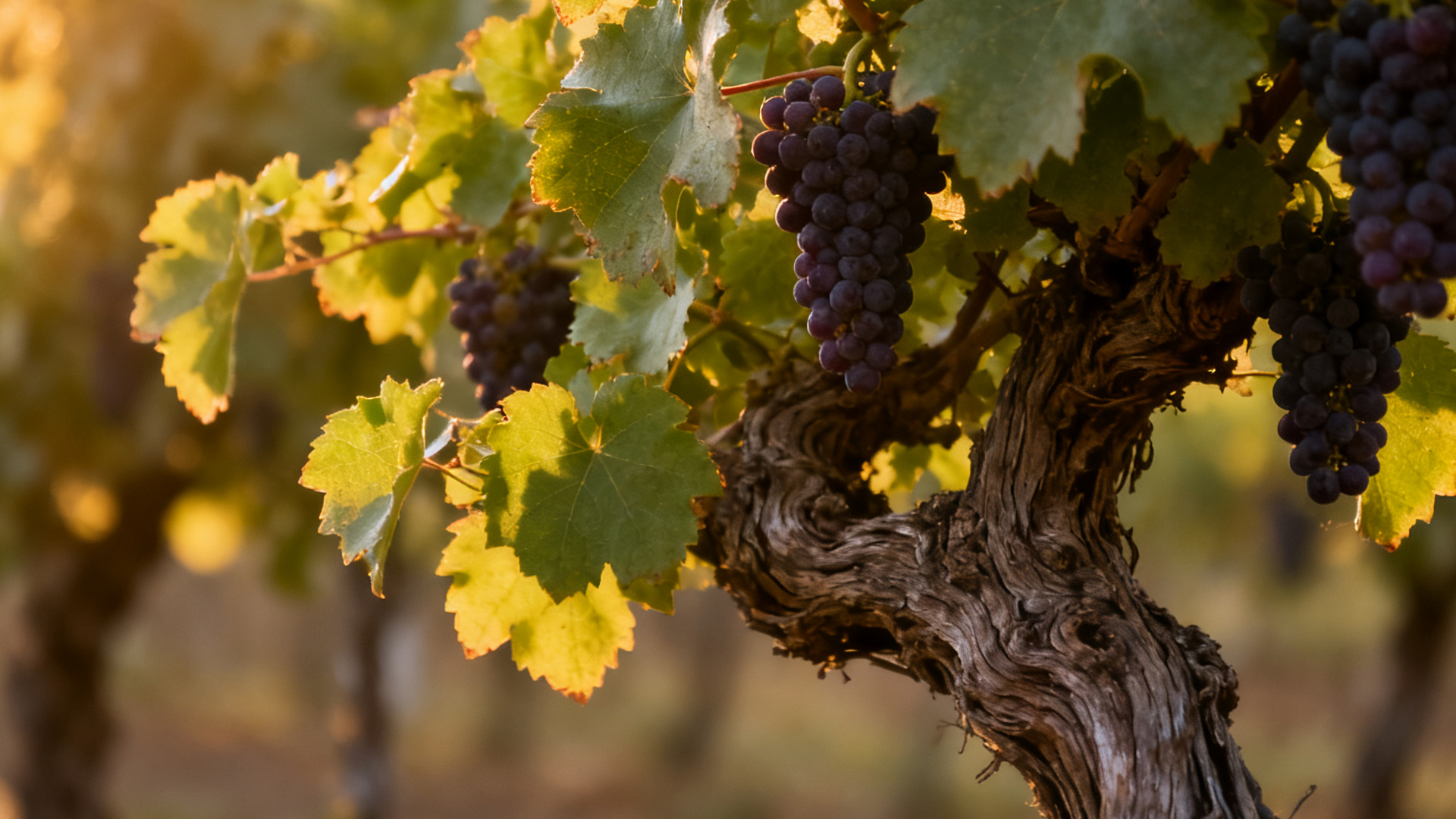
Nebbiolo is an elite and terroir-driven red wine grape variety native to northwestern Italy, widely regarded as one of the world’s most complex and age-worthy noble grapes. Famous for its iconic “tar and rose” aromatic profile, extreme structural tension of high tannins and vibrant acidity, and pale ruby color, Nebbiolo stands uniquely apart from full-bodied international red varieties. It is the exclusive backbone of Piedmont’s most celebrated DOCG wines, Barolo and Barbaresco, earning the reputation as the “King of Wines” in the Italian fine wine industry. Unlike adaptable global grape varieties, Nebbiolo is highly site-specific, delivering its finest expression only in limited terroirs and producing wines with extraordinary layered complexity and long-term aging potential.
2. Origin & History
Nebbiolo’s origin is firmly rooted in the Langhe hills of Piedmont, northwest Italy, with a documented planting history spanning more than 2,000 years. The grape’s name derives from the Italian word “nebbia”, meaning fog, referencing the thick, lingering autumn mists that cover the Langhe vineyards during its late harvest season. Historical records confirm Nebbiolo has been cultivated exclusively in the Piedmont region for centuries, long before spreading to tiny portions of northern Italy and neighboring European areas.
For generations, Nebbiolo remained a regional specialty, rarely planted outside its native terroir. It gained global fame in the 19th century as Barolo and Barbaresco wines garnered international recognition. To this day, Nebbiolo maintains its exclusive status, with over 90% of global plantings concentrated in Piedmont, making it one of the most terroir-dependent and least invasive noble wine grapes in the world.
3. Viticulture Characteristics
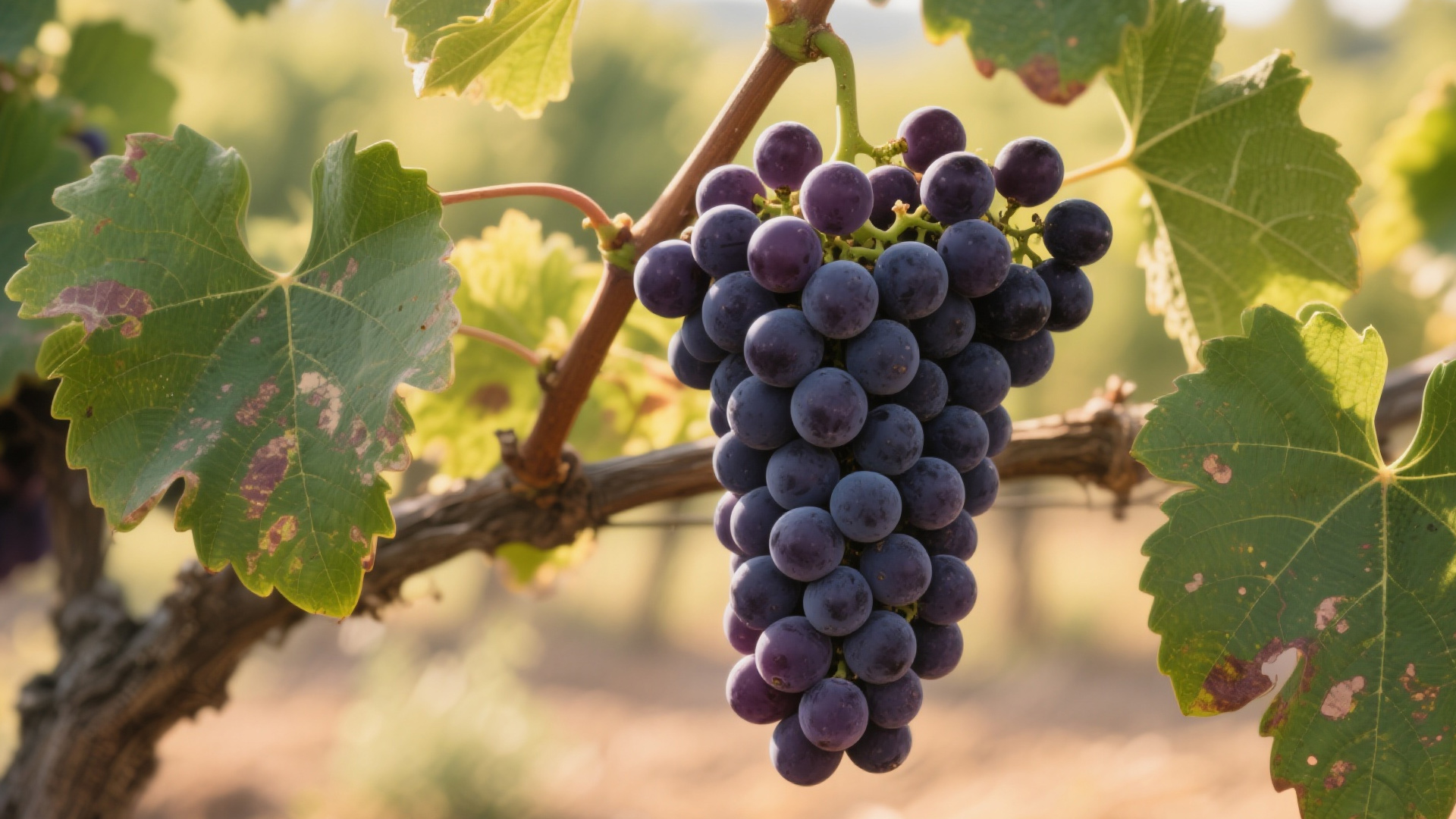
Nebbiolo is a late-ripening red grape variety with distinct botanical and growth traits. It features thin-skinned berries with small, loose clusters, differing greatly from thick-skinned structured grapes like Cabernet Sauvignon. Despite its thin skin, the grape accumulates abundant phenolic compounds and fine-grained tannins, creating its signature high-tannin, high-acid structure.
This variety is extremely picky about growing conditions and terroir. It thrives best in south-facing slopes with well-drained calcareous marl soils, typical of the Langhe region. It requires a long, slow growing season with cool autumns to fully ripen tannins and develop delicate aromatic complexity, while preserving bright natural acidity. Nebbiolo is highly sensitive to climate fluctuations, excess rainfall, and poor drainage, which can dilute flavors and weaken structure. Due to its late ripening cycle, it relies heavily on autumn fog and mild temperatures to balance sugar ripeness and aromatic finesse, making successful cultivation extremely challenging outside its native Piedmont terroir.
4. Flavor & Aroma Profile
Nebbiolo boasts one of the most recognizable and evolving flavor profiles among all wine grapes, defined by striking contrasts between youth and aged expressions. Young Nebbiolo wines present intense, delicate primary aromas dominated by fresh red fruits and floral notes, including wild cherry, red berry, rose petal, violet, and orange peel. Subtle herbal and spicy undertones of fresh mint and white pepper also appear in youthful vintages.
As the wine ages, Nebbiolo undergoes a dramatic flavor transformation, developing its iconic tertiary “tar and truffle” character. Mature wines reveal complex earthy, mineral, and savory notes: tar, damp soil, black truffle, dried rose, tobacco, and dried red fruit. On the palate, Nebbiolo features moderate body, searing bright acidity, firm fine tannins, and an incredibly long, lingering finish. Its unique balance of sharp acidity and structured tannins creates a tight, elegant texture that softens remarkably with years of cellaring, unlocking unparalleled complexity.
5. Winemaking Style
Nebbiolo is primarily crafted as a single-variety wine, rarely used in blends, which preserves its pure and distinctive terroir characteristics. Traditional Piedmont winemaking prioritizes minimal intervention to highlight the grape’s natural aromatic and structural traits. Winemakers often use extended maceration to extract fine tannins and complex phenolic substances from the thin skins, balancing the grape’s vibrant acidity.
Oak aging is essential for premium Nebbiolo wines. Most high-end Barolo and Barbaresco age in large neutral Slavonian oak barrels, which soften harsh youthful tannins without overpowering the grape’s delicate floral and earthy aromas. Small French oak barrels are occasionally used for modern-style interpretations, adding subtle vanilla and spice layers. Nebbiolo has exceptional aging potential. Entry-level Langhe Nebbiolo is drinkable within 2–5 years, while classic Barolo and Barbaresco require 10–20 years of cellaring to reach peak maturity, and top-tier vintages can age gracefully for 30–50 years, evolving increasingly sophisticated tertiary flavors over time.
6. Top Growing Regions
Piedmont, Italy (Core & Origin Region): The Langhe sub-region of Piedmont is the undisputed home of Nebbiolo, producing the world’s finest expressions of the grape. The iconic Barolo and Barbaresco appellations deliver structured, elegant, and age-worthy wines with distinct mineral and earthy profiles. Barolo wines are powerful, tightly structured, and tannic with massive aging potential, while Barbaresco offers a softer, more approachable elegance with finer tannins and more prominent floral notes.
Other Italian Regions: Small-scale Nebbiolo plantings exist in northern Italian regions such as Lombardy and Valtellina. These regional expressions produce lighter, fruit-forward Nebbiolo wines with milder tannins and earlier drinkability, suitable for casual consumption.
Global New World Plantings: Very limited commercial plantings are found in Australia, California, and Argentina. New World Nebbiolo wines typically showcase riper red fruit flavors, softer acidity, and more accessible tannins, lacking the signature earthy tar and truffle complexity of Piedmont’s terroir-driven examples.
7. Food Pairing
Thanks to its bright acidity, firm tannins, and savory earthy character, Nebbiolo pairs excellently with rich, savory, and fatty traditional dishes. Classic pairings include slow-cooked red meats such as braised beef, roasted lamb, and beef short ribs, as well as hearty Italian cured meats like prosciutto and salami. Its vibrant acidity cuts through fat, while structured tannins balance savory meat flavors perfectly.
Nebbiolo also complements aged hard cheeses, including Parmigiano-Reggiano and Grana Padano, whose salty, nutty flavors harmonize with the wine’s earthy and fruity layers. For seasoned dishes, mushroom-based sauces, truffle pastas, and roasted root vegetables are ideal matches. It is best to avoid pairing Nebbiolo with delicate seafood, sweet desserts, or heavily spicy dishes, which can overpower its subtle aromatic complexity and amplify its natural astringency.
8. Similar Variety Comparison
Nebbiolo vs. Pinot Noir: Both varieties feature thin skins, moderate body, and prominent red fruit and floral notes, with pale wine color. However, Nebbiolo has far higher tannins and acidity with strong aging potential and earthy tar-truffle complexity. Pinot Noir is lighter, softer, more fruit-forward, and designed for earlier drinking, lacking Nebbiolo’s structural intensity and tertiary savory traits.
Nebbiolo vs. Sangiovese: As two iconic Italian red grapes, both offer bright acidity and red fruit flavors. Sangiovese features brighter sour cherry and herbal notes with moderate, quick-softening tannins and earlier drinkability. Nebbiolo stands out with firmer, finer tannins, unique tar and rose aromas, and vastly superior aging capacity, delivering greater depth and structural complexity.
9. Summary
Nebbiolo is a one-of-a-kind noble red wine grape that defines Italian fine wine excellence. Renowned for its terroir exclusivity, signature tar-and-rose aromatic profile, high-acid high-tannin structure, and extraordinary aging potential, it produces some of the most prestigious and collectible wines in the world. Though challenging to cultivate and harsh in youth, properly aged Nebbiolo unveils unmatched elegance, complexity, and depth. It is the ultimate choice for wine enthusiasts seeking sophisticated, terroir-expressive, and age-worthy red wines with unique savory and floral character.
© Copyright Notice
All articles are copyrighted by the authors; no reproduction without permission.
THE END


- Latest
- Hot
Author only