Name & International Aliases
Cabernet Sauvignon is the globally recognized official varietal name, universally adopted across all fine-wine producing regions. Known as 赤霞珠 in the Chinese wine market, it has no commercially significant aliases in modern trade. Rare historic regional synonyms exist in old European viticulture archives but are completely obsolete for contemporary labeling. This unified global naming makes it the most identifiable and consumer-familiar luxury red grape worldwide.
1. Vineyard Story & Terroir Character
No red grape defines fine wine prestige quite like Cabernet Sauvignon. Born from a spontaneous cross in 17th-century Bordeaux, this robust variety has become the benchmark for structured, age-worthy red wines across the globe. It thrives in marginal, low-fertility terroirs where most grapes struggle, turning harsh stony soils and warm days into concentrated, complex juice. Unlike soft, early-drinking red varieties, Cabernet Sauvignon is built for patience: its firm tannins and tight fruit profile feel reserved in youth, unfolding layered depth and elegance with years of bottle aging.
2. Origin & History
Cabernet Sauvignon’s verified origin dates to 17th-century southwest France, stemming from a natural genetic cross between Cabernet Franc and Sauvignon Blanc. Genetic mapping confirms this unique parentage, explaining its blend of red-fruit richness and aromatic structural precision. For centuries, it flourished in Bordeaux’s Left Bank appellations, establishing itself as the backbone of the region’s iconic blended grand cru wines.
Through the 20th century, Cabernet Sauvignon expanded globally, finding exceptional success in California’s Napa Valley, Australia’s Coonawarra, and Chile’s Maipo Valley. Its consistent quality, strong disease resistance, and extraordinary aging potential pushed it to international stardom. Today, it is the most widely planted premium red grape in the world, synonymous with luxury fine wine and cellaring tradition.
3. Viticulture Characteristics
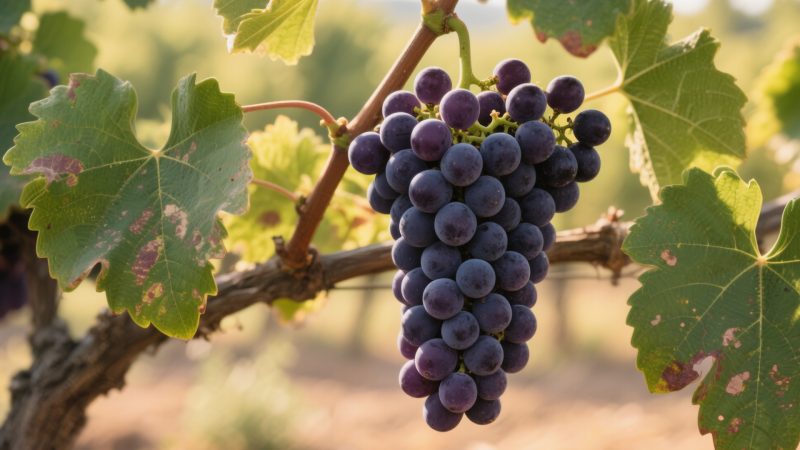
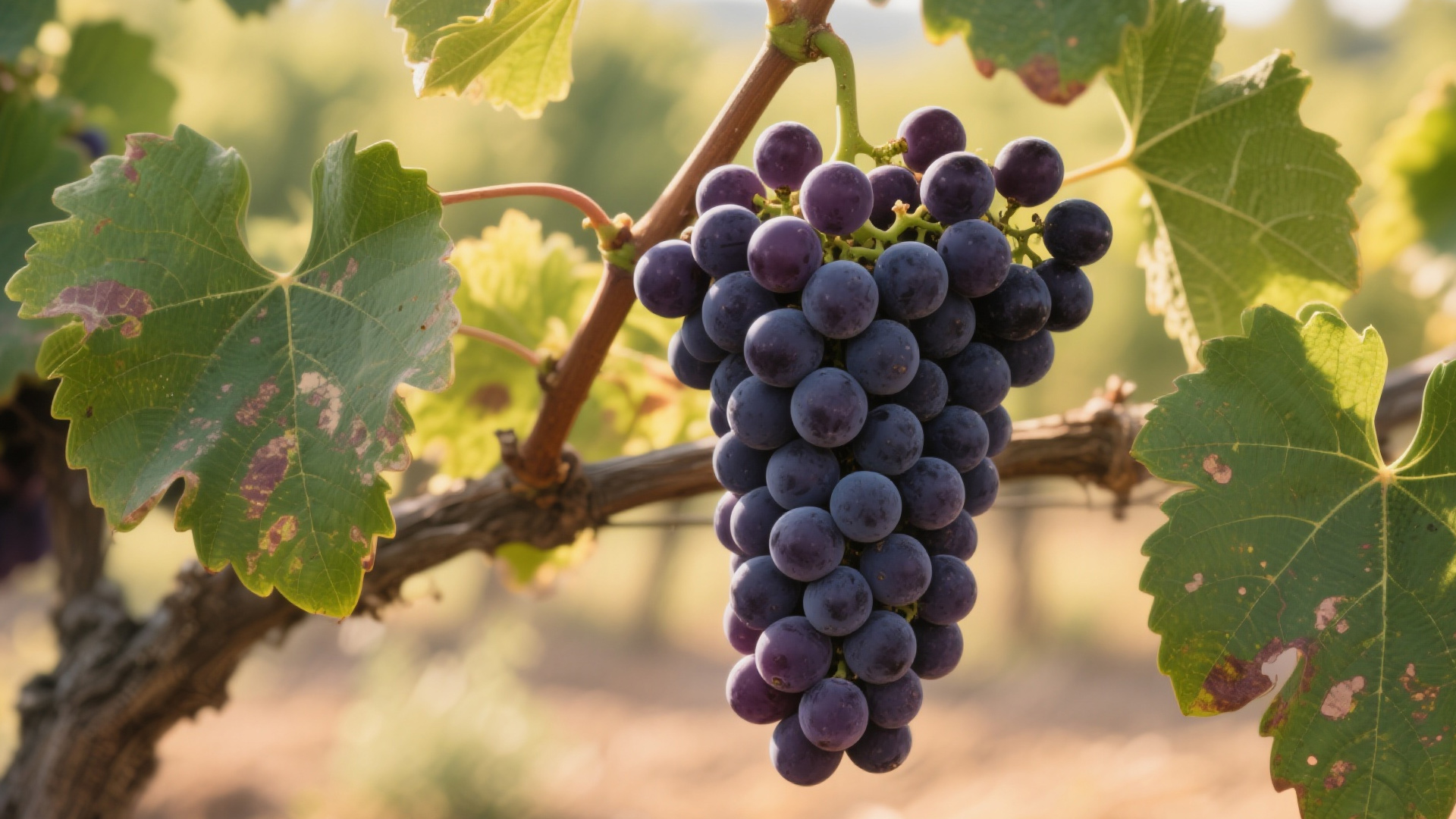
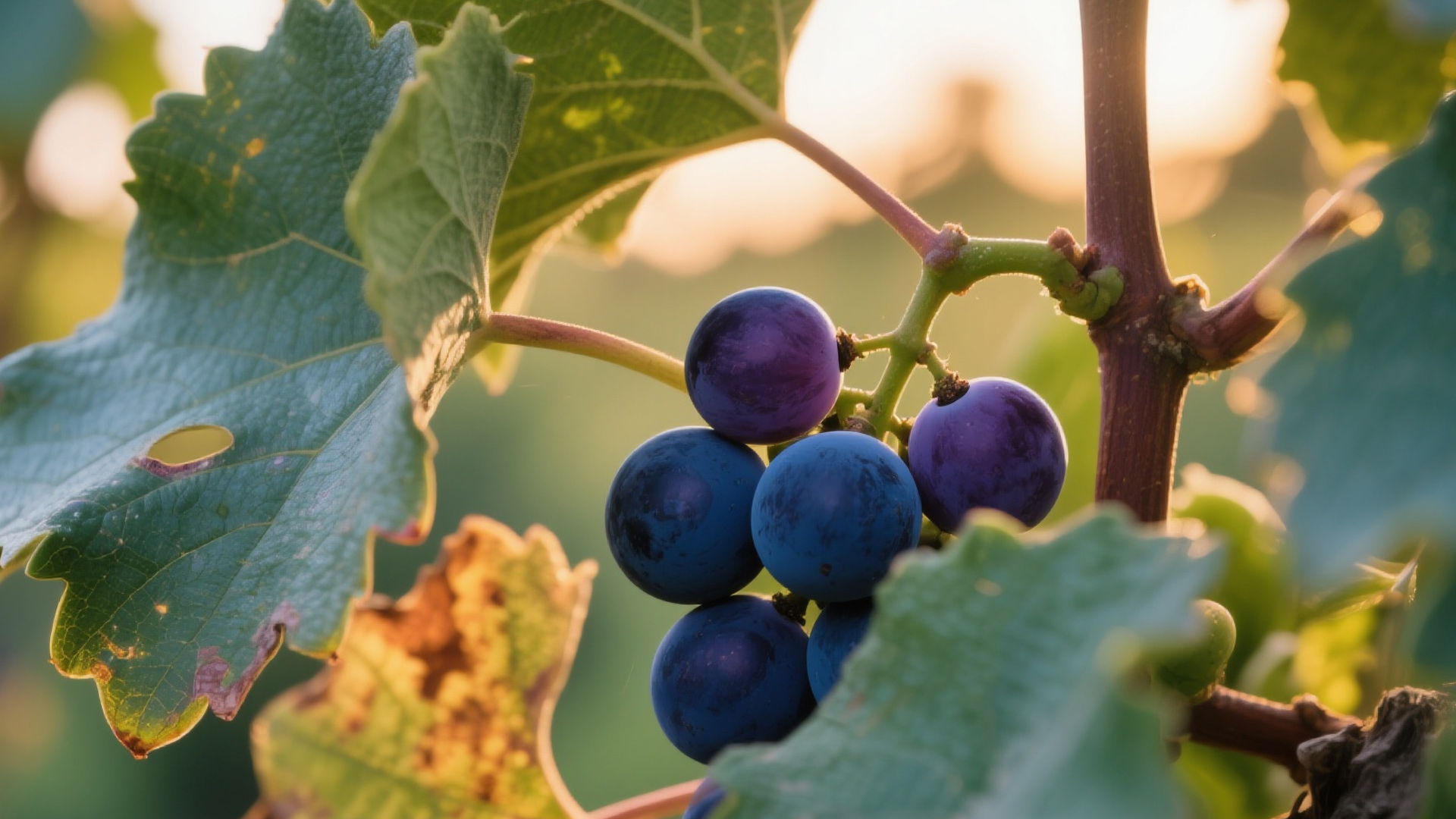
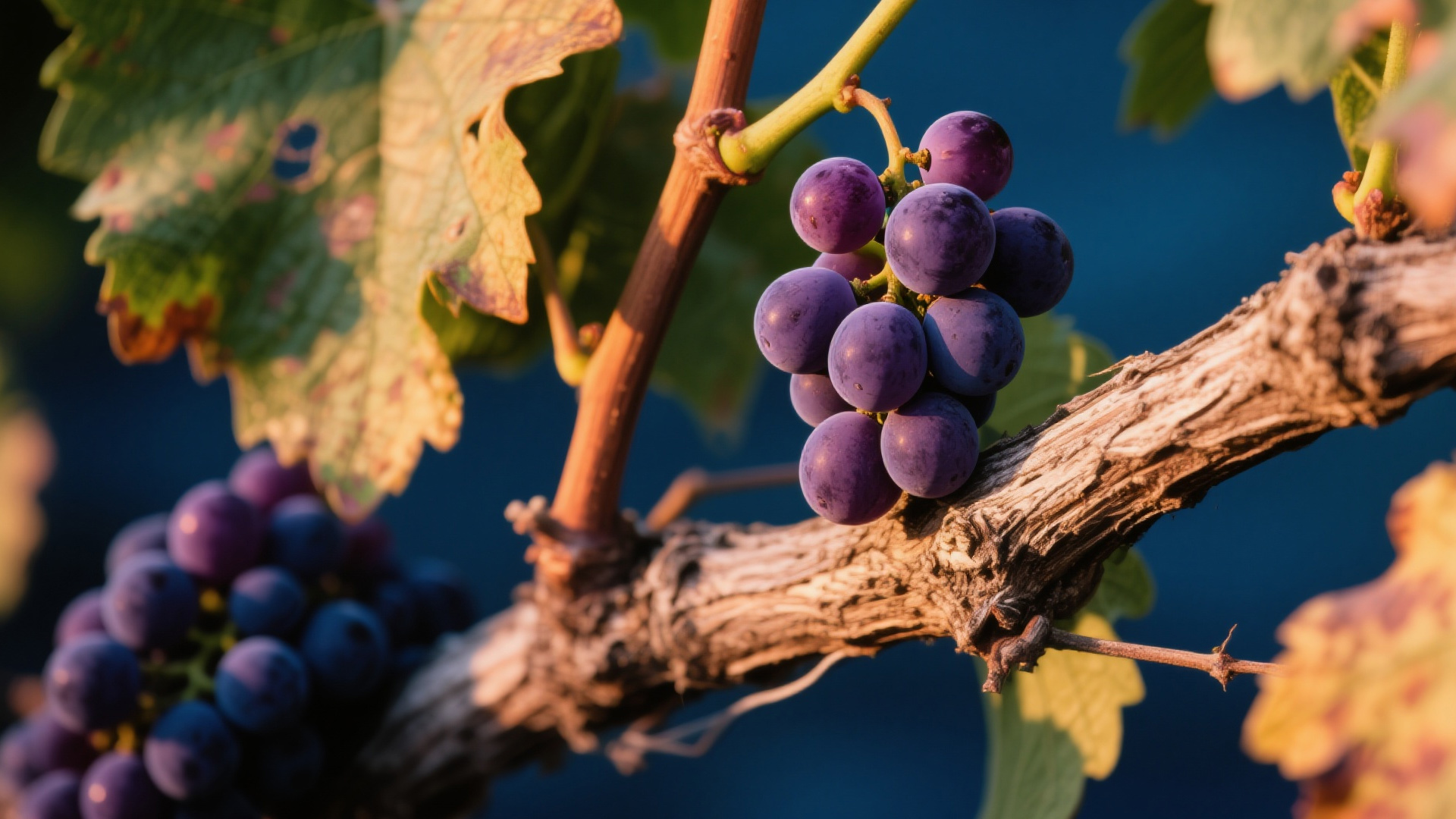
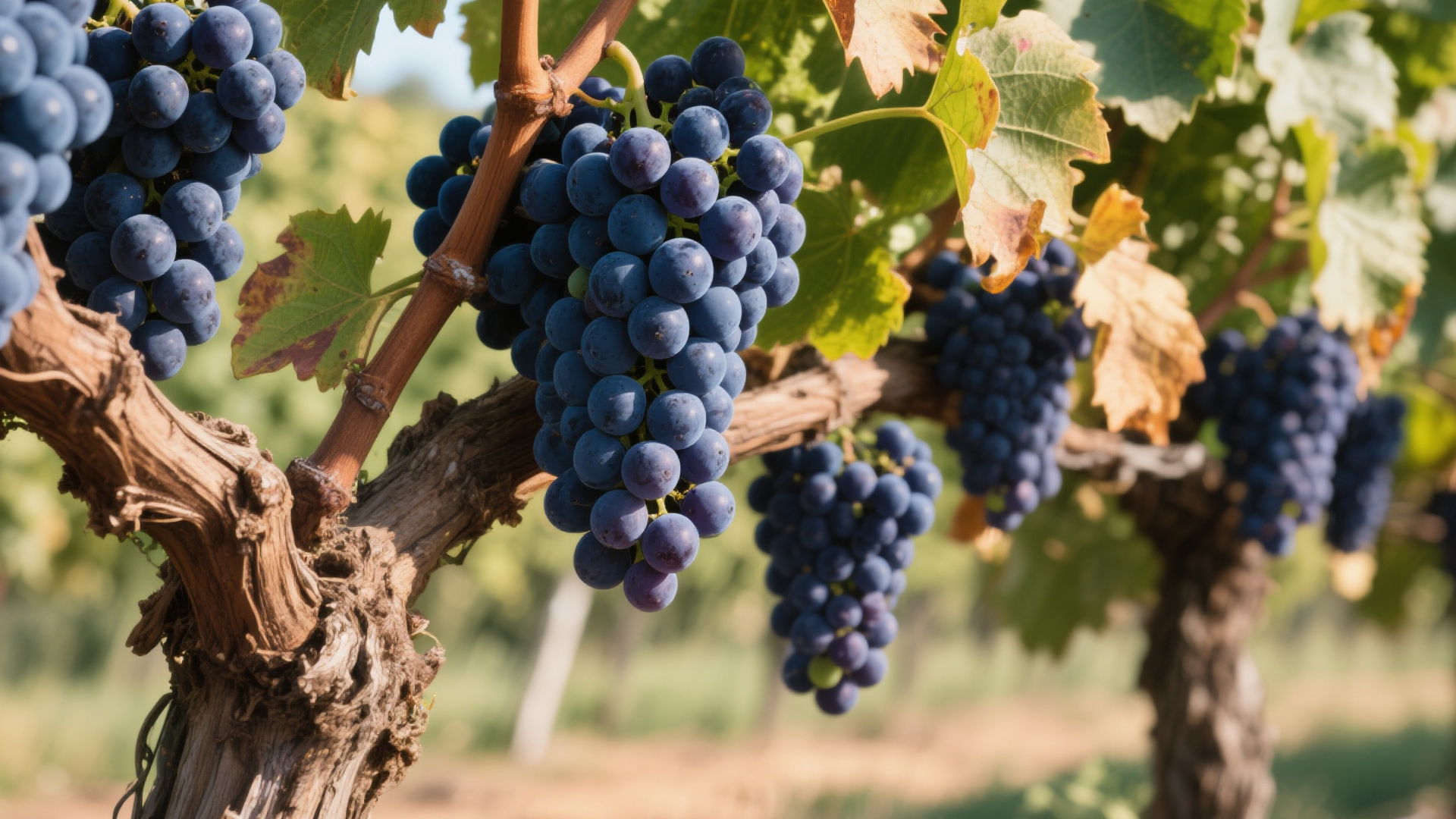
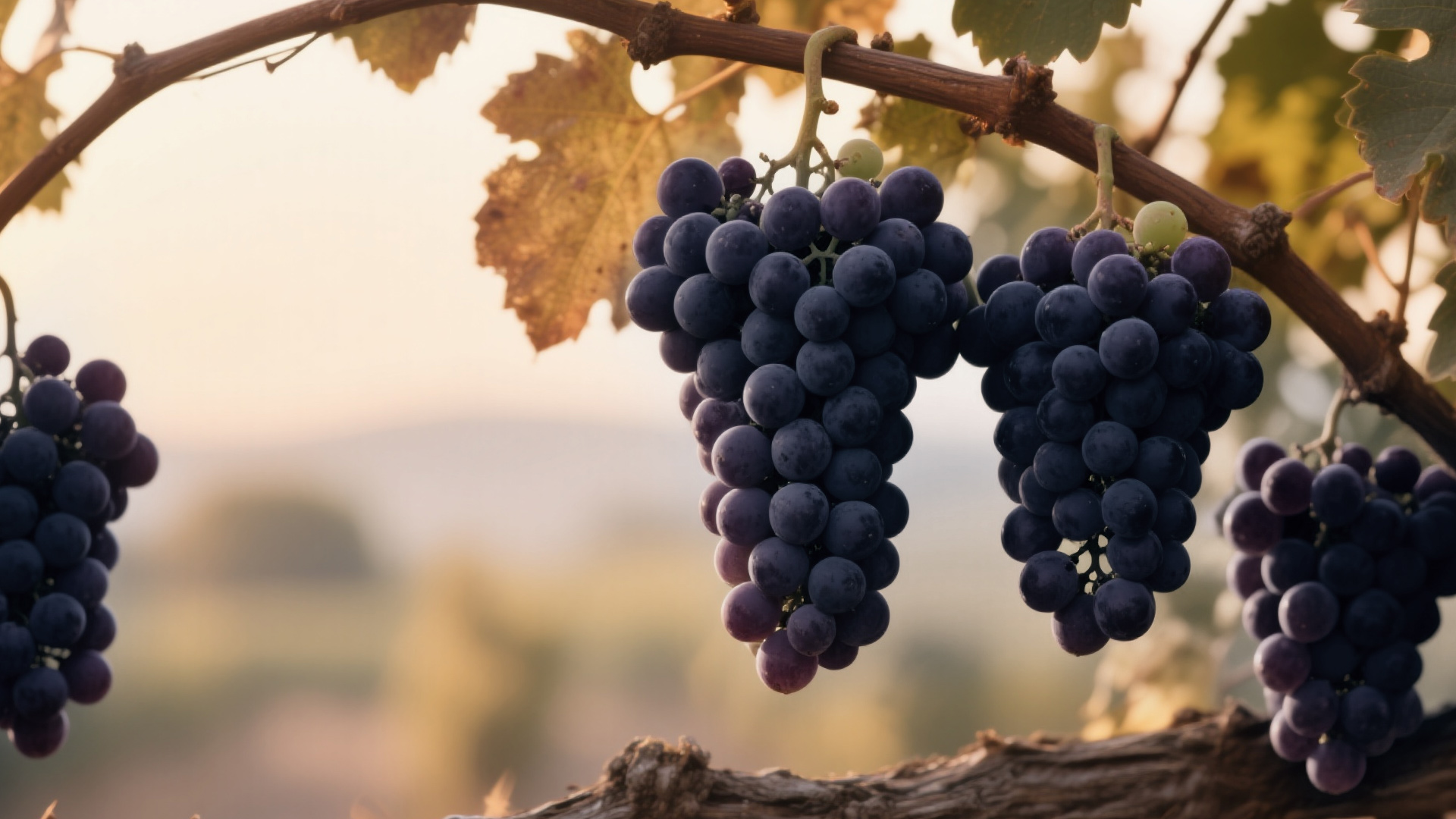
Cabernet Sauvignon is a late-budding, late-ripening red variety with hardy vine vigor and excellent disease tolerance. It produces small, compact, thick-skinned berry clusters, rich in phenolic compounds that generate its signature firm tannins and deep ruby-purple color. Professional viticulture benchmarks mark optimal harvest parameters at 23–25 °Brix, with a balanced pH of 3.4–3.6 and moderate acidity of 6.0–7.0 g/L, creating its structured, age-worthy palate foundation.
This terroir-defining grape favors warm, dry climates with ample sunlight and mild nighttime cooling. It performs best on well-drained gravel, stony, and alluvial soils that restrict excessive vigor and concentrate fruit flavor. Cool, damp vintages lead to unripe green bell pepper and vegetal notes, while excessive heat produces overripe, jammy fruit with diminished structural complexity. Controlled yields and full canopy ripening are critical to balancing its classic fruit, herbal, and mineral typicity.
4. Flavor & Aroma Profile
From professional sensory tasting experience, Cabernet Sauvignon delivers a powerful, structured flavor profile unmatched by most red varieties. Youthful, properly ripened wines feature concentrated blackcurrant, black cherry, and blackberry primary fruit, paired with classic green bell pepper, cedar, and fresh mint herbal undertones.
Oak-aged premium expressions develop rich secondary notes of vanilla, toasted oak, dark chocolate, and subtle spice. With extended bottle aging, primary fruit fades into sophisticated tertiary flavors of leather, tobacco, graphite, and dry earth. The palate presents full body, firm structured tannins, and balanced bright acidity, delivering a long, dry, savory finish. Old World styles prioritize mineral and herbal restraint, while New World versions showcase riper, bolder dark fruit intensity.
5. Winemaking Style
Entry-level Cabernet Sauvignon undergoes short maceration and modern stainless steel fermentation, producing approachable, fruit-forward wines meant for early consumption within 2–4 years of vintage. These accessible styles soften harsh tannins for immediate drinkability.
Premium grand cru and reserve-level wines utilize extended skin maceration and 12–24 months of French oak aging to refine tannin structure and build layered complexity. Traditional Bordeaux blending pairs Cabernet Sauvignon with Merlot, Cabernet Franc, and Petit Verdot to balance power and elegance. Basic commercial bottlings offer short-term enjoyment, while single-vineyard, low-yield premium cuvées can cellar gracefully for 10–30 years, evolving profound tertiary complexity over time.
6. Top Growing Regions
|
Region
|
Style Traits
|
Quality Tier
|
|
Left Bank Bordeaux, France
|
Structured and mineral-driven, blackcurrant and cedar core, restrained fruit, firm tannins, exceptional aging potential, classic Old World balance
|
Global Luxury Benchmark / Age-Worthy Fine Wine
|
|
Napa Valley, California, USA
|
Bold ripe black fruit, dark chocolate, vanilla oak richness, full opulent body, smooth polished tannins
|
Ultra-Premium New World Fine Wine
|
|
Coonawarra, Australia
|
Bright blackcurrant, minty herbal lift, firm structured tannins, distinct terra rossa mineral character
|
Premium Structured Classic Style
|
|
Maipo Valley, Chile
|
Juicy ripe dark fruit, soft tannins, approachable richness, consistent balanced flavor
|
Mid-Premium & Commercial Everyday
|
7. Food Pairing
Cabernet Sauvignon’s firm tannins, full body, and dark fruit intensity pair perfectly with rich, savory, fatty dishes that balance its structured power. Below are field-tested graded pairings for different styles:
-
Best Classic Matches: Dry-aged beef, grilled ribeye steak, lamb chops, braised short ribs, hearty beef stew
-
Premium Aged Style Matches: Game meats, truffle-infused dishes, aged hard cheeses, slow-roasted red meats
-
Young New World Style Matches: Gourmet burgers, smoked meats, mushroom steaks, rich pasta dishes
-
Pairing Avoidance: Light salads, delicate seafood, sweet desserts, and overly spicy dishes that clash with its bold tannic structure
8. Similar Variety Comparison
Cabernet Sauvignon vs. Merlot: Cabernet Sauvignon features bold dark fruit, firm grippy tannins, and prominent herbal-mineral notes with structured rigidity. Merlot offers softer tannins, rounder texture, and riper plum and berry fruit, delivering immediate approachability with less aging requirement.
Cabernet Sauvignon vs. Shiraz/Syrah: Cabernet prioritizes precision, structure, and blackcurrant-cedar complexity. Shiraz presents bold jammy fruit, peppery spice, and warmer, rounder texture with softer tannic definition and more upfront intensity.
Key Takeaways
-
Cabernet Sauvignon is the world’s premier premium red grape, renowned for bold dark fruit, firm structured tannins, and unparalleled aging capacity.
-
It produces two core styles: mineral-driven, restrained Old World Bordeaux and rich, opulent New World full-bodied expressions.
-
Thick skins and late ripening create its signature tannic structure, requiring proper cellaring to unlock full complexity.
-
A classic blending staple in Bordeaux, it also dominates single-varietal fine wine production across top New World regions.
-
Its bold structure pairs best with fatty red meats and aged cheeses, balancing tannic intensity with rich savory flavors.
9. Summary
As the undisputed king of premium red wine grapes, Cabernet Sauvignon defines structured, age-worthy fine wine across every major wine region. Balancing concentrated dark fruit, cedar-herbal complexity, firm tannins, and bright acidity, it offers unrivaled versatility for both cellaring and fine dining. Rooted in Bordeaux tradition yet adaptable to global terroirs, it consistently delivers powerful, elegant, and terroir-expressive wines that remain the gold standard for luxury red wine worldwide.
Written by Eric Bennett | WSET Level 4 Diploma (DipWSET)
Frequently Asked Questions
Q1: What is Cabernet Sauvignon known for?
Cabernet Sauvignon is famous for bold blackcurrant and black cherry flavors, firm structured tannins, cedar and mint herbal notes, and exceptional aging potential. It delivers full-bodied richness with a dry, sophisticated finish.
Q2: Is Cabernet Sauvignon dry or sweet?
Virtually all Cabernet Sauvignon wines are completely dry. No residual sugar remains after fermentation, with its bold fruit and oak flavors creating an illusion of richness without sweetness.
Q3: Where are the best Cabernet Sauvignon wines made?
Left Bank Bordeaux produces the most structured, age-worthy classic expressions, while Napa Valley creates the most luxurious, full-bodied New World style. Coonawarra and Maipo Valley deliver consistent premium regional variations.
Q4: What food pairs best with Cabernet Sauvignon?
It pairs perfectly with fatty red meats including steak, lamb, and braised beef, alongside aged hard cheeses. Rich savory dishes balance its firm tannins and bold intensity perfectly.




- Latest
- Hot
Author only