Name & International Aliases
Sauvignon Blanc is the globally standardized varietal name for one of the most commercially successful white wine grapes. Known as 长相思 in the Chinese wine market, it carries a well-known regional French alias, Blanc Fumé, commonly used in the Loire Valley to describe its smoky, mineral-driven expressions. The grape’s name derives from old French “sauvage,” referencing its ancient wild vine origins in French woodland terroirs. Unlike hybrid or frequently rebranded varieties, Sauvignon Blanc maintains consistent labeling worldwide for unified consumer recognition.
1. Vineyard Story & Terroir Character
Few wine grapes deliver such immediate, unmistakable aromatic identity like Sauvignon Blanc. Walk through cool-climate vineyards in early summer, and its signature green, herbaceous scent lingers above the canopy — fresh-cut grass, green foliage, and zesty citrus that predetermines the wine’s final profile. For centuries, this humble French native was a quiet blending workhorse in Bordeaux and the Loire. It was not until New Zealand’s Marlborough region redefined its bold, tropical-driven style that Sauvignon Blanc exploded into a global cultural wine icon. What makes it unique is its dual personality: restrained, mineral-driven Old World elegance versus exuberant, fruit-forward New World freshness, all rooted in the same versatile grape variety.
2. Origin & History
Sauvignon Blanc’s verified origin lies in western France, with primary historic cultivation across the Loire Valley and Bordeaux. Ampelographic studies confirm it descends from ancient wild Vitis vinifera vines native to French forested terroirs, explaining its inherent green, vegetal aromatic compounds. Throughout medieval and early modern history, it served two traditional roles: producing dry, crisp single-varietal wines and blending with Sémillon to create structured dry whites and luxurious botrytized Sauternes sweet wines.
The variety remained regionally confined until the late 20th century. New Zealand’s 1980s vineyard expansion revolutionized global perceptions of Sauvignon Blanc, amplifying tropical fruit characteristics absent in traditional French styles. This new modern profile triggered massive international planting growth across Australia, California, Chile, and South Africa. Today, it stands as one of the most widely planted and consumer-popular fine white grape varieties globally, with clearly distinguishable Old World and New World stylistic benchmarks.
3. Viticulture Characteristics
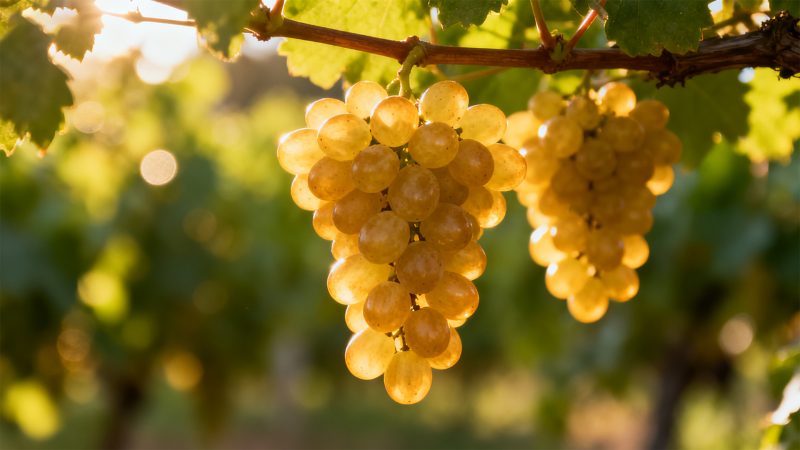
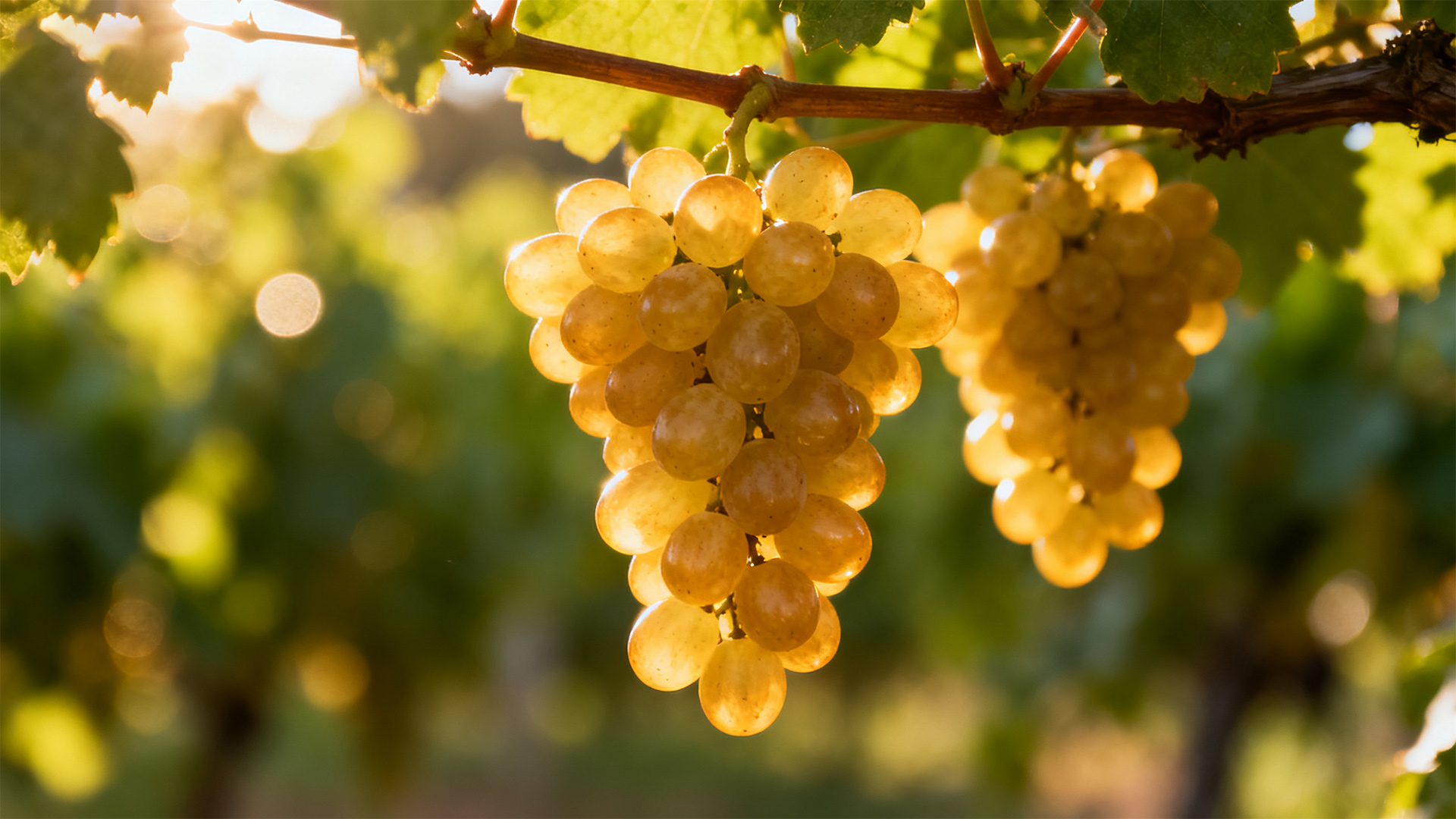
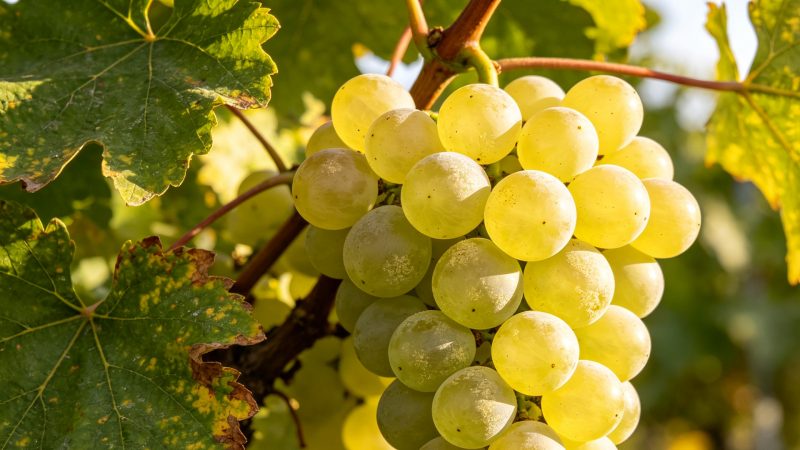
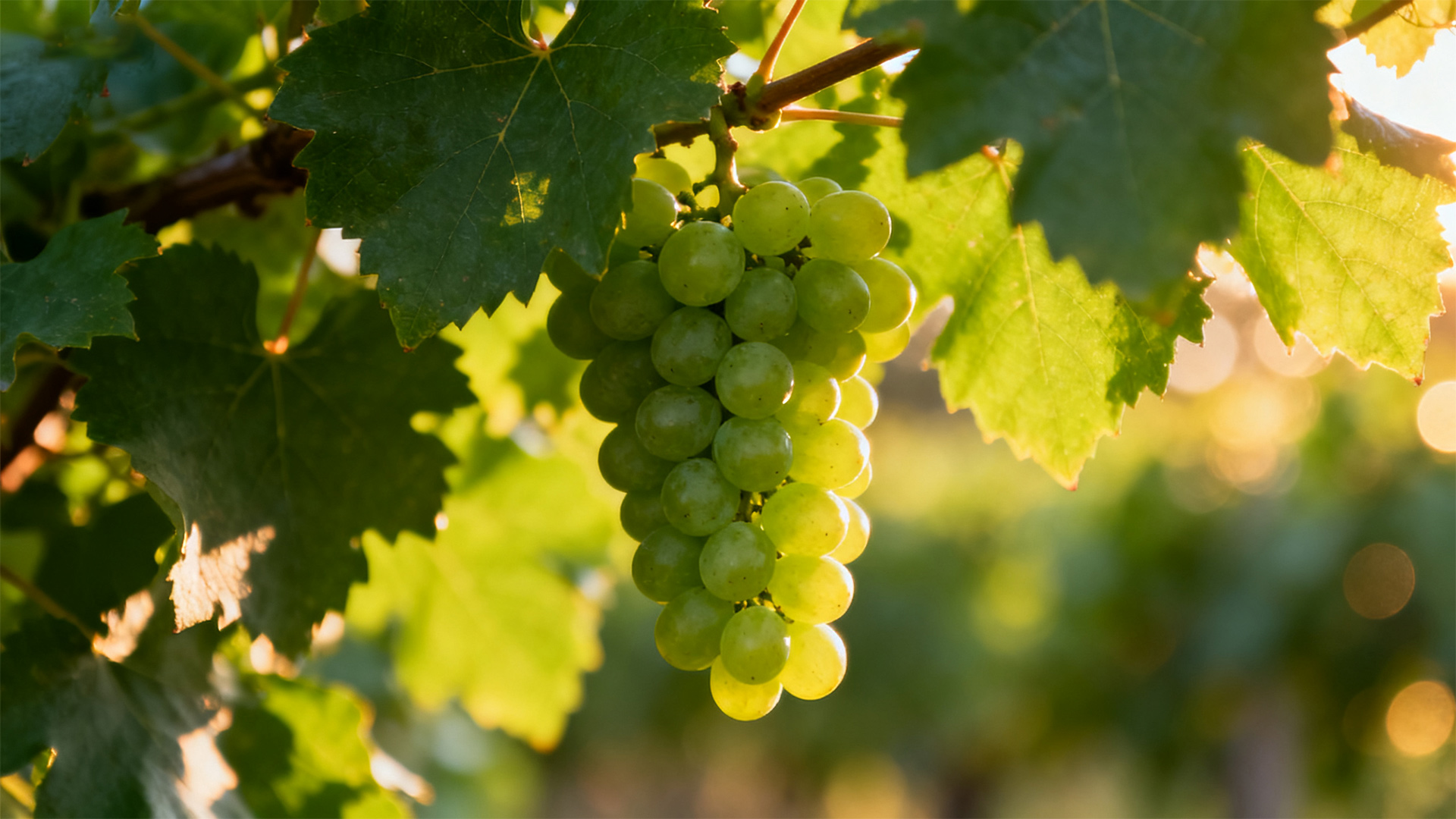
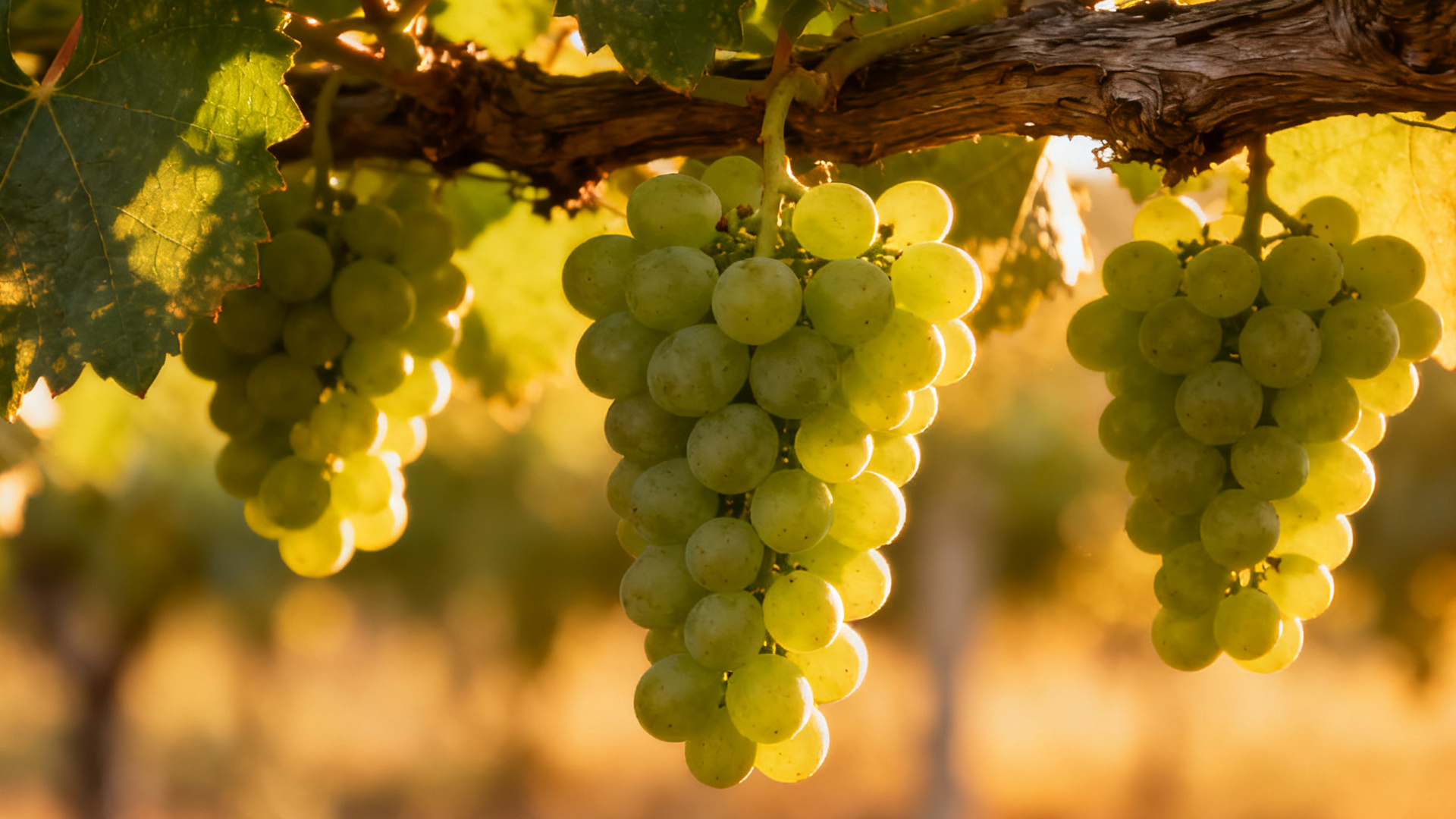
Sauvignon Blanc is an early-ripening, high-vigor white grape recognized for reliable yields and adaptable viticultural performance. It produces loose, medium-sized clusters with thin berry skins, allowing rapid flavor maturation in short growing seasons. Professional viticulture benchmarks define its optimal harvest window at 20–22 °Brix, with a characteristic high acidity range of 8–9 g/L and a low pH of 3.0–3.2 — the scientific foundation of its signature crisp, refreshing palate structure.
This terroir-responsive variety thrives in well-drained gravel, limestone, and sandy soils that restrict excess water retention and preserve aromatic brightness. Cool diurnal temperature shifts are critical for retaining its classic herbal, citrus, and mineral notes. Excessive heat and over-ripening diminish green vegetal traits, resulting in flat, tropical-dominant wines with reduced complexity. Canopy management is a core quality control step: balanced sunlight exposure eliminates unripe bell pepper flavors while locking in bright primary aromas, making it one of the most technically manageable fine-wine grapes for commercial vineyards.
4. Flavor & Aroma Profile
From professional sensory tasting experience, Sauvignon Blanc presents two distinct, easily recognizable stylistic profiles that define its global diversity. Classic Old World expressions from France deliver restrained, elegant aromas of fresh cut grass, green bell pepper, lime zest, and flinty minerality. The palate showcases piercing, clean acidity with a dry, linear finish focused on herbal and citrus precision.
New World iterations, most prominently from Marlborough, burst with bold tropical character: passion fruit, ripe mango, grapefruit, and bright lemon, with softened herbal undertones. Premium oak-aged Sauvignon Blanc develops subtle secondary notes of vanilla, light toast, and smoky complexity, trading raw green freshness for richer textural depth. Almost all commercial expressions are bone-dry with light to medium body. With short-term bottle aging of 2–3 years, primary fruit fades into delicate honeyed and chalky mineral tertiary nuances.
5. Winemaking Style
Commercial and entry-level Sauvignon Blanc prioritizes freshness and primary aroma preservation, achieved through cold stainless steel fermentation at 12–16°C. This low-temperature winemaking standard locks in vibrant citrus and herbal notes, producing early-drinking wines intended for consumption within 1–2 years of vintage.
Premium Old World producers and reserve New World estates utilize restrained French oak aging and gentle lees stirring to enhance mouthfeel and layered complexity without overpowering the grape’s natural brightness. Traditionally, Sauvignon Blanc acts as a key blending partner with Sémillon in Bordeaux, adding acidity and aromatic lift to balance Sémillon’s richness. Basic bottlings offer no aging benefit, while single-vineyard, low-yield premium cuvées can cellar gracefully for 3–5 years, developing refined mineral and honeyed complexity over time.
6. Top Growing Regions
|
Region
|
Style Traits
|
Quality Tier
|
|
Loire Valley, France
|
Elegant, mineral-driven, flint and lime core, crisp linear acidity, restrained herbal precision, classic Old World terroir expression
|
Global Classic Premium Benchmark
|
|
Marlborough, New Zealand
|
Bold tropical passion fruit, bright citrus dominance, soft green herb undertones, juicy and highly aromatic
|
Most Popular Modern Style / Mid-Premium
|
|
Bordeaux, France
|
Balanced mineral-fruit profile, structured texture, commonly blended with Sémillon, subtle oak integration
|
Premium Fine Wine, Age-Worthy
|
|
California & Chile
|
Ripe citrus and stone fruit, rounded acidity, mild herbal notes, approachable and consistent fruit-forward style
|
Everyday & Mid-Tier Commercial
|
7. Food Pairing
Sauvignon Blanc’s vibrant acidity and bright herbal-citrus profile deliver exceptional food versatility, cutting through light richness and complementing fresh savory flavors. Below are field-tested graded pairings optimized for different styles:
-
Best Classic Matches: Fresh raw oysters, grilled white fish, shellfish platters, green garden salads, aged goat cheese, herb-roasted chicken
-
New World Bold Style Matches: Lightly spicy Southeast Asian dishes, citrus-glazed seafood, fresh summer ceviche, tropical fruit salads
-
Oak-Aged Premium Matches: Seafood risotto, baked scallops, soft creamy cheeses, roasted vegetable medleys
-
Pairing Avoidance: Heavy creamy sauces, pungent blue cheese, rich braised red meats, overly sweet desserts that overpower its bright acidity
8. Similar Variety Comparison
Sauvignon Blanc vs. Viognier: Sauvignon Blanc features high piercing acidity and dominant green-citrus herbal notes with a light, brisk palate. Viognier offers soft acidity, powerful floral aromas, and a velvety rich texture. The two varieties represent opposing aromatic white profiles: one fresh and zesty, the other lush and perfumed.
Sauvignon Blanc vs. Chardonnay: Sauvignon Blanc has strong inherent primary aromas focused on herbs and citrus, with consistent bright acidity. Chardonnay is a neutral terroir-driven grape, heavily shaped by oak and soil, offering fuller body and softer, rounder acidity with no fixed primary aromatic identity.
Key Takeaways
-
Sauvignon Blanc is a versatile French-origin white grape celebrated for its bright acidity, citrus freshness, and distinct herbal aromatic character.
-
It exhibits two core stylistic identities: mineral-driven, restrained Old World elegance and bold, tropical New World juiciness.
-
Cool climates and balanced canopy management are essential to preserving its signature green, flinty, and citrus-driven complexity.
-
A traditional blending staple in Bordeaux, it also produces high-quality single-varietal wines for immediate enjoyment and short-term cellaring.
-
Its zesty acidity makes it one of the most food-flexible white wines, ideal for seafood, salads, and lightly spiced cuisine.
9. Summary
Sauvignon Blanc remains one of the most reliable, diverse, and beloved white wine grapes in global viticulture. Rooted in French terroir yet adaptable to worldwide growing conditions, it balances approachable everyday drinkability with serious fine-wine potential. Defined by vibrant acidity, bright citrus, and distinctive herbal-mineral traits, it offers a uniquely refreshing alternative to richer, creamier white varieties. Whether enjoyed as a crisp Loire mineral wine or a fruity Marlborough classic, Sauvignon Blanc’s consistent quality and exceptional food versatility secure its enduring global popularity.
Written by Eric Bennett | WSET Level 4 Diploma (DipWSET)
Frequently Asked Questions
Q1: What flavors are typical of Sauvignon Blanc?
Sauvignon Blanc signature flavors include lime, grapefruit, fresh cut grass, and green bell pepper. New World styles add prominent passion fruit and tropical notes, while Old World wines showcase flinty mineral undertones with bright, zesty acidity.
Q2: Is Sauvignon Blanc always dry?
Nearly all mainstream and premium Sauvignon Blanc is bone-dry. Only rare late-harvest or botrytized expressions carry residual sugar, while standard commercial bottlings maintain crisp, dry freshness with zero cloying sweetness.
Q3: Where does the best Sauvignon Blanc come from?
The Loire Valley produces the most elegant, mineral-driven benchmark Old World examples, while Marlborough, New Zealand, creates the most iconic tropical, fruit-forward New World style. Bordeaux offers structured, age-worthy blended and single-varietal premium cuvées.
Q4: What food pairs best with Sauvignon Blanc?
It pairs perfectly with fresh seafood, oysters, green salads, goat cheese, and lightly spicy Asian dishes. Its high acidity cuts through subtle richness while complementing fresh, savory, and bright flavors.




No comments yet