


Name & International Aliases
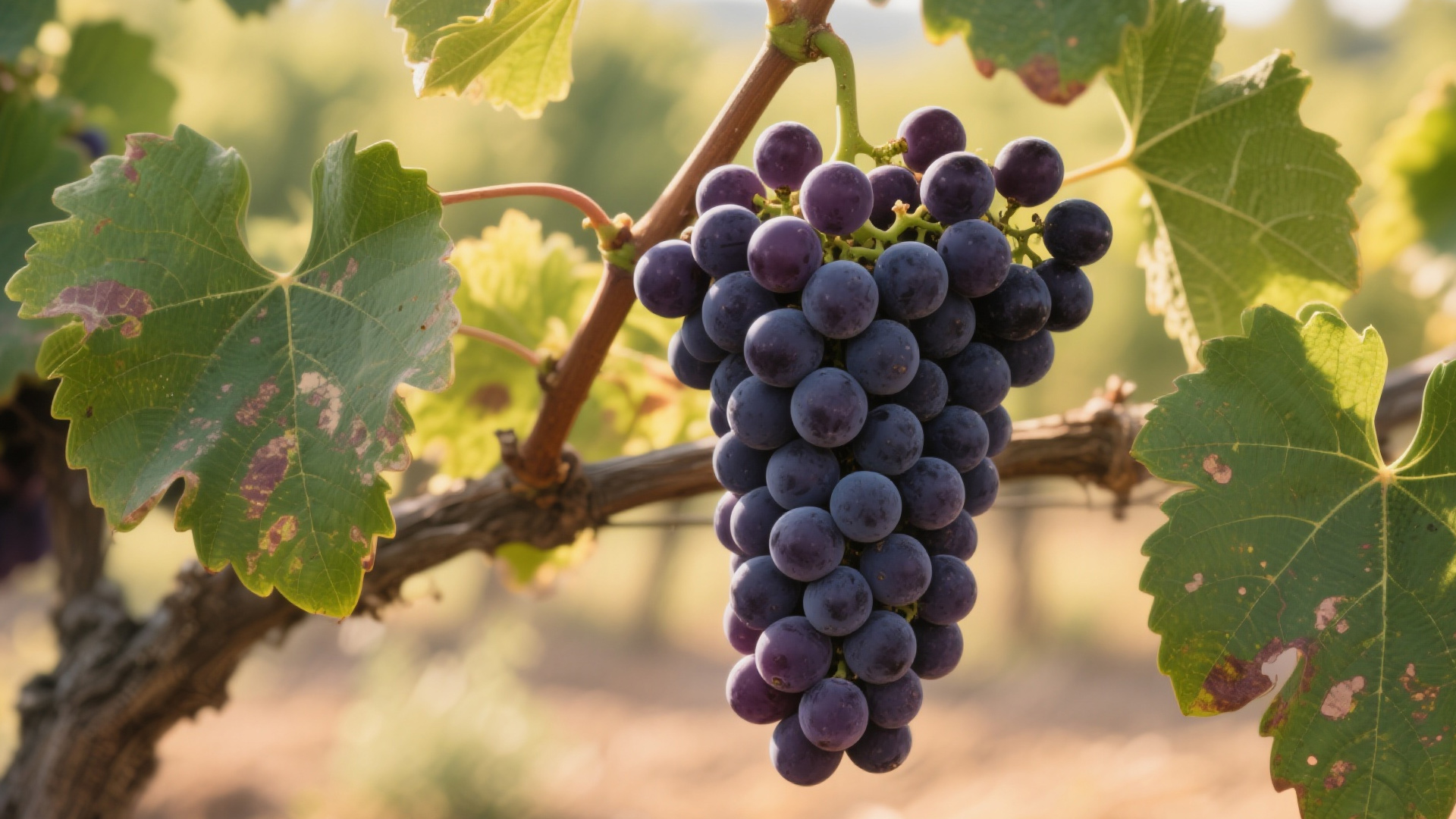
Cabernet Sauvignon is the internationally recognized official name of this noble red wine grape. The variety possesses different regional appellations and local translations across major wine-producing countries, including 赤霞珠 in Chinese-speaking regions, and localized expressions in German, Italian, Spanish, Russian, and Greek wine markets. These regional naming conventions reflect its global planting history and widespread commercial popularity.
1. Introduction
Cabernet Sauvignon is one of the most famous widely planted red wine grape varieties in the world. Renowned for its strong structure, outstanding aging potential, and classic dark fruit flavors, this noble red grape has become the benchmark for full-bodied red wines across both Old World and New World wine regions. It is the backbone of iconic blends from Bordeaux and has achieved global popularity for its consistent quality and recognizable flavor profile, favored by winemakers and wine collectors worldwide.
2. Origin & History
Cabernet Sauvignon originated in the Bordeaux region of France. Genetic research confirms that the variety is a natural cross between Cabernet Franc and Sauvignon Blanc, forming by spontaneous hybridization in the 17th century. For centuries, it thrived in the Left Bank of Bordeaux, dominating prestigious appellations such as Margaux, Latour, and Pauillac. In the late 20th century, Cabernet Sauvignon spread rapidly across the globe, migrating to major New World wine countries including the United States, Australia, Chile, and South Africa, eventually becoming the most internationally recognized red wine grape variety.
3. Viticulture Characteristics
Cabernet Sauvignon features small, thick-skinned berries with compact clusters. The thick skin is the core reason for the grape’s high tannin content, deep color, and rich phenolic compounds. The vine has strong disease resistance and adaptability to diverse climates and soil conditions.
This variety prefers warm, dry, and well-drained growing environments, with gravelly soil being the most ideal planting condition—gravel soil drains excess water effectively, limits excessive vine growth, and concentrates fruit flavors. It requires sufficient sunlight and heat to achieve full ripeness. In cool climates, Cabernet Sauvignon may fail to ripen completely, resulting in prominent green bell pepper and herbal flavors with harsh tannins. Its vigorous growth requires strict yield control to produce high-quality wine grapes.
4. Flavor & Aroma Profile
The core flavor and aroma characteristics of Cabernet Sauvignon are highly unified across regions, with subtle differences brought by terroir and winemaking techniques. Young Cabernet Sauvignon wines primarily present intense dark fruit aromas, including blackcurrant, black cherry, and black plum, accompanied by typical herbal notes of green bell pepper, mint, and cedar.
After oak barrel aging, the wine develops rich secondary aromas such as vanilla, tobacco, dark chocolate, and baking spice. On the palate, Cabernet Sauvignon features a full body, high tannin, high acidity, and a long finish. With aging, the harsh tannins soften gradually, and the fruit flavors integrate with oak and tertiary earthy notes, forming a smooth and layered taste.
5. Winemaking Style
Cabernet Sauvignon is extremely versatile in winemaking and is suitable for both single-variety bottlings and classic blended wines. In traditional Bordeaux winemaking, it is usually blended with Merlot, Cabernet Franc, and Petit Verdot to balance structure, fruitiness, and softness.
Winemakers commonly adopt extended skin maceration to extract sufficient tannins, color, and flavor substances. Oak barrel aging is a standard process for premium Cabernet Sauvignon wines, with French oak adding delicate spice and vanilla tones, and American oak bringing richer coconut and sweet vanilla flavors. This variety has excellent aging potential. Entry-level wines can be enjoyed within 3–5 years, while high-quality premium Cabernet Sauvignon can age for 10–50 years, evolving complex tertiary flavors of leather, truffle, and dried fruit during cellaring.
6. Top Growing Regions
Bordeaux, France (Old World Classic Region): As the birthplace of Cabernet Sauvignon, the Left Bank of Bordeaux produces the most classic and structured Cabernet-blend wines. Wines from this region are elegant, balanced, with tight tannins and remarkable aging ability, representing the traditional style of Cabernet Sauvignon.
Napa Valley, USA: Napa Valley is the most famous New World producing area for Cabernet Sauvignon. Abundant sunshine and warm temperatures ensure full ripeness of the grapes. Local Cabernet Sauvignon wines are full-bodied, rich in ripe black fruit flavors, with soft tannins and strong fruity sweetness, forming a bold and luxurious style.
Other Core Regions: Australia’s Barossa Valley, Chile’s Maipo Valley, South Africa’s Stellenbosch, and Tuscany in Italy also produce high-quality Cabernet Sauvignon wines, each presenting unique regional characteristics ranging from fruity and approachable to structured and complex.
7. Food Pairing
Thanks to its high tannin and full body, Cabernet Sauvignon perfectly pairs with high-protein and fatty foods, as tannins can neutralize grease and refresh the palate. The classic pairings include grilled beef steak, lamb chops, braised red meat, beef brisket, and hard aged cheeses such as Cheddar and Parmesan.
For seasoned dishes, roasted meats with black pepper, mushroom sauce, and smoked meat are ideal matches. It is not recommended to pair Cabernet Sauvignon with light seafood, sweet desserts, or spicy stir-fries, which will disrupt the wine’s flavor balance and amplify bitter and astringent tastes.
8. Similar Variety Comparison
Cabernet Sauvignon vs. Merlot: Merlot has softer tannins, higher fruitiness, and a lighter body, with dominant plum and red fruit flavors, making it more approachable for early drinking. In contrast, Cabernet Sauvignon is more structured and tannic, with stronger aging potential and darker fruit flavors.
Cabernet Sauvignon vs. Syrah/Shiraz: Syrah features prominent black pepper, smoky, and dark berry flavors with softer tannins and spicier notes. Cabernet Sauvignon focuses more on blackcurrant, cedar, and herbal characteristics, with a firmer and tighter palate structure.
9. Summary
Cabernet Sauvignon stands as the most iconic and influential red wine grape variety in the global wine industry. Its unique thick skin structure, stable growth adaptability, and extraordinary aging potential make it favored by wineries worldwide. Whether in classic Bordeaux blends or single-variety New World wines, Cabernet Sauvignon delivers distinctive flavor experiences. With bold structure, rich dark fruit flavors, and complex layered aromas after aging, it is the best choice for wine lovers who pursue full-bodied, structured, and age-worthy red wines.
© Copyright Notice
All articles are copyrighted by the authors; no reproduction without permission.
THE END


- Latest
- Hot
View all