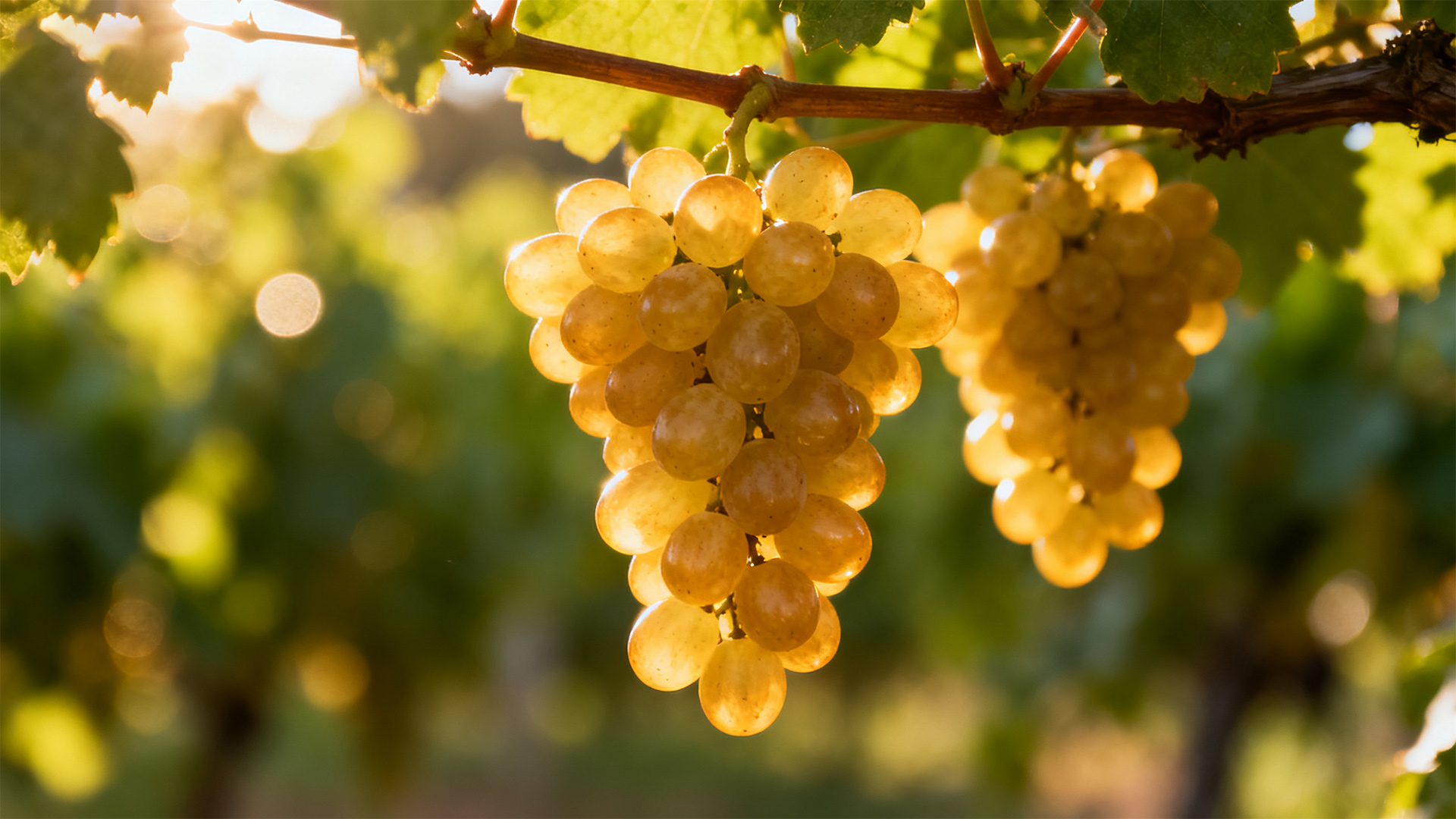



Name & International Aliases
Sauvignon Blanc is the standard international name for this iconic aromatic white wine grape. It is known as 长相思 in Chinese-speaking wine markets. The name derives from French terms meaning “wild white,” referencing its vigorous growth and bright herbaceous character. It carries no major global synonyms, maintaining consistent naming standards across all Old and New World wine regions.
1. Introduction
Sauvignon Blanc is a high-acid, intensely aromatic white wine grape celebrated for its vibrant, refreshing, and unmistakable flavor profile. Originating in France, it is one of the most widely planted and stylistically diverse white varieties, producing crisp, lively wines defined by zesty acidity, herbaceous brightness, and pure fruit clarity. Unlike neutral white grapes that rely on winemaking for character, Sauvignon Blanc delivers bold primary aromas and vibrant freshness naturally. It serves as both a standalone premium varietal wine and a critical blending partner for Semillon in classic dry and sweet Bordeaux whites. Approachable, food-friendly, and terroir-responsive, it remains a global favorite for everyday drinking and refined wine service.
2. Origin & History
Sauvignon Blanc originated in western France’s Loire Valley and Bordeaux regions, with documented cultivation dating back centuries. Genetic studies confirm it is a parent variety of Cabernet Sauvignon, crossing with Cabernet Franc to create the world-famous red grape, cementing its place in foundational Bordeaux viticulture.
In its early history, Sauvignon Blanc thrived in cool, limestone-driven French terroirs, establishing two classic Old World styles: mineral-driven Loire Valley expressions and structured blended Bordeaux whites. The grape rose to global fame in the late 20th century, when New Zealand’s Marlborough region redefined the variety with explosive tropical fruit profiles. Since then, it has spread across all major wine continents, branching into Old World mineral and New World fruit-forward stylistic categories. Today, it is recognized as one of the most versatile and instantly recognizable white wine grapes worldwide.
3. Viticulture Characteristics
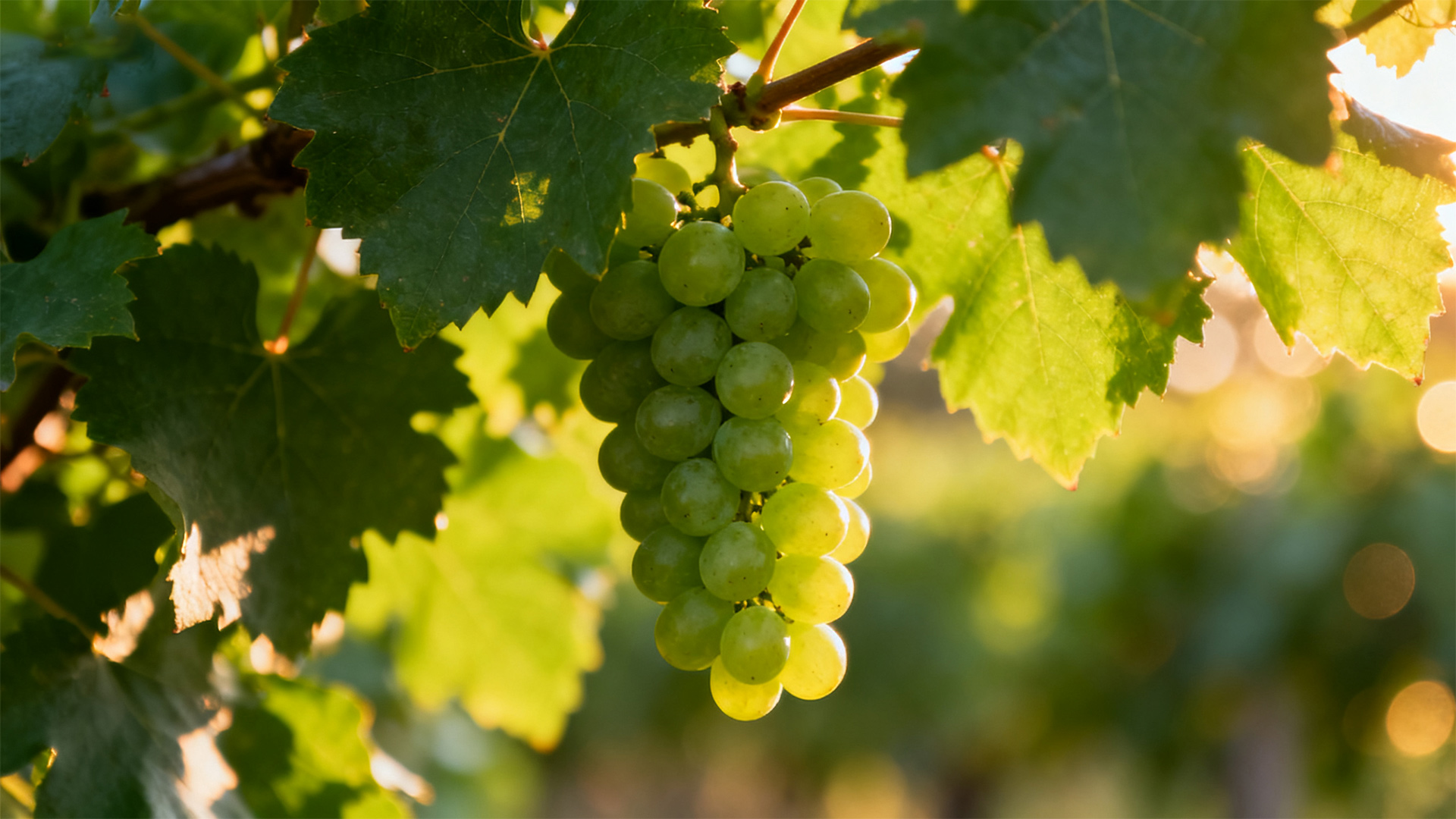
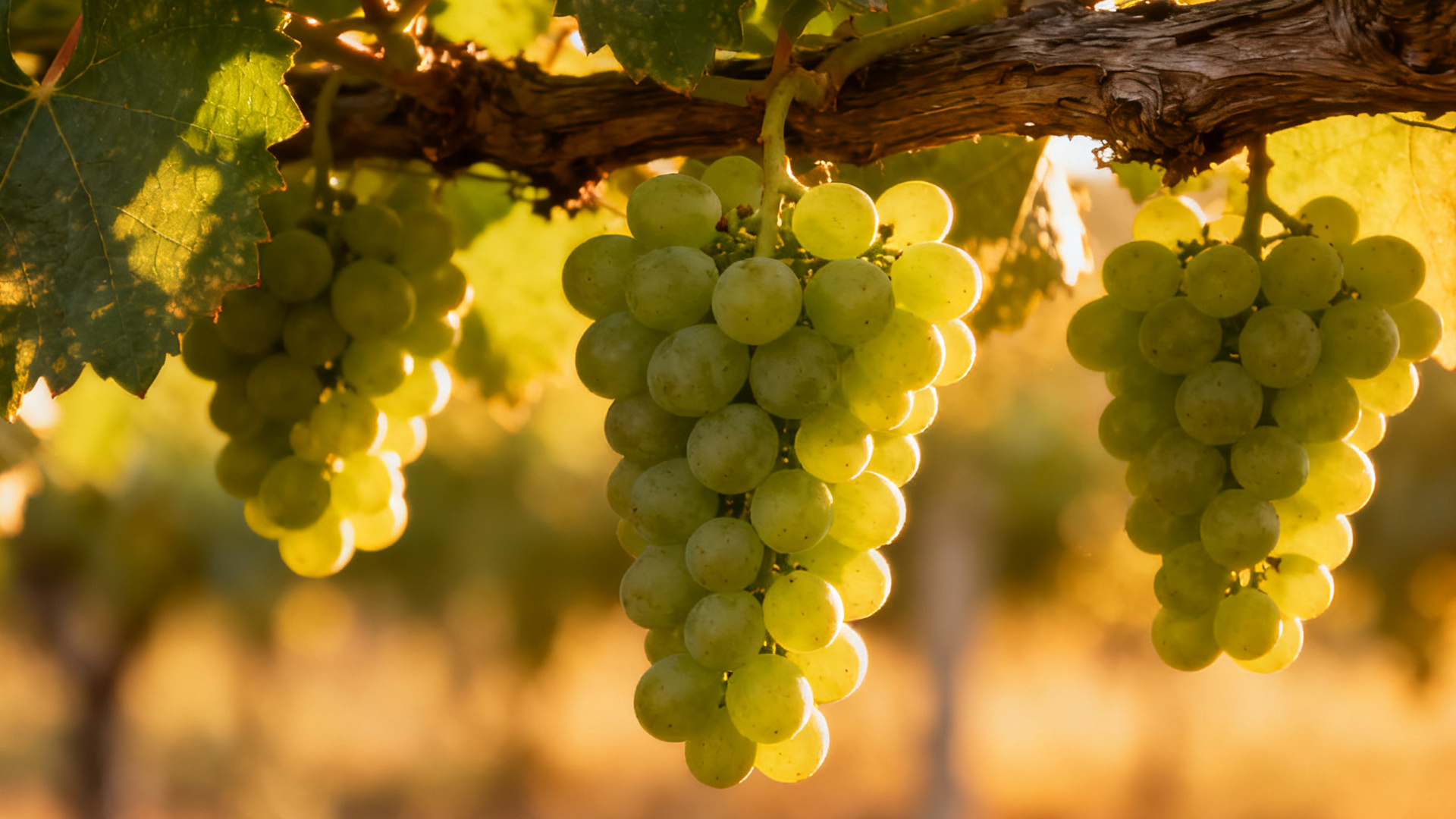
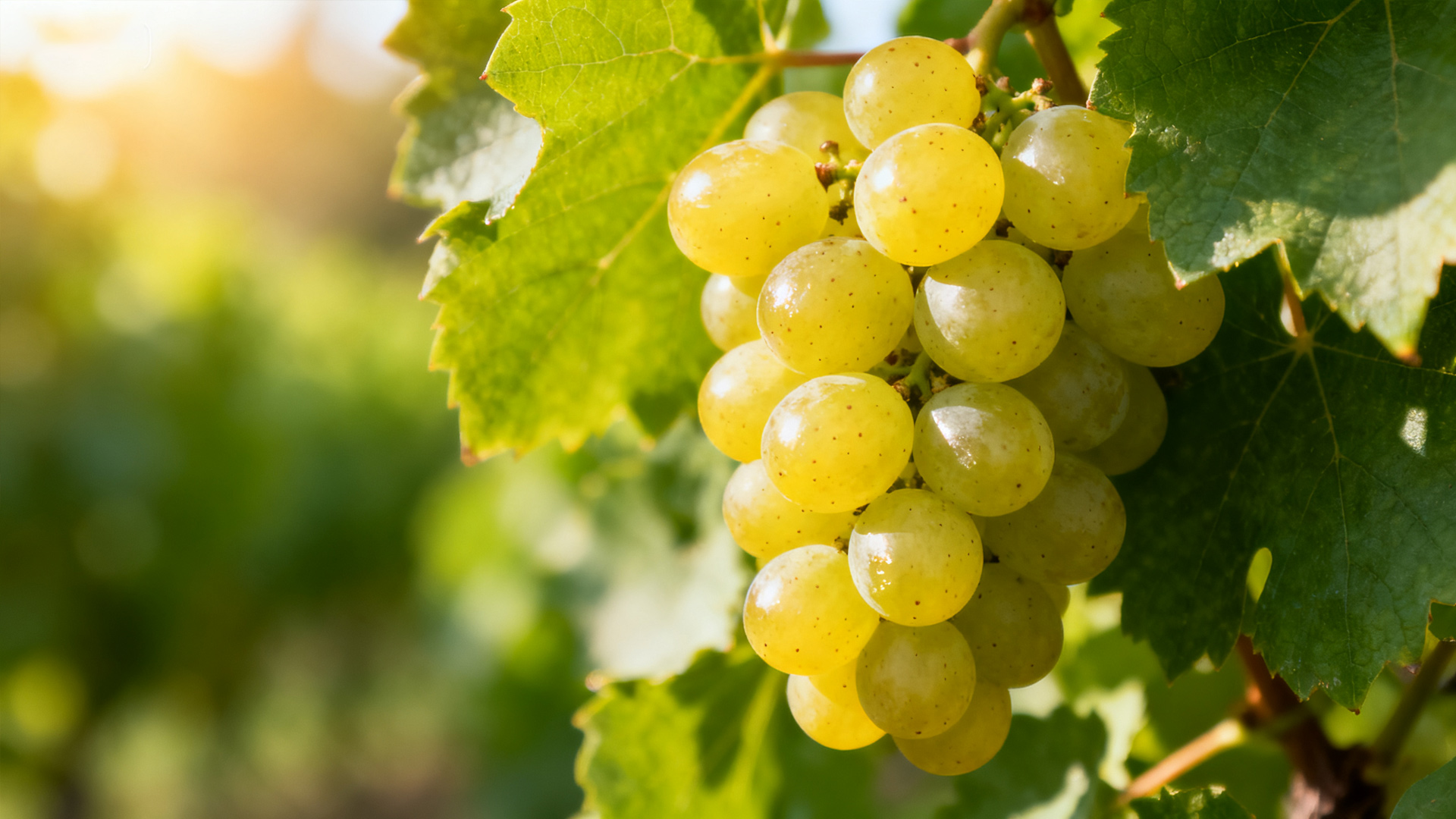
Sauvignon Blanc is an early-ripening, vigorous white grape variety with hardy, adaptable growing traits. It produces loose, medium-sized clusters with thin skins, allowing excellent airflow and quick ripening while minimizing rot pressure in humid conditions.
The variety thrives in cool to moderate climates, where prolonged growing seasons and cool nighttime temperatures preserve its signature bright acidity and aromatic complexity. It performs exceptionally well on gravel, limestone, and loamy soils, which enhance mineral definition and prevent excessive vigor. Cool-climate viticulture emphasizes grassy, citrus, and mineral notes, while warmer zones yield riper tropical fruit characters. High yields can dilute its distinct aromatic intensity, so controlled vine growth and precise early harvesting are essential to locking in its vibrant herbal and fruity signature.
4. Flavor & Aroma Profile
Sauvignon Blanc features a powerful, immediately recognizable aromatic profile with stark stylistic differences between Old and New World styles. Classic cool-climate Old World expressions deliver bright citrus zest, green apple, fresh cut grass, bell pepper, and flinty mineral notes, paired with subtle herbal and saline undertones.
New World iterations showcase ripe tropical intensity, dominated by passion fruit, guava, mango, and ripe citrus with fewer herbal tones. On the palate, Sauvignon Blanc offers light to medium body, razor-sharp vibrant acidity, and a clean, brisk finish with no heavy bitterness or creamy texture. Unoaked styles prioritize pure fruit and herbal brightness, while oaked premium versions develop subtle vanilla, toast, and honeyed complexity. With minimal aging, it retains bright freshness, while select structured bottlings evolve gentle mineral and nutty tertiary layers.
5. Winemaking Style
Sauvignon Blanc winemaking focuses heavily on preserving its natural aromatic vibrancy and crisp acidity. The vast majority of commercial Sauvignon Blanc is fermented in stainless steel with cold-temperature vinification, locking in fresh herbal, citrus, and tropical fruit brightness for early-drinking accessibility.
In Bordeaux, Sauvignon Blanc is commonly blended with Semillon to add aromatic lift, zesty acidity, and freshness, balancing Semillon’s waxy richness and textural depth. Premium Bordeaux Blanc and select New World reserve wines undergo restrained French oak aging and lees stirring to build subtle creaminess and secondary complexity without overpowering the variety’s signature brightness. Basic Sauvignon Blanc wines are best consumed within 1–3 years to preserve youthful vibrancy, while high-quality oaked or single-vineyard bottlings can age gracefully for 5–8 years.
6. Top Growing Regions
Loire Valley, France (Old World Benchmark): The Loire Valley’s Sancerre and Pouilly-Fumé appellations define classic Old World Sauvignon Blanc. Limestone and flint soils produce mineral-driven, structured, elegant wines with crisp citrus, herbal, and flinty complexity.
Marlborough, New Zealand (New World Icon): Marlborough is the global benchmark for tropical, fruit-forward Sauvignon Blanc. Cool maritime climates and fertile plains yield intensely aromatic wines with bold passion fruit, citrus, and vibrant zesty acidity.
Bordeaux & Global Regions: Bordeaux produces structured blended white wines for everyday and fine-wine tiers. California, Chile, and South Africa craft balanced styles bridging herbal Old World subtlety and ripe New World tropical fruit intensity.
7. Food Pairing
Thanks to its bright acidity, herbal vibrancy, and clean fruit character, Sauvignon Blanc is exceptionally food-versatile. Classic mineral-driven Sancerre pairs perfectly with fresh oysters, shellfish, steamed white fish, goat cheese, and green salads, with its sharp acidity cutting through brininess and fresh herbal flavors.
Tropical New World styles complement light seafood, seasonal vegetable dishes, herb-roasted poultry, and mild soft cheeses. Its bright, zesty profile also pairs beautifully with mildly spicy dishes and citrus-forward cuisine. The wine’s brisk freshness makes it ideal for light, bright, and savory meals, though it can be overpowered by heavily braised, rich, or intensely spicy dishes.
8. Similar Variety Comparison
Sauvignon Blanc vs. Chardonnay: Chardonnay is a neutral, texturally versatile grape with subtle primary fruit and strong oak adaptability. Sauvignon Blanc is intensely aromatic, herbaceous, and citrus-driven with sharp zesty acidity, offering far more upfront flavor brightness and less textural creaminess or aging structure than premium oaked Chardonnay.
Sauvignon Blanc vs. Pinot Gris: Pinot Gris delivers soft stone fruit, creamy texture, and gentle spice with moderate acidity and rounded palate weight. Sauvignon Blanc features brighter acidity, herbal and tropical intensity, and a crisp, lean finish, offering greater freshness and aromatic precision with less textural richness.
9. Summary
Sauvignon Blanc is an iconic, high-acid aromatic white grape celebrated for its bright herbal, citrus, and tropical fruit vibrancy, exceptional freshness, and incredible stylistic range. Defined by zesty acidity, pure upfront fruit character, and versatile terroir expression, it produces both mineral-driven Old World fine wines and fruit-forward New World crowd-pleasers. As a key blending component in legendary Bordeaux whites and a standalone global favorite, Sauvignon Blanc remains one of the most refreshing, food-friendly, and universally beloved white wine varieties in modern viticulture.
© Copyright Notice
All articles are copyrighted by the authors; no reproduction without permission.
THE END

No comments yet