


Name & International Aliases
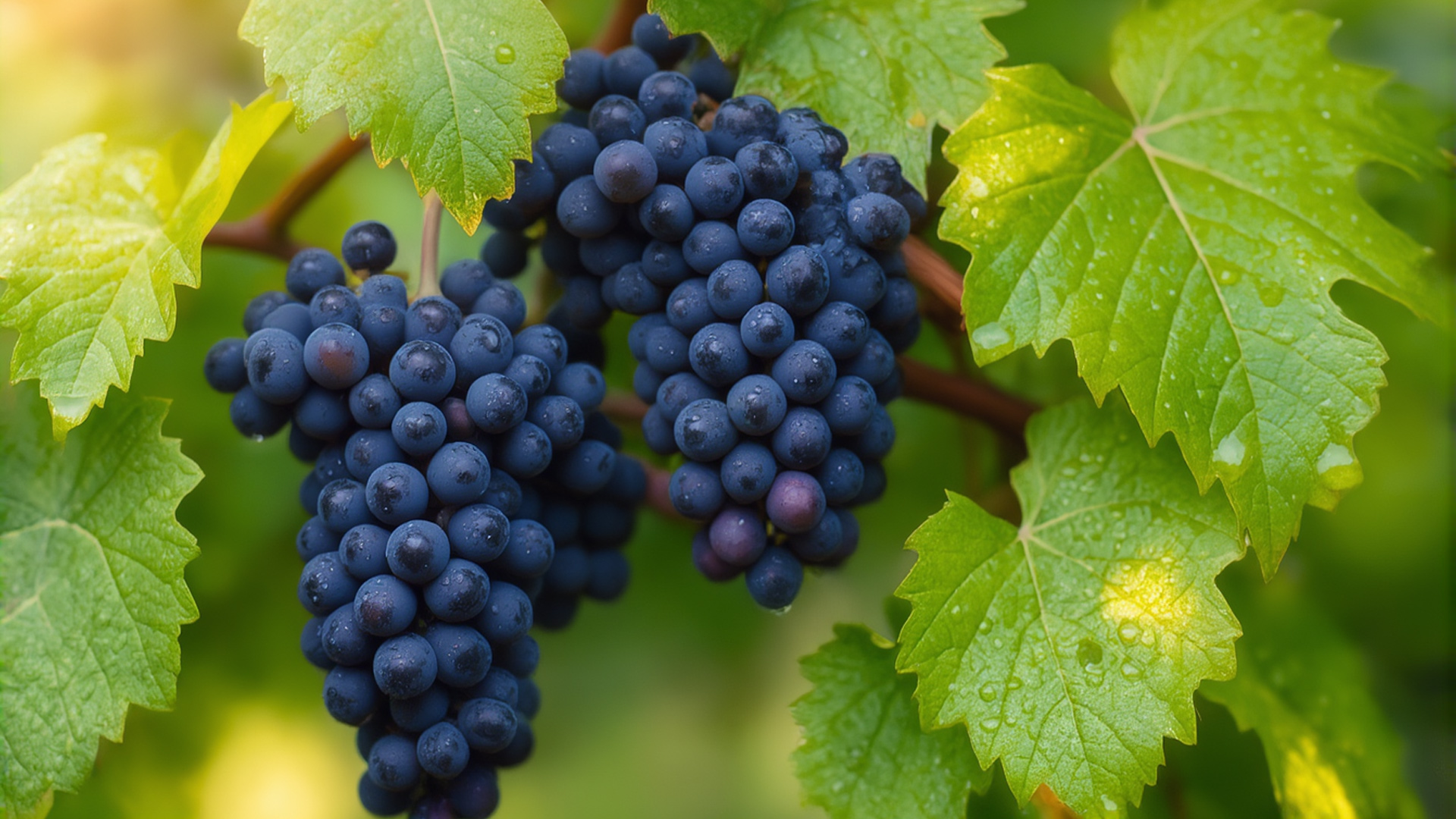
Sangiovese is the official international name of Italy’s flagship red wine grape. It is known as 桑娇维塞 in Chinese-speaking wine markets. The name derives from the Latin “Sanguis Jovis,” meaning “blood of Jupiter,” reflecting its ancient Italian heritage. It holds numerous regional clones and local synonyms across Italy, including Sangiovese Grosso and Sangiovese Piccolo, but remains universally labeled as Sangiovese for global trade.
1. Introduction
Sangiovese is the dominant noble red grape of central Italy, serving as the backbone of Tuscany’s most celebrated fine wines. Renowned for its bright red fruit, vibrant tart acidity, structured tannins, and distinctive dusty earthy character, it delivers a uniquely elegant, savory, and terroir-driven drinking experience. Unlike bold, fruit-forward New World reds, Sangiovese prioritizes freshness, balance, and subtle complexity, offering bright sour cherry, herbal, and mineral layers. Extremely versatile in style, it produces everyday easy-drinking wines as well as age-worthy premium bottlings capable of decades of cellaring. As the most planted red grape in Italy, it defines the identity of traditional Italian fine red wine.
2. Origin & History
Sangiovese is an ancient Italian grape variety with a viticultural history spanning over 2,000 years, believed to have originated in Tuscany and the central Apennine regions. It was cultivated extensively during Etruscan and Roman times, becoming deeply embedded in Italian cultural and winemaking heritage.
Throughout the Middle Ages and Renaissance, Sangiovese solidified its reputation as Tuscany’s primary red grape, forming the foundation of Chianti, Brunello di Montalcino, and Vino Nobile di Montepulciano. Over centuries, regional clonal variations emerged, creating distinct stylistic differences across central Italy. While it has been planted globally in modern times, Sangiovese achieves unparalleled expression only in its native Italian terroirs, remaining the undisputed symbol of classic Italian red wine elegance and tradition.
3. Viticulture Characteristics
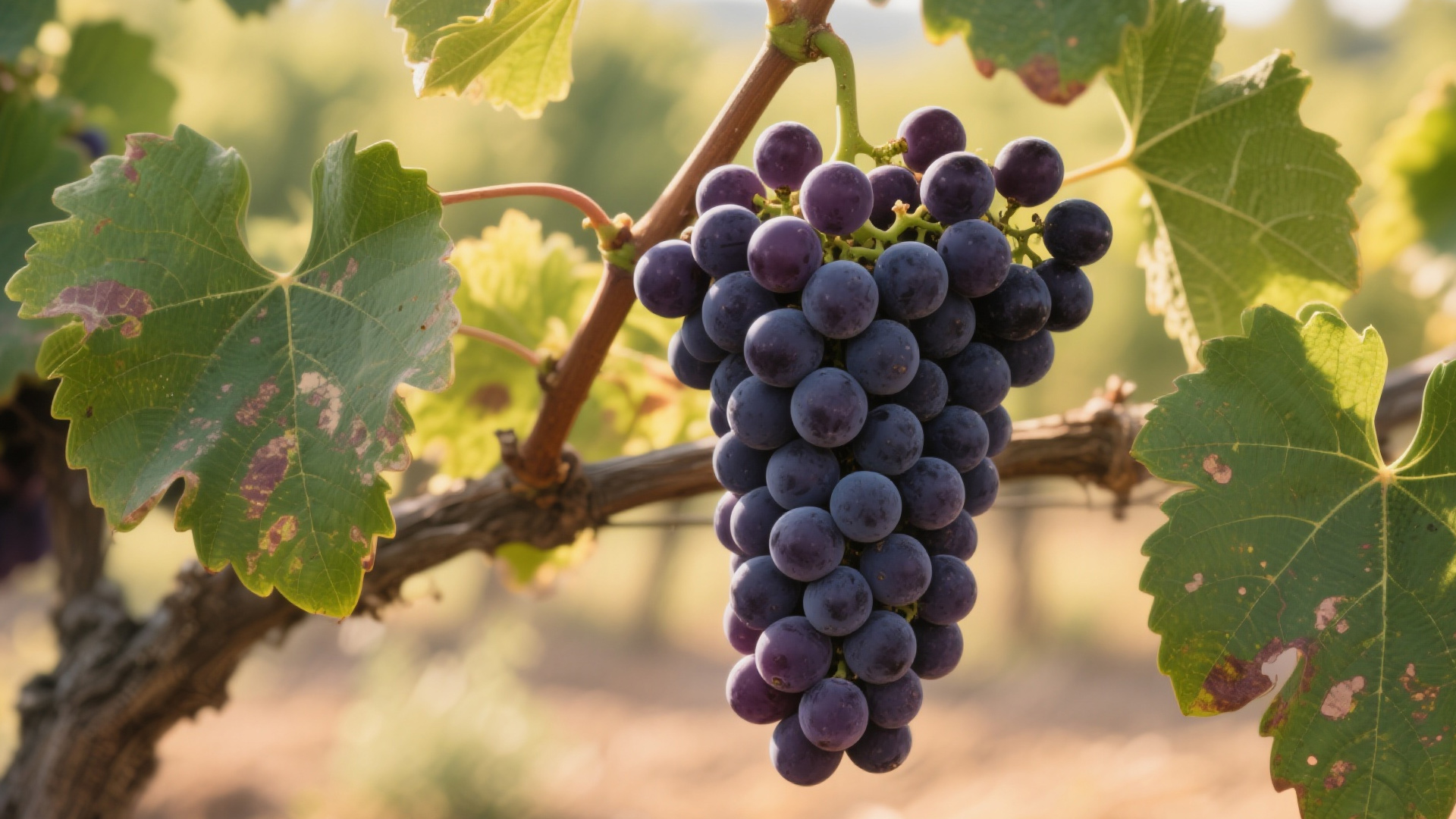
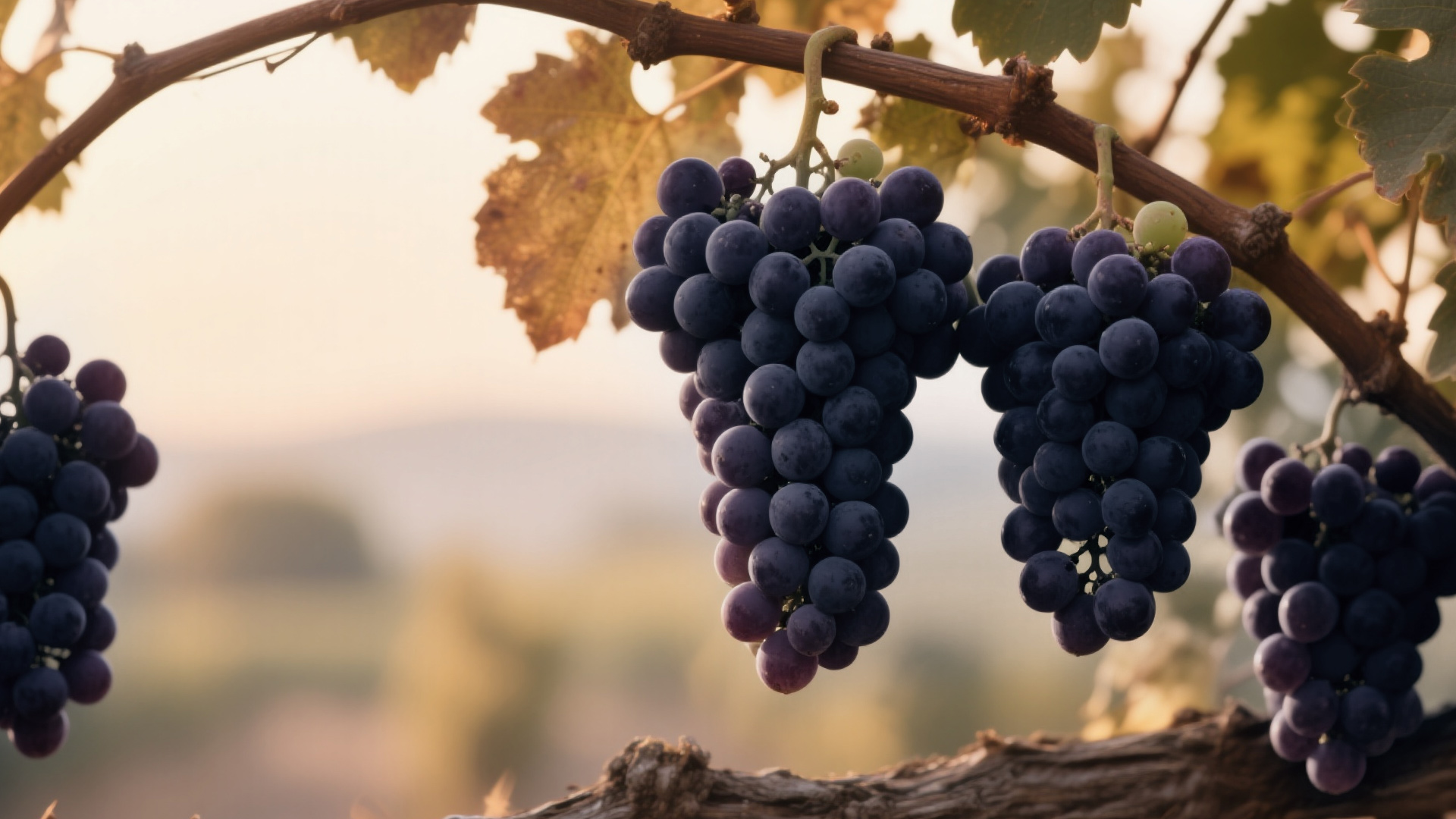
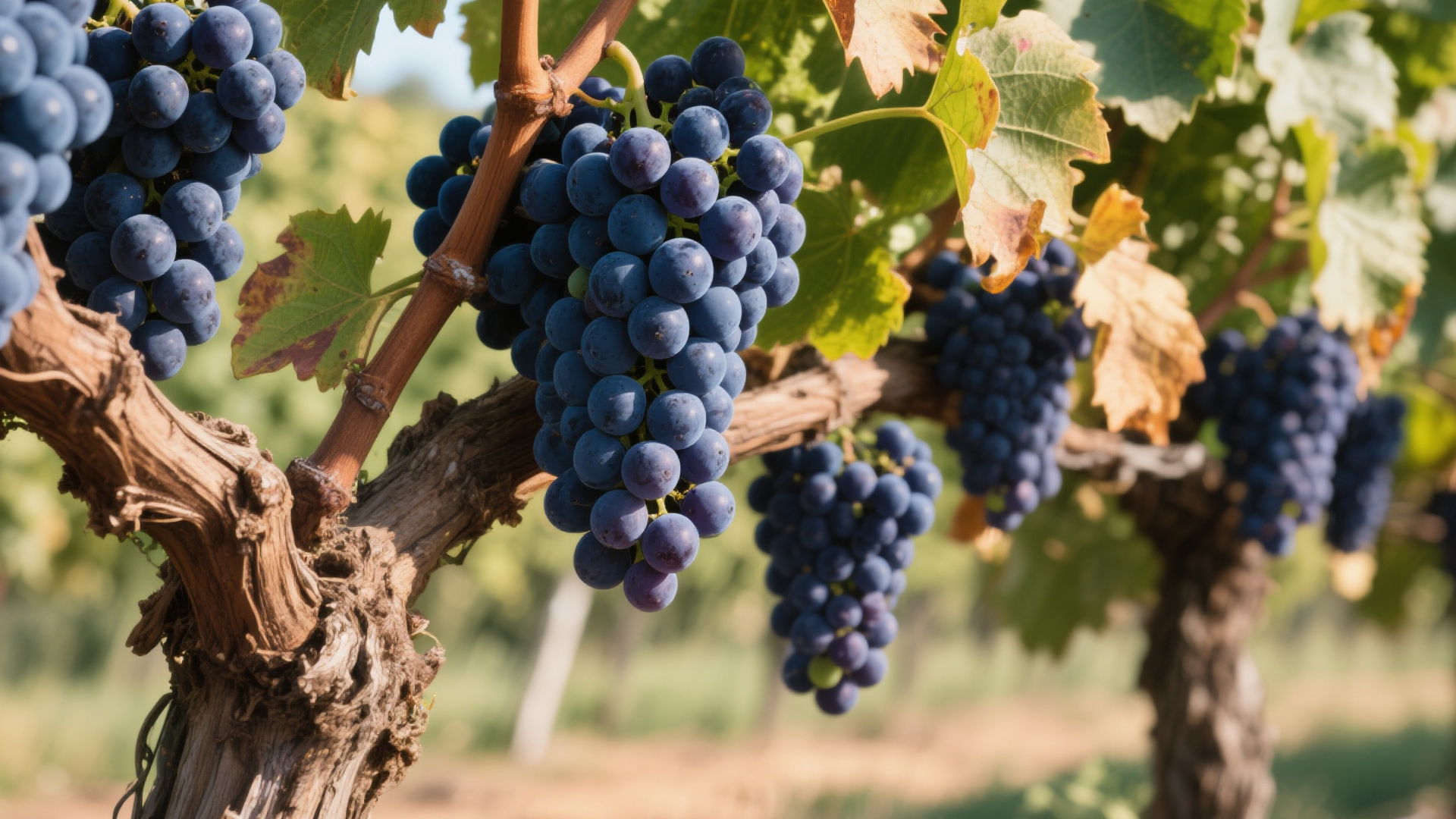
Sangiovese is a late-ripening, vigorous red grape variety well-adapted to Italy’s temperate continental and Mediterranean climates. It produces medium-sized clusters with thin skins, contributing to its relatively light color intensity, bright acidity, and moderately structured tannins.
The variety thrives on well-drained, stony, clay-limestone, and marl soils typical of central Italian hill country. These low-fertility hillside sites restrict excessive vigor, concentrating fruit flavors and amplifying signature earthy, dusty, and mineral notes. Sangiovese requires ample daytime sunlight and cool alpine-influenced nighttime temperatures to balance ripeness and preserve its hallmark vibrant acidity. It is highly sensitive to terroir and clone variation; low-yield hill vineyards produce structured, complex fine wines, while flatland high-yield vines yield simpler, lighter styles.
4. Flavor & Aroma Profile
Sangiovese features a distinctive bright, savory flavor profile defined by tart red fruit and rustic earthy undertones. Youthful wines showcase primary aromas and flavors of wild sour cherry, red raspberry, red plum, and dried red currant, accented by fresh herbal notes of dried oregano, rosemary, and violet floral hints.
With oak aging, Sangiovese develops secondary layers of dried tobacco, leather, dried earth, cedar, and subtle baking spice. Premium aged expressions bring out rich truffle, dried dark cherry, and nutty complexity. On the palate, it offers light to medium body, vibrant mouthwatering acidity, firm fine-grained tannins, and a long savory finish. Its signature tart red fruit and earthy rusticity distinguish it from sweet, jammy red varieties, delivering a dry, refined, food-focused character.
5. Winemaking Style
Sangiovese winemaking varies drastically based on regional appellation and aging protocol. Basic Chianti-style wines utilize shorter maceration and neutral oak or stainless steel to preserve bright fresh red fruit and vibrant acidity, crafted for early, approachable drinking.
Premium Tuscan styles including Brunello di Montalcino and Vino Nobile di Montepulciano undergo extended maceration and prolonged aging in large traditional oak barrels, building structured tannins, earthy depth, and remarkable aging potential. Some modern producers use small French oak for softer, riper, more international styled expressions. Entry-level Sangiovese is best enjoyed within 2–4 years, while premium Brunello and Riserva bottlings can age gracefully for 15–30 years, developing sophisticated tertiary earth, leather, and dried fruit complexity.
6. Top Growing Regions
Tuscany, Italy (Global Benchmark): Tuscany is the undisputed home of premium Sangiovese. Classic appellations including Chianti Classico, Brunello di Montalcino, and Vino Nobile di Montepulciano produce terroir-driven, age-worthy wines with bright red fruit, earthy rusticity, and elegant structure.
Central Italy: Umbria and Marche produce approachable, fresh Sangiovese-based wines with bright acidity and juicy red fruit, ideal for everyday consumption.
New World Regions: California and Australia produce fruit-forward, riper Sangiovese styles with softer acidity and jammy red fruit, tailored for modern easy-drinking preferences.
7. Food Pairing
Sangiovese’s high acidity, savory earthiness, firm tannins, and tart red fruit make it exceptionally food-friendly, perfectly suited for traditional Italian cuisine. It pairs beautifully with tomato-based pastas, margherita pizza, herb-roasted chicken, grilled pork, and classic charcuterie boards, with its bright acidity cutting through tomato acidity and savory fat.
Premium aged Sangiovese complements braised red meats, lamb dishes, mushroom risottos, roasted game, and aged Italian hard cheeses. Its dry, savory profile avoids cloying sweetness, making it versatile for rustic, herbal, and umami-rich savory dishes. It pairs poorly with overly sweet or heavily spicy cuisines that disrupt its delicate earth and red fruit balance.
8. Similar Variety Comparison
Sangiovese vs. Pinot Noir: Both are light-medium bodied, high-acid, food-friendly reds with bright red fruit. Pinot Noir offers softer silkier tannins, prominent earthy-truffle complexity, and floral elegance. Sangiovese presents firmer structured tannins, brighter tart cherry flavor, and distinctive dusty herbal rusticity with greater aging structure.
Sangiovese vs. Nebbiolo: Nebbiolo delivers intense rose, tar, cherry, and powerful tannic structure with extreme acidity. Sangiovese is more approachable, fruit-forward, less aggressively structured, and more herb-earthy, offering earlier drinkability while retaining excellent cellar potential.
9. Summary
Sangiovese is Italy’s most iconic and culturally significant red wine grape, celebrated for its bright tart red fruit, vibrant refreshing acidity, firm tannic structure, and rustic earthy complexity. As the foundation of Tuscany’s greatest fine wines, it spans versatile styles from fresh everyday quaffing wines to legendary long-aging premium cuvées. Defined by terroir transparency, savory balance, and exceptional food compatibility, Sangiovese remains the ultimate benchmark for elegant, traditional Old World red wine character.
© Copyright Notice
All articles are copyrighted by the authors; no reproduction without permission.
THE END

No comments yet