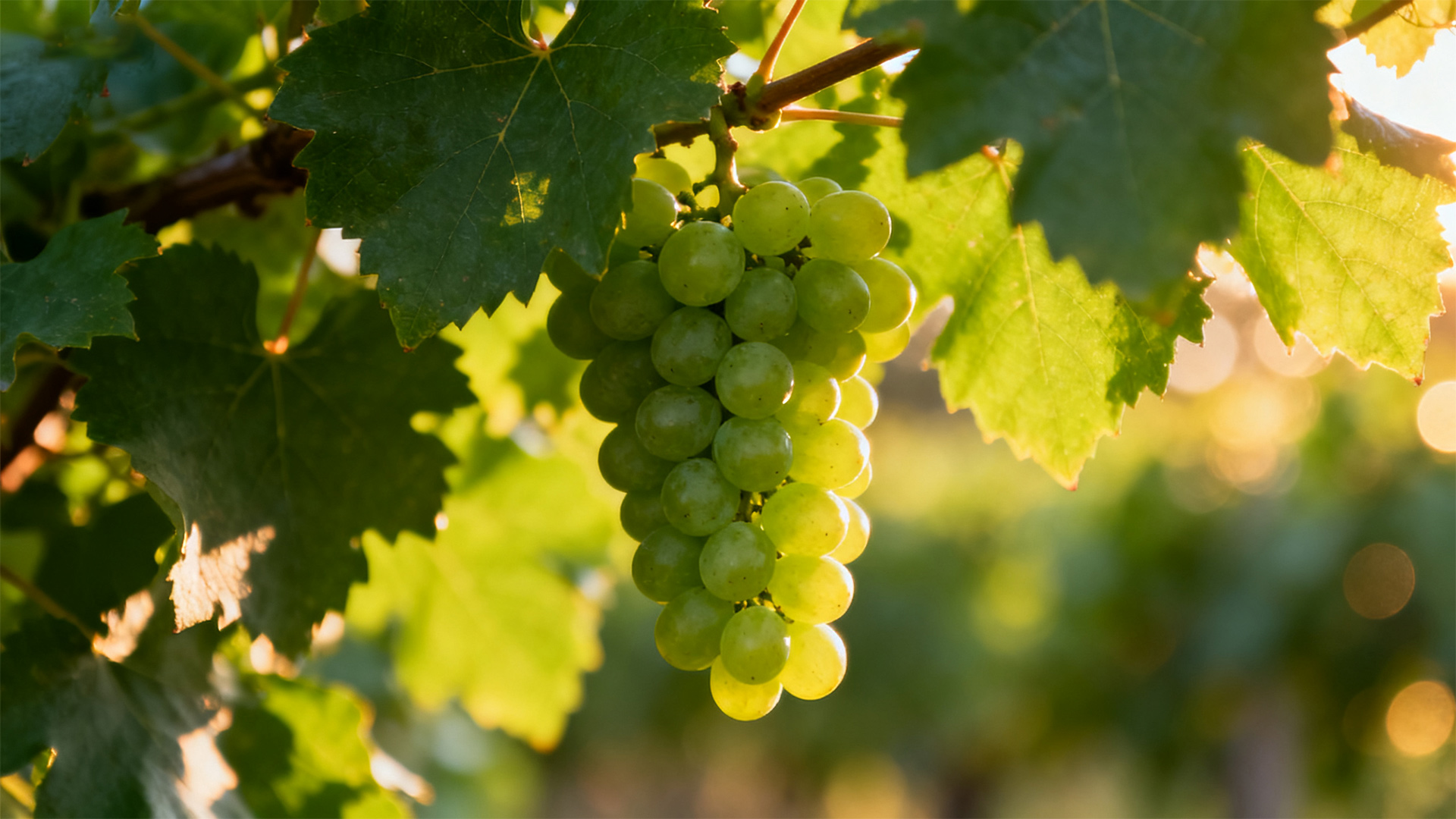



Name & International Aliases
Riesling is the official global name of this elite aromatic white wine grape. It is known as 雷司令 in Chinese-speaking wine markets. Originating from German viticulture, the variety maintains a unified naming standard worldwide with no major commercial synonyms, universally recognized as one of the world’s finest terroir-expressive white grapes.
1. Introduction
Riesling is a premium cool-climate aromatic white grape, widely regarded as the most terroir-sensitive and age-worthy white wine variety in existence. Originating in Germany, it stands out from other aromatic grapes for its razor-sharp natural acidity, incredible stylistic range, and distinctive evolving aromatic profile. Capable of producing bone-dry mineral-driven table wines, off-dry fruity cuvées, and world-class noble rot dessert wines, Riesling covers the entire sweetness spectrum with uncompromised balance. Lacking heavy bitterness or excessive weight, it delivers extraordinary purity, precision, and layered complexity, earning its reputation as a benchmark for refined white wine excellence.
2. Origin & History
Riesling’s documented cultivation history dates back to medieval Germany, with earliest official records from the Rhine Valley in the 15th century. It quickly became Germany’s flagship noble white grape, thriving in the country’s cool continental climate and steep riverbank vineyards that define classic German viticulture.
For centuries, Riesling dominated premium German wine production, famous for its ability to develop botrytized sweet wines of exceptional quality and longevity. Unlike fashionable New World grapes, Riesling retained its classic Old World identity, prioritizing terroir and balance over overpowering fruit intensity. In modern times, it spread to cool-climate regions including Austria, Alsace, and Australia, developing regional stylistic variations. Today, Riesling is globally celebrated as the gold standard for balanced, aromatic, and cellar-worthy white wines.
3. Viticulture Characteristics
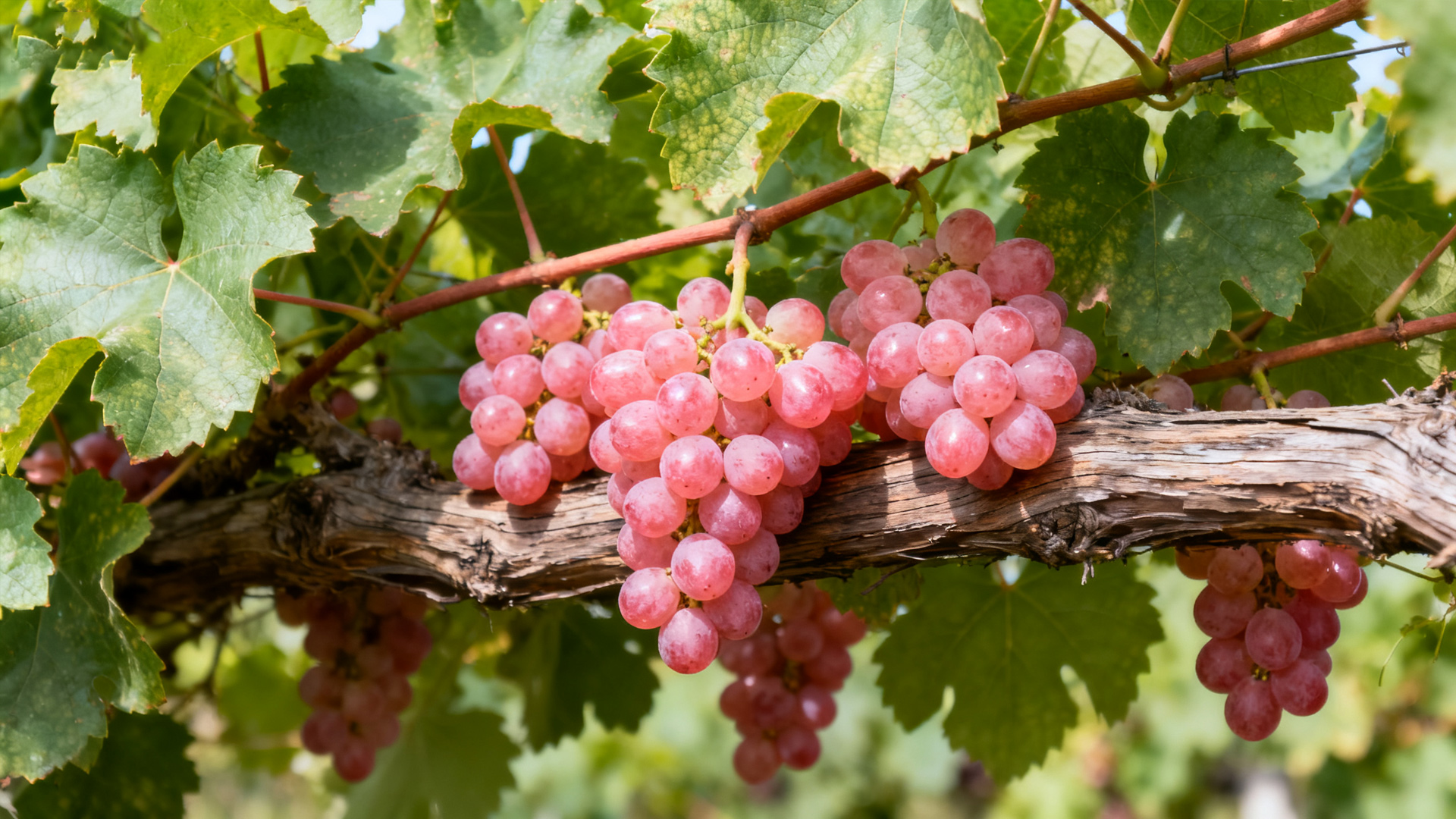
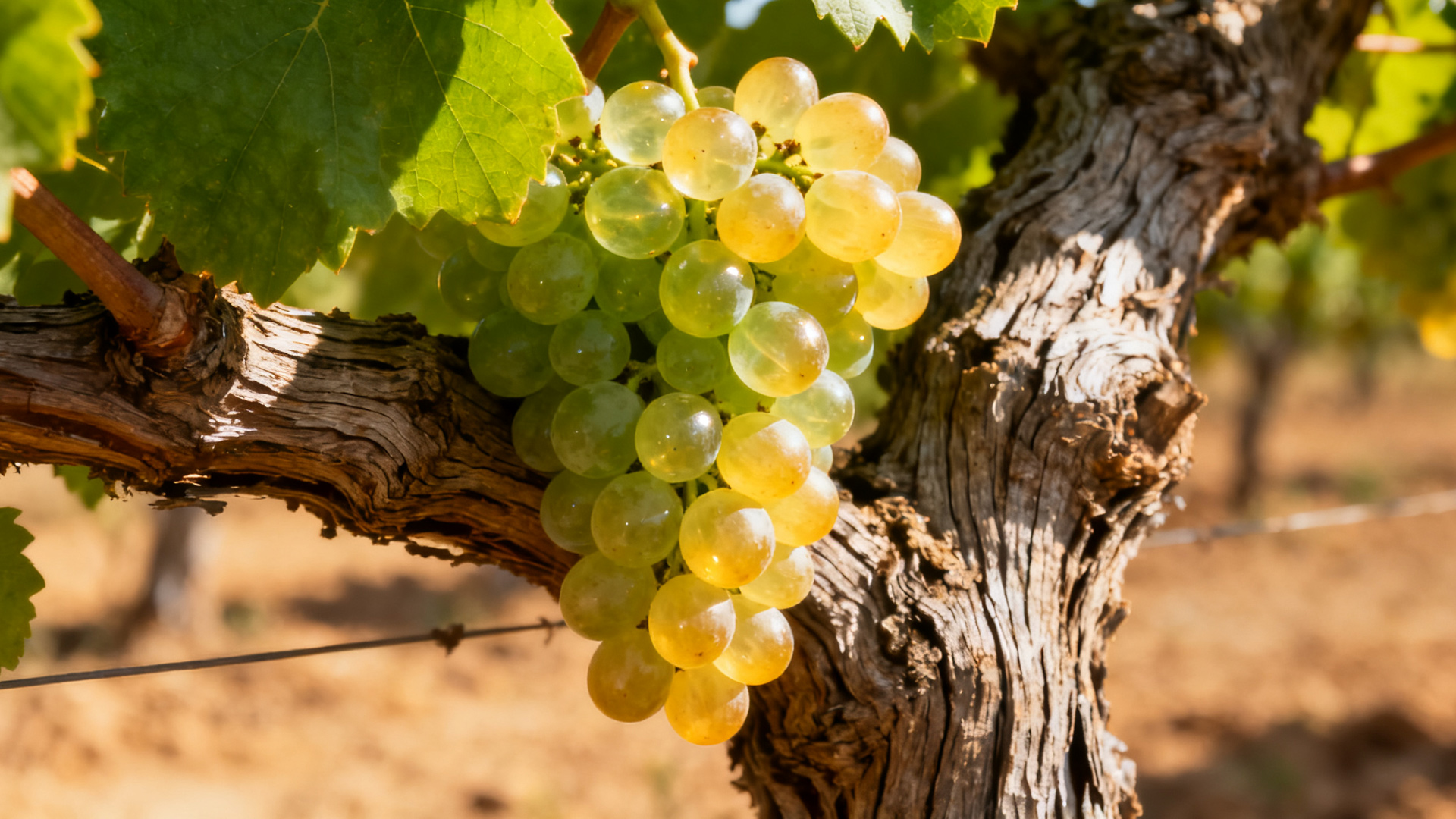
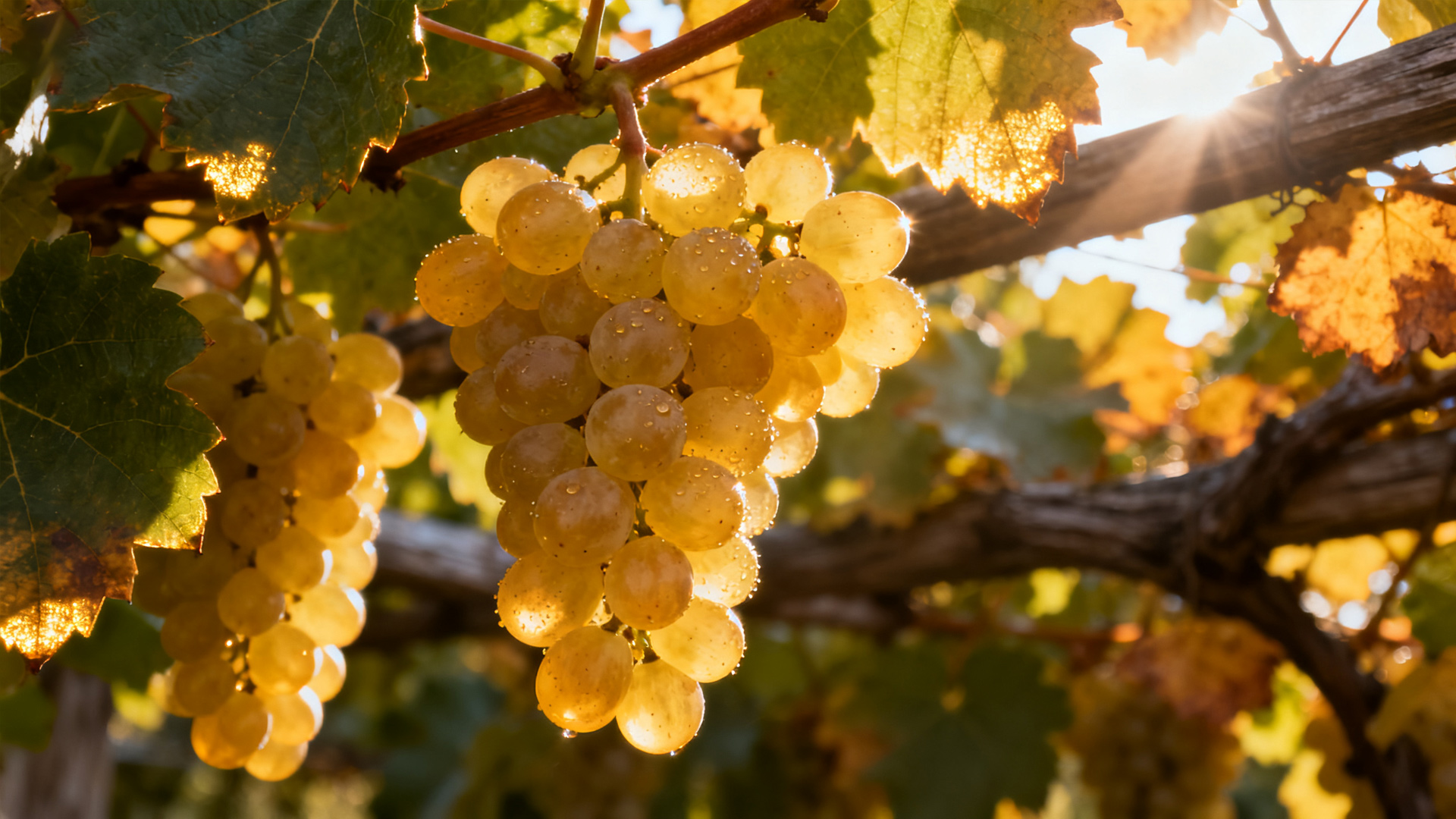
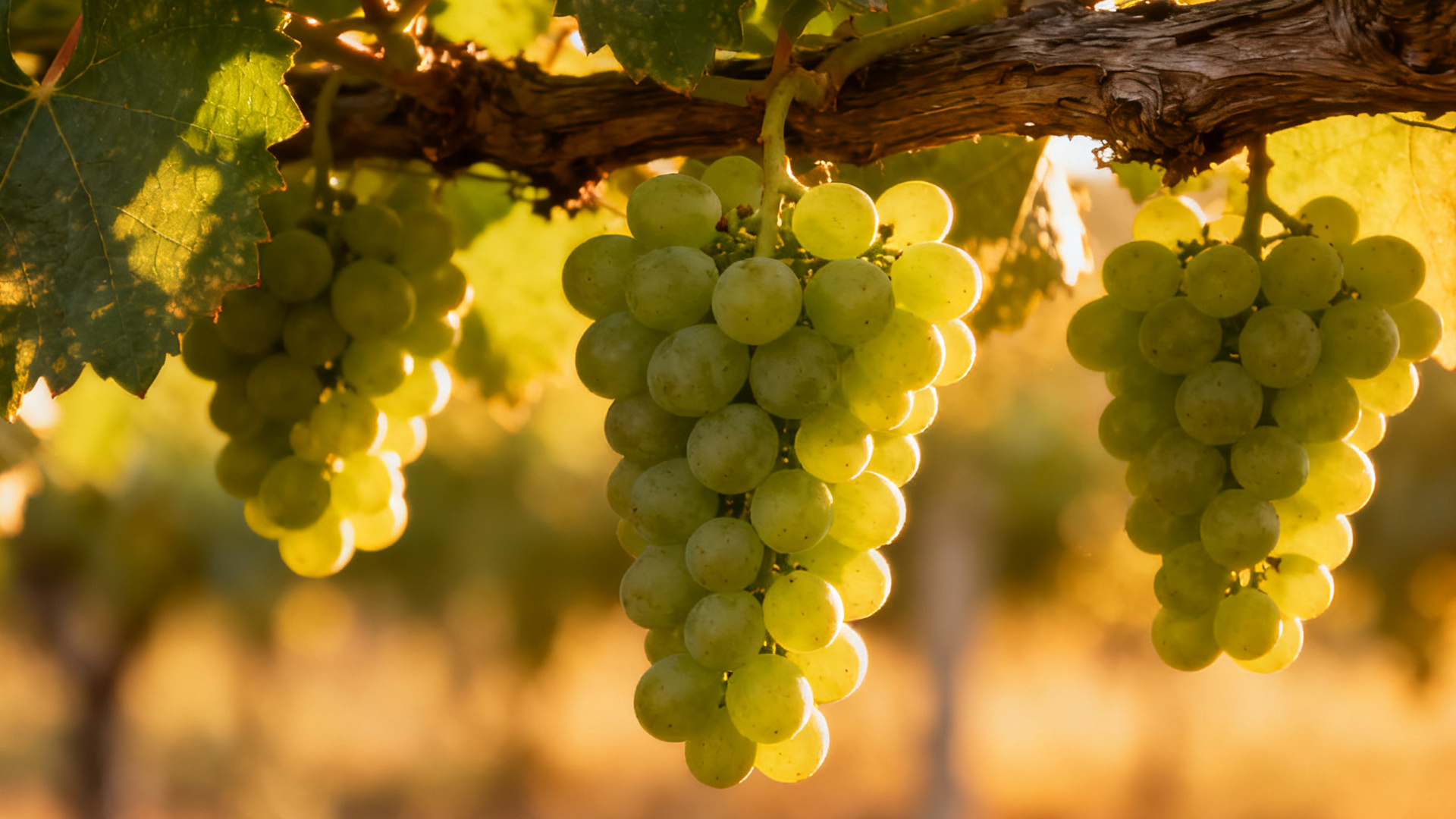
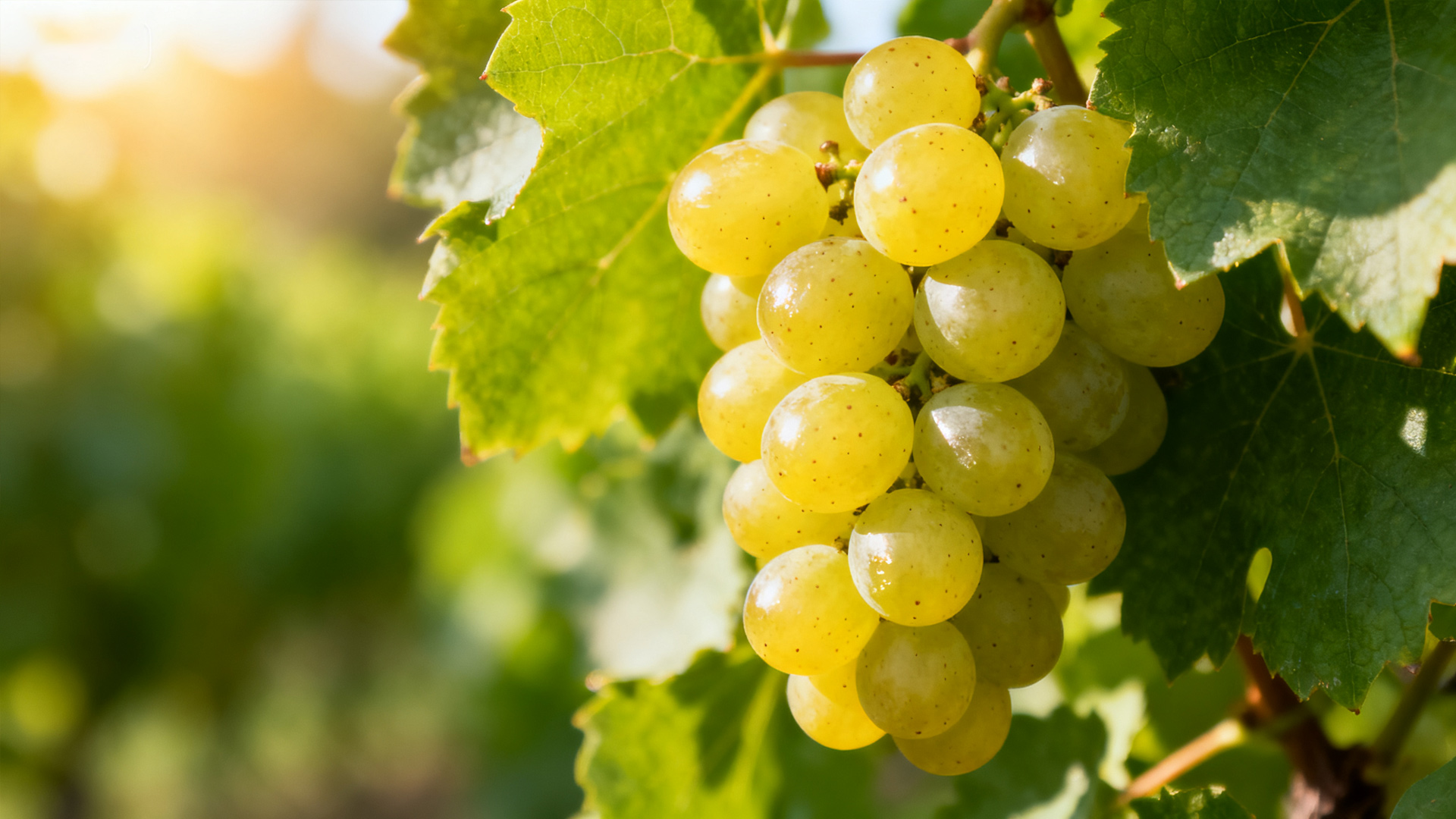
Riesling is a late-ripening, cold-tolerant white grape variety perfectly adapted to cool marginal climates. It produces medium-sized loose clusters with thin skins, allowing excellent airflow that reduces fungal pressure while supporting ideal botrytis cinerea development in suitable humid conditions.
The variety requires a long, slow growing season and significant diurnal temperature shifts to fully ripen, preserving its signature bright acidity while accumulating fruit sweetness and aromatic complexity. It performs exceptionally well on steep, sun-exposed slopes with slate, quartz, and volcanic soils, which amplify mineral tension and terroir definition. Riesling’s most defining viticultural trait is its naturally high acidity at all ripeness levels, enabling unmatched balance in dry, off-dry, and sweet styles. Low-yield vine management and precise harvest timing are critical to preserving its delicate aromatic precision and mineral purity.
4. Flavor & Aroma Profile
Young Riesling features bright, vibrant primary aromas dominated by green apple, lime zest, white peach, pear, and fresh citrus blossom, accented by subtle white floral and herbal undertones. Cool-climate expressions showcase prominent mineral flint and slate notes derived from steep slope terroirs, creating a crisp, pristine flavor foundation.
As Riesling matures, it develops its signature iconic tertiary character: distinct petrol, kerosene, and honeyed wax notes that define aged premium Riesling. Dry styles emphasize citrus and mineral brightness, while off-dry and sweet bottlings offer layered honey, apricot, and candied citrus richness. On the palate, Riesling delivers light to medium body, searing vibrant acidity, and a long, clean lingering finish. Its unique combination of fruit brightness, mineral precision, and evolving petrol complexity makes it one of the most recognizable wine profiles globally.
5. Winemaking Style
Riesling’s global reputation stems from its unparalleled stylistic versatility across all sweetness levels. Traditional German winemaking prioritizes minimal intervention and stainless steel fermentation to preserve pure fruit brightness, aromatic precision, and terroir-driven minerality, crafting dry (Trocken), off-dry (Kabinett), and semi-sweet (Spätlese) styles.
Premium late-harvest and botrytized Riesling (Auslese, Beerenauslese, Trockenbeerenauslese) produces ultra-concentrated luxury dessert wines with extraordinary aging resilience. Most Riesling is unoaked to avoid masking its delicate mineral and fruit purity, retaining crisp freshness and aromatic clarity. Basic entry-level Riesling is enjoyable within 1–3 years, while premium single-vineyard German and Alsatian Riesling can age gracefully for 15–30 years, developing rich petrol, honey, and tertiary mineral complexity.
6. Top Growing Regions
Germany (Rhine & Mosel, Old World Benchmark): The Mosel, Rheingau, and Nahe appellations produce the world’s most iconic Riesling. Steep slate slopes, cool river climates, and poor mineral soils yield high-acid, elegant, intensely mineral-driven wines with exceptional aging potential.
Alsace, France: Alsatian Riesling offers fuller body, richer stone fruit, and restrained minerality compared to German styles, crafting structured dry and off-dry expressions with excellent cellar worthiness.
Australia & Austria: Australian Clare Valley and Eden Valley produce bright, dry, mineral-focused Riesling with prominent lime and floral notes. Austrian Riesling balances juicy stone fruit, subtle white pepper spice, and vibrant acidity for structured, food-friendly dry styles.
7. Food Pairing
Riesling’s vibrant acidity, low alcohol, and flexible sweetness levels make it one of the most food-versatile fine white wines globally. Dry mineral-driven Riesling pairs beautifully with fresh oysters, shellfish, steamed white fish, green salads, and light herbal vegetable dishes, with its sharp acidity cutting through brininess and subtle fat.
Off-dry Riesling excels with spicy Asian cuisine, Thai curries, seasoned pork, and creamy soft cheeses, using gentle residual sugar to balance heat and savory intensity. Botrytized sweet Riesling pairs perfectly with fruit desserts, foie gras, and blue cheese, maintaining enough acidity to avoid cloying sweetness. Its wide stylistic range allows it to complement light casual meals and refined fine dining courses alike.
8. Similar Variety Comparison
Riesling vs. Chenin Blanc: Both are high-acid, multi-style, age-worthy white grapes. Chenin Blanc features prominent wax, honey, and hay notes with rounder texture and softer mineral tension. Riesling delivers brighter citrus precision, distinct petrol aging character, and sharper structural acidity with more defined terroir mineral expression.
Riesling vs. Gewurztraminer: Gewurztraminer offers powerful lychee, rose, and spicy tropical intensity with lower acidity and lush texture. Riesling possesses far brighter acidity, cleaner fruit purity, finer mineral tension, and greater aging complexity, with subtle floral notes rather than overpowering exotic perfume.
9. Summary
Riesling is an elite, terroir-focused aromatic white grape celebrated for its unmatched stylistic diversity, vibrant signature acidity, and extraordinary aging potential. Producing crisp mineral-driven dry wines, approachable off-dry cuvées, and legendary botrytized dessert wines, it offers unparalleled balance and flavor purity. Defined by bright citrus fruit, distinctive petrol tertiary notes, and precise mineral expression, Riesling stands as one of the most sophisticated, food-friendly, and cellar-worthy white wine varieties in global viticulture.
© Copyright Notice
All articles are copyrighted by the authors; no reproduction without permission.
THE END

No comments yet